When selecting components for a project, the choice of motor type can significantly impact performance. One popular option is the stepper motor. Its unique characteristics make it ideal for precision applications. Whether you are programming CNC machines or robotics, stepper motors offer fine control.
Stepper motors operate by moving in discrete steps. This feature allows for precise positioning, important in many applications. For example, in 3D printing, they ensure accurate layer placement. Reliability is a critical aspect of any project, and stepper motors exhibit consistent performance for extended periods.
However, like any technology, stepper motors come with challenges. They may experience issues with overheating and torque at high speeds. It is essential to consider these factors during the design phase. Understanding the strengths and weaknesses of stepper motors can lead to better decision-making in your projects.
Advantages of Stepper Motors Over Other Motor Types
Stepper motors are a popular choice for many engineering projects. They provide precise control over position and speed. This unique feature makes them ideal for applications like 3D printing and CNC machines. With stepper motors, you can achieve high accuracy without needing complex feedback systems. This simplicity often leads to lower costs and easier integration.
One key advantage of stepper motors is their ability to hold their position when powered. This is useful in robotics and automation applications. The static torque available allows for better stabilization of the system. However, one must be cautious about overheating issues during prolonged use. Overheating can lead to performance degradation and even damage if not managed properly.
Another notable benefit is their reliability. Stepper motors tend to have a longer operational lifespan than some other motor types. They are less prone to wear and tear because they do not rely on brushes. However, their efficiency can vary under different loads, and in some situations, they might not deliver the desired torque. Balancing these factors is critical for optimal performance. Understanding their limitations ensures a well-rounded approach to your project design.
Common Applications for Stepper Motors in Various Industries
Stepper motors have gained popularity across diverse industries due to their precise control and reliability. In robotics, these motors facilitate accurate movement and positioning. A study by Research and Markets states that the global stepper motor market is expected to reach $6.3 billion by 2026. This growth is spurred by a surge in automation across manufacturing and healthcare sectors.
In the medical field, stepper motors are integral to devices like MRI machines and surgical robots. They ensure precise positioning, critical for patient safety and accurate diagnostics. Meanwhile, the automotive industry employs stepper motors for applications in electric power steering and automated parking systems. Their ability to perform well under various conditions makes them a go-to choice for engineers.
Tip: When integrating stepper motors into a new design, consider the motor's torque and step angle. Choosing the right specifications can significantly improve performance.
In the aerospace sector, stepper motors contribute to control systems in aircraft and drones. Their durability and efficiency tackle challenging environmental conditions. However, engineers should carefully evaluate potential torque limitations, which might affect performance under certain loads.
Balancing precision and stress is crucial.
Tip: Conducting a thorough analysis of required torque for applications helps avoid overengineering or underperformance in motor selection.
Technical Specifications and Performance Metrics of Stepper Motors
Stepper motors are a popular choice due to their precise control and reliable performance. They are widely used in robotics and automation projects. Technical specifications reveal that stepper motors can provide high positional accuracy. The typical resolution can be as fine as 1.8 degrees per step.
In terms of performance metrics, stepper motors often operate with a holding torque ranging from 0.5 Nm to 3 Nm. This torque is crucial for maintaining position without using power. Industry reports indicate that stepper motors can achieve speeds of up to 1000 RPM. However, their performance might decline under heavy loads. This limitation is an important consideration in design.
Heat generation is another factor to reflect upon. During operation, stepper motors can become quite hot, which could impact longevity. The average temperature rise can be around 40°C, necessitating proper cooling mechanisms. Designers need to evaluate these metrics carefully. Balancing precision, torque, and thermal management can be challenging in specific applications.
Factors to Consider When Selecting Stepper Motors for Projects
When selecting stepper motors for your next project, it's crucial to consider several key factors. One important aspect is the torque requirements. According to a recent industry report, applications often require torque ranges from 0.2 Nm to 10 Nm, depending on the load and speed needed. Accurate torque calculations ensure that the stepper motor can effectively drive the intended mechanism without stalling.
Another vital consideration is the motor's step resolution. Many projects benefit from higher resolution, allowing for smooth and precise movements. For instance, motors with 200 steps per revolution offer a resolution of 1.8 degrees per step. However, some applications might not need such precision. This discrepancy presents a challenge, as higher resolution may lead to increased complexity in control systems.
Power supply specifications also play a significant role in motor selection. Stepper motors require different voltages for optimal performance. Data indicates that a mismatch can lead to overheating or underperformance. It’s essential to match the stepper motor's power requirements with the available power supply. This alignment helps prevent issues, although it may complicate design choices. Always verify specifications to avoid common pitfalls in selecting the right motor for your project.
Future Trends in Stepper Motor Technology and Innovations
Stepper motors have gained traction in various industries due to their precision and reliability. With advancements in technology, the future of stepper motors is evolving. Emerging innovations focus on improving efficiency and enhancing performance. As automation continues to rise, these motors are adapting to meet new demands.
One noteworthy trend is the integration of smart features. Sensors embedded in stepper motors offer real-time feedback. This can lead to improved accuracy in positioning tasks, making them essential in robotics and manufacturing. However, it's crucial to address potential integration challenges. Not all systems may be compatible, leading to inefficiencies.
Another exciting development involves the use of advanced materials. New composites can reduce weight while maintaining strength. This shift may enhance the performance of stepper motors in compact applications. Yet, manufacturers need to consider cost implications. Balancing innovation with affordability requires careful planning. As the technology advances, ongoing reflection on these factors will define the future of stepper motors.
FAQS
: Stepper motors are used in robotics, medical devices, and automotive applications for precise control and reliable performance.
Torque is crucial for maintaining position. Choosing the right torque specifications ensures effective motor operation without stalling.
Performance can decline under heavy loads. Evaluating torque limitations helps engineers avoid issues in specific applications.
Higher step resolution means smoother movements. However, it can increase complexity, which must be balanced for the project needs.
Stepper motors can generate heat, often rising by 40°C. Proper cooling mechanisms are necessary for maintaining longevity and performance.
Mismatched power supply voltages can lead to overheating or underperformance. Verify specifications to align power requirements with motor needs.
Balancing precision, torque, and thermal management can be difficult. It's essential to evaluate all metrics carefully for optimal performance.
Yes, torque requirements range from 0.2 Nm to 10 Nm based on application needs, impacting the choice of motor significantly.
Consider torque, step angle, and cooling needs. Proper analysis helps avoid overengineering or underperformance in motor selection.
Always match the motor’s specifications to the project requirements. This helps prevent common pitfalls in design and operation.
Conclusion
Stepper motors have become increasingly popular in various applications due to their unique advantages over other motor types. They offer precise control, high torque at low speeds, and excellent repeatability, making them ideal for tasks that require accuracy, such as in robotics, 3D printing, and CNC machines. When selecting a stepper motor for a project, it's essential to consider factors like torque requirements, step angle, and current ratings to ensure optimal performance.
Moreover, the technological landscape for stepper motors is constantly evolving, with innovations that enhance their efficiency and capabilities. As industries continue to explore automation and precision engineering, the use of stepper motors is set to grow, leading to advancements in control methods and integration with smart technologies. Understanding the technical specifications and performance metrics of stepper motors can significantly affect project outcomes, making them a go-to choice for engineers and designers alike.
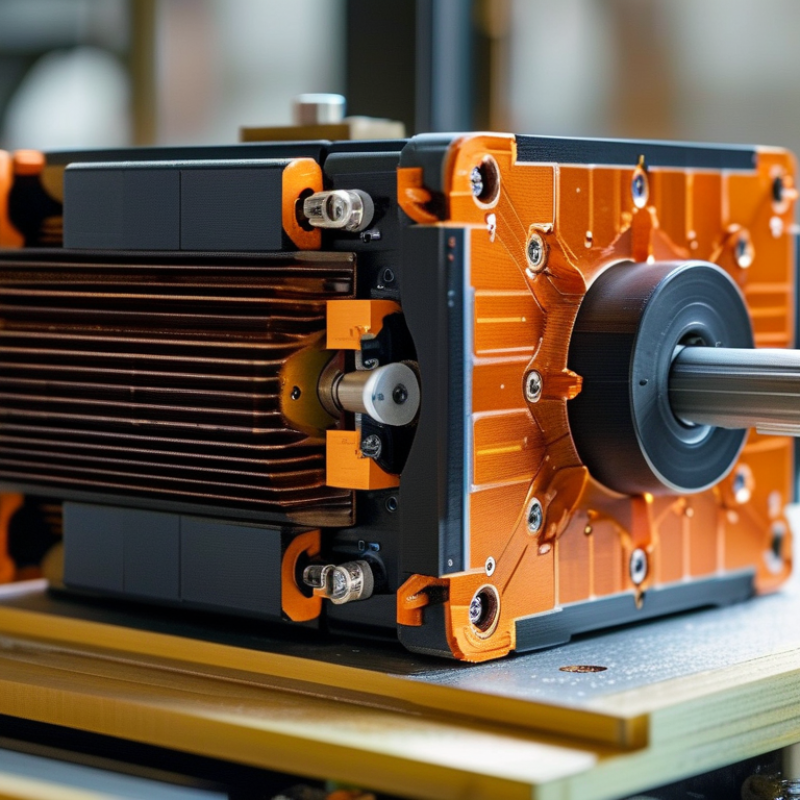

 Luv Motors