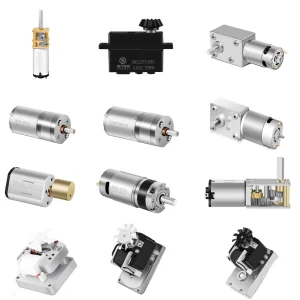
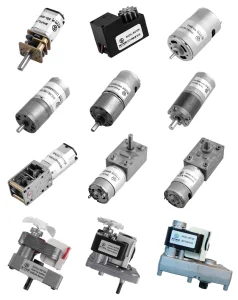
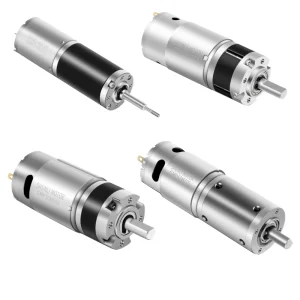
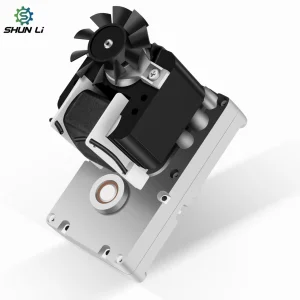
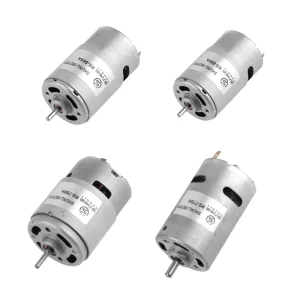
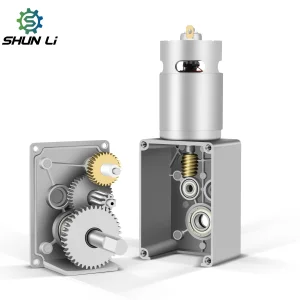
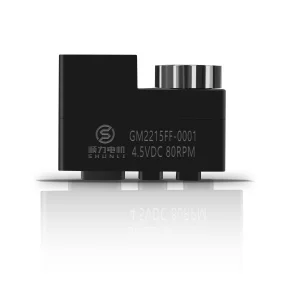
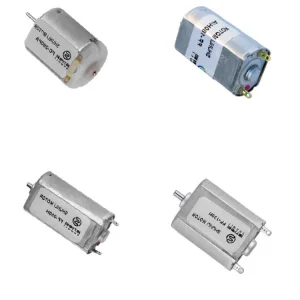
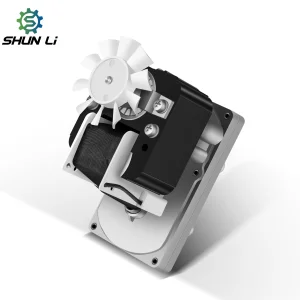
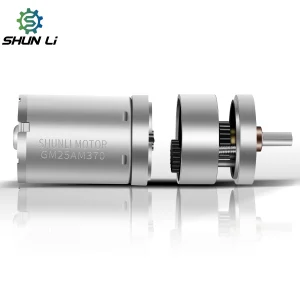
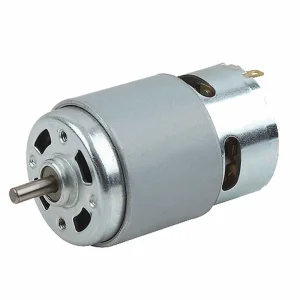
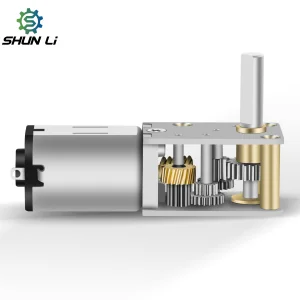
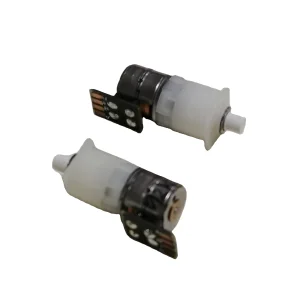
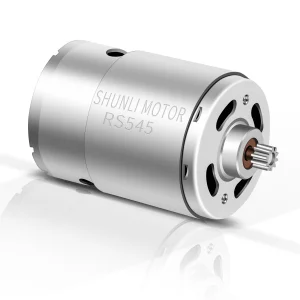
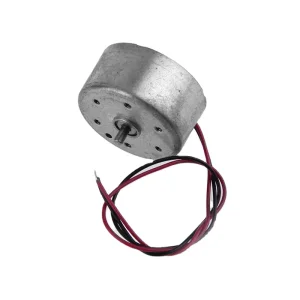
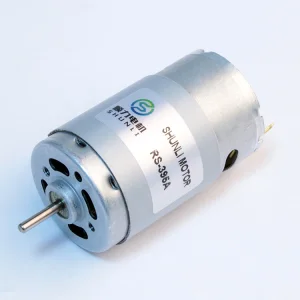
Explore our top-selling precision mini DC motor units, planetary gearboxes, and shaded pole AC gear motors engineered for industrial and smart home environments.
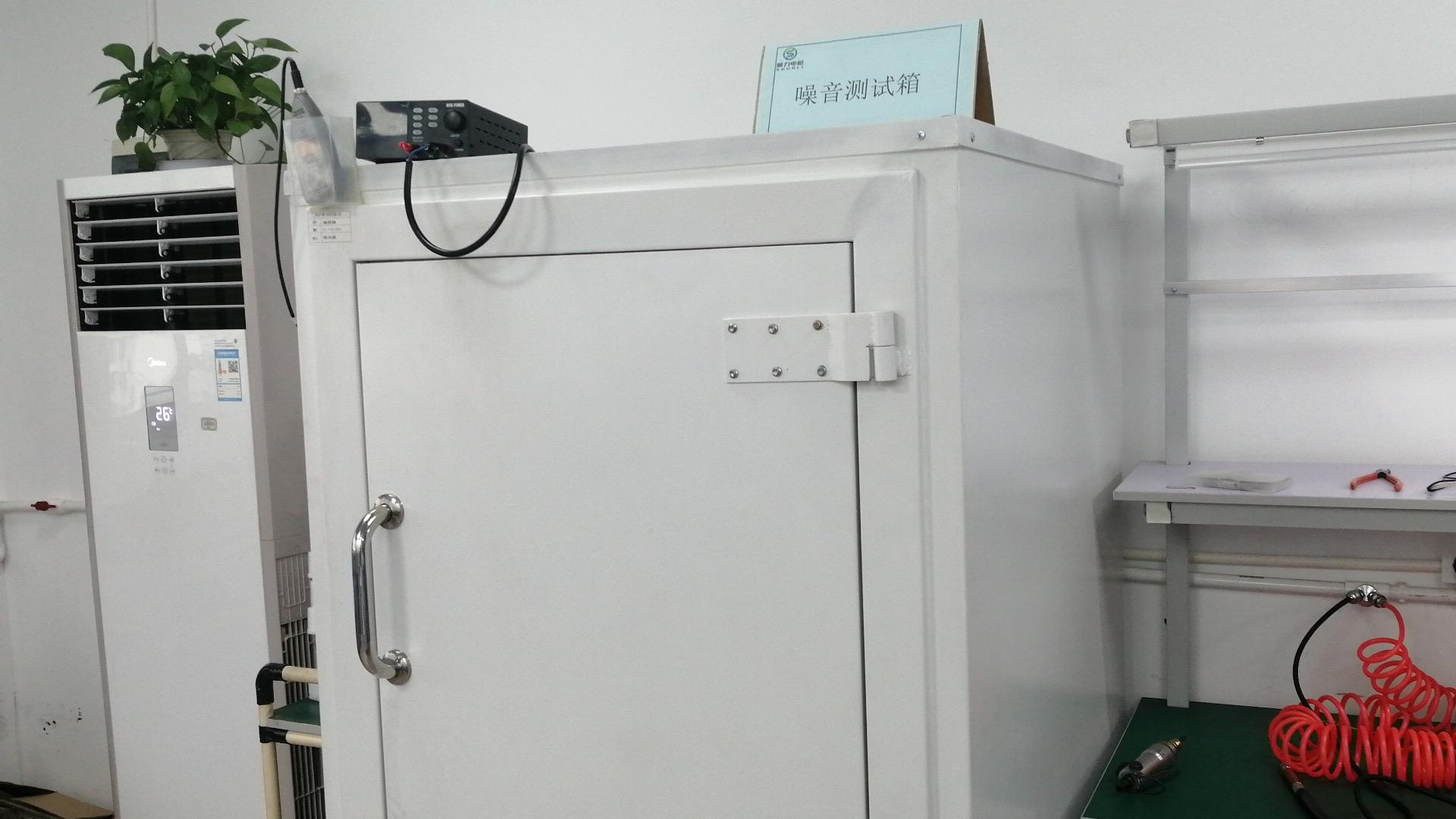
Established in 2006, Luv Motors has solidified its position as a certified High-Tech China manufacturer and exporter specializing in high-performance Micro DC Motors, DC Gear Motors, and Brushless Motors (BLDC). By addressing the requirements of modern automation and miniature drive design, our systems are optimized for precision torque transfer, long operation lifetimes, and low acoustic footprints.
Through our ISO9001-certified automated production facilities, we deliver top quality, offering 100% custom-tailored planetary, worm, and spur gear configurations. Our in-house engineering team works directly with global OEM buyers and engineering distributors, providing factory pricing, fast prototyping, and technical B2B support.
The global demand for micro DC gear motors has experienced an upward trajectory, driven by industrial automation, intelligent home ecosystems, and high-efficiency medical equipment. According to recent industrial data, the miniature transmission system market is expanding at a CAGR of 6.2%, reflecting the shift toward decentralized motion controllers.
Contemporary factories and exporters are moving beyond basic motor assembly. Today, buyers demand integrated systems that incorporate electronic commutation, high-resolution magnetic or optical encoders, and specialized gearboxes (planetary, worm, or spur configurations) designed for specific application environments. With manufacturing centers in Shenzhen, Changzhou, and Ningbo, Chinese exporters serve as key suppliers in the global supply chain, balancing material availability with manufacturing techniques.
Exporters utilize mature supply chains in the Yangtze and Pearl River deltas to secure premium raw materials (NdFeB magnets, high-purity copper windings, and high-grade alloy steel), ensuring stable production schedules.
Exported motors are designed to comply with global environmental and safety standards, including CE, RoHS, UL, and REACH, allowing for integration into Western markets.
Modern application specifications require custom modifications of output shafts, custom winding layouts, and specialized gear ratios to deliver target torque and speed parameters.
Choosing the correct drive system requires evaluating the mechanical and electrical properties of various motor and gearbox types. The table below highlights key parameters across our primary product configurations:
| Gearbox/Motor Type | Efficiency Range | Backlash Control | Primary Application Fields | Core Advantages |
|---|---|---|---|---|
| Planetary Gear Motor | 80% - 95% | Low (< 1° to 3°) | Robotics, AGVs, Medical Pumps | High power density, concentric output, high torque capability |
| Worm Gear Motor | 40% - 70% | Moderate (> 2°) | Electric Locks, Garage Doors, Conveyors | Self-locking mechanism, right-angle output, shock load resistance |
| Brushless DC (BLDC) Motor | 85% - 90% | N/A (Motor Core) | Vacuum Cleaners, High-End Hair Dryers | Long service life, low electromagnetic noise, high-speed limits |
| Shaded Pole AC Gear Motor | 30% - 50% | High (> 3°) | BBQ Equipment, Cooling Fans, Ovens | Simple construction, high heat tolerance, cost-effective |
Planetary gearheads divide the applied torque across multiple planet gears, decreasing localized stress. This configuration enables compact packaging with minimal backlash, making it suitable for high-precision applications like robotic joints and smart locks. Worm gearboxes, however, feature a sliding contact layout that provides a right-angle output shaft configuration. The high ratio-per-stage and self-locking characteristics of worm gearing make it a preferred choice for applications requiring anti-back-drive functionality.
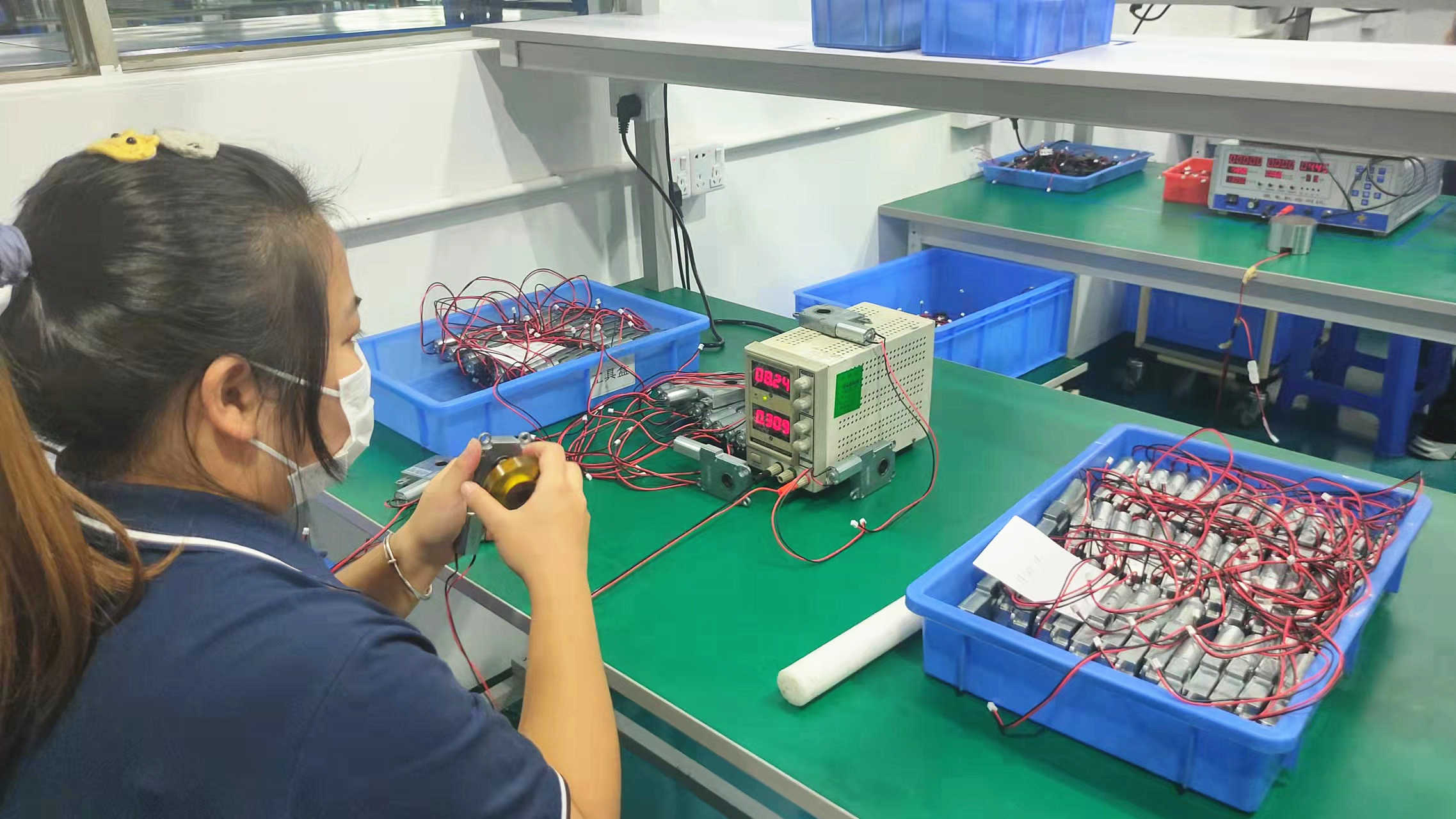
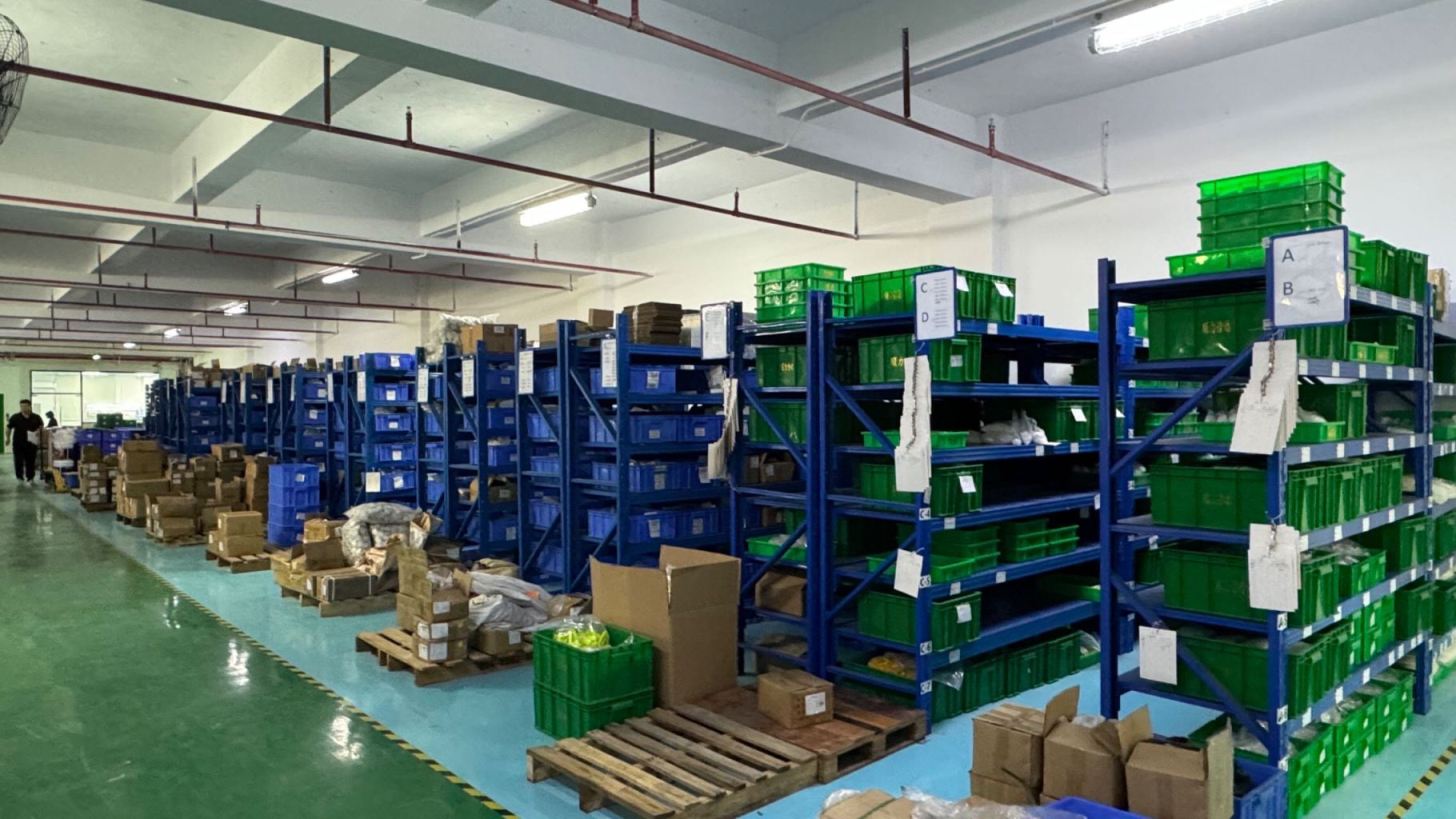
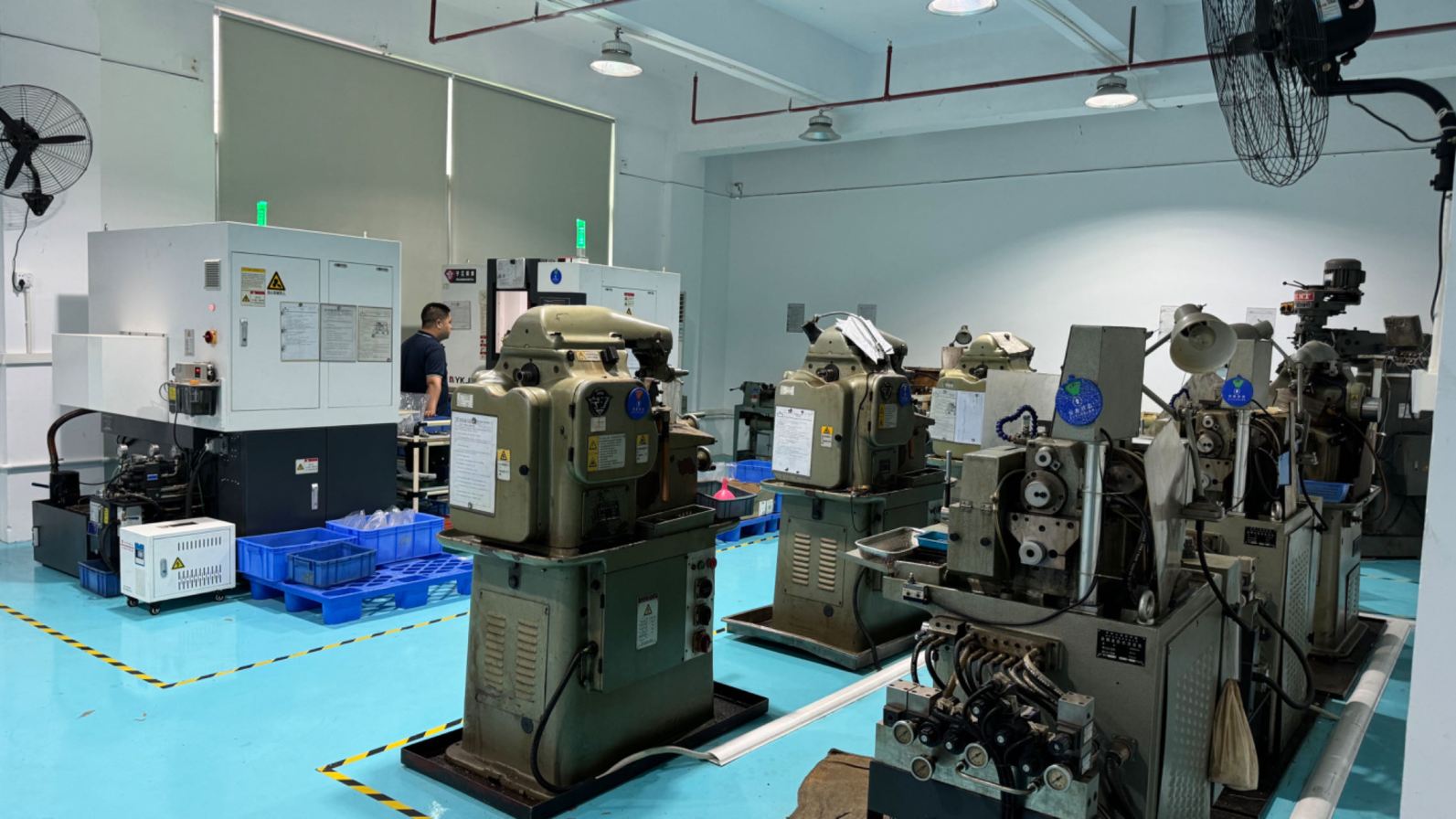
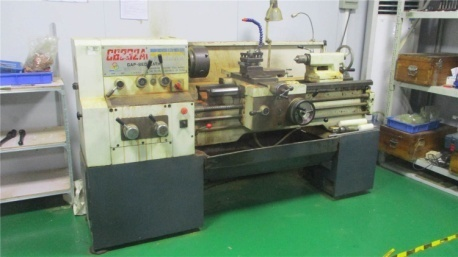
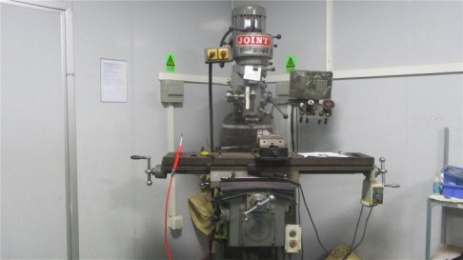
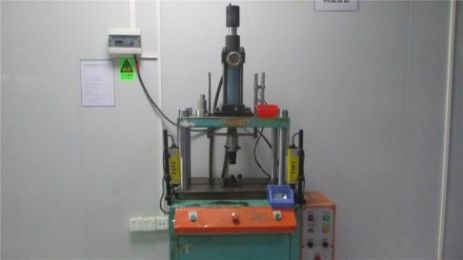
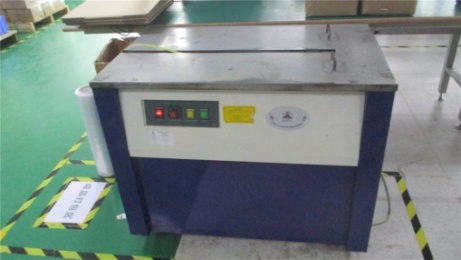
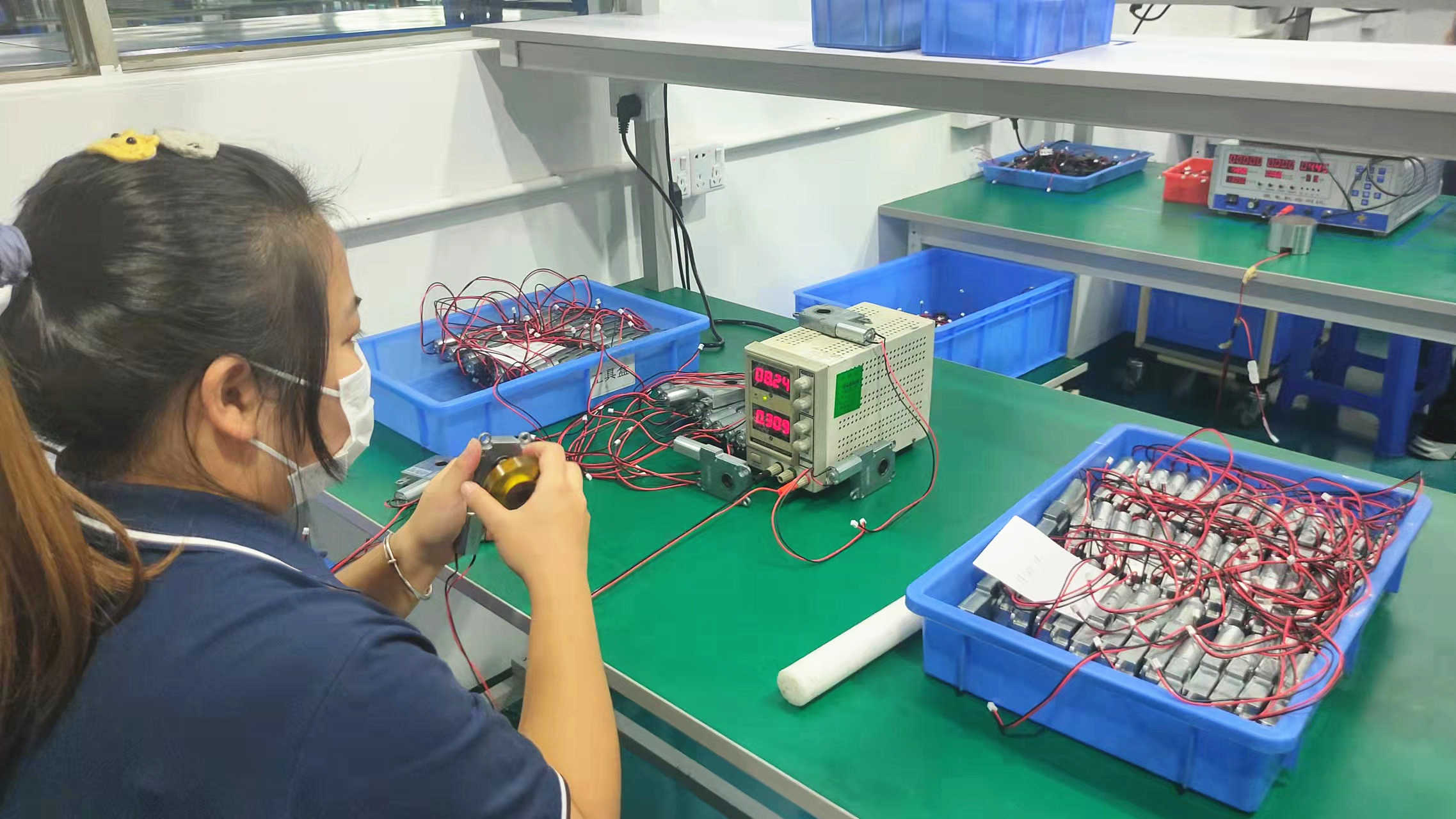
Our manufacturing facility utilizes automated machining and assembly tools to ensure high precision and consistency across every production batch. From gear hobbing to final motor winding, our processes are designed to meet strict tolerances.

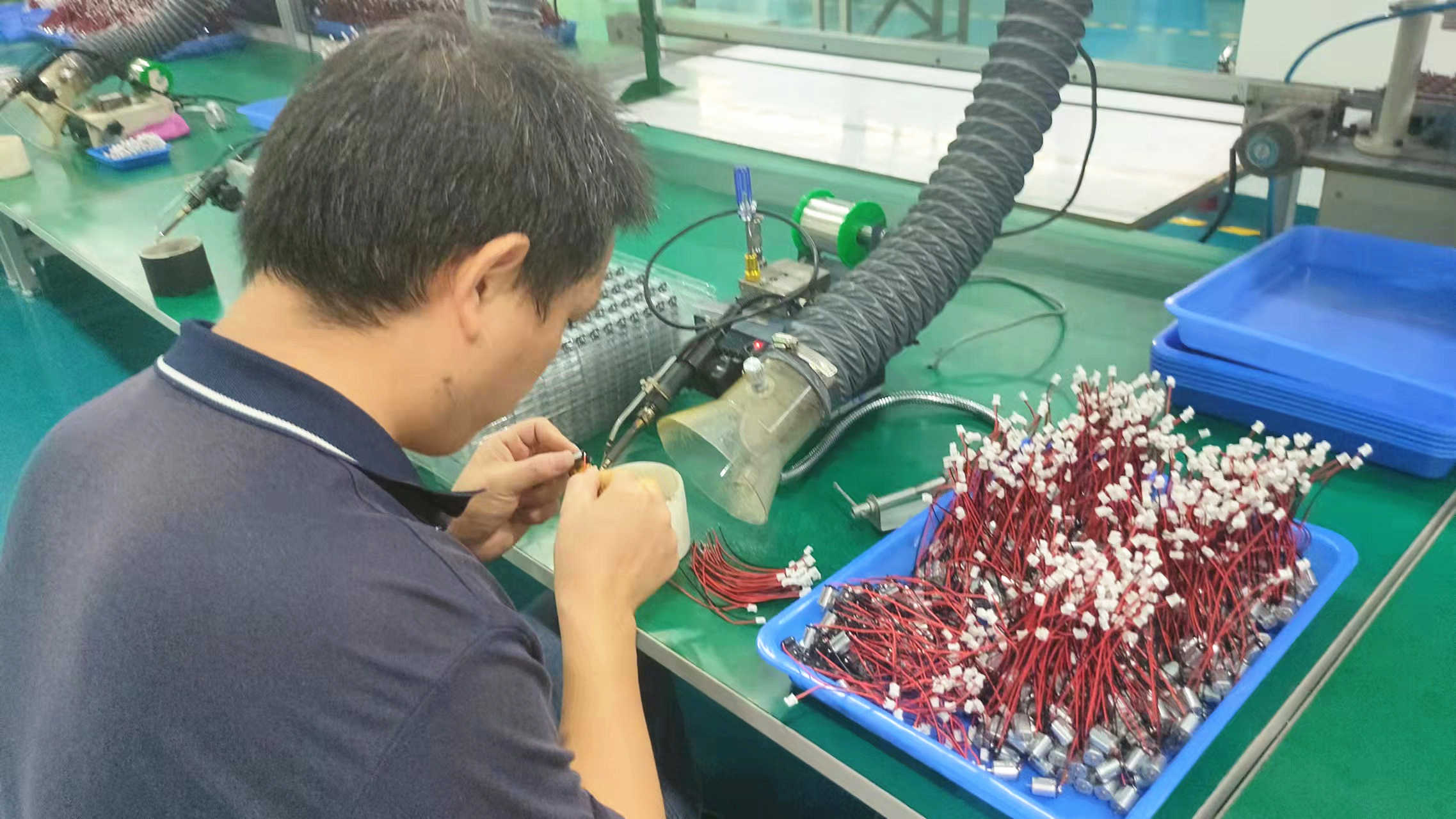
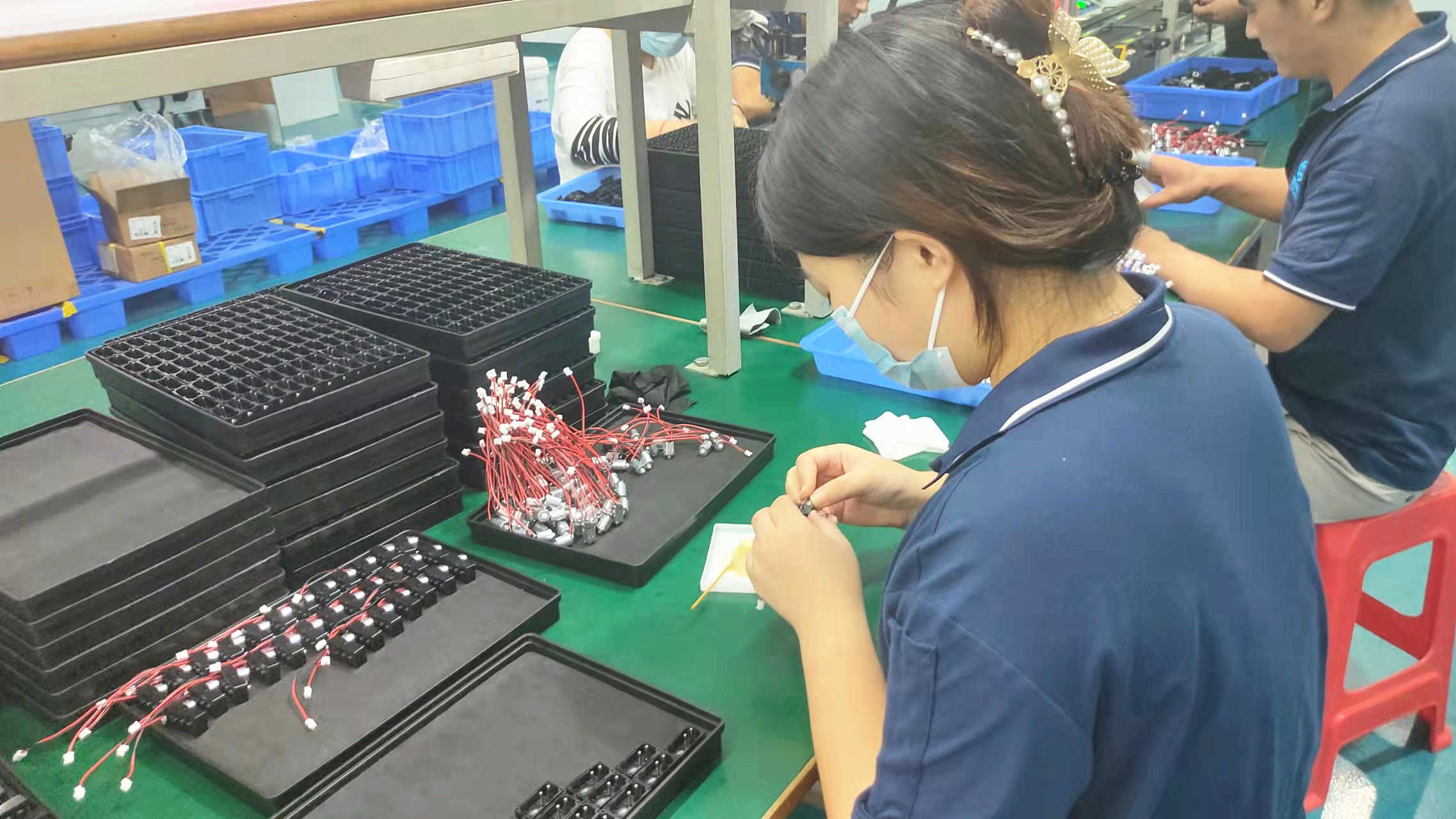
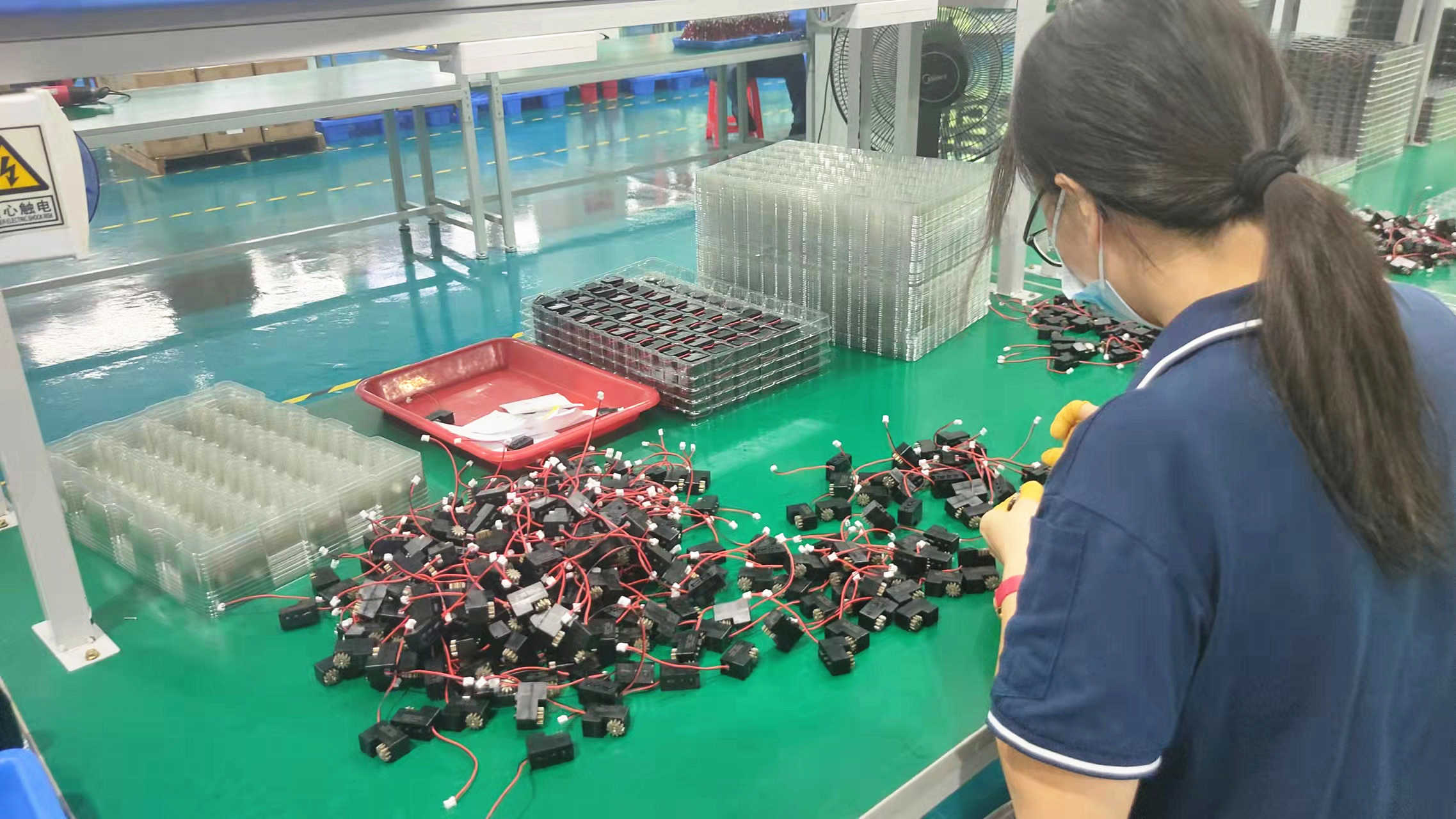
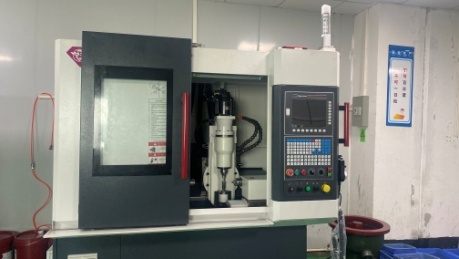
Precision gear cutting is essential for reducing noise and backlash. Our facility features CNC machining equipment, including Swiss gear hobbers, automatic milling systems, and high-frequency wire EDM machines, ensuring components are fabricated to tight tolerances.
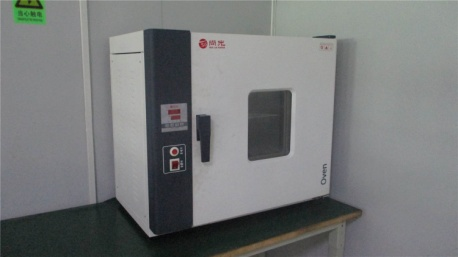
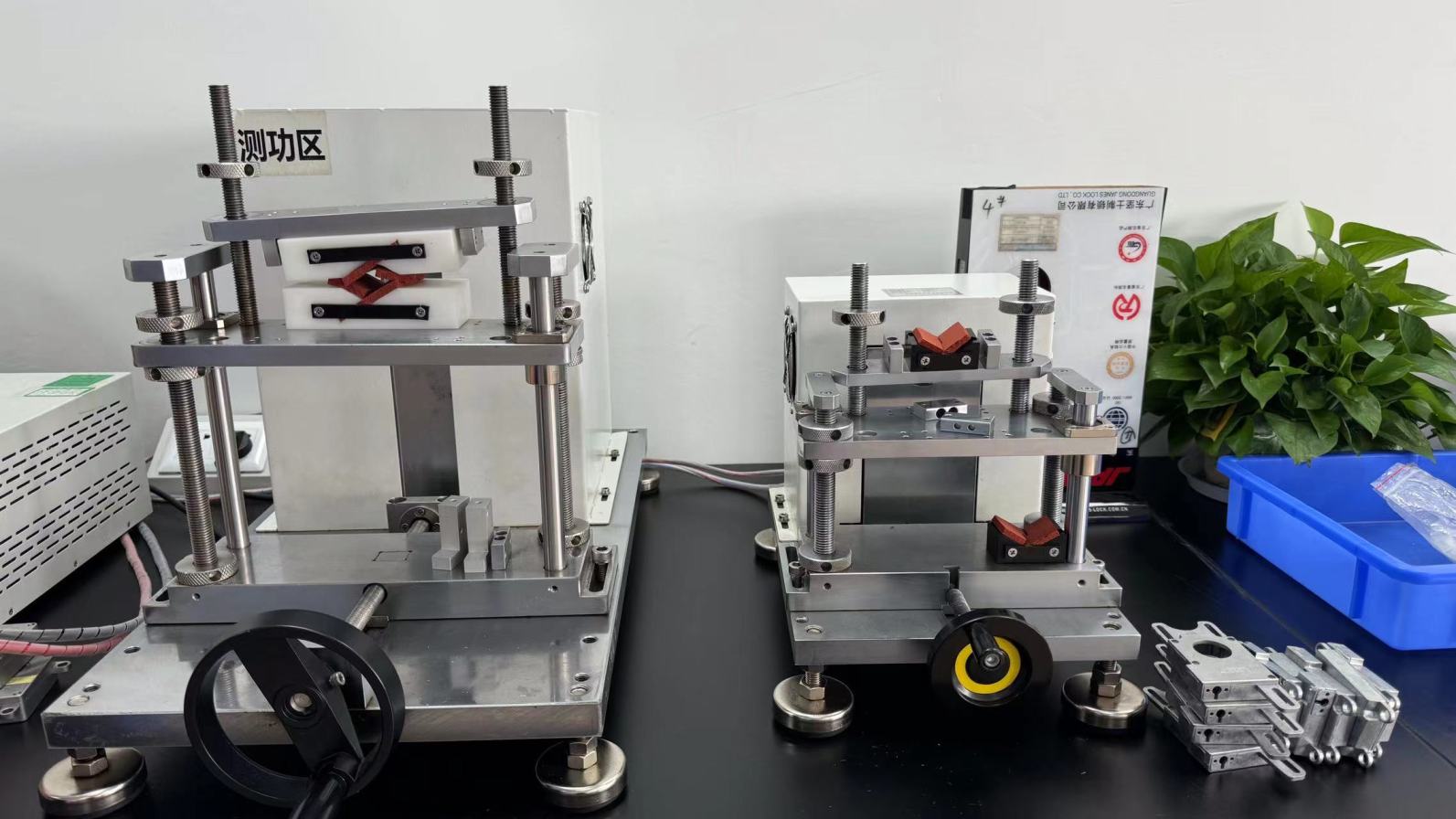
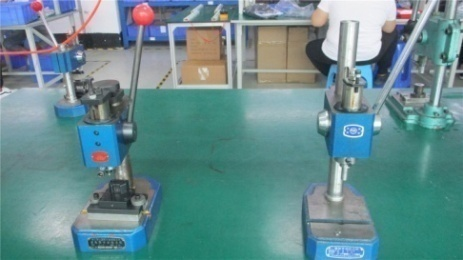
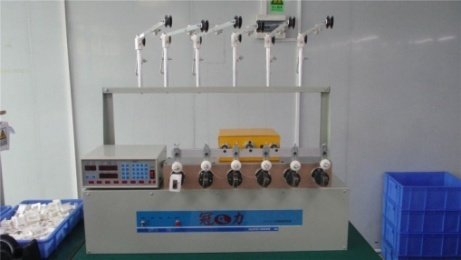
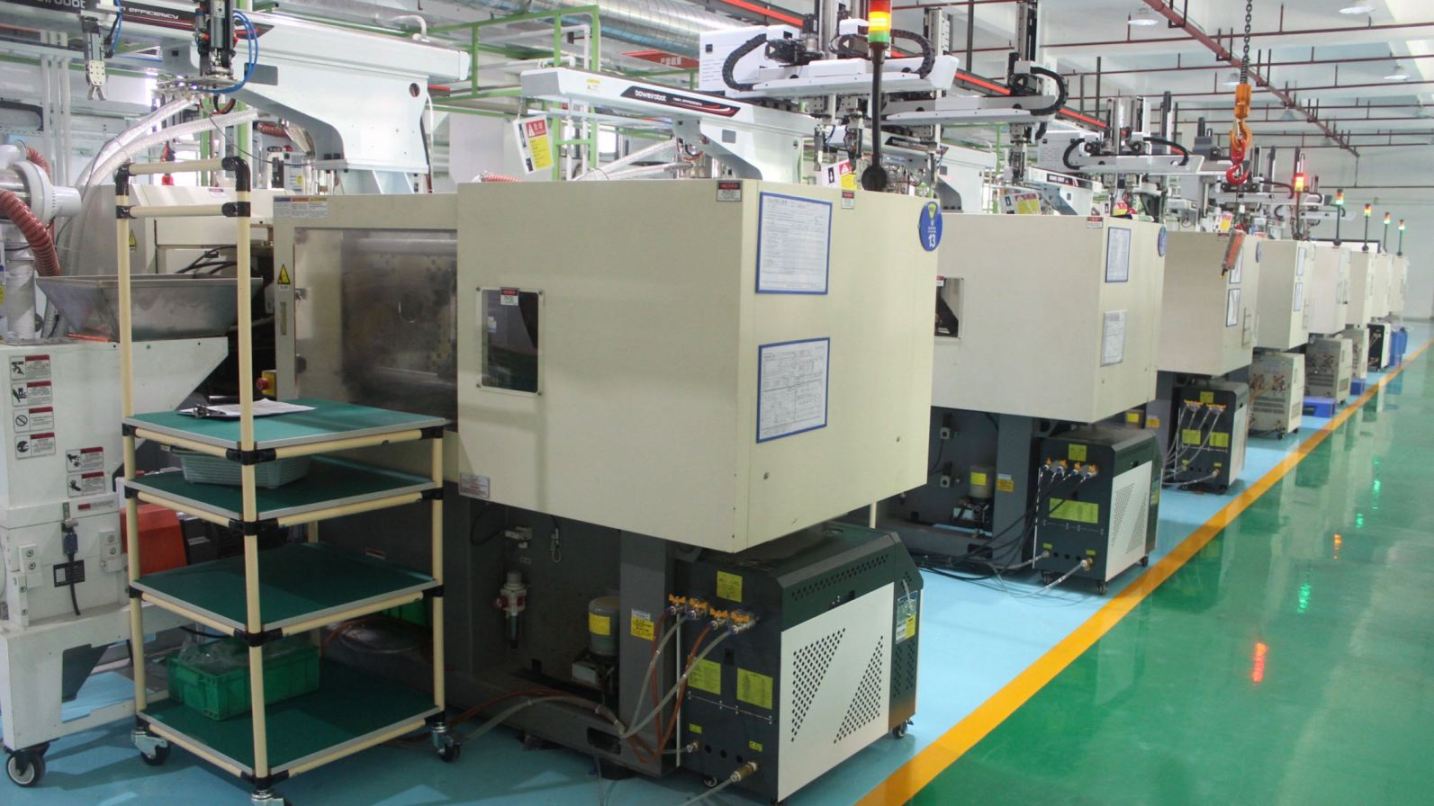
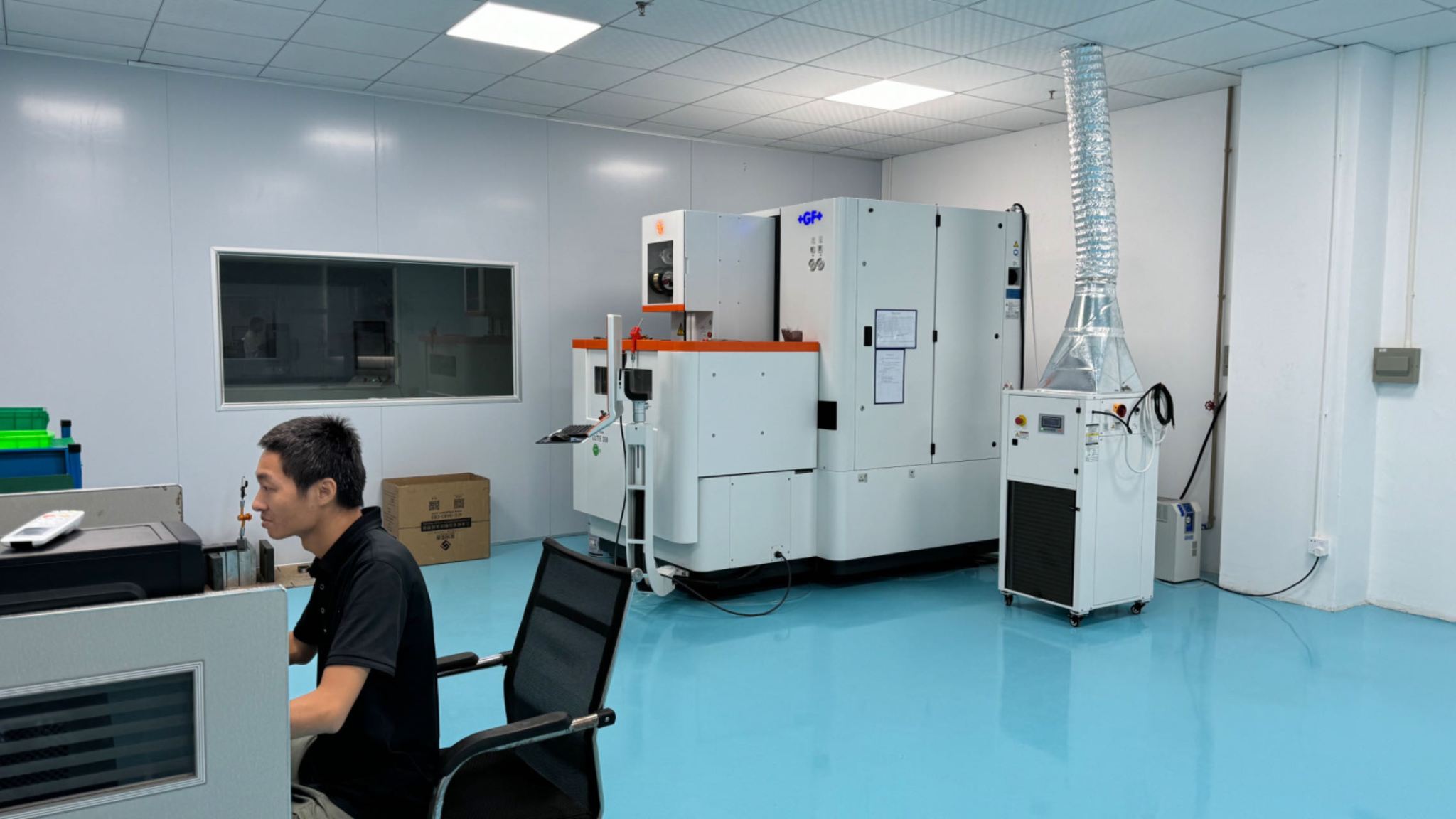
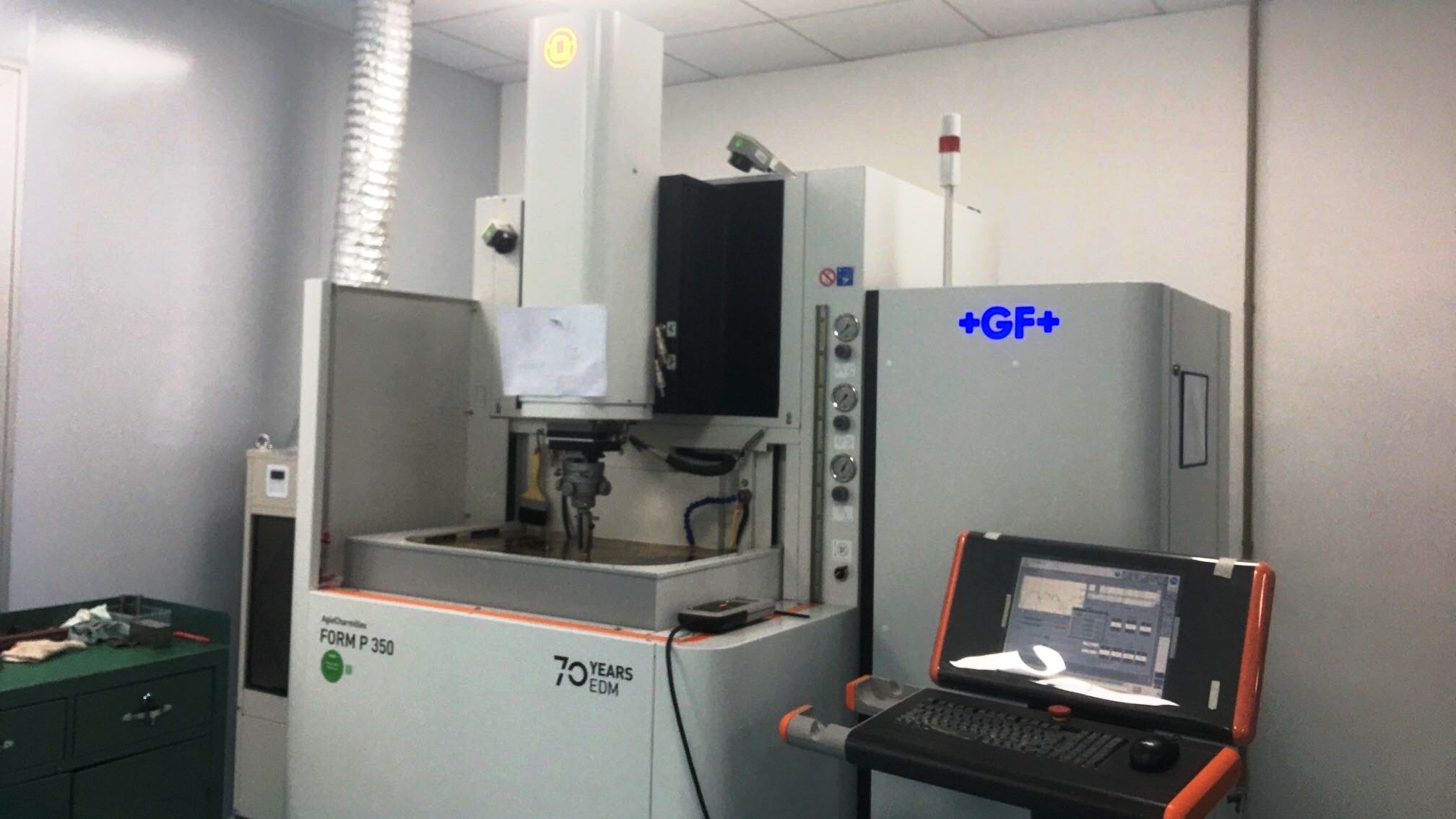
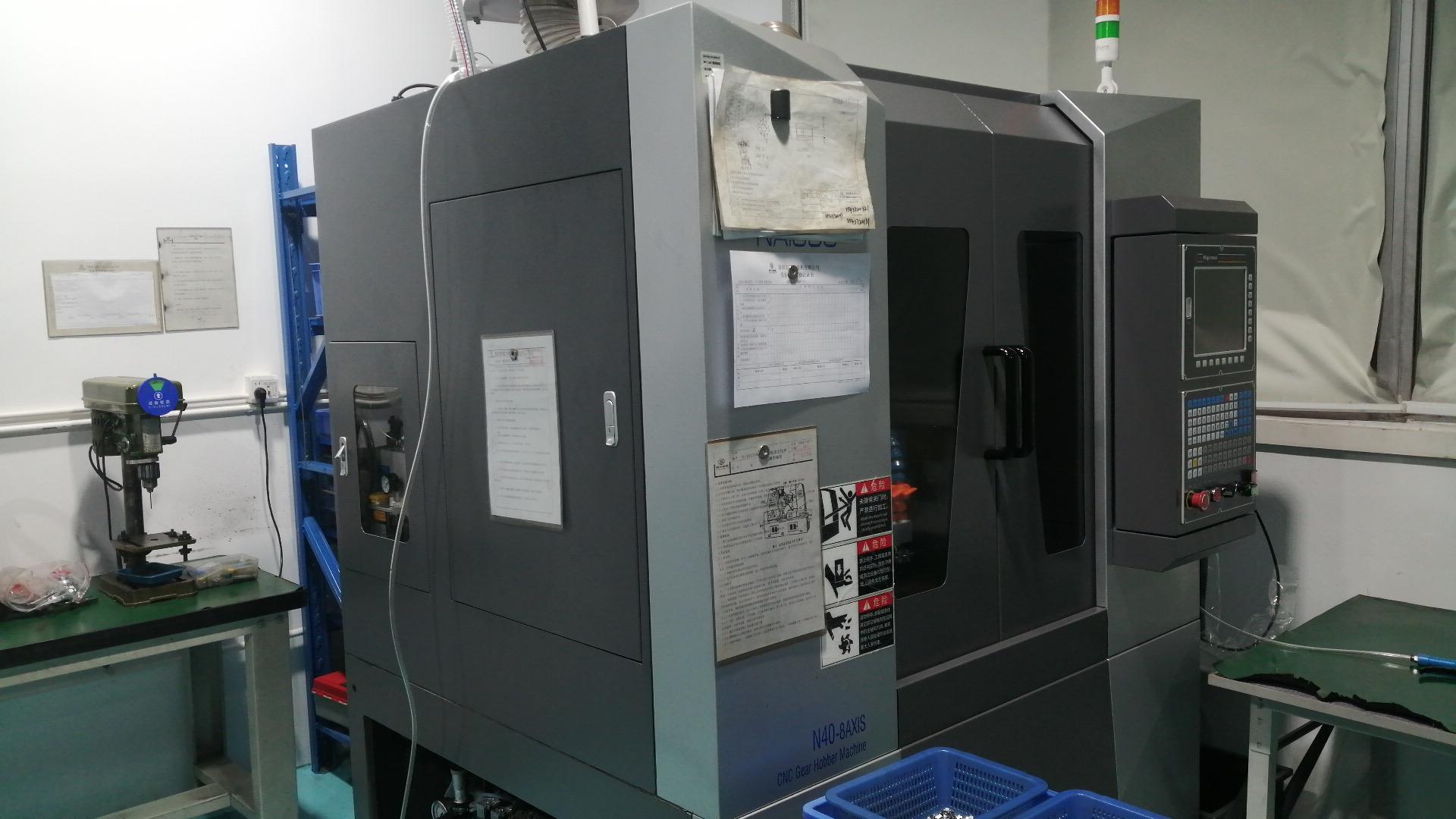
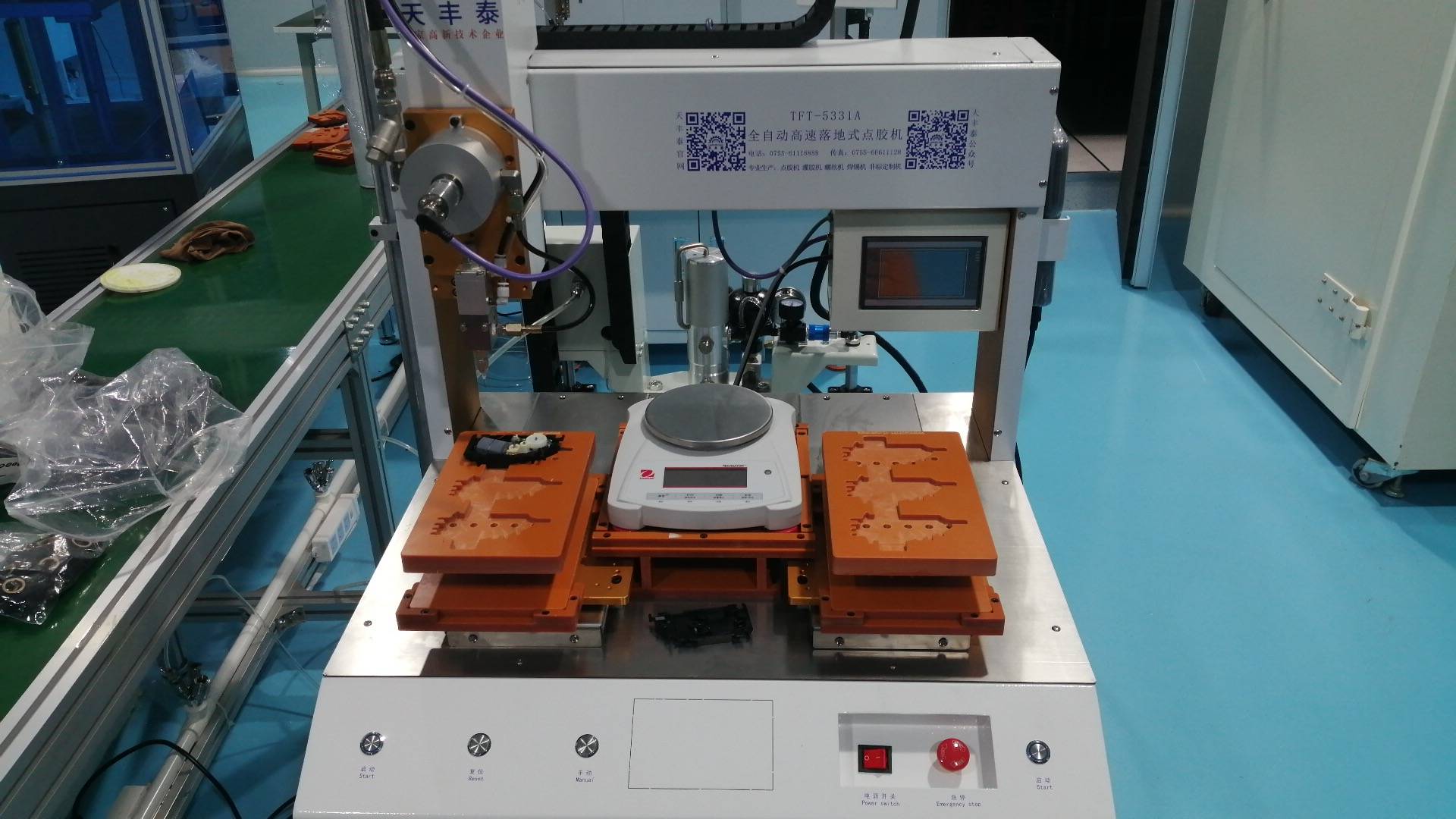
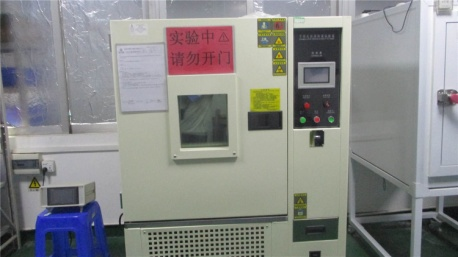
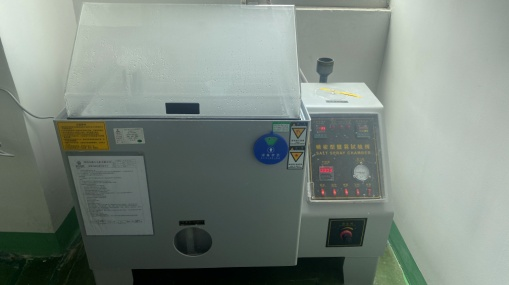
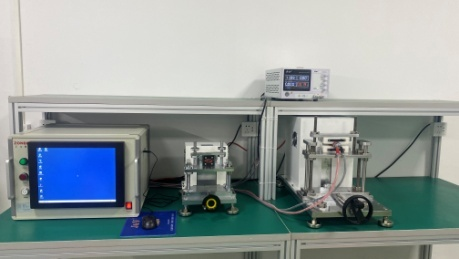
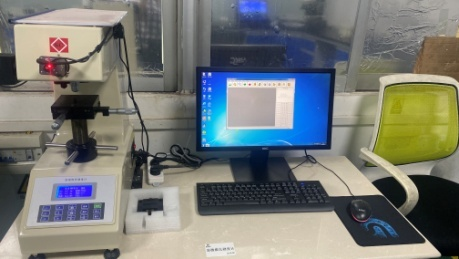
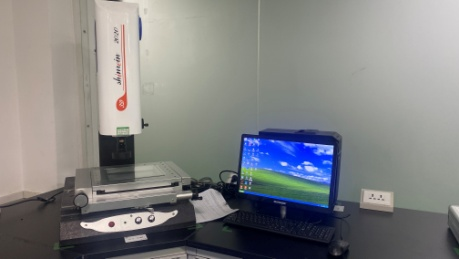
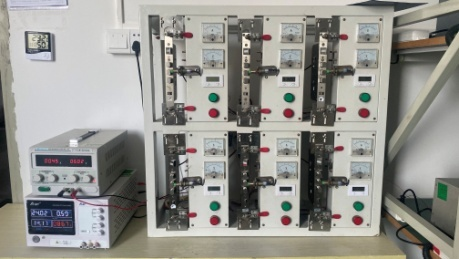
Consistency is key for high-volume B2B orders. Every production run undergoes functional and environmental testing to confirm that the motors perform to specification.
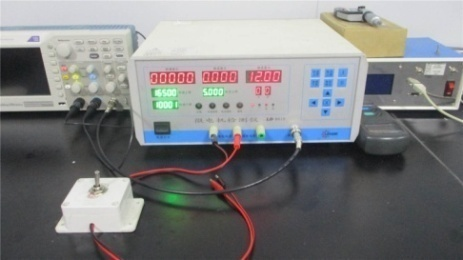
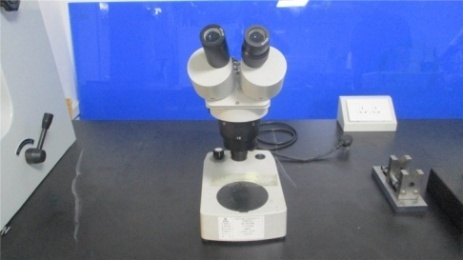
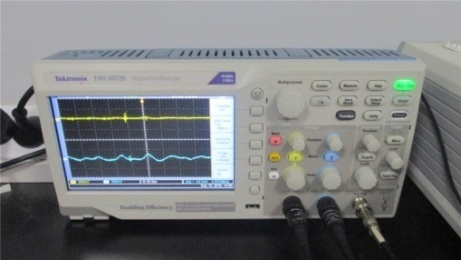
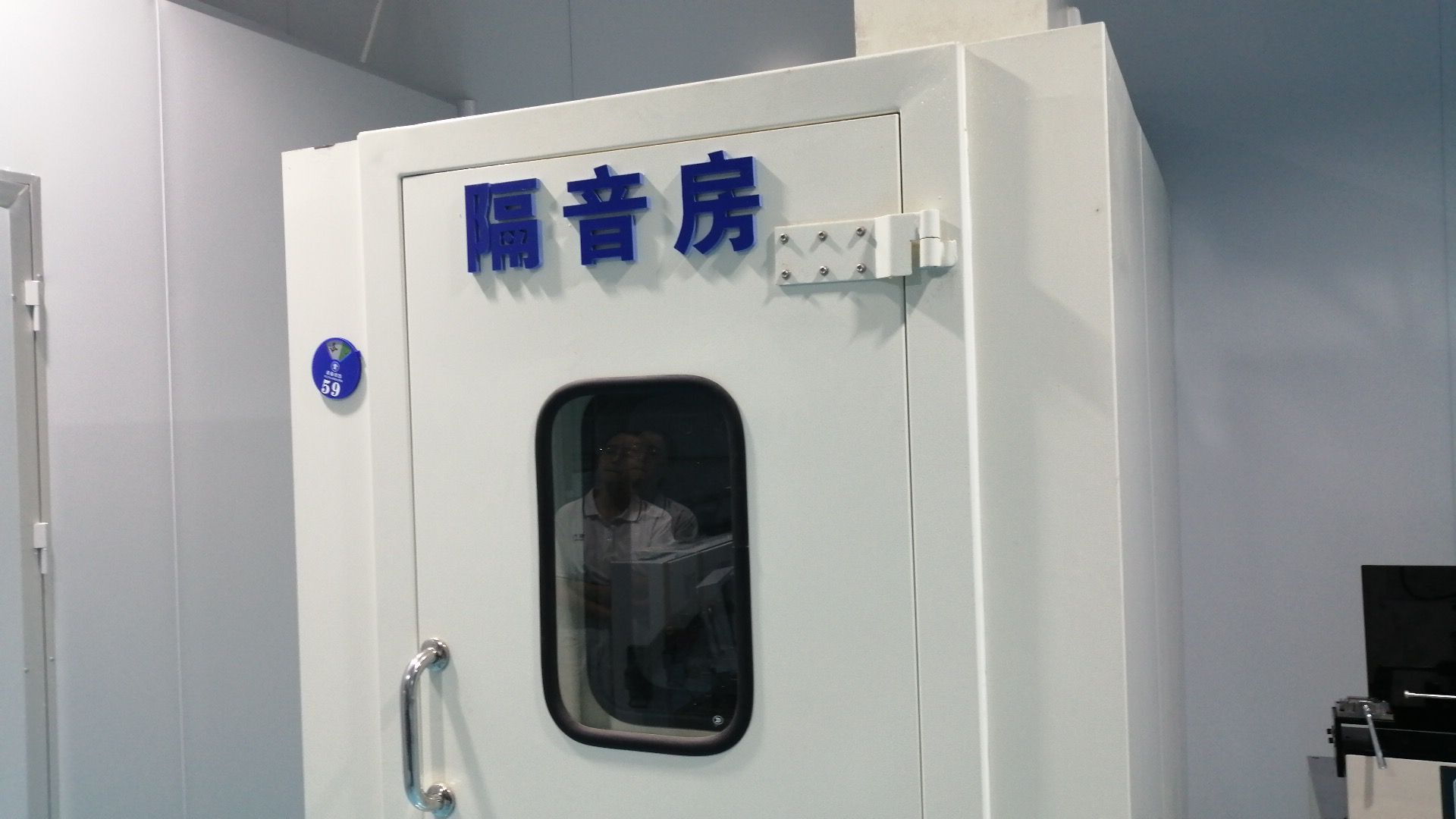
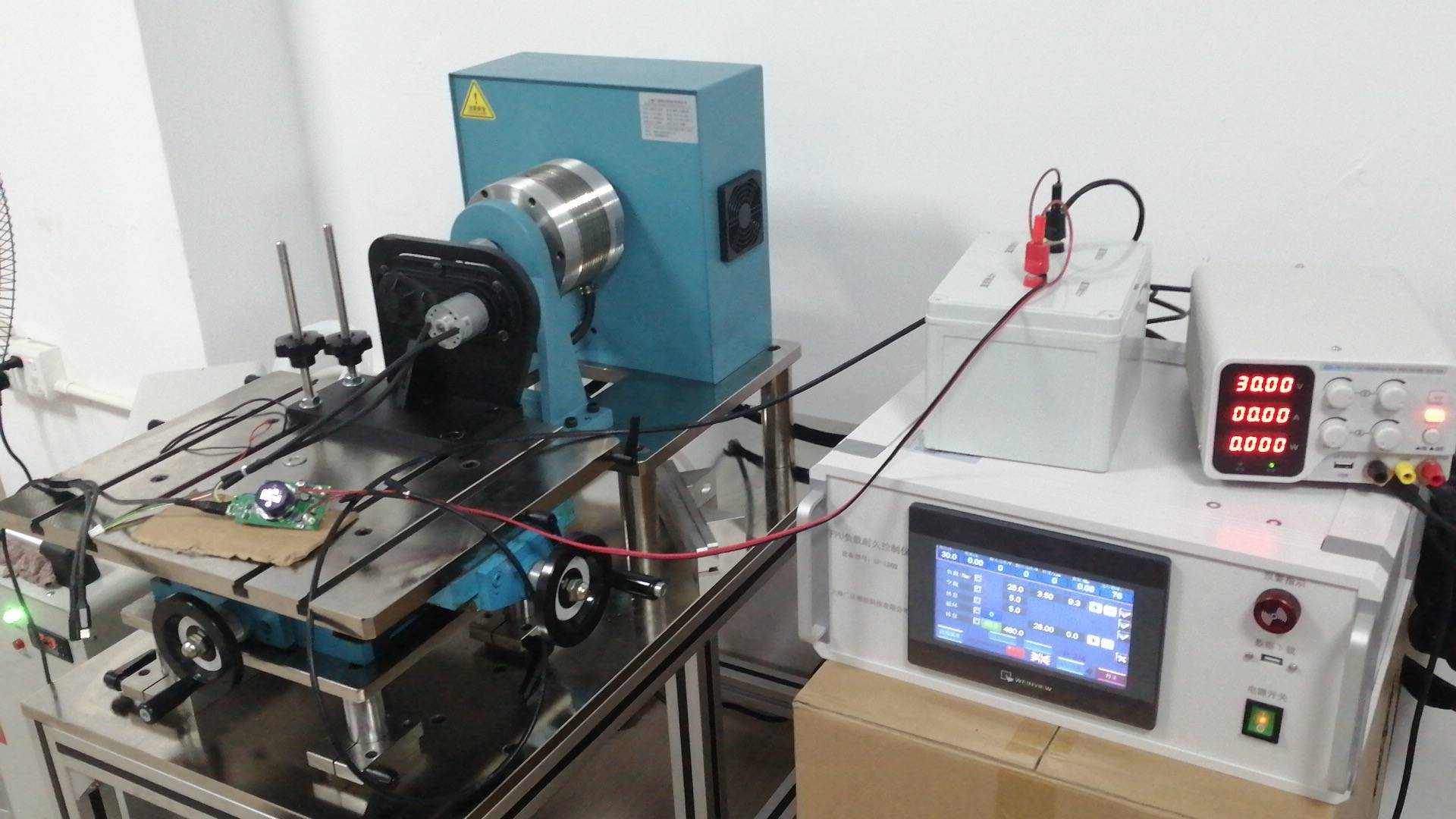
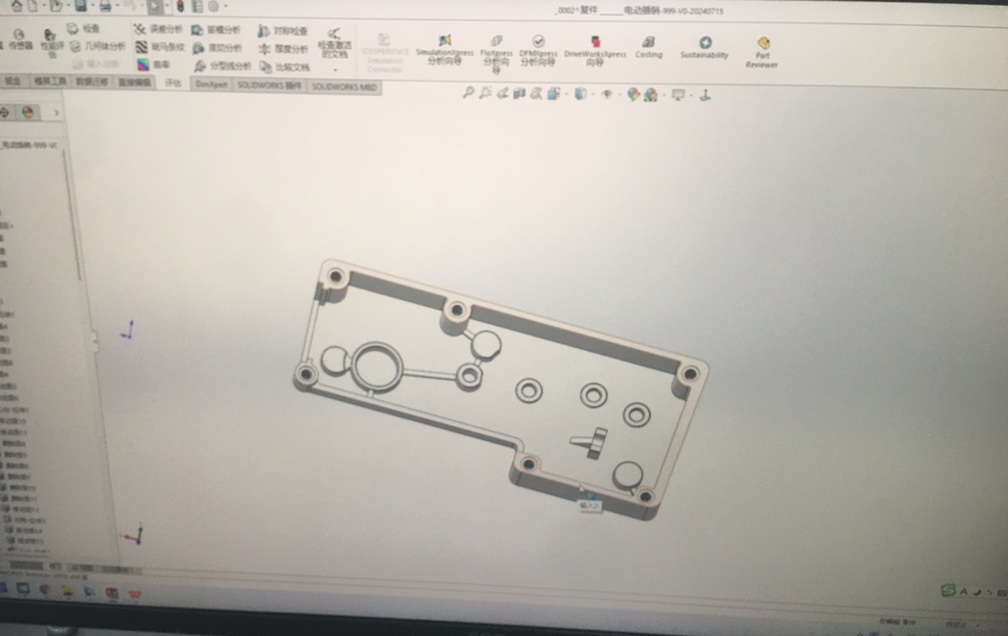
Precision micro DC motors are integrated into key functional modules across various global industrial ecosystems:
Micro-drives are utilized in electric blinds, smart locks, and motorized valves. These components require high static hold torque, quiet gear mesh designs, and small physical profiles for seamless integration.
In modern vehicles, brush and brushless DC gear motors drive heating ventilation air conditioning (HVAC) dampers, power mirrors, and tailgate open/close systems. These units must operate reliably across a broad temperature range (-40°C to +85°C).
Syringe pumps, diagnostic scanners, and prosthetic controls rely on planetary micro-gearboxes to provide precise flow rate adjustments and repeatable angular placement.
As factories face rising material costs, optimizing motor efficiency provides a competitive advantage. Using copper winding distributions and high-remanence permanent magnets, manufacturers can reduce power consumption in battery-operated medical devices and remote surveillance networks.
The micro-drive industry is shifting toward higher power density and smarter control integration. Three major developments are shaping the design of the next generation of gear motors:
To support green manufacturing goals, factories are also transitioning to lead-free soldering and bio-degradable lubricants, ensuring compliance with evolving global eco-design policies.
To select the appropriate gear motor configuration, design engineers evaluate key performance metrics to ensure target operational limits are met:
Calculate target torque output using mechanical efficiency and reduction ratios: T_output = T_motor * Ratio * Efficiency. Selecting the correct ratio prevents winding overheating during stall conditions.
Ensure that radial and axial forces on the output shaft do not exceed the mechanical limits of the sleeve or ball bearings to prevent premature gearbox wear.
Review the thermal properties of the motor under continuous vs. intermittent operation. Intermittent duty cycles can support higher peak currents without risking stator insulation failure.
Our micro-gear motor systems, high-torque actuators, and custom AC gear motors are designed to support B2B requirements globally.
 Luv Motors