The market for Electric Gear Motors is expanding significantly, with a projected rise in demand by 2026. This growth is driven by advancements in technology and increasing automation needs across various industries. Electric Gear Motors offer efficiency and reliability, making them a preferred choice for manufacturers. Their ability to provide high torque output in a compact design is indispensable for many applications.
Global buyers should consider several factors when selecting Electric Gear Motors. These include motor efficiency, durability, and application suitability. Additionally, it’s essential to evaluate the reputation of manufacturers. Not all products meet the same quality standards. Therefore, reliability becomes a key concern. It’s crucial for buyers to do proper research and assess reviews.
The future of Electric Gear Motors is filled with potential. However, challenges remain, such as compatibility with existing systems. Buyers must navigate these complexities while seeking innovation. Investing time in understanding products will ultimately yield better outcomes. A thoughtful approach can lead to informed decisions in selecting the best electric solutions.
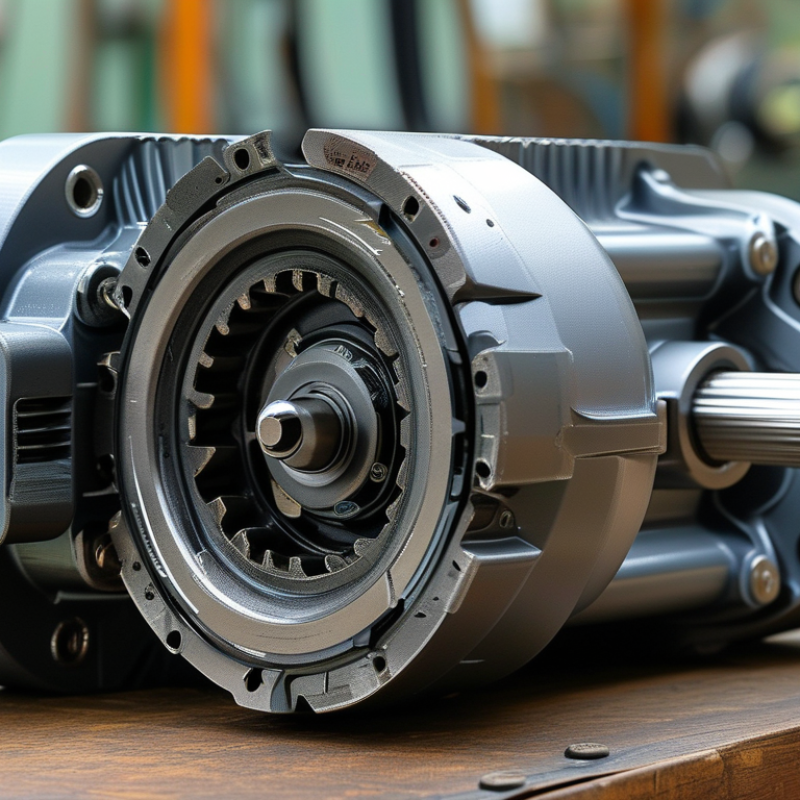
Key Features to Consider When Selecting Electric Gear Motors
Selecting the right electric gear motor requires careful consideration of several key features. Efficiency is a leading factor. According to a 2022 industry report, gear motors with higher efficiency ratings can improve overall system performance by up to 25%. This aspect significantly impacts energy consumption and operating costs.
Torque capacity is crucial. Gear motors operate under varying loads, and a motor that can handle higher torque is essential for performance. A study from the International Electric Motor Association highlights that a torque capacity increase of just 10% can result in a 15% enhancement in operational reliability. Buyers should assess the specific torque requirements for their applications, as underestimating can lead to premature motor failure.
Monitoring and control features are getting more attention. Advanced gear motors now integrate smart technology, allowing for real-time performance tracking. Reports indicate that systems with these features can enhance maintenance efficiency by reducing downtime. However, not all smart technology is created equal. Some may require significant investment and training, prompting potential buyers to weigh the advantages against possible setbacks.
Top Electric Gear Motors for Global Buyers in 2026
| Motor Type |
Torque (Nm) |
Rated Power (kW) |
Efficiency (%) |
Gear Ratio |
Operating Voltage (V) |
| DC Gear Motor |
5.0 |
0.75 |
85 |
10:1 |
12 |
| AC Gear Motor |
10.0 |
1.5 |
90 |
20:1 |
230 |
| Stepper Gear Motor |
2.5 |
0.5 |
80 |
5:1 |
24 |
| Servo Gear Motor |
15.0 |
3.0 |
95 |
30:1 |
48 |
Top Electric Gear Motor Brands and Manufacturers in 2026
In the evolving field of electric gear motors, understanding the best brands and manufacturers is crucial for buyers in 2026. The market is expanding rapidly, driven by innovation and sustainability. Quality and reliability are vital traits that buyers should seek.
Leading manufacturers focus heavily on advanced technology. They invest in research, aiming to enhance efficiency and durability. This creates products that often outperform older models. For instance, many gear motors are now more compact while delivering higher torque. Such improvements help businesses optimize space and performance.
However, not all brands maintain consistent quality. Some smaller manufacturers may cut corners to reduce costs. This can lead to unreliable products. Buyers need to conduct thorough research and read reviews. Understanding other customers' experiences often reveals insights into performance and longevity. It’s essential to balance cost with quality to make informed decisions in this competitive market.
Market Trends Influencing Electric Gear Motor Demand Globally
The global demand for electric gear motors is poised for growth in 2026. Key market trends show a significant shift towards energy efficiency and automation. According to a recent industry report from Grand View Research, the market for electric gear motors is projected to reach $39.68 billion by 2028, exhibiting a compound annual growth rate (CAGR) of 5.2% from 2021. This growth is driven largely by the automotive and manufacturing sectors.
Industries are increasingly investing in electric gear motors as they offer higher precision and reliability. The rise of smart factories and Industry 4.0 is also influencing this trend. A report by Research and Markets highlights that automation will propel electric gear motors' adoption, with over 40% of manufacturing processes expected to be automated by 2025. However, some manufacturers face challenges in integrating these motors into existing systems, raising questions about compatibility and installation costs.
As sustainability becomes a priority, electric gear motors need to adapt. A trend towards environmentally friendly technologies has emerged among global buyers. However, not all manufacturers are equipped to meet these new standards. Manufacturers must rethink production methods. This reflection is crucial for staying competitive in a rapidly evolving market.
Applications of Electric Gear Motors in Various Industries
Electric gear motors are versatile and widely used across various industries, each application highlighting their importance. In manufacturing, these motors power conveyor belts and assembly lines, ensuring seamless operations and increased efficiency. Additionally, the automotive industry utilizes electric gear motors in electric vehicles for better torque management, which enhances performance and energy efficiency.
Applications extend to robotics, where precise movements are crucial. Electric gear motors support robotic arms and automated machinery, providing the necessary control and power. In agricultural equipment, they assist with tasks like planting and harvesting, significantly improving productivity. However, industries often face challenges with compatibility and integration of these motors, necessitating ongoing assessment and adjustment.
Operators and engineers should focus on maintenance and calibration. Over time, wear and tear can affect performance. Adjusting settings may be required to meet specific needs. Industry feedback can guide developers to improve these motors, enhancing reliability and functionality. Addressing these imperfections can lead to advanced designs and better application integration, paving the way for future improvements in electric gear motors.
Sustainability and Innovation in Electric Gear Motor Technology
In 2026, the landscape of electric gear motors is likely to change drastically. Sustainability is becoming a core focus within motor technology. Many manufacturers are investing in eco-friendly materials. This shift leads to minimal waste and reduced emissions. For instance, biodegradable lubricants and recyclable components are gaining popularity.
Innovation is another key aspect. Advanced designs improve efficiency and performance. Many motors now use smart technology for better control. Sensors can monitor energy usage in real time. This data allows for optimization, reducing overall consumption. However, challenges remain. Not every company is fully equipped to embrace these advancements. Some still prioritize cost over sustainability, hindering progress.
Moving forward, collaboration among industry players is essential. Knowledge sharing can lead to breakthroughs in technology. Individuals and companies must reflect on their practices and seek improvement. The road to sustainability is filled with obstacles, but the potential rewards are substantial. Each step can lead to a more efficient and greener future.
FAQS
: Efficiency is vital. Higher efficiency can boost overall system performance by up to 25%.
A motor with higher torque capacity enhances operational reliability. A 10% increase can lead to a 15% improvement.
These features enable real-time performance tracking, reducing downtime and improving maintenance efficiency.
Some manufacturers may sacrifice quality for lower costs, resulting in unreliable products. Research is crucial.
Demand is projected to grow significantly, influenced by energy efficiency and automation trends in various industries.
The automotive and manufacturing sectors are key drivers due to their need for precision and reliability.
Compatibility and installation costs can hinder integration into existing systems, despite the benefits of automation.
Manufacturers need to rethink production methods to meet the growing demand for environmentally friendly technologies.
Some smart technology may require costly investments and training, leading to careful consideration on buyers' part.
Reviews often reveal insights into product performance and longevity, essential for making informed decisions.
Conclusion
As we look towards 2026, the landscape for Electric Gear Motors is evolving rapidly, influenced by key market trends and technological advancements. When selecting an Electric Gear Motor, buyers should consider essential features such as efficiency, torque, speed control, and reliability. The demand for these motors is being driven by their diverse applications across various industries, including automotive, manufacturing, and renewable energy, highlighting their integral role in modern machinery.
Furthermore, sustainability has become a critical focus in Electric Gear Motor technology, with innovations aimed at reducing energy consumption and environmental impact. As companies seek to adopt greener practices, the integration of advanced technologies in Electric Gear Motors will not only enhance performance but also align with global sustainability goals. Buyers in 2026 will benefit from a wealth of options that blend performance, efficiency, and eco-friendliness.

 Luv Motors