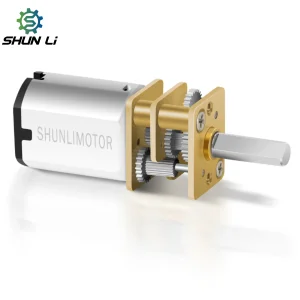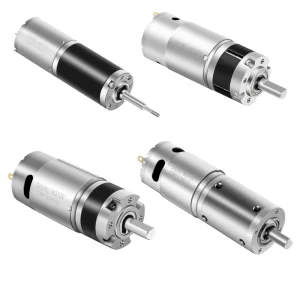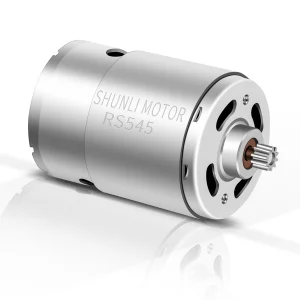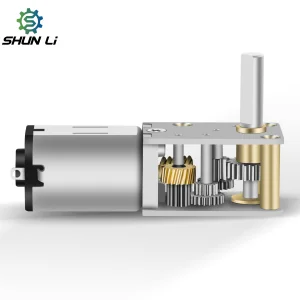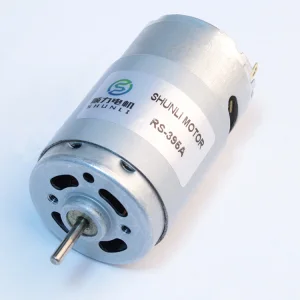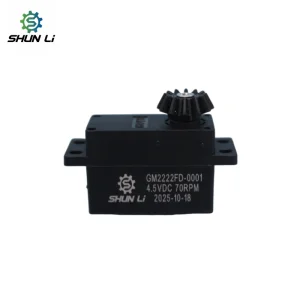
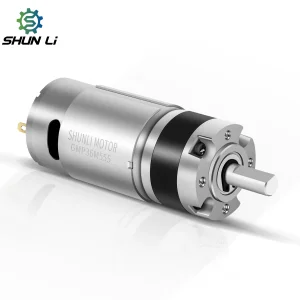
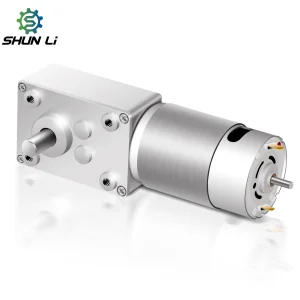
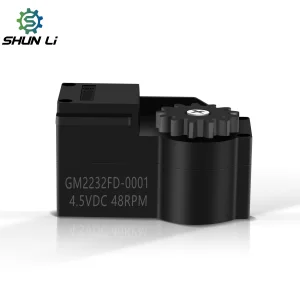
The additive manufacturing sector has crossed the chasm from rapid prototyping into mainstream industrial production. Modern manufacturing environments demand high reliability, precision positioning, and sustained performance under harsh thermal conditions. Global B2B buyers—ranging from specialized aerospace research labs to high-volume consumer desktop 3D printer manufacturers—face multi-layered procurement challenges. The core components driving this physical layer are micro drives, stepper motors, and brushless DC (BLDC) systems.
In response to these demands, Luv Motors (established in 2006) serves as a certified High-Tech China manufacturer specializing in high-performance micro DC motors, gear assemblies, and brushless drives (BLDC). With automated production lines certified to ISO9001, we address the critical pain points of international supply chains: consistency of mechanical tolerances, custom shaft geometries, and strict compliance with EU standards.
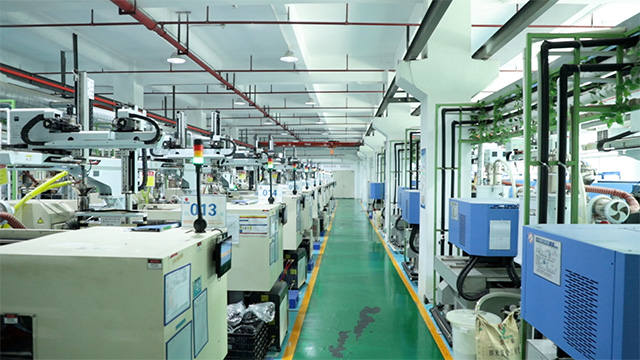
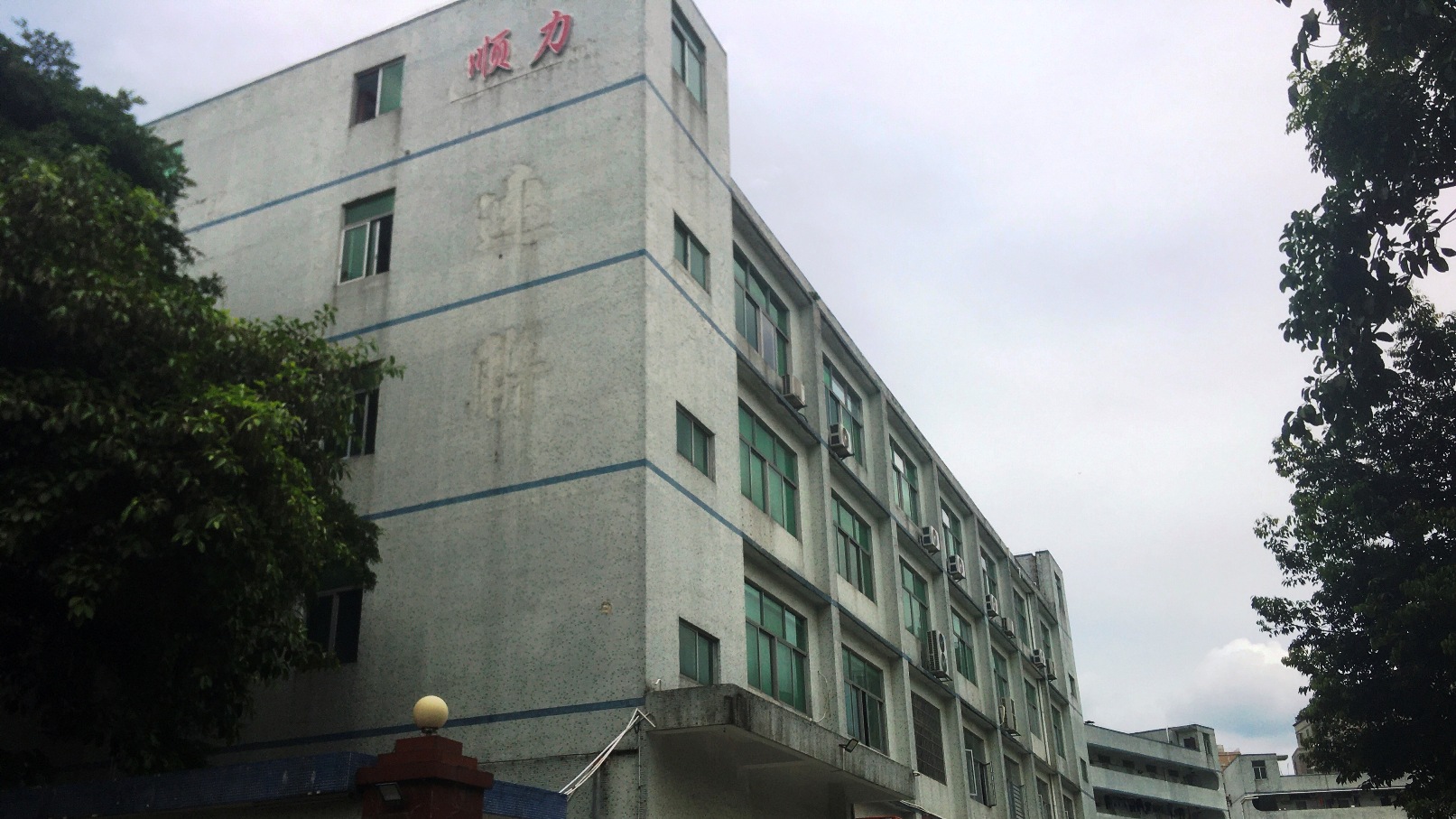
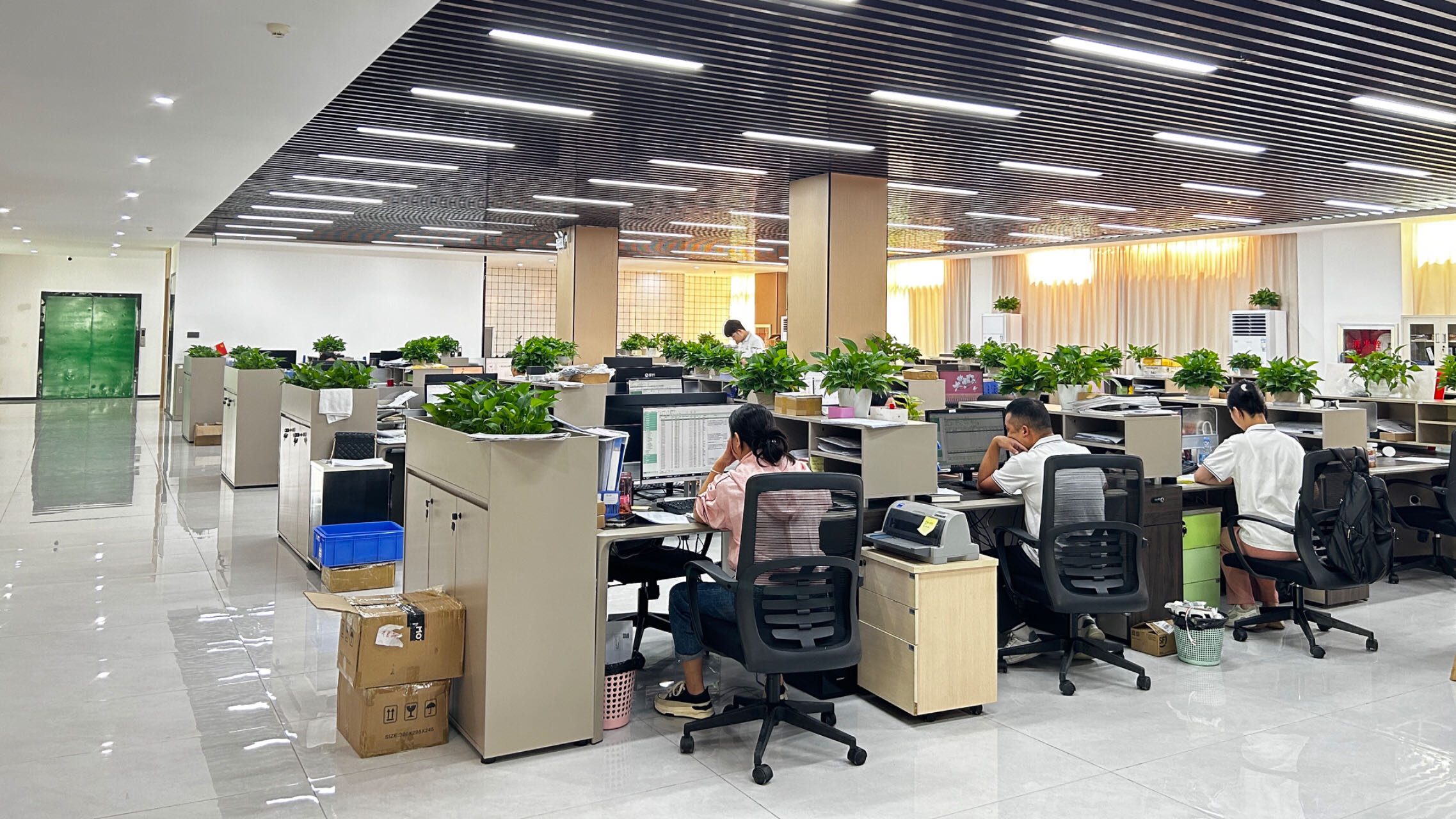
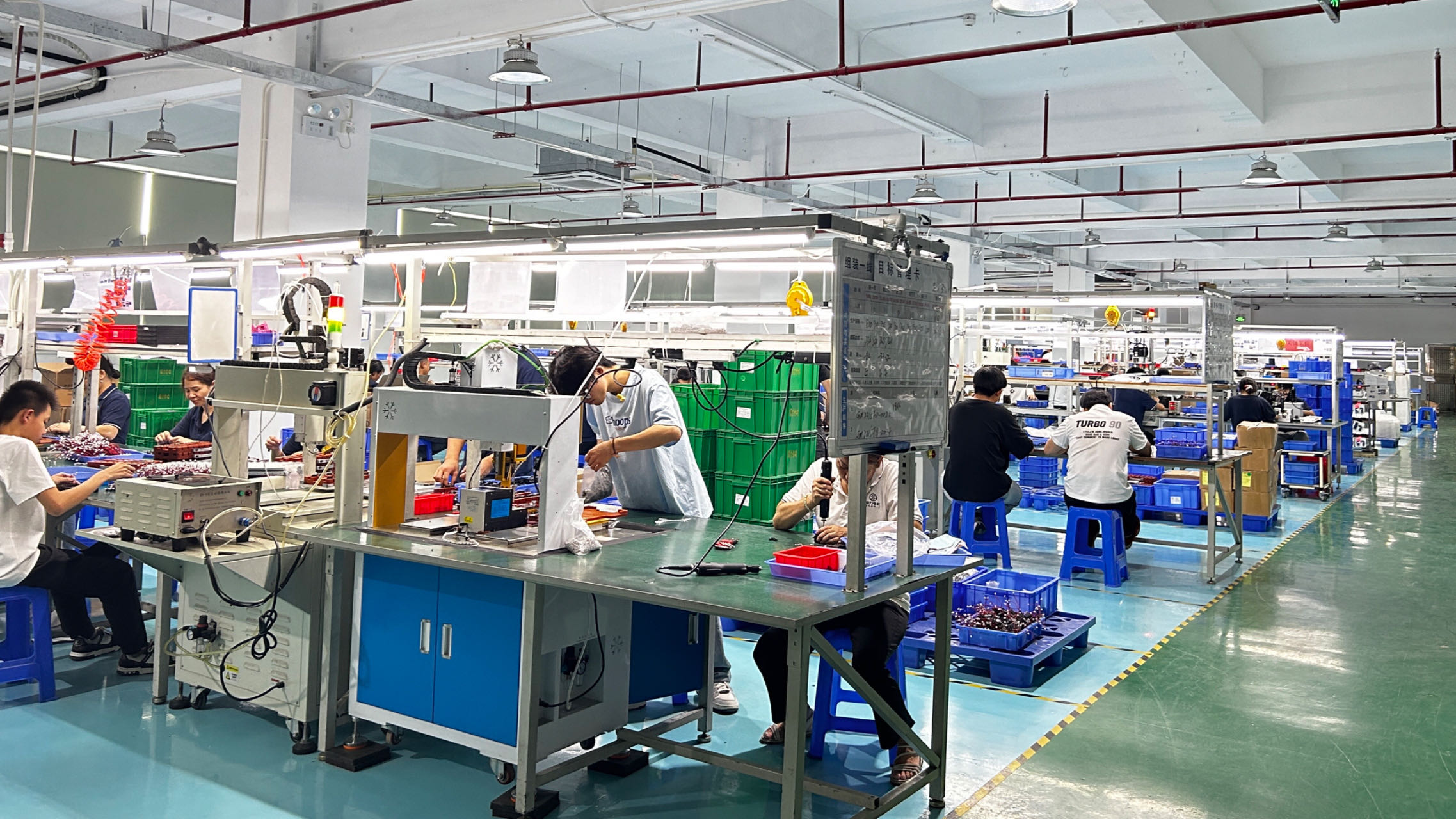
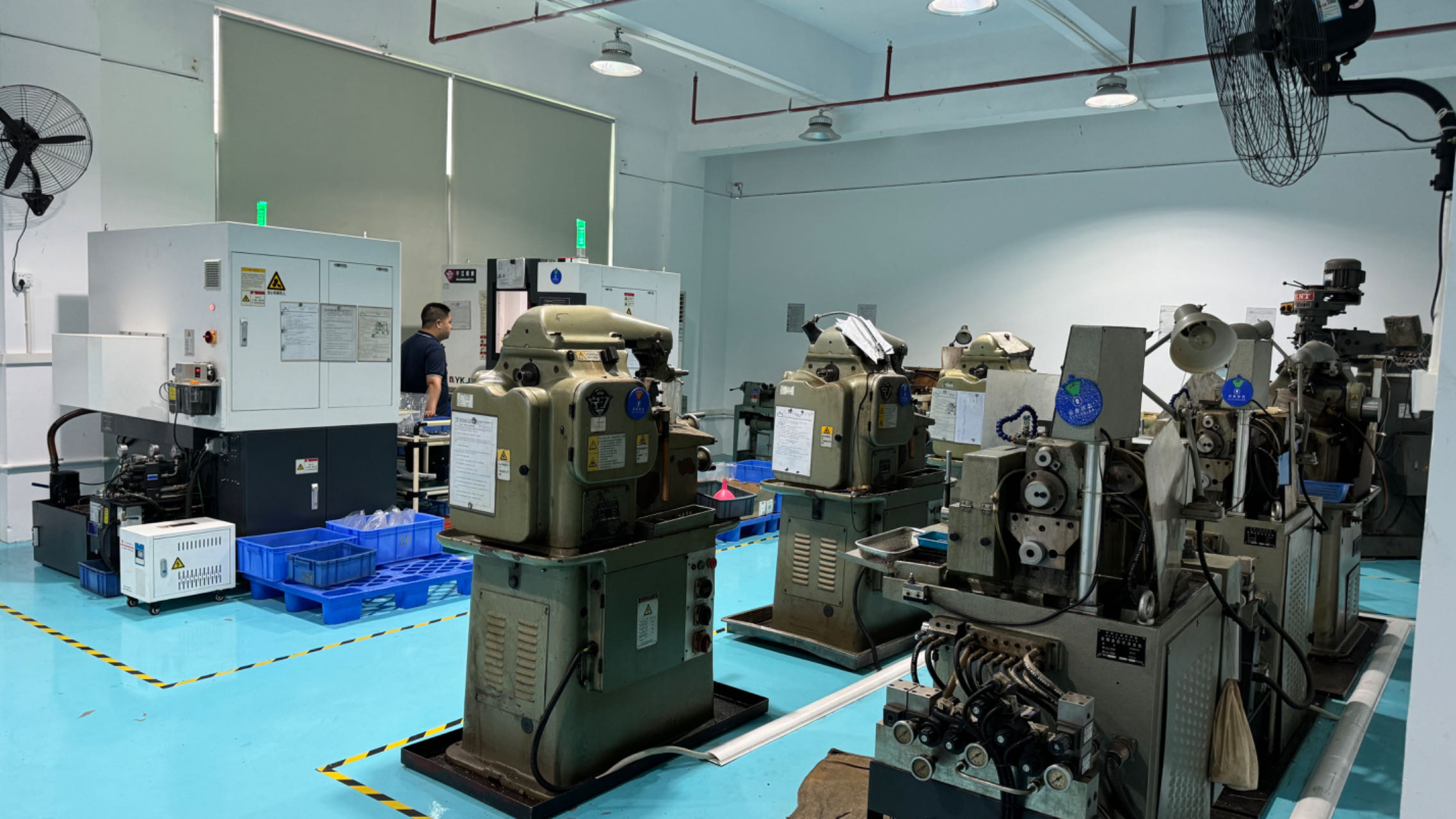
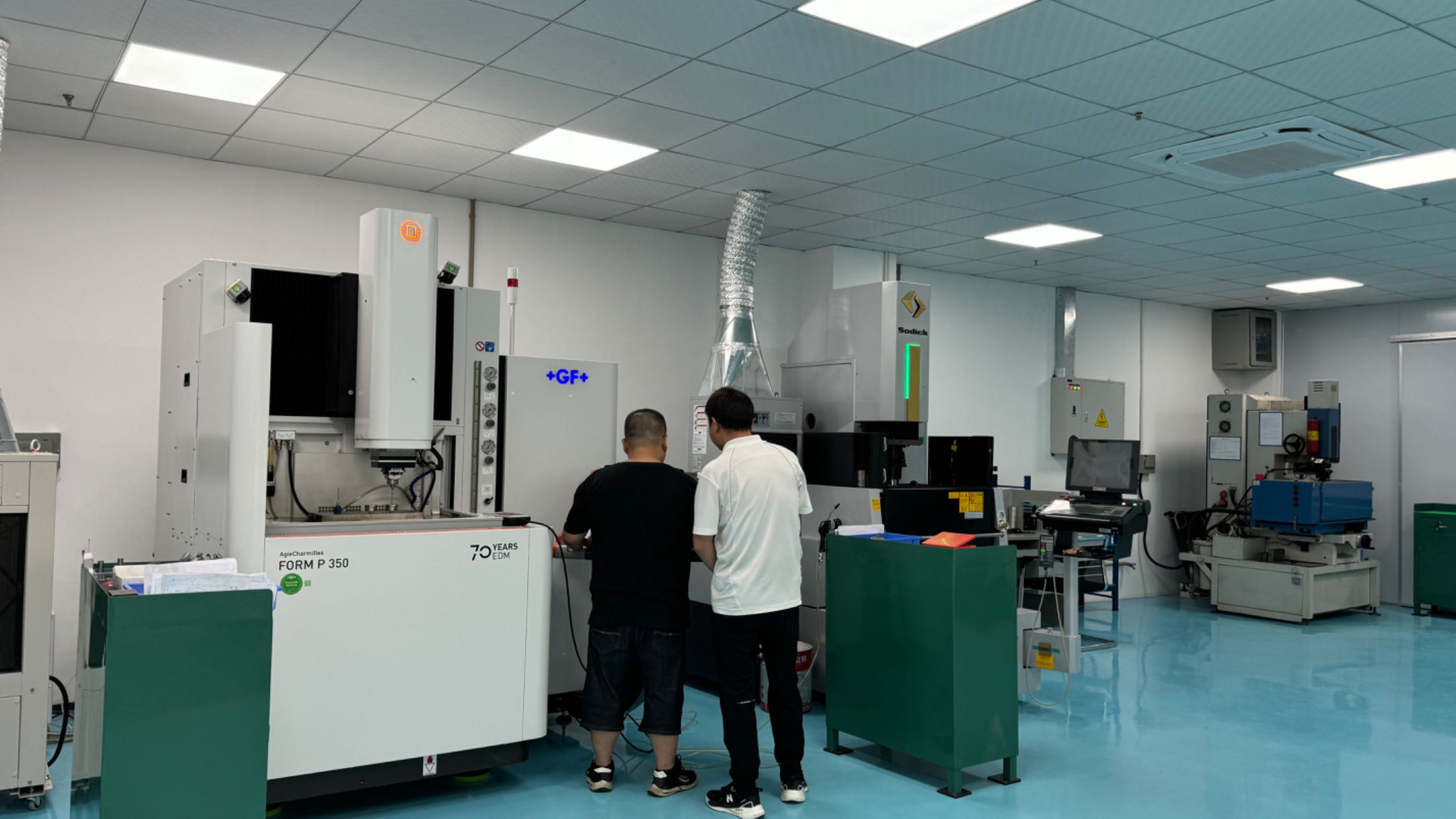
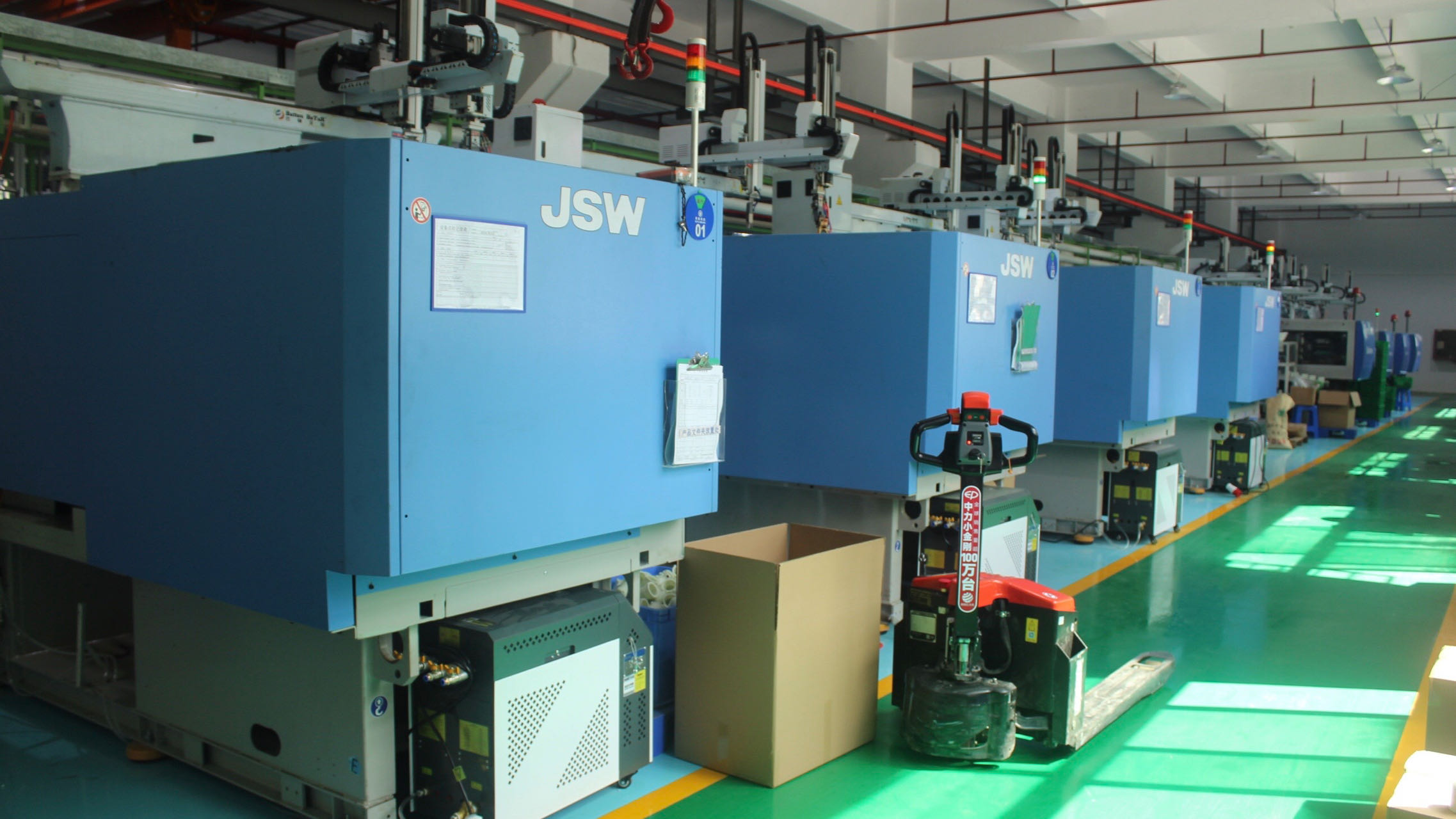
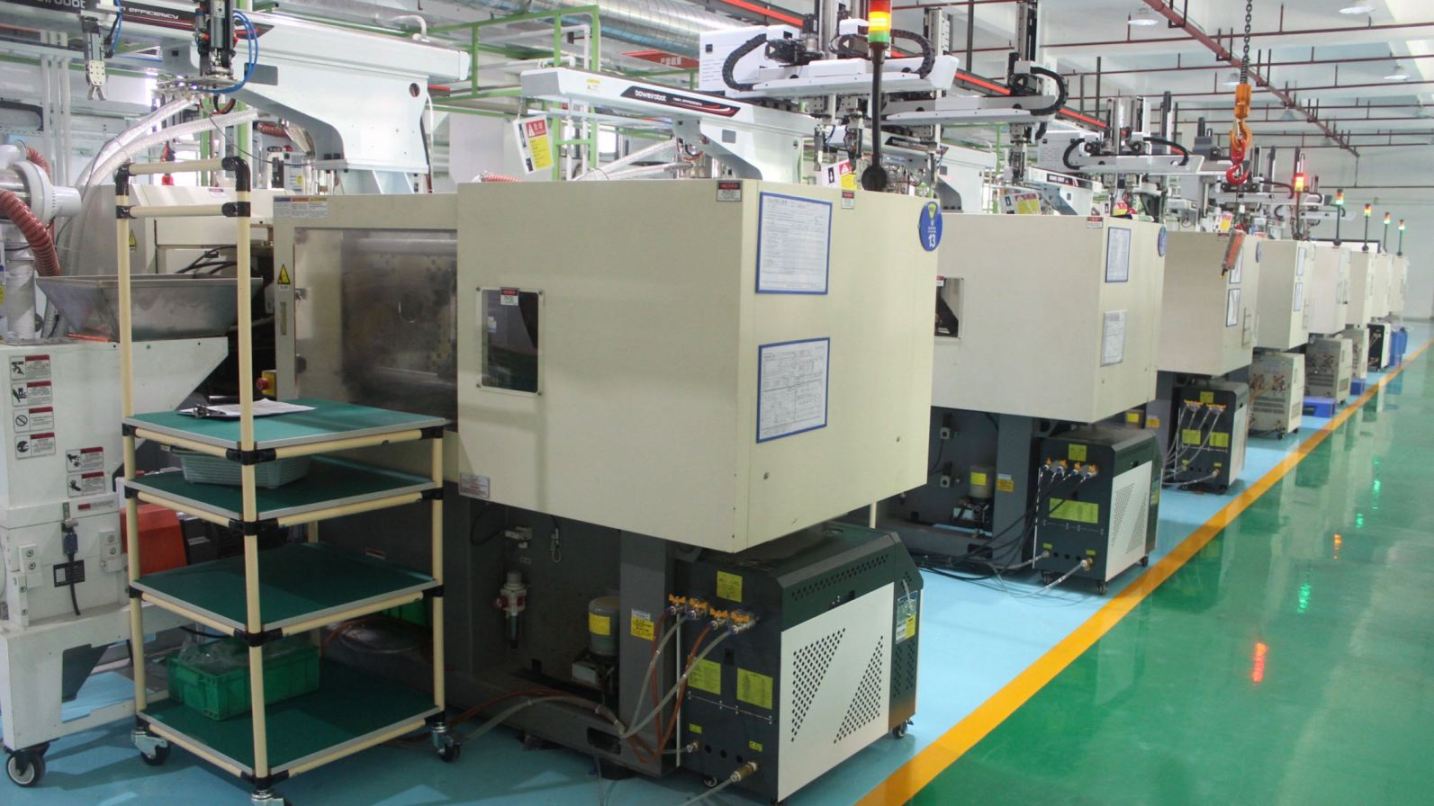
Quality and reliability require advanced engineering facilities. At Luv Motors, we operate a vertically integrated production plant. This setup allows us to manage manufacturing variables from design validation to shipping logistics. This transparency provides buyers with clear documentation for vendor audits, qualifying us as a reliable tier-1 partner.
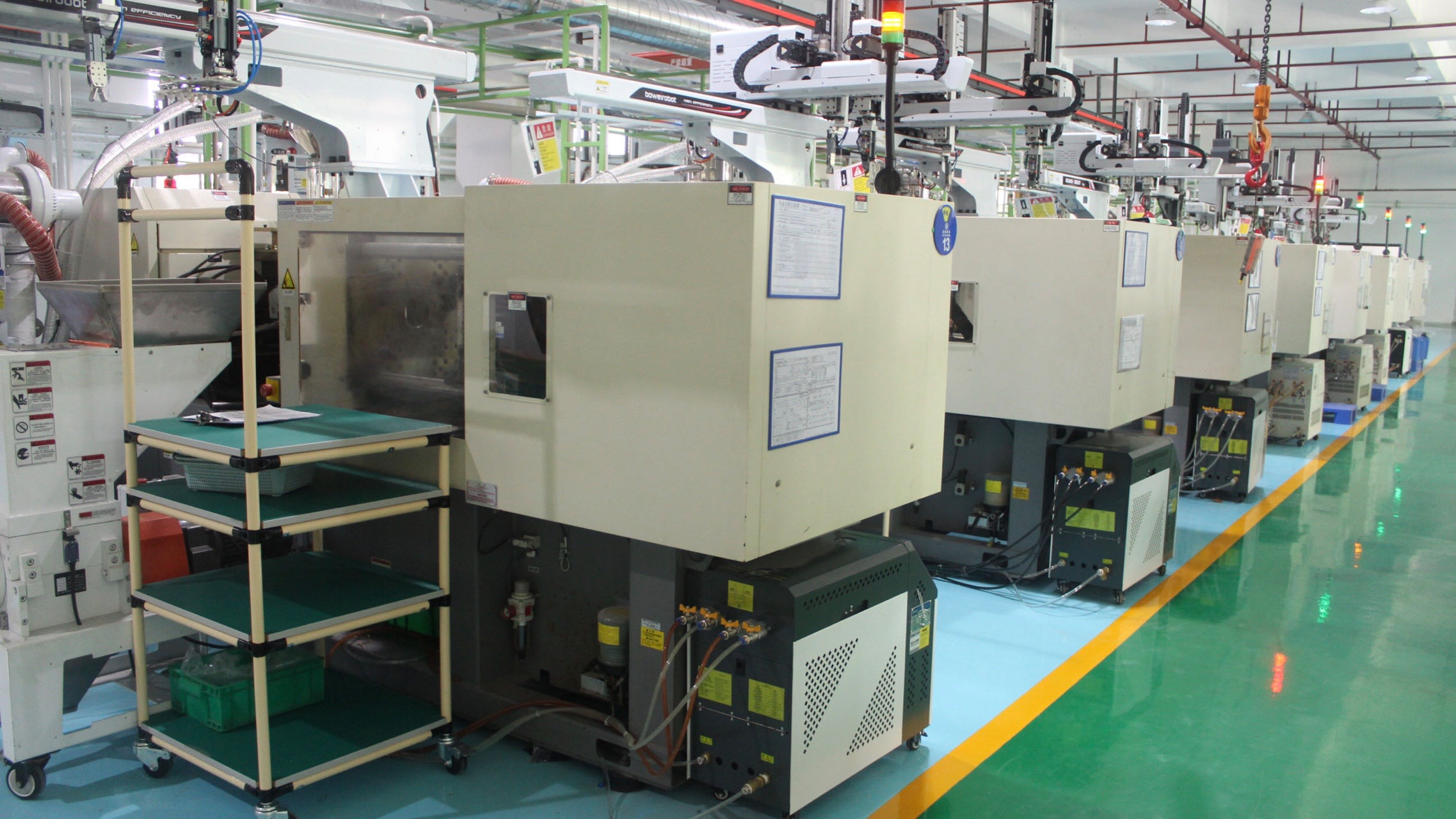
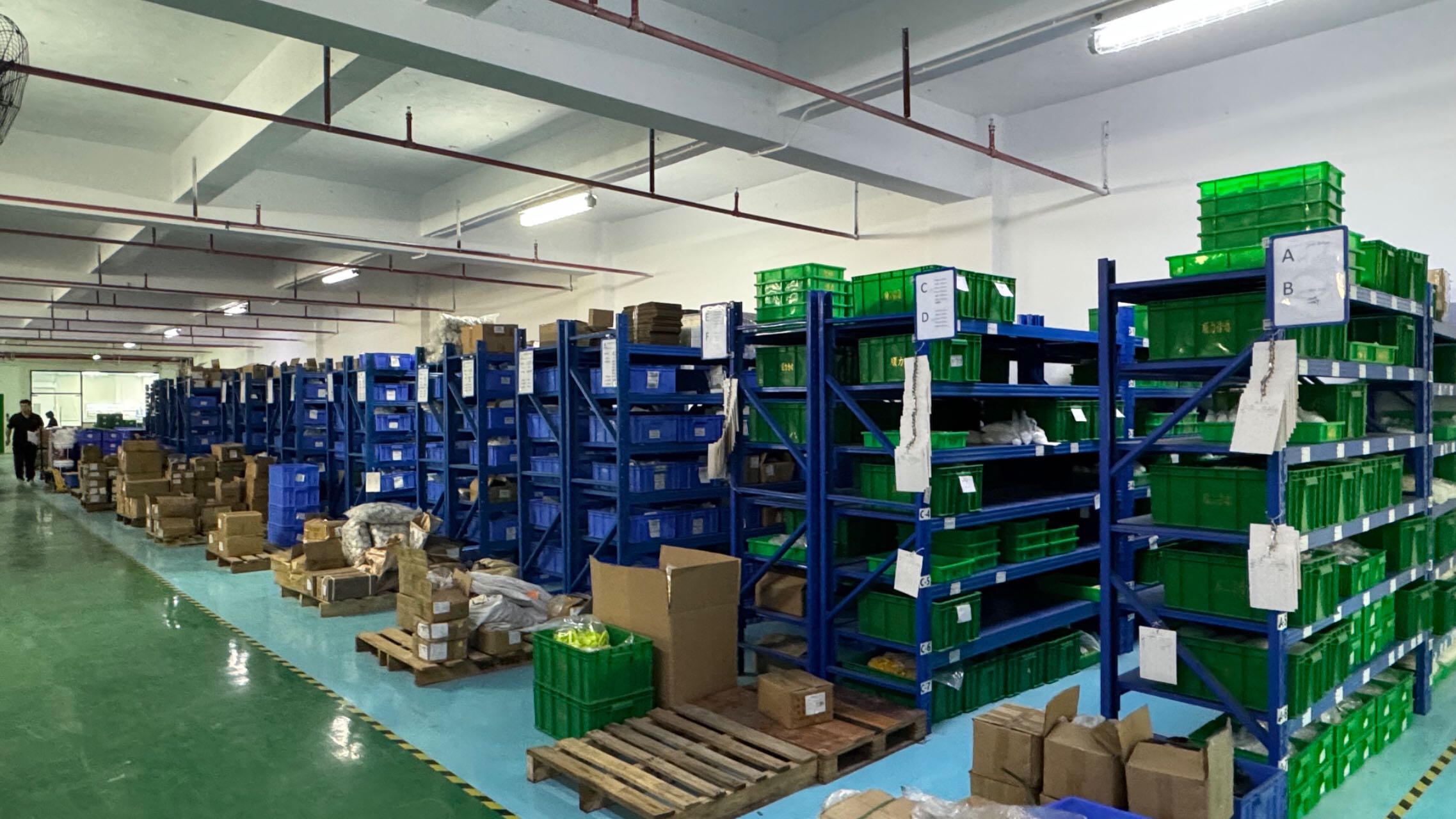
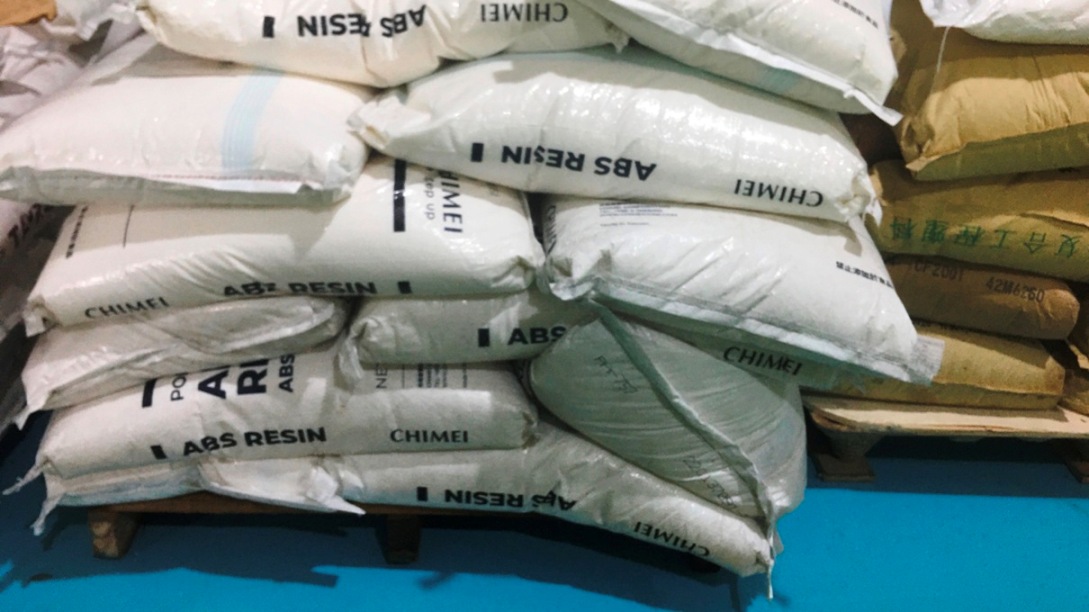
Chemical composition analysis of copper wires, magnetic cores, and high-strength steels to guarantee raw material purity.
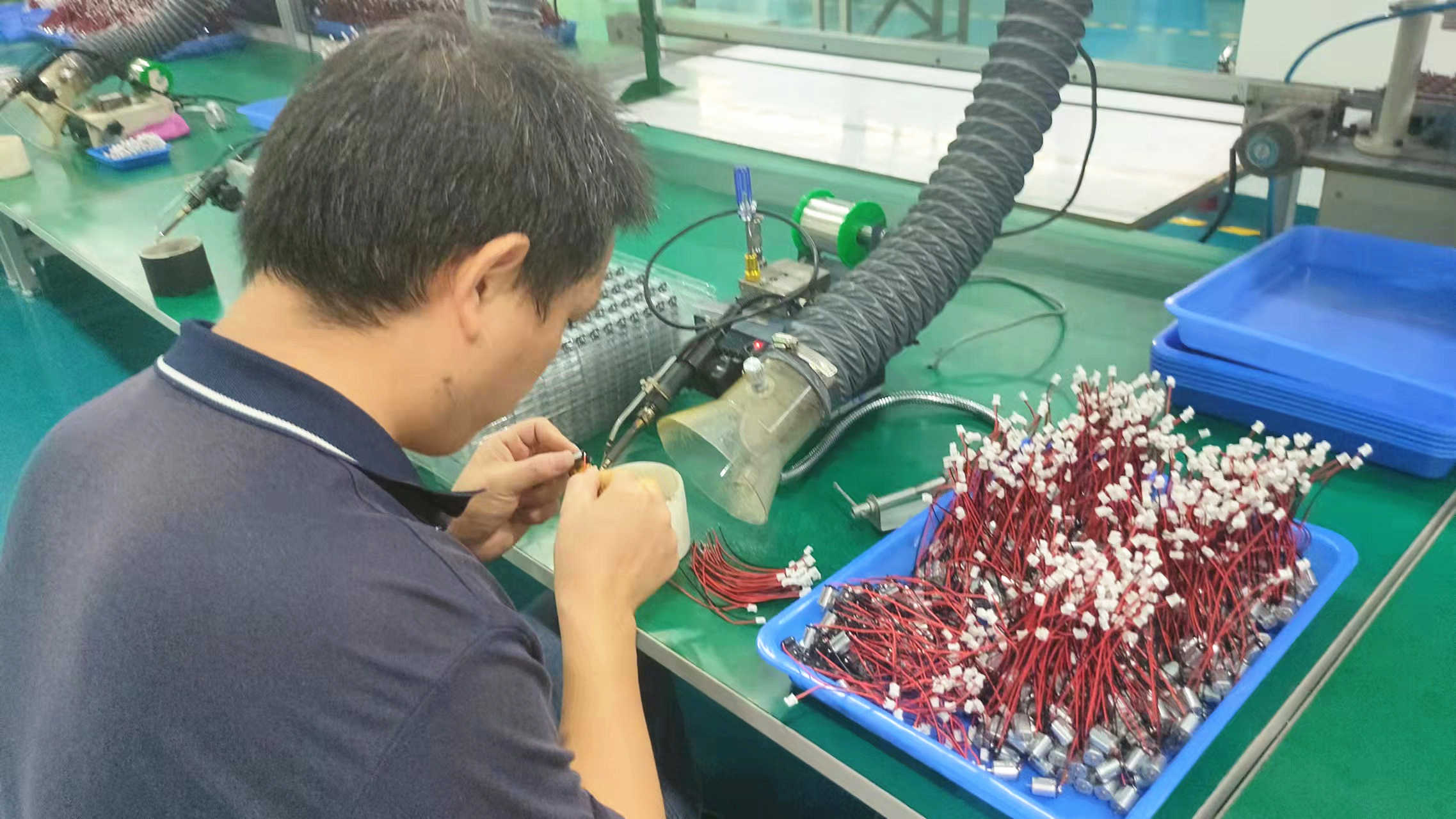
Automated soldering ensures low contact resistance, prevents thermal stress damage, and provides reliable electrical connections.
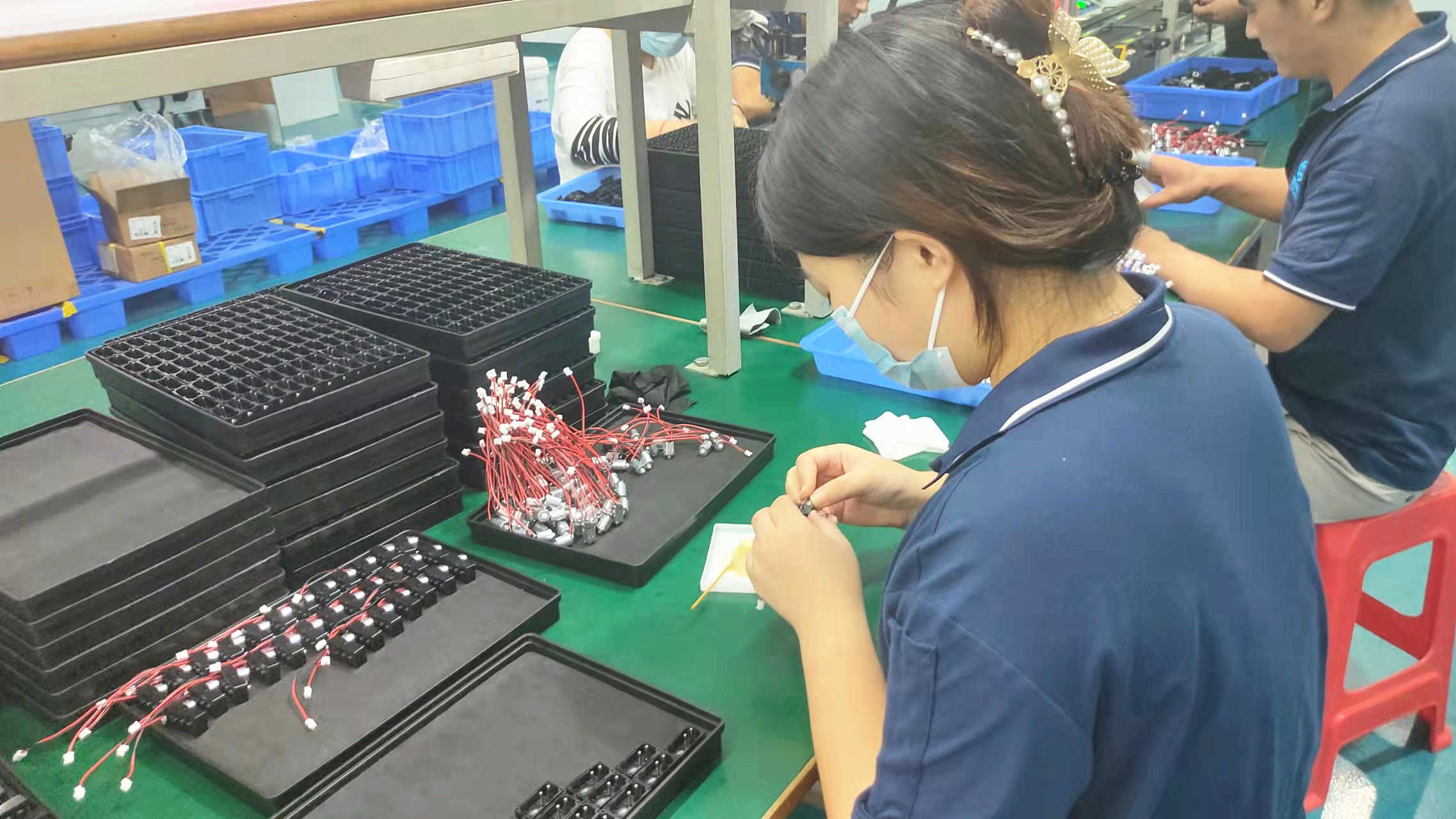
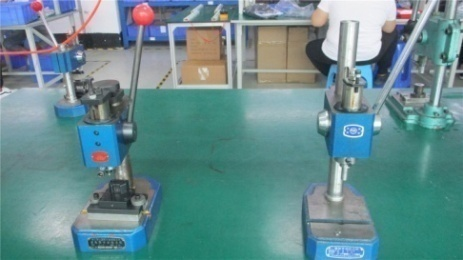
Precision-controlled presses fit shafts, laminations, and bearings. This reduces mechanical runout and helps eliminate motor cogging.
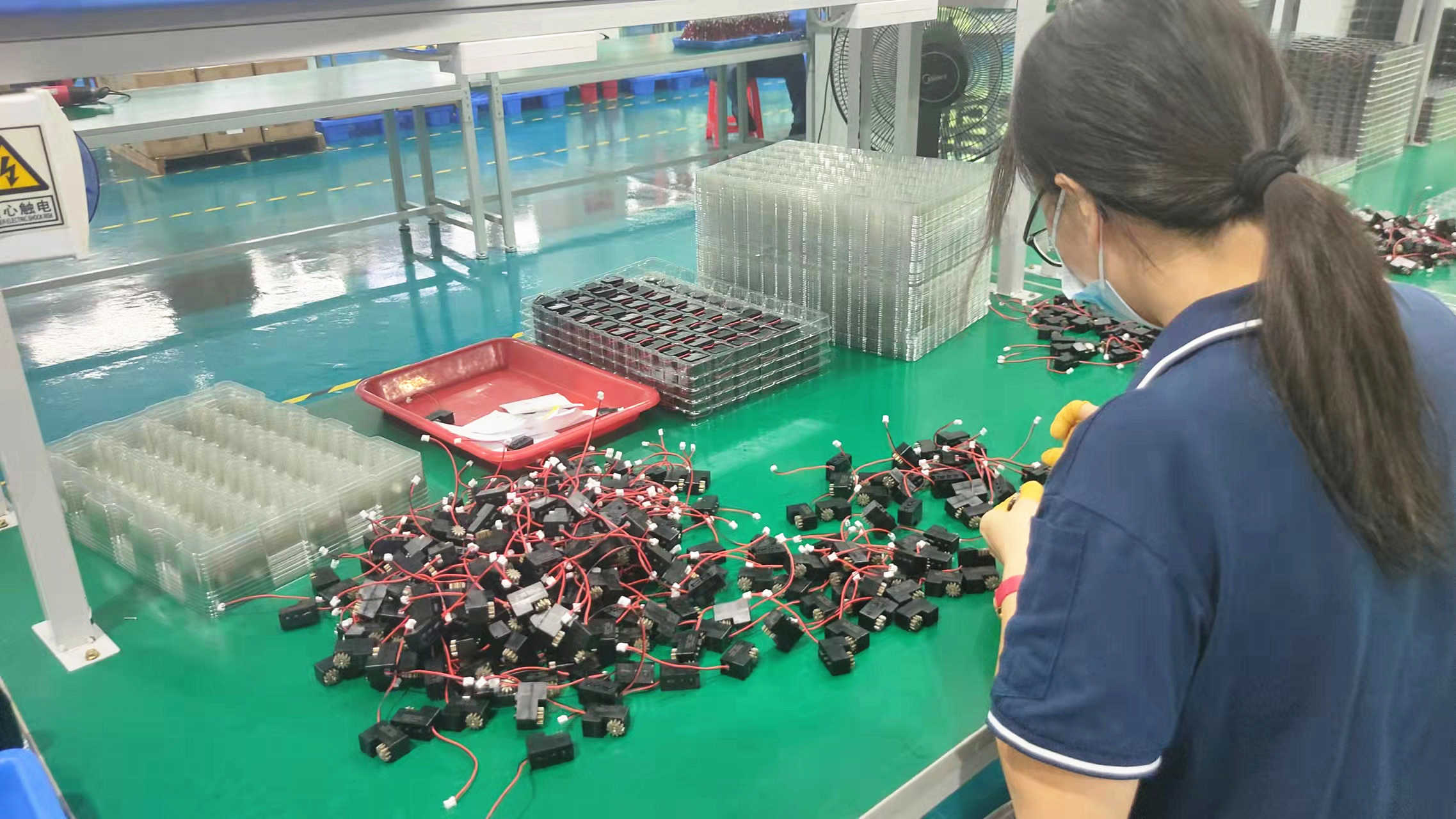
Each unit undergoes load testing to verify speed-torque parameters and dynamic back-EMF profiles before leaving the facility.
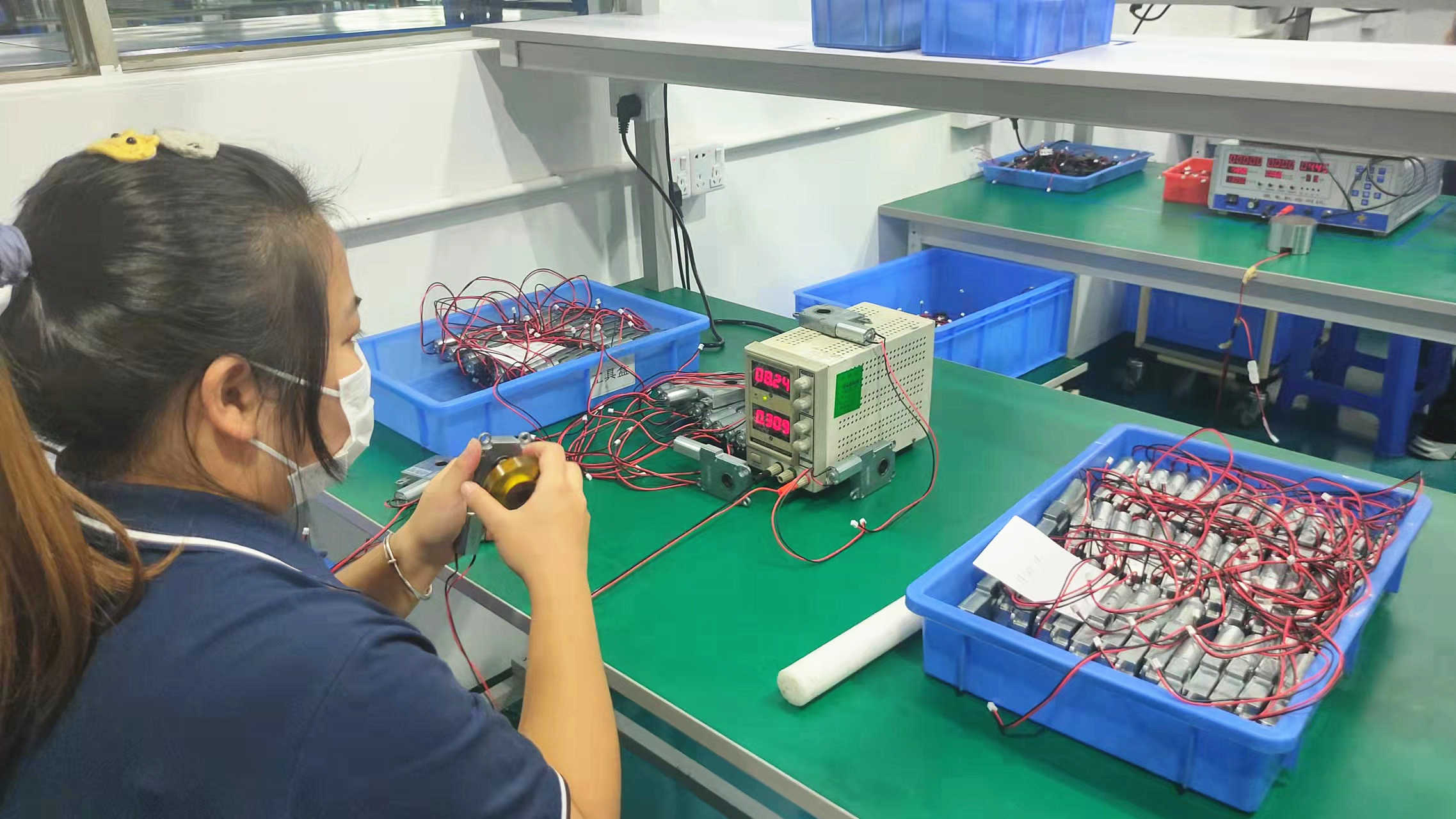
Custom anti-static trays and humidity-controlled outer cartons prevent physical damage or oxidation during sea and air transit.
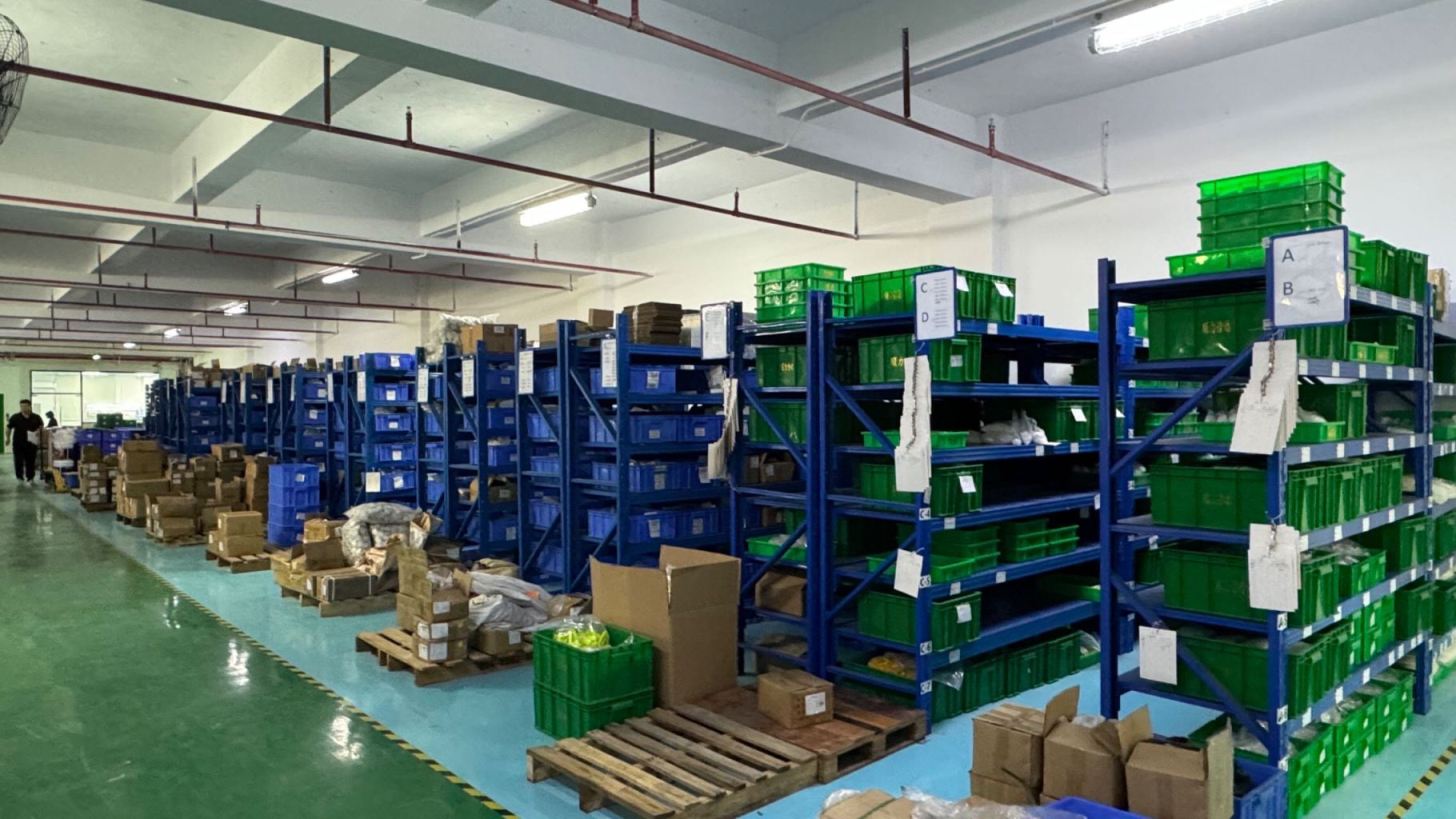
Finished goods are stored in temperature- and humidity-controlled zones to prevent component degradation before shipping.
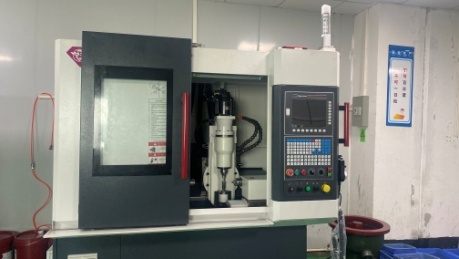
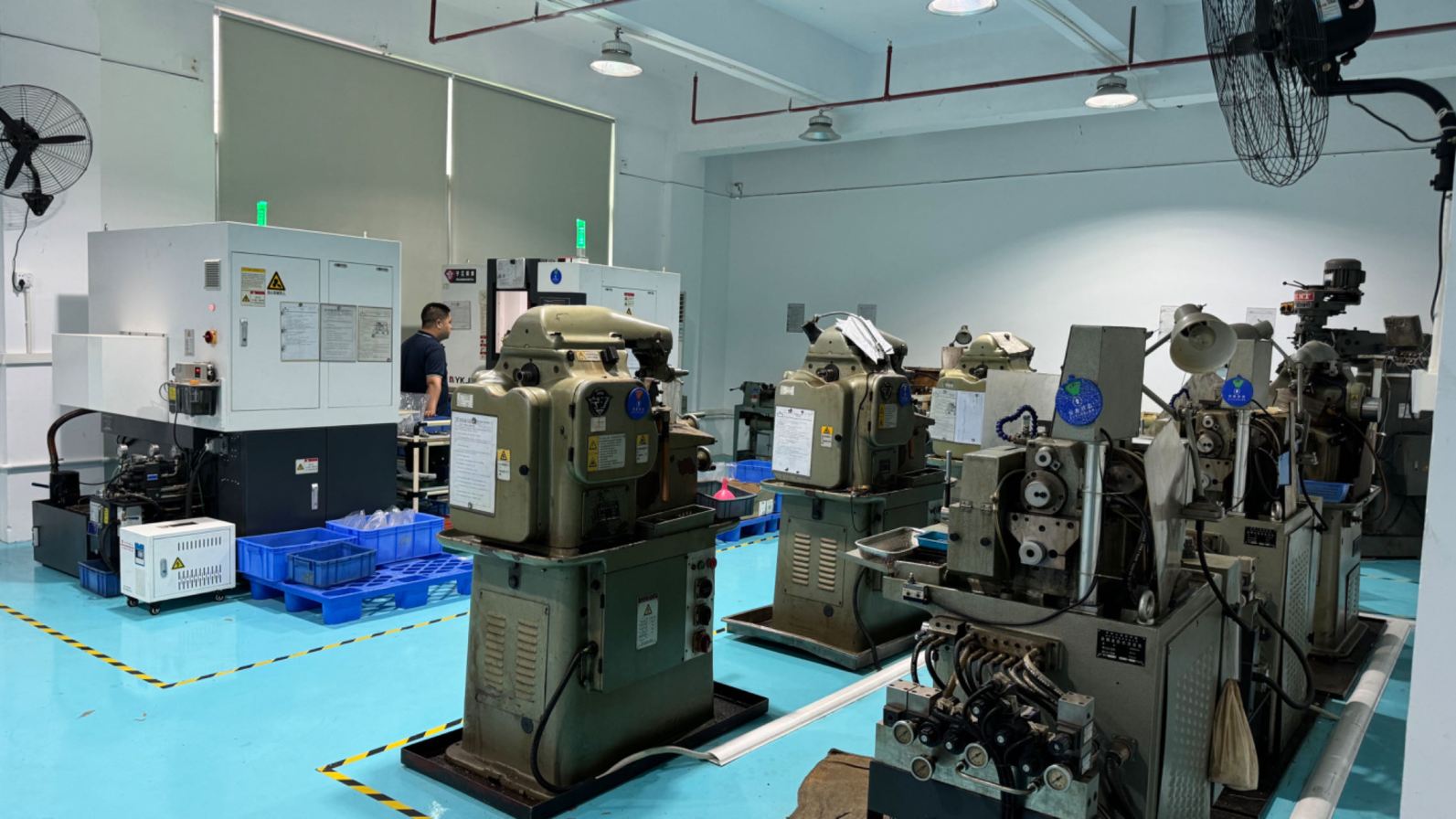
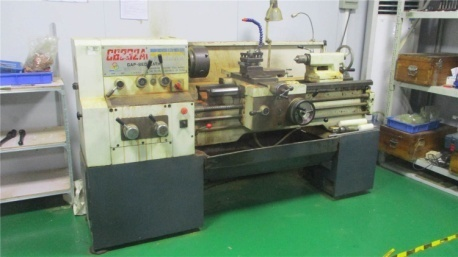
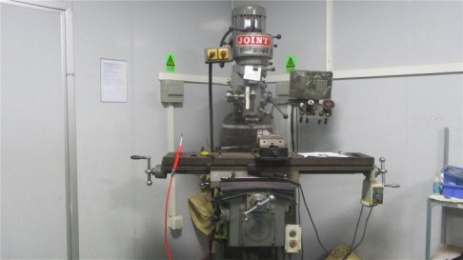
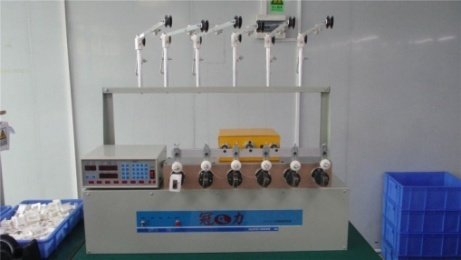
To achieve the micrometer-level tolerances required for 3D printer extruders and linear actuators, our tooling shop features advanced CNC machines, automatic windings, and gear hobbing equipment. This setup ensures concentricity, low cogging torque, and smooth step movement.
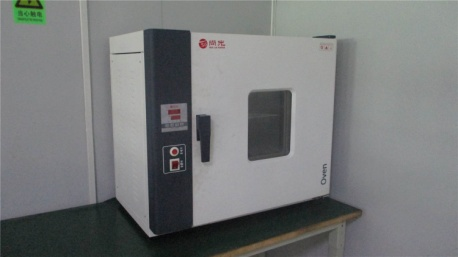
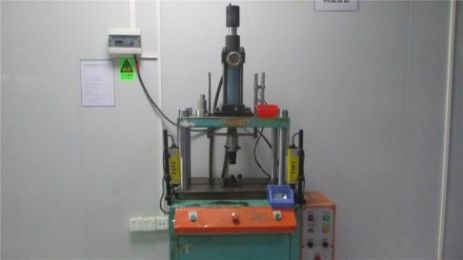
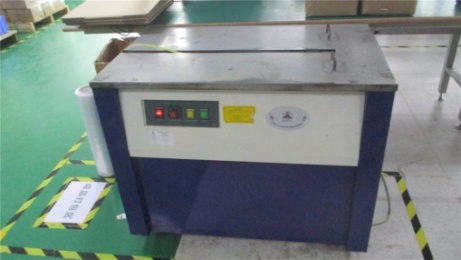
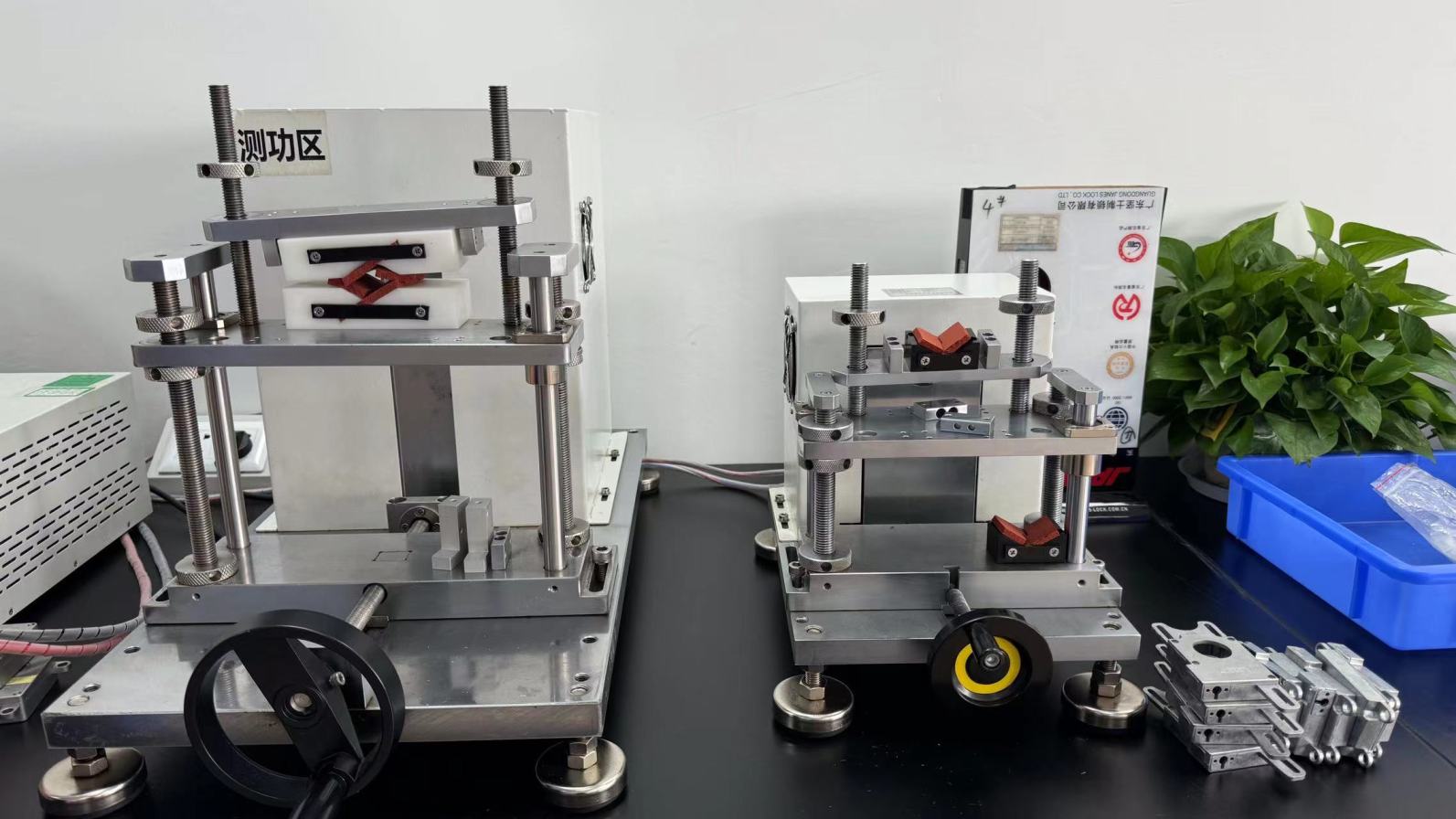
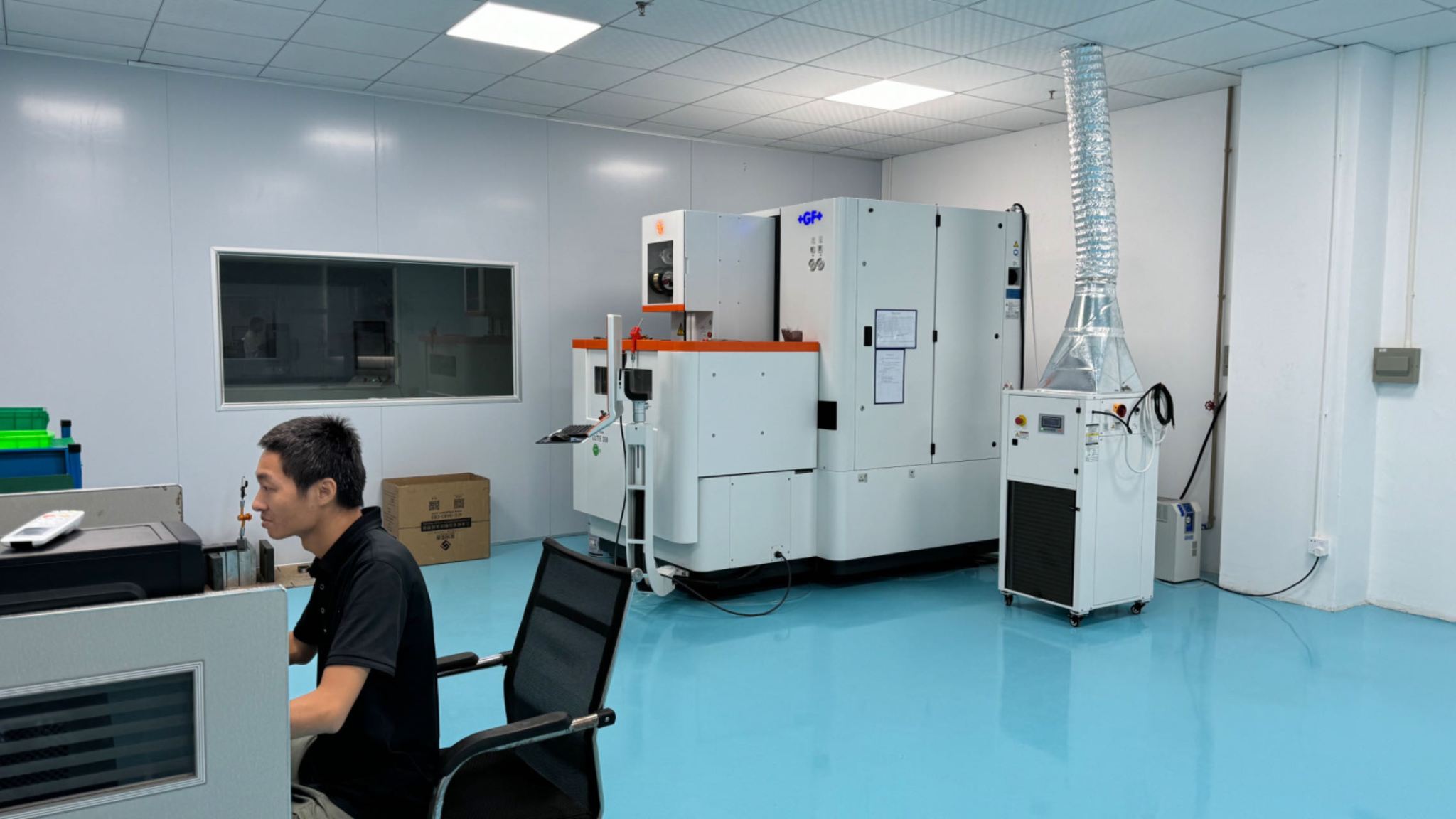
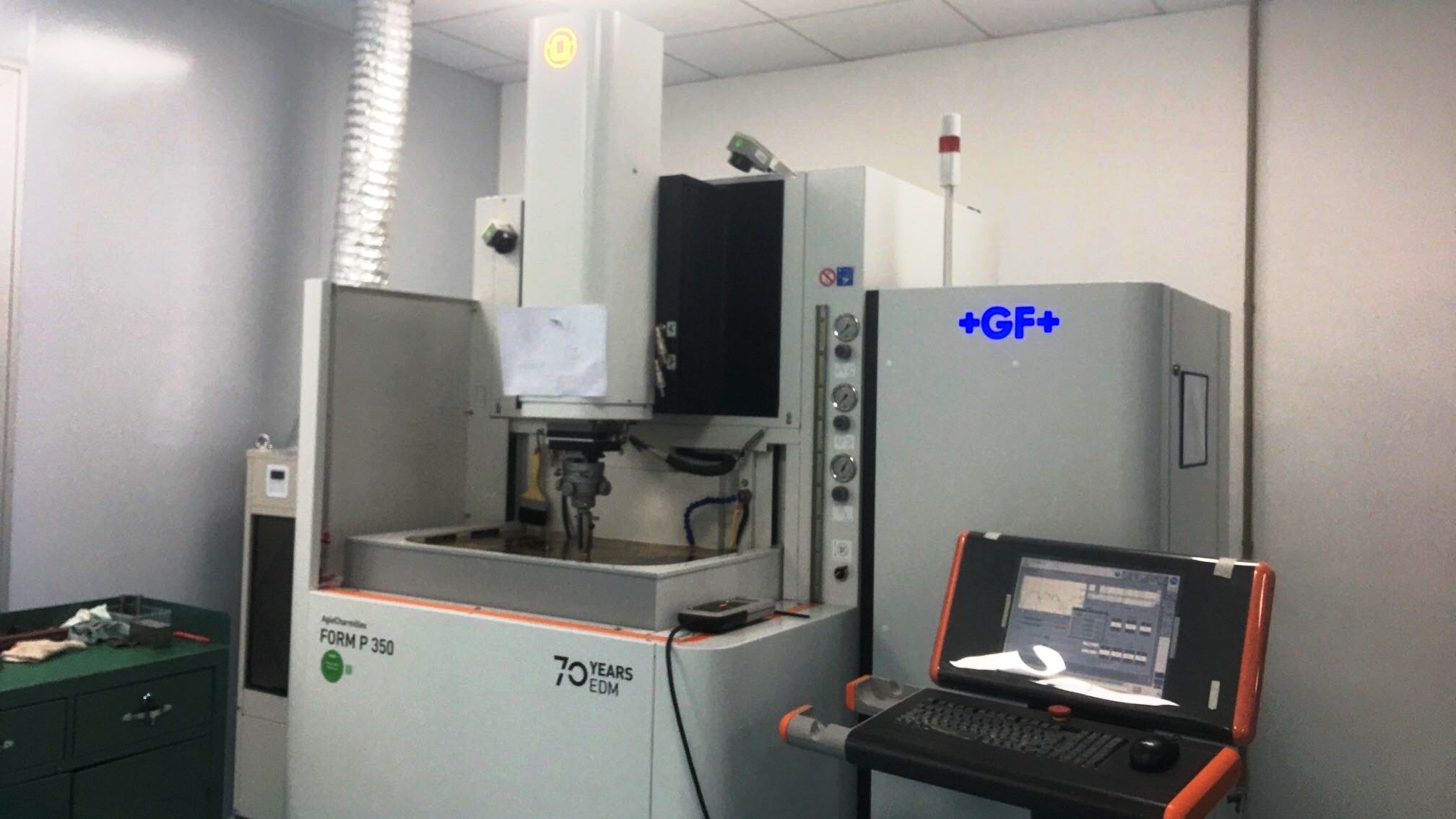
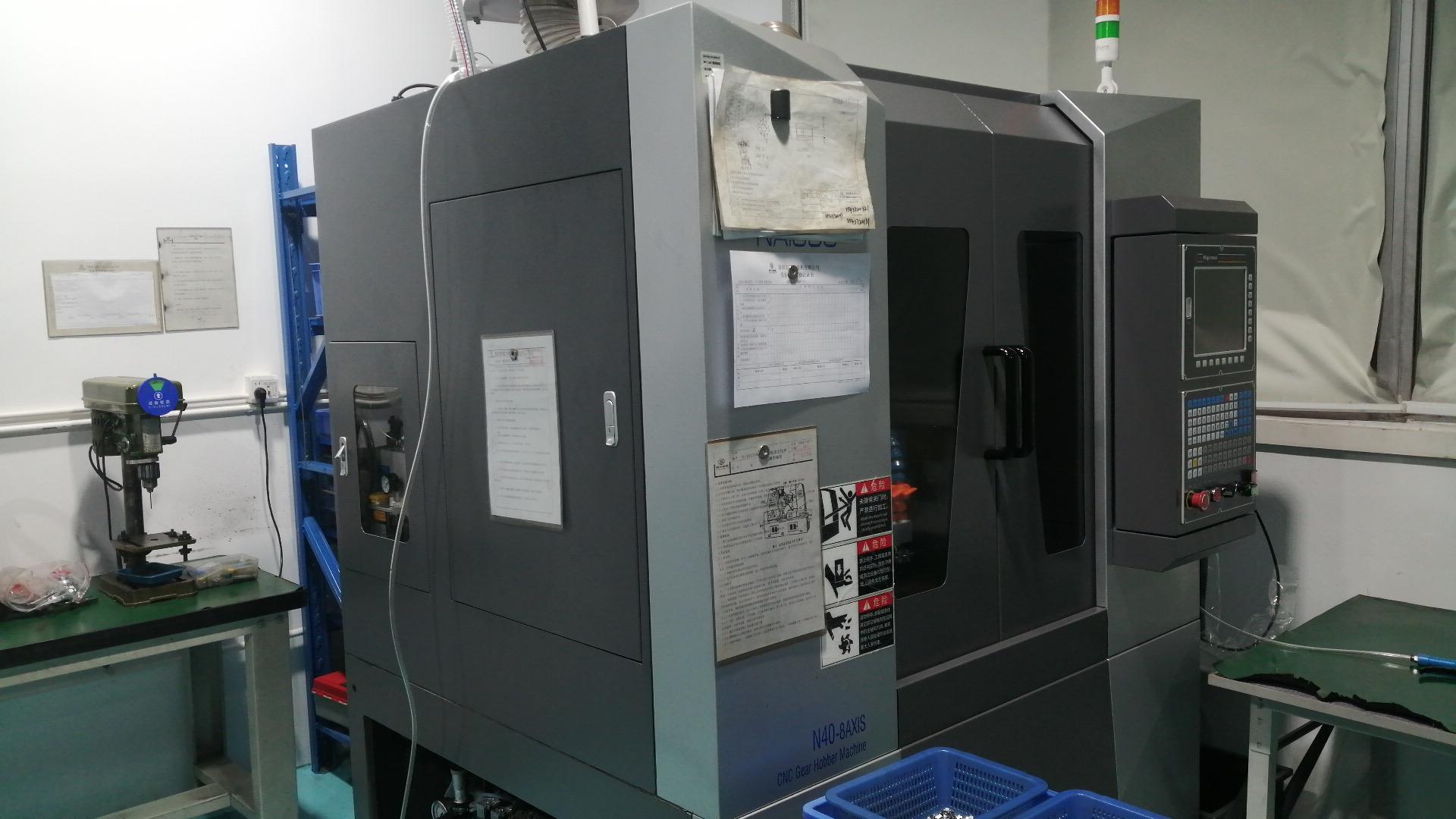
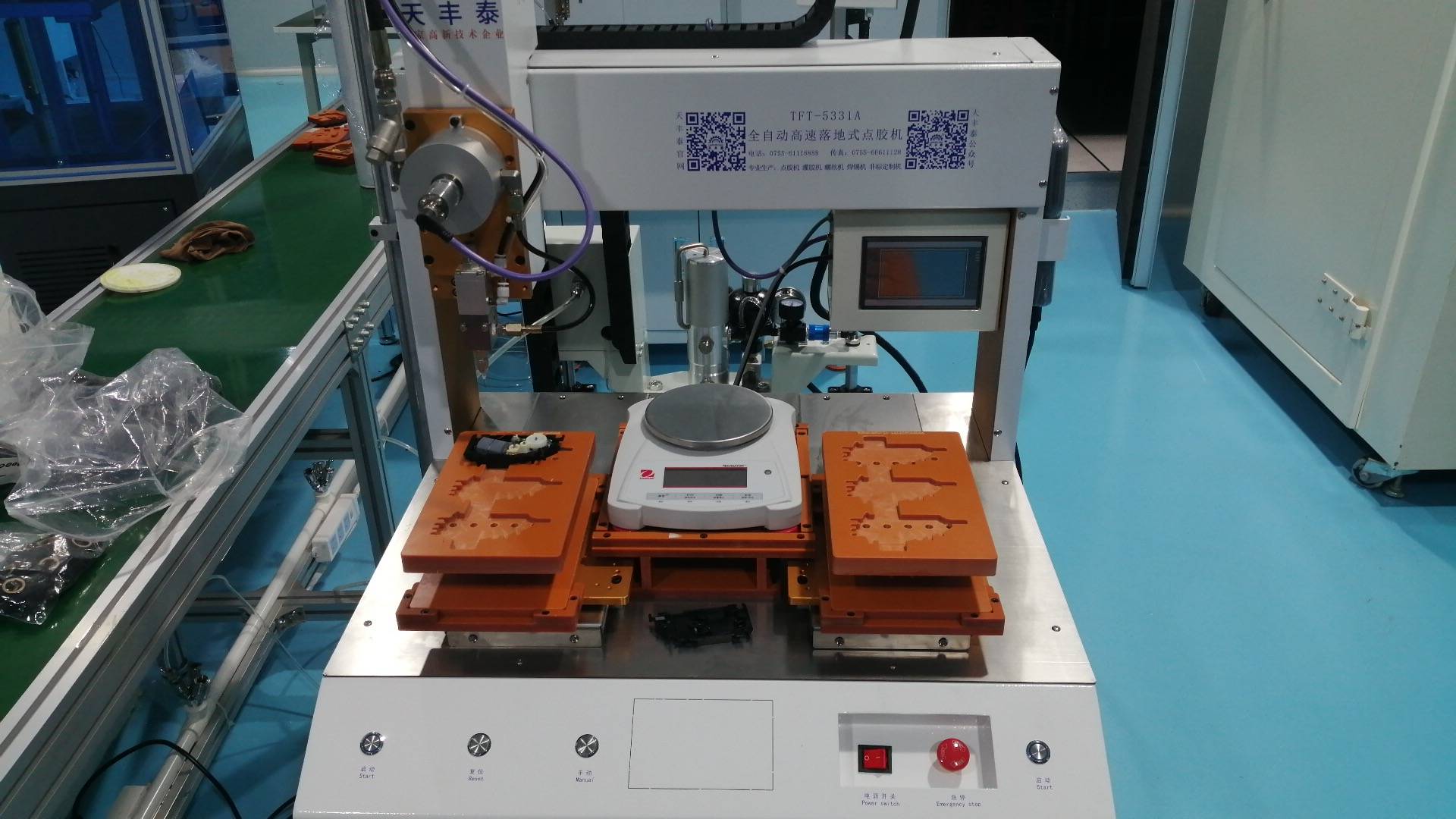
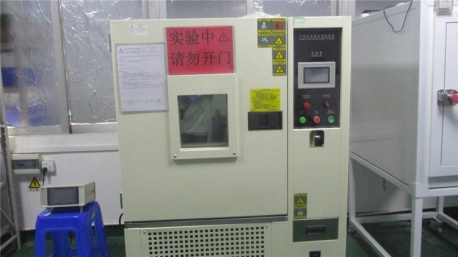
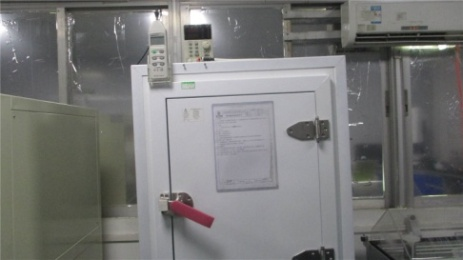
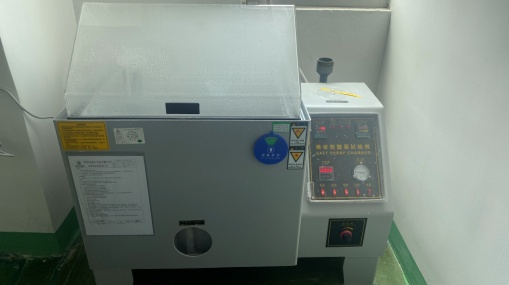
To verify that each custom batch meets CE standards and environmental requirements (such as damp heat, vibration, and saline atmosphere protection), our quality control lab operates testing equipment. These systems support our engineering reports with empirical data.
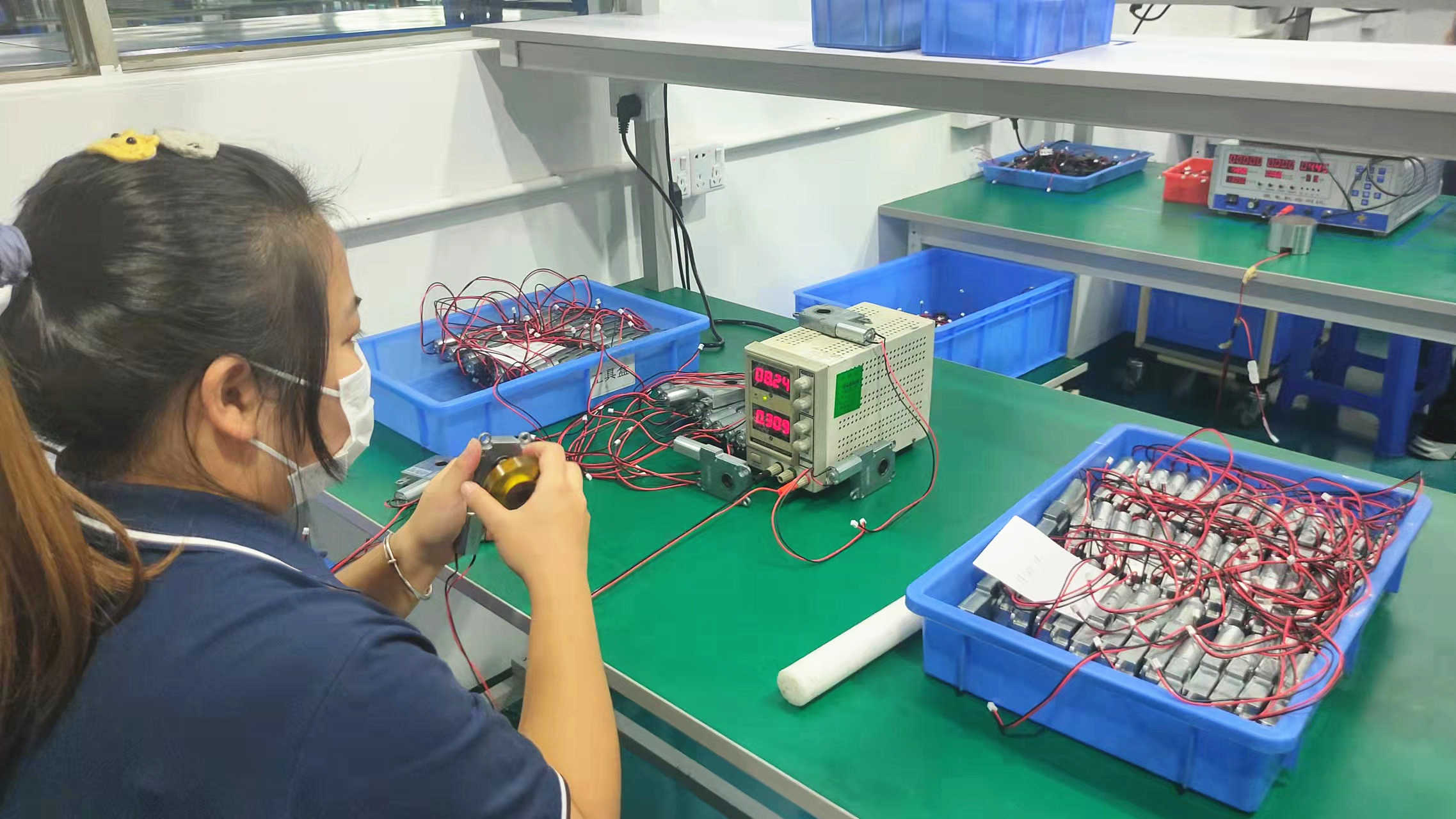
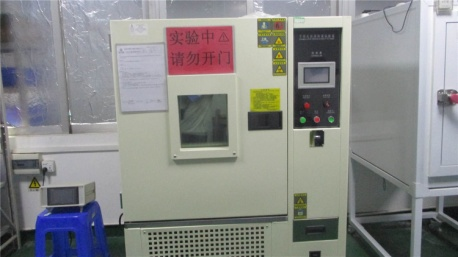
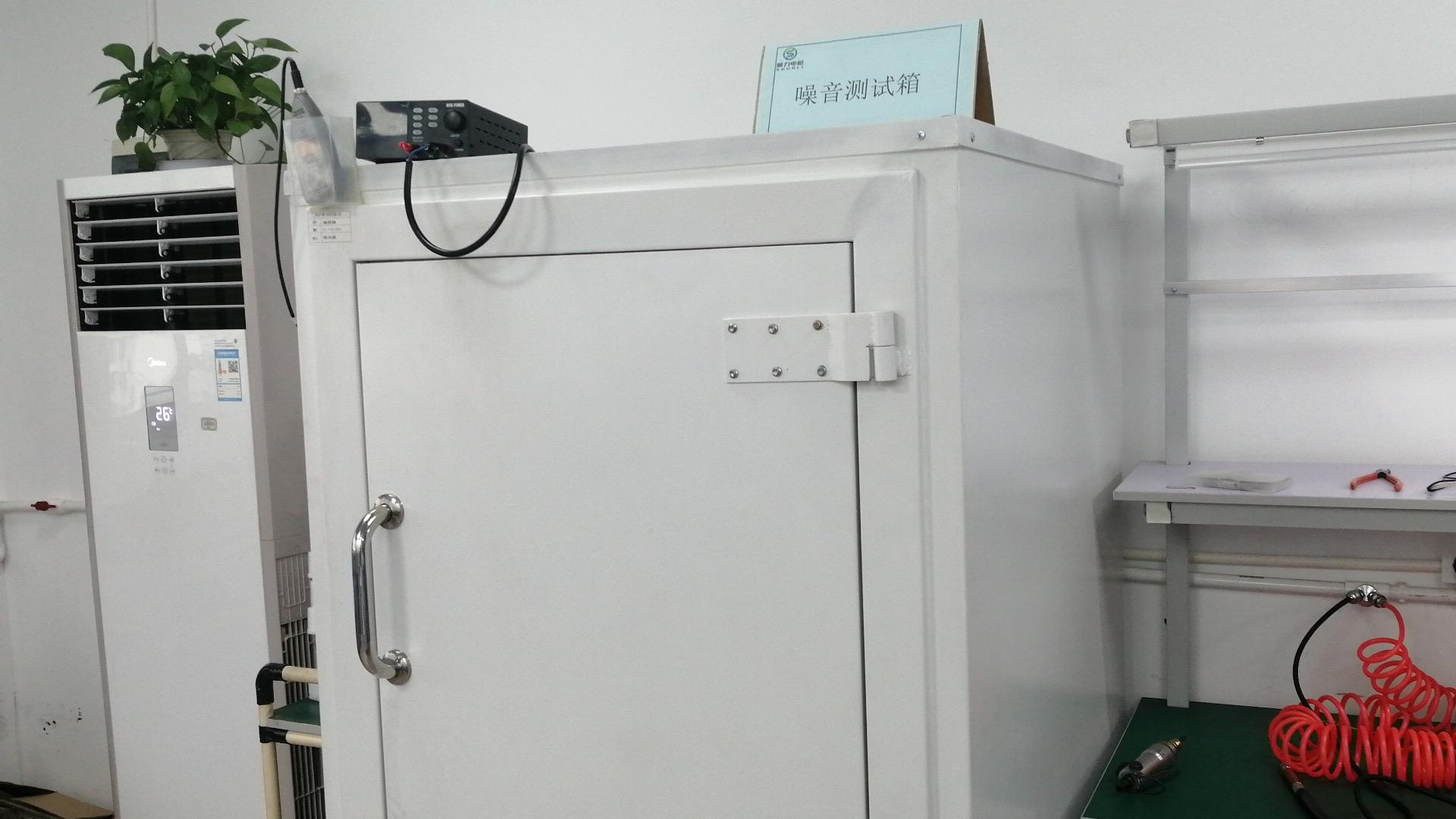
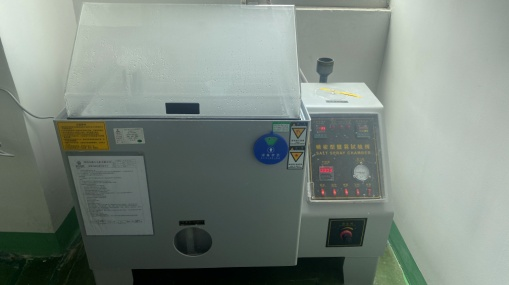
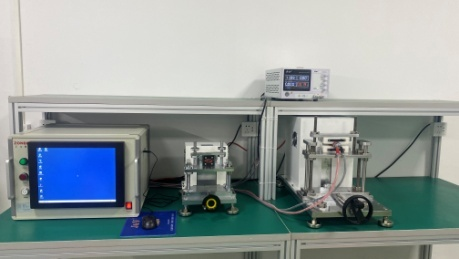
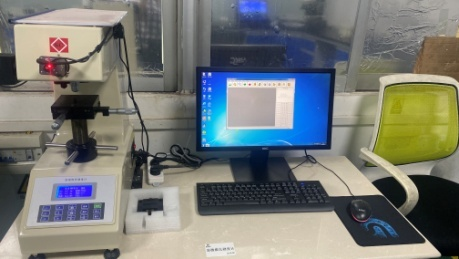
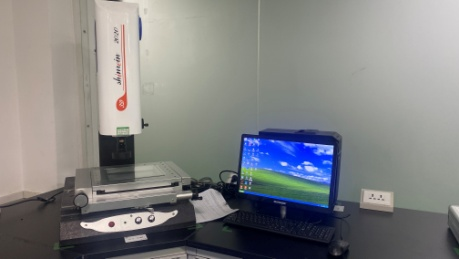
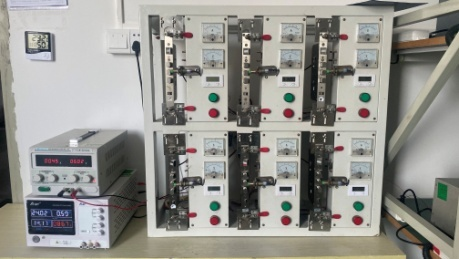
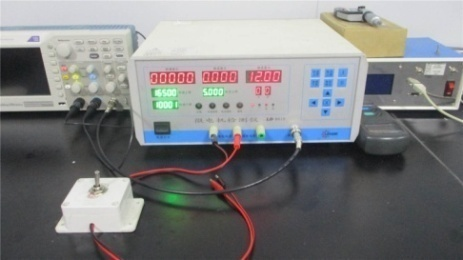
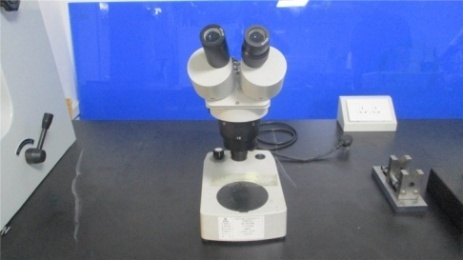
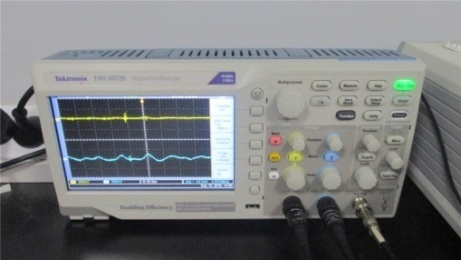
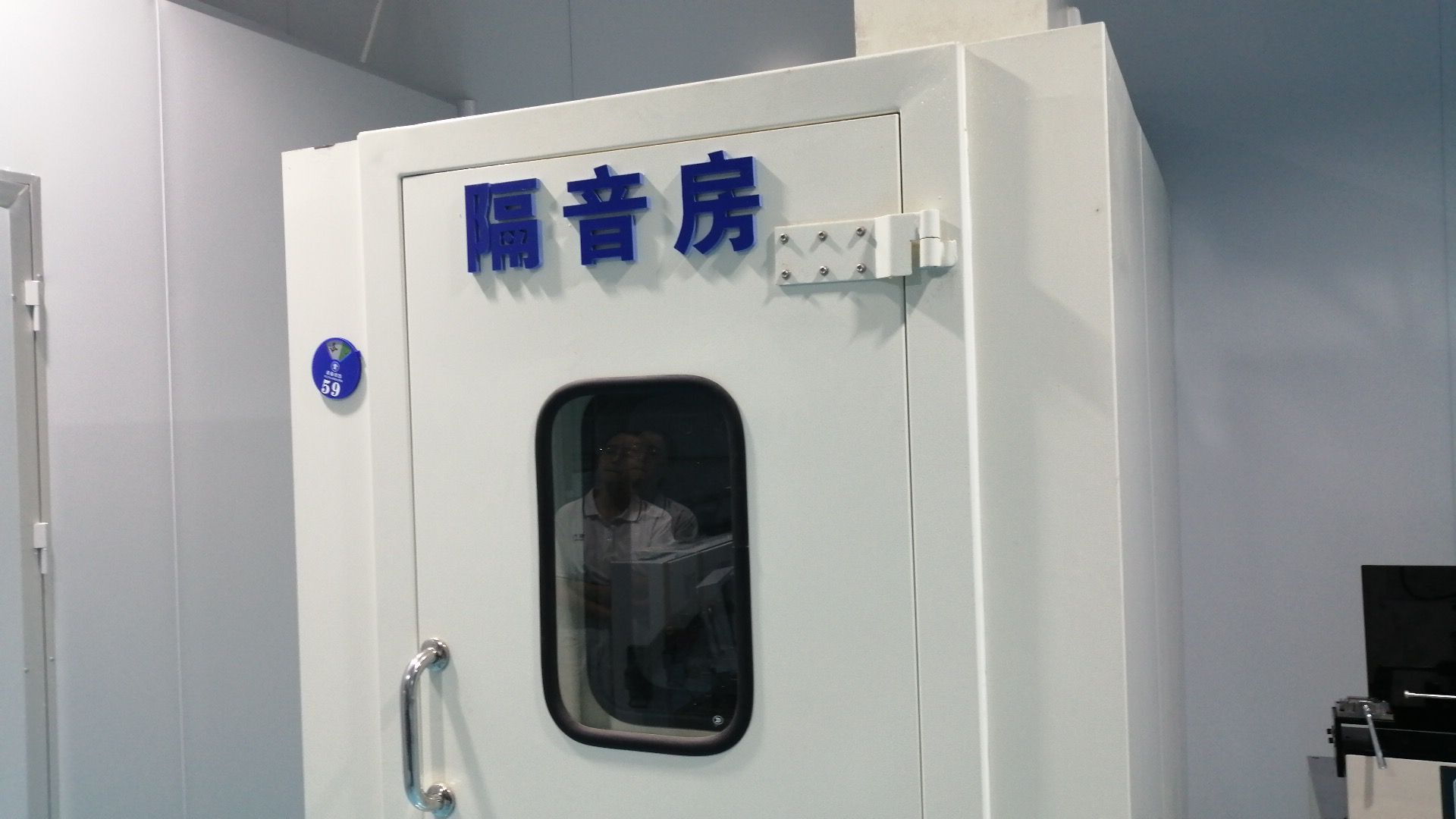
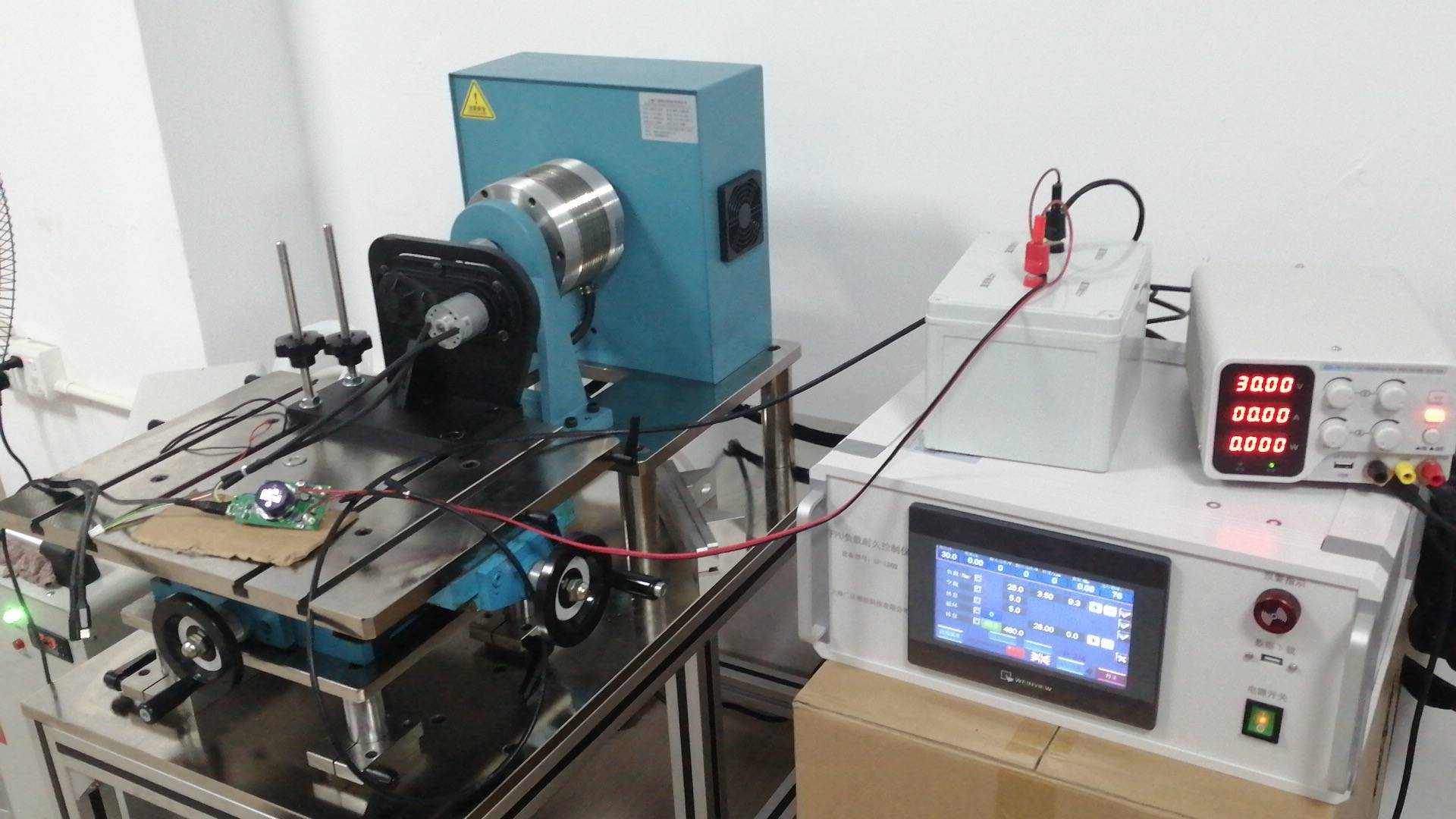
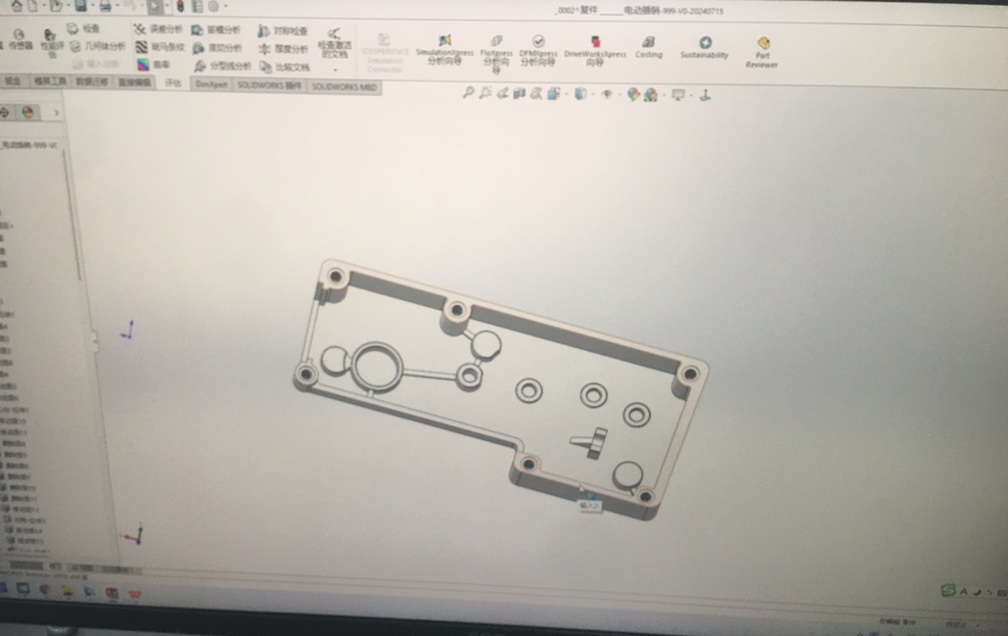
Before launching a custom motor model, our engineering division builds prototypes and conducts functional testing. This validation stage confirms that custom electrical configurations will perform reliably under varying operational loads.
In high-speed 3D printing, motors are the primary source of positioning errors. Minor variations in rotor inertia, mechanical play, or torque ripples can cause visible artifacts like "ringing" or "ghosting" on the printed part. Resolving these issues requires understanding the physical interactions within the system.
In Direct Drive Extruders, the motor is mounted directly on the toolhead. This setup demands a balance between motor weight and torque density. Excessive weight increases carriage inertia, requiring larger acceleration currents and causing structural vibrations. Using compact, high-torque planetary geared DC motors or specialized pancake stepper motors helps reduce moving mass while maintaining the torque needed for high-viscosity filament extrusion.
Cogging torque arises from the magnetic attraction between the rotor magnets and the stator teeth. During low-speed extrusions, cogging can cause slight velocity changes, leading to uneven extrusion widths. We address this at Luv Motors by optimizing rotor laminations and skewing the magnetic poles. This design provides flat torque delivery across the motor's speed range.
Industrial 3D printers often use heated build chambers (ranging from 60°C to over 100°C) to print engineering thermoplastics like PEEK, PEI, and Polycarbonate. Standard motors can overheat in these conditions, leading to demagnetization of neodymium magnets and degradation of bearing lubricants. Our industrial units feature Class H insulation, high-temperature windings, and synthetic lubricants to ensure reliable operation at elevated temperatures.
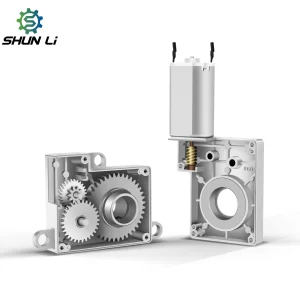
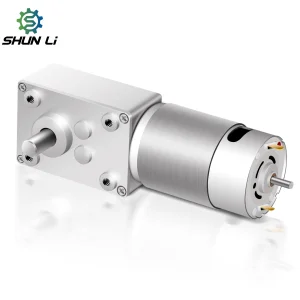
High-torque applications like powder bed deposition in SLS printers benefit from integrated gearboxes. Worm gears provide high reduction ratios and self-locking capabilities, preventing axis movement when powered down. Planetary gearboxes offer high torque density and efficiency, making them suitable for compact multi-axis printing arms.
Exporting industrial machinery to Europe and North America requires strict compliance with international safety and performance standards. Luv Motors maintains a range of certifications to ensure our products are ready for global markets:
As 3D printing speeds increase toward 1000 mm/s, traditional open-loop stepper motors face limitations. Luv Motors is developing new drive configurations to meet these changing industry demands:
Our upcoming product lines feature integrated magnetic encoders. This design allows real-time position correction, prevents skipped steps during high-acceleration moves, and reduces overall energy consumption by dynamically adjusting drive currents.
We are expanding our BLDC motor range with customized planetary gearboxes. These motors offer high power-to-weight ratios, silent operation, and long service lives, making them suitable for continuous-duty industrial extruders.
We are developing micro drives that support CAN bus and Modbus communication protocols. This integration enables predictive maintenance by reporting motor health parameters, internal temperatures, and current anomalies directly to the central machine controller.
CE certification indicates that motors comply with EU safety, health, and environmental standards. For 3D printers sold in Europe, compliance with the EMC Directive (minimizing electrical noise) and Low Voltage Directive (ensuring insulation safety) is required to pass customs and minimize product liability.
We use Class H copper windings (rated to 180°C), rare-earth magnets with high thermal coercivity, and high-temperature lubricants. This combination allows our motors to operate reliably in heated build chambers without demagnetizing or suffering bearing failure.
Yes. We offer customization options including D-cuts, round shafts, cross-holes, integrated lead screws, custom gear ratios (planetary/worm), and specific wiring connectors (JST, Molex) to fit your mechanical design.
Standard prototype adaptations take 10 to 15 working days. For more complex modifications involving custom gears or specialized castings, R&D validation and sample generation require approximately 20 to 30 days.
Every batch undergoes automated coil testing, dynamic noise auditing in our soundproof chamber, torque-speed profiling using dynamometers, and final dimensional verification. This process helps ensure consistent quality and performance across all shipped units.
 Luv Motors