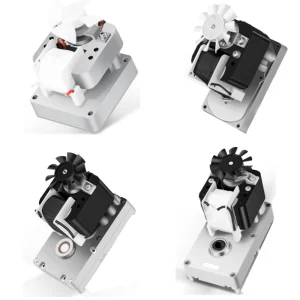
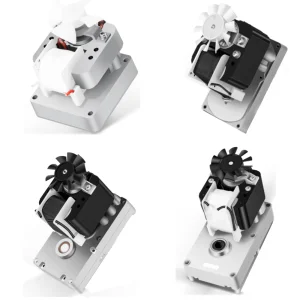
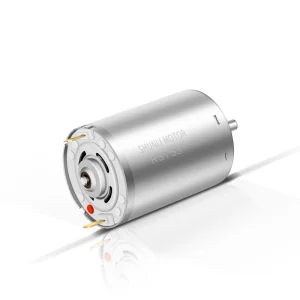
High-torque, low-noise, and engineered drive solutions directly from certified smart manufacturing facilities.
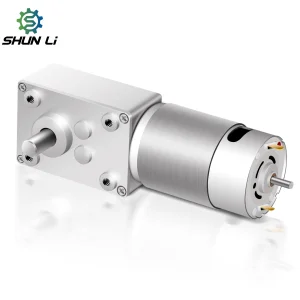
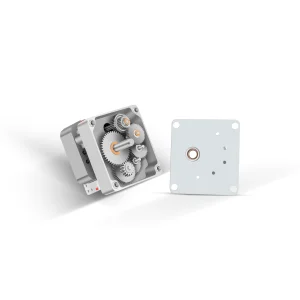
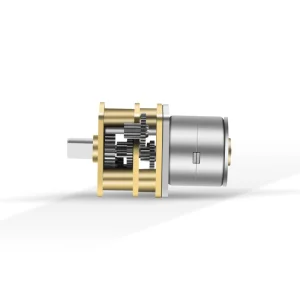
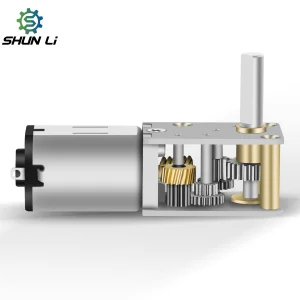
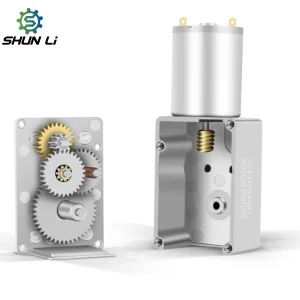
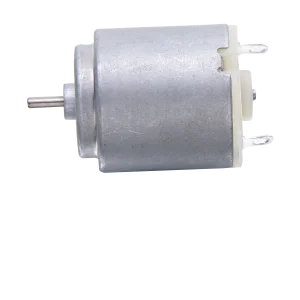
AC Shaded pole gear motors represent the foundational workhorses of sub-fractional horsepower mechanical actuation. Known for their extreme durability, simplified design, and cost efficiency, these asynchronous single-phase AC motors utilize a unique auxiliary winding—a copper loop or "shading ring"—to create a phase-shifted magnetic field capable of initiating rotor rotation.
In modern commercial applications ranging from industrial baking ovens and pellet stoves to commercial vending machines and medical pumps, the performance of the gear motor determines the uptime of the entire system. System integrators, mechanical engineers, and global procurement managers must look beyond superficial pricing models and prioritize deep engineering standards, material purity, thermal management systems, and specialized gearbox engineering to secure a resilient, high-efficiency system.
The mechanical power output, efficiency, thermal sustainability, and acoustic signatures of an AC shaded pole motor depend directly on its material selection and manufacturing precision.
Low-grade steel laminations generate excessive eddy current losses, leading to overheating and premature stator failure. Premium factories utilize high-density, cold-rolled non-oriented silicon steel sheets (specifically grades like 50W470 or 50W600). These laminations undergo precision stamping and automated annealing to minimize core hysteresis loss, maximizing magnetic flux density and improving total efficiency by up to 15%.
Using 100% pure electrolytic copper wire with Class H (180°C) or Class F (155°C) enamel insulation prevents dielectric breakdown under prolonged continuous operation. The shading ring—often made of thick, oxygen-free copper rods—is welded using specialized high-frequency brazing equipment. This ensures low contact resistance, generating a stable, uniform starting torque that eliminates starting failures even under heavy initial loads.
The gearbox reduces the motor's high rotor speed to a usable output RPM while multiplying the output torque. High-end factories utilize metal powder metallurgy gears, carbon steel gears, or high-performance synthetic polymer gears to balance load-carrying capacity with acoustic performance. Every gear profile is hobbed using high-precision equipment to achieve AGMA (American Gear Manufacturers Association) Level 9 standards, minimizing backlash, transmission errors, and gear wear.
Global industrial purchasing teams face critical challenges when selecting shaded pole gear motors:
China remains the world's preeminent hub for shaded pole gear motor manufacturing. Leading manufacturers like Luv Motors leverage a robust domestic industrial supply chain that integrates high-grade raw material extraction, advanced tooling workshops, and automated assembly operations. This allows Chinese factories to maintain a significant competitive edge in cost efficiency and rapid prototyping without sacrificing quality control.
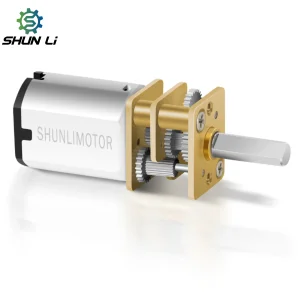
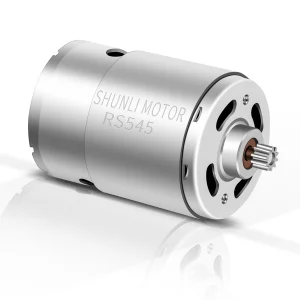
Established in 2006, Luv Motors is a certified High-Tech China manufacturer specializing in high-performance Micro DC Motors, DC Gear Motors, and Brushless Motors (BLDC). By integrating automated production technologies, strict ISO9001 quality frameworks, and 100% in-house engineering customization, Luv Motors delivers high-durability drive assemblies tailored for global OEM/ODM applications.
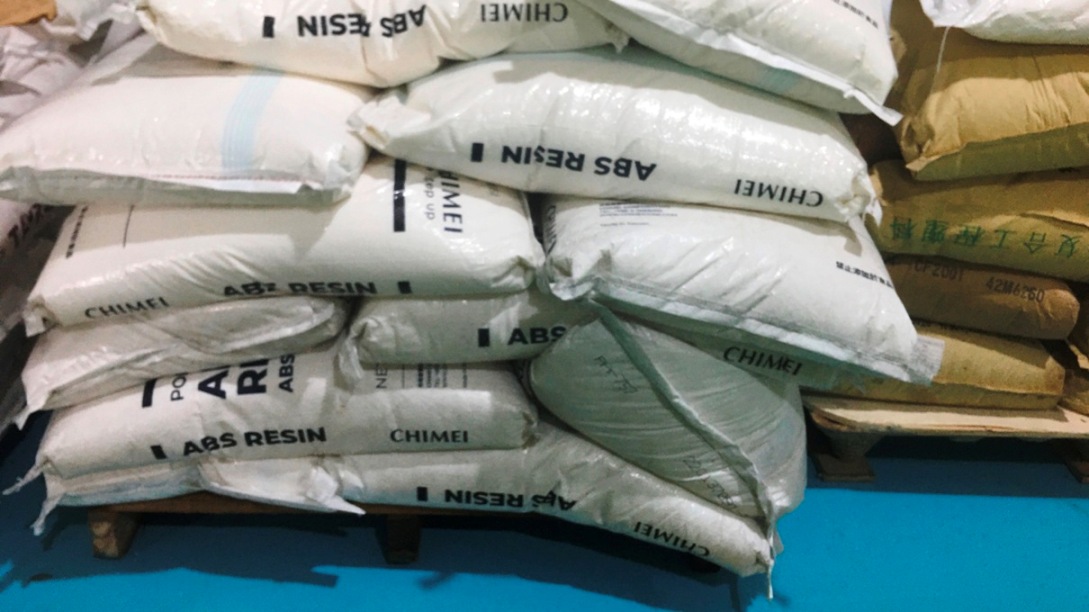 Raw Material
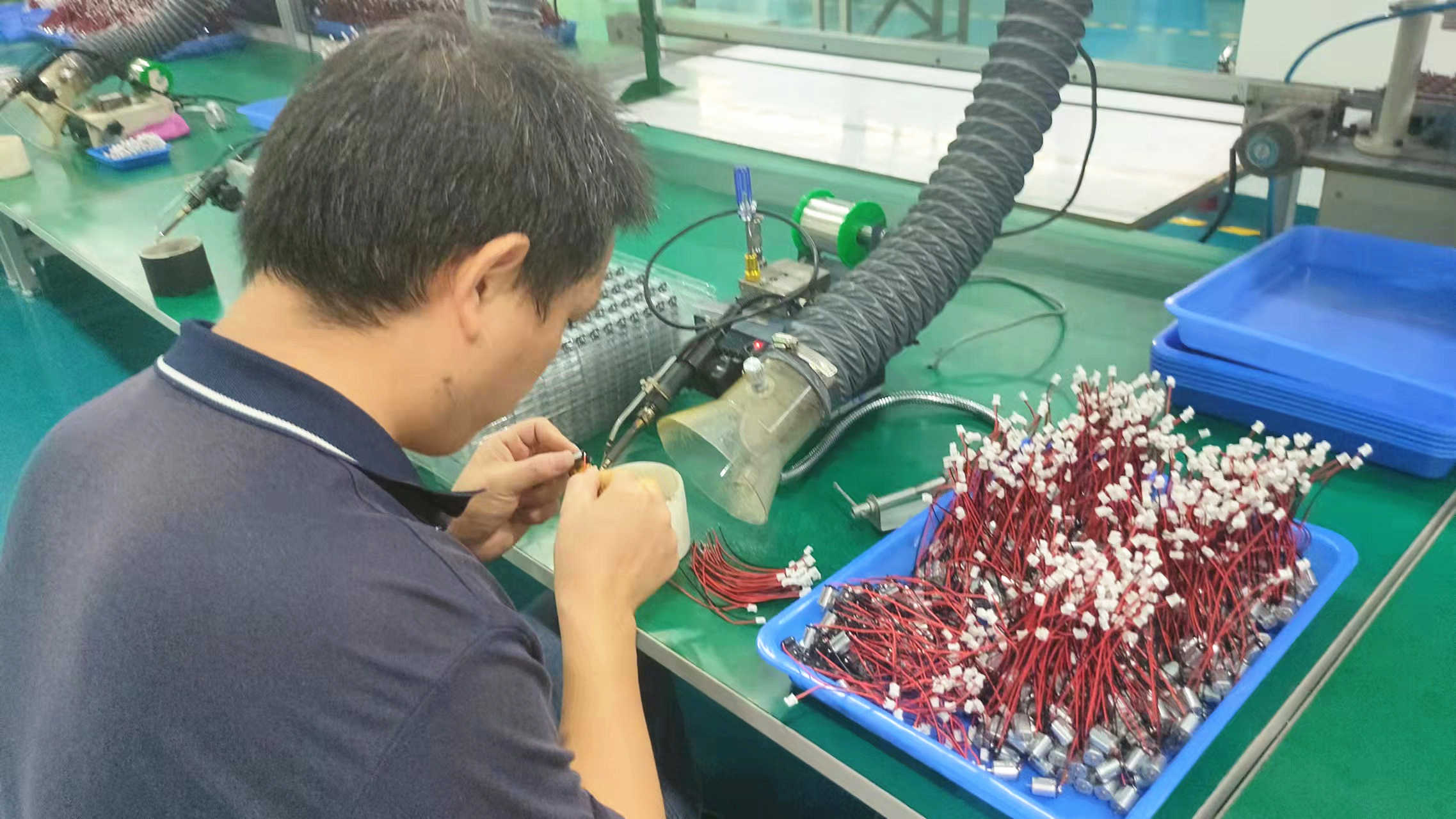 Soldering
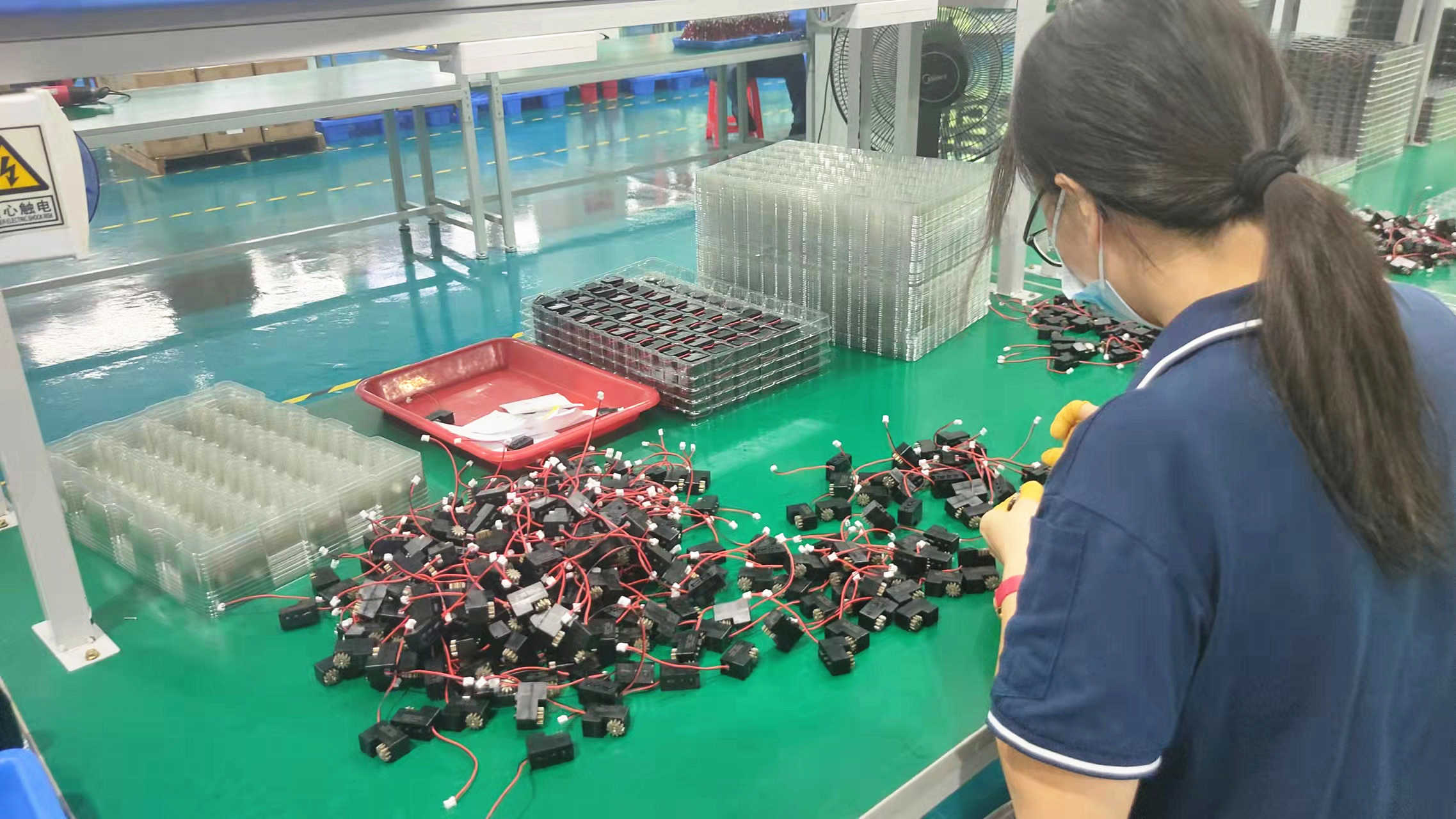
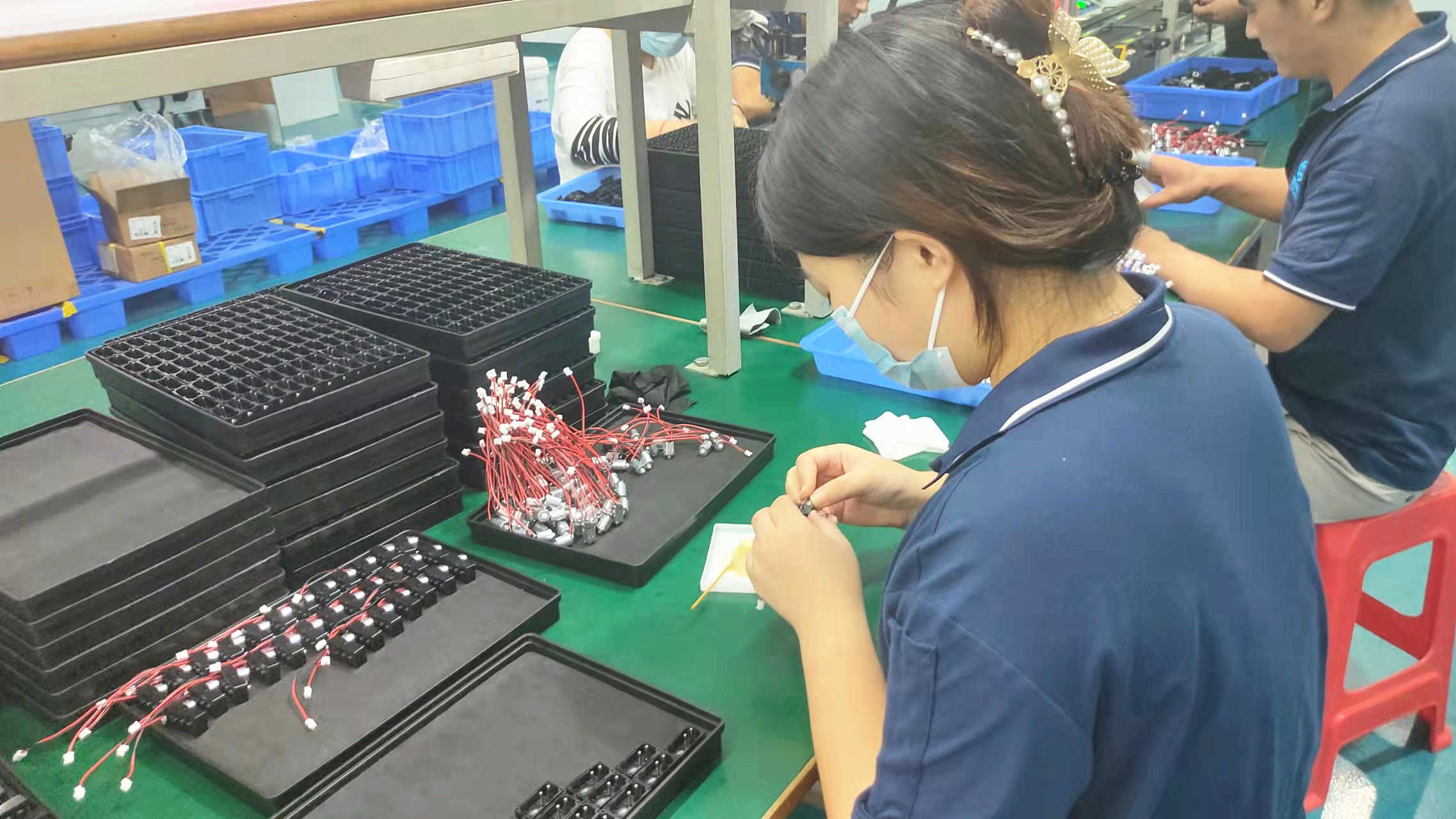 Assembling
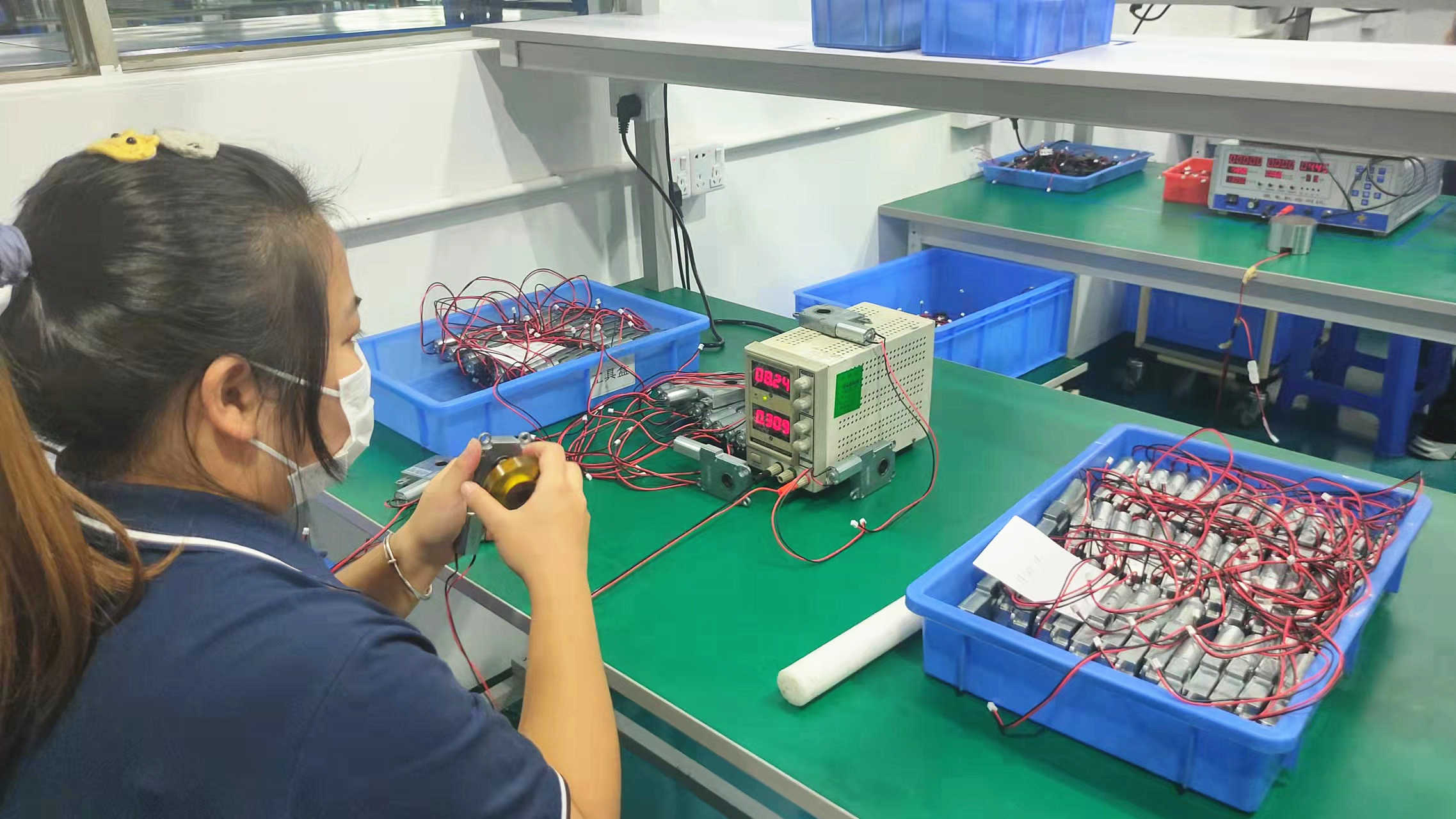
 Testing
 Packing
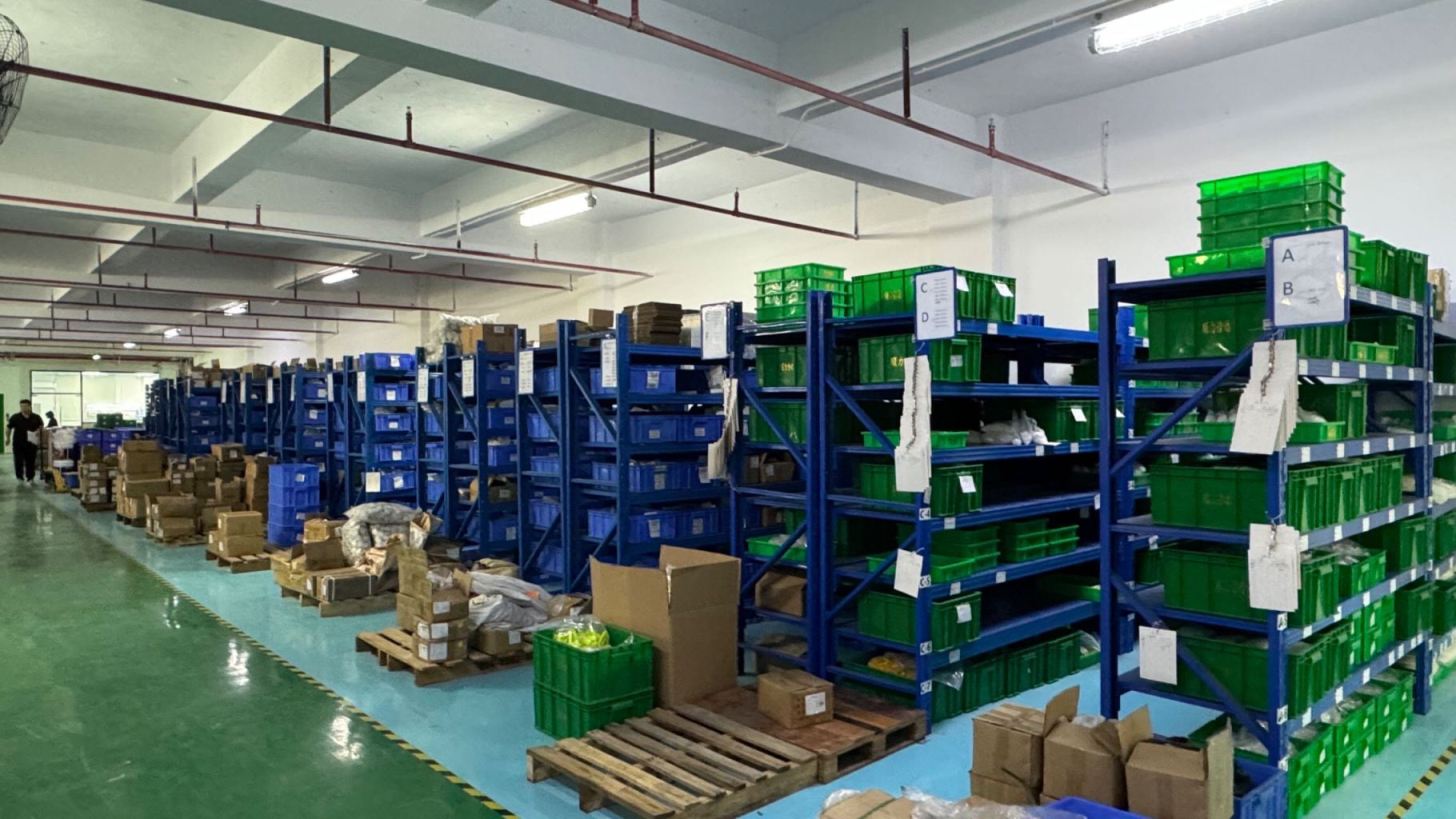 Storage
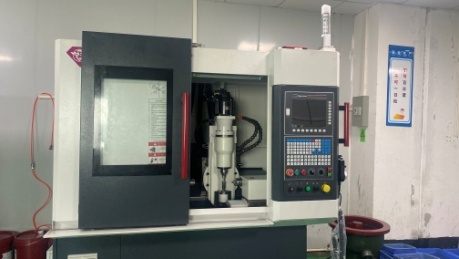 NINGJIANG MACHINE TOOL
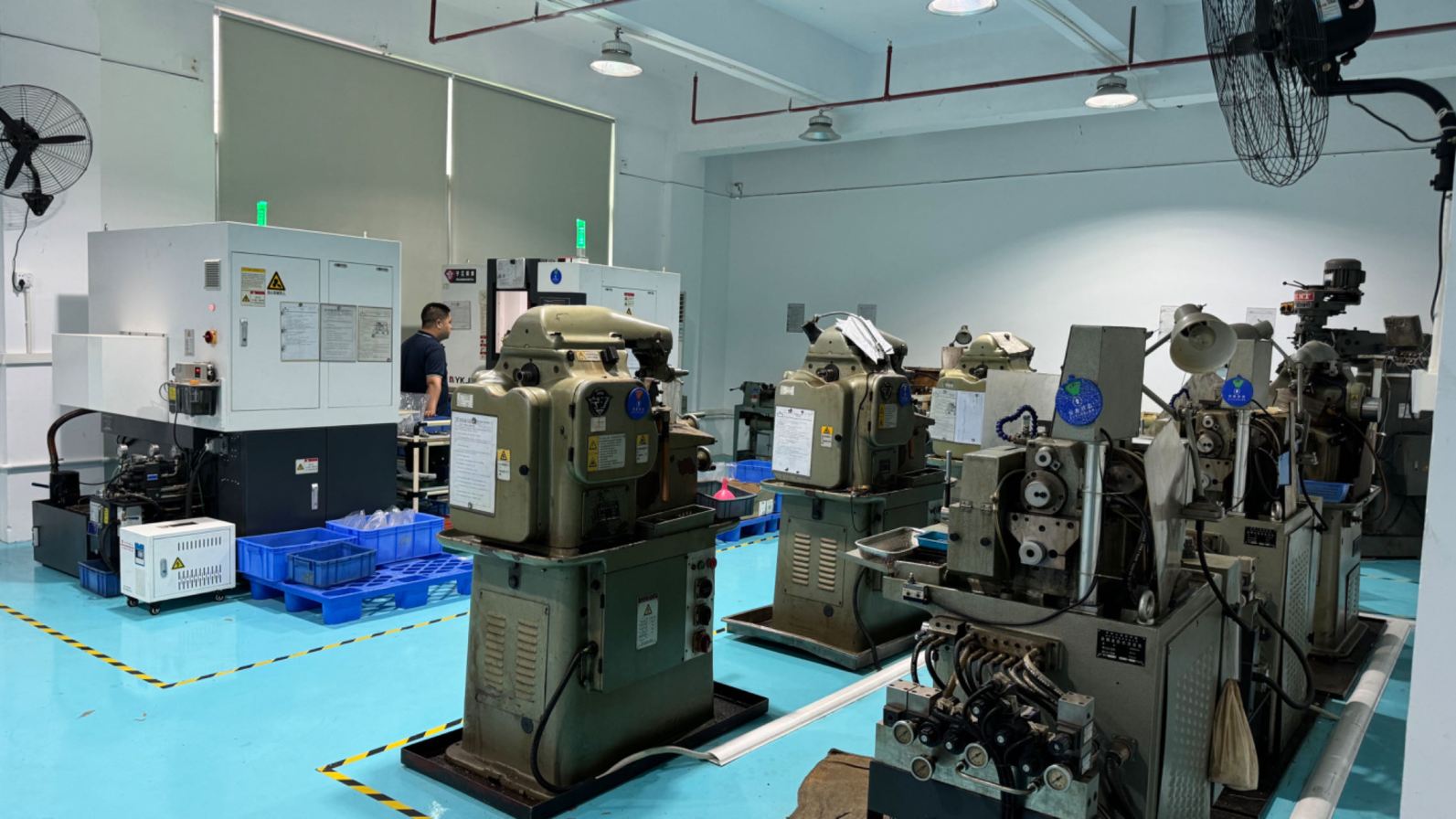 Horizontal Gear Hobbing Machine
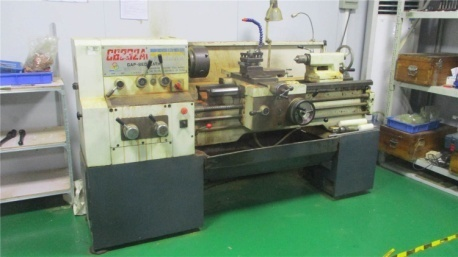 Lathing Machine
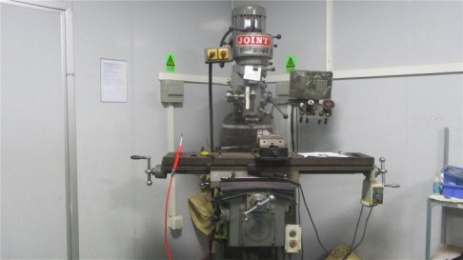 Milling Machine
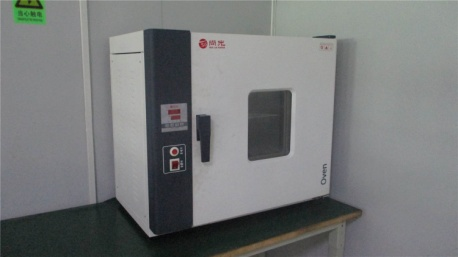 Drying Oven
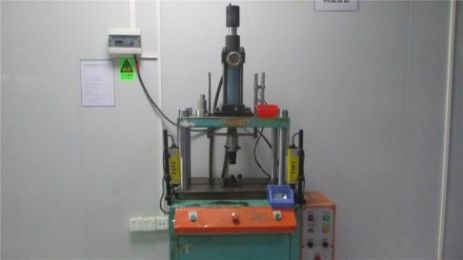 Automatic Gear Riveting Machine
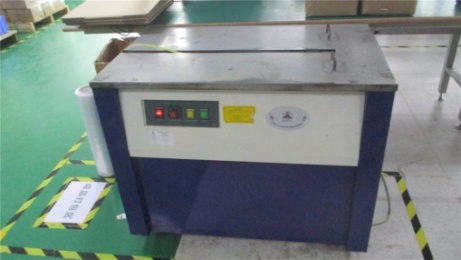 Packing Machine
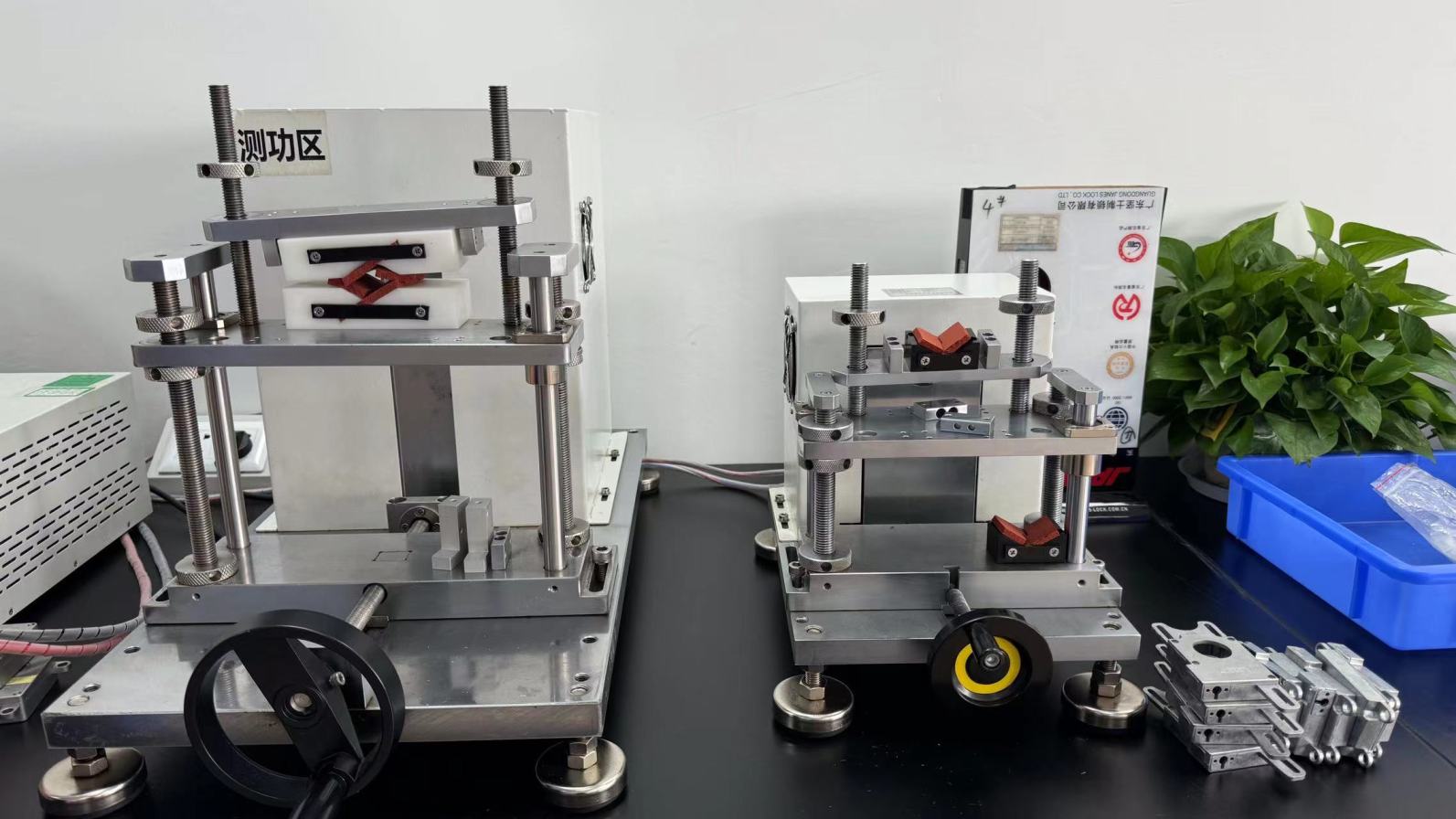 Pneumatic Pressing Machine
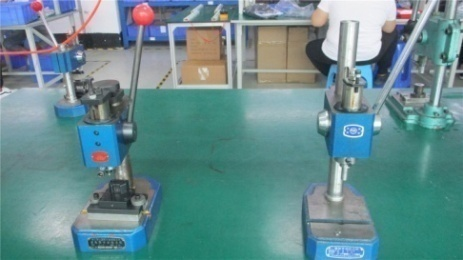 Manual Pressing Machine
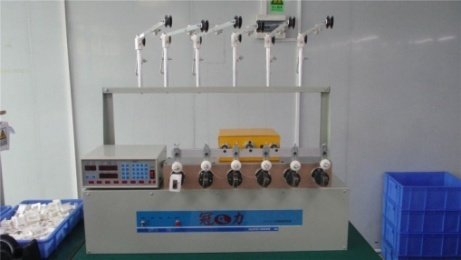 Computer Wire Winding Machine
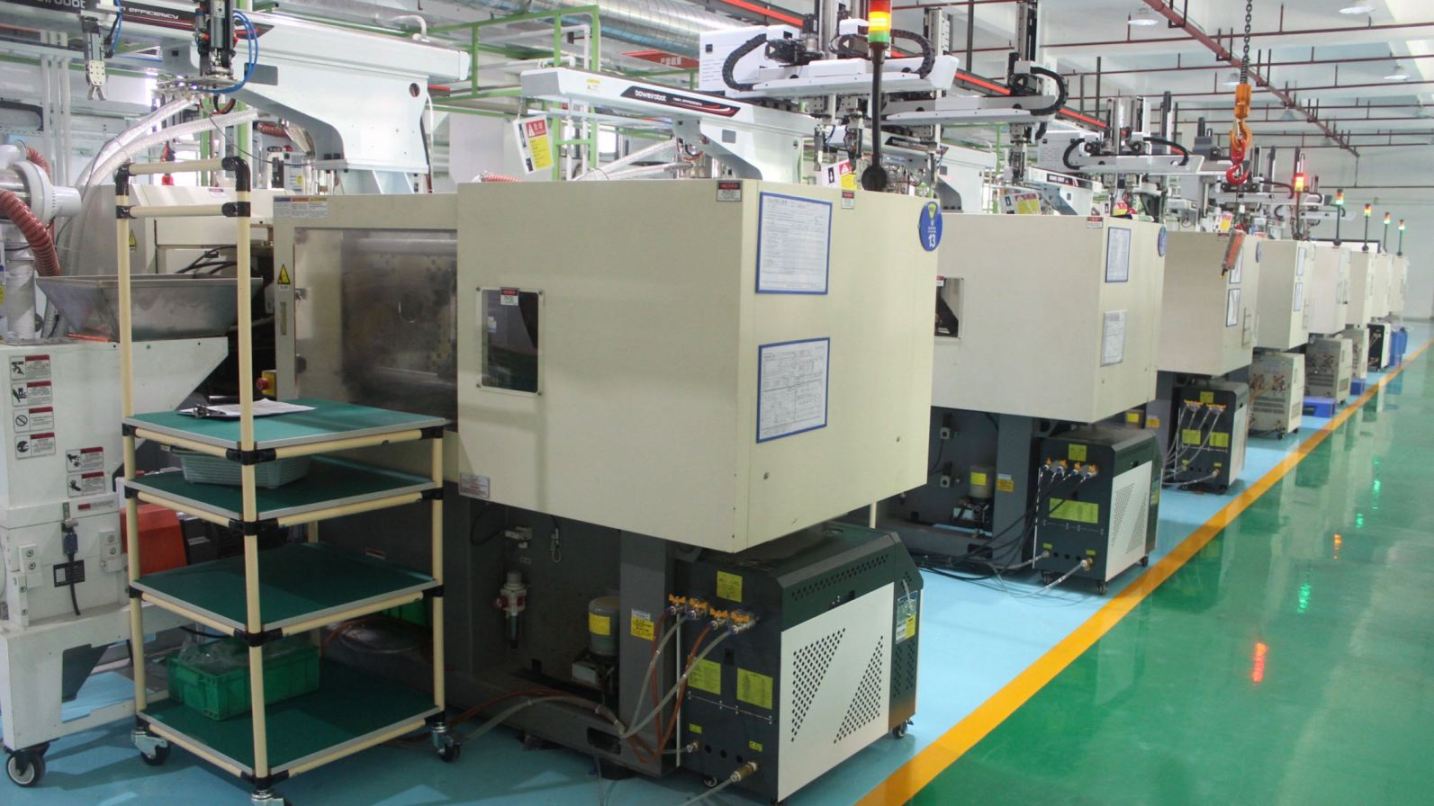 Injection Machine
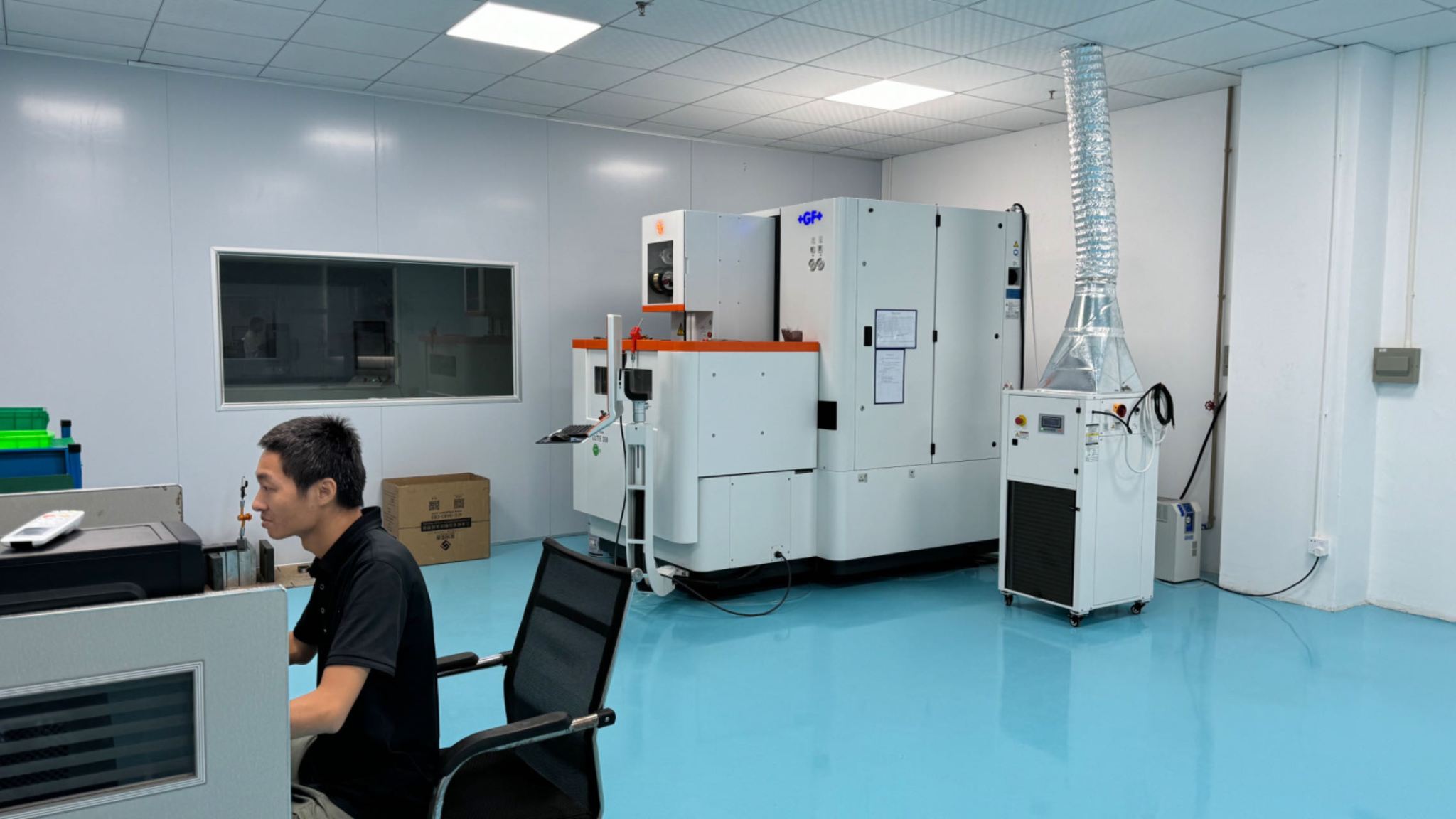 Slow-feeding NC Wire-cut
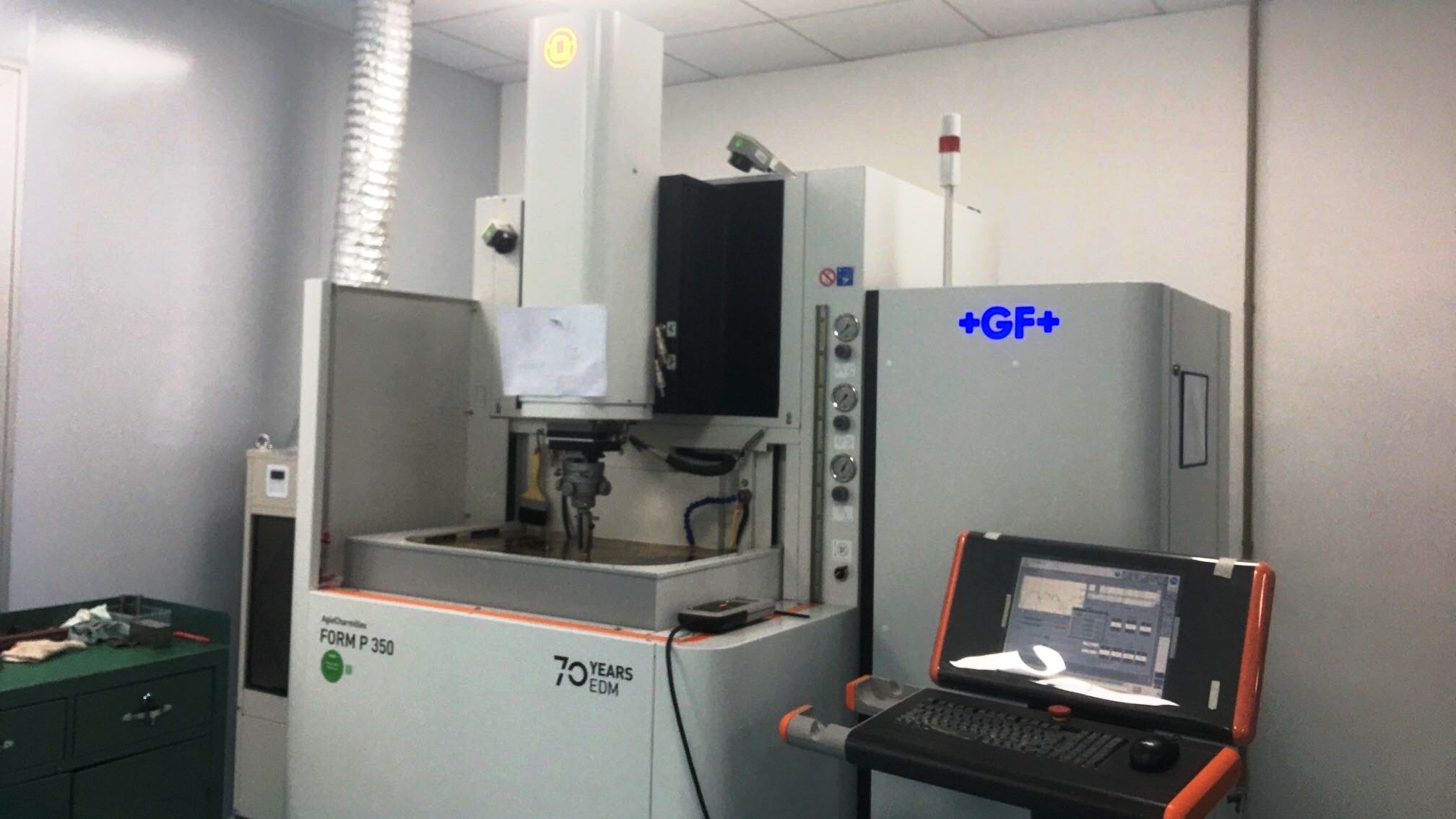 EDM Workshop
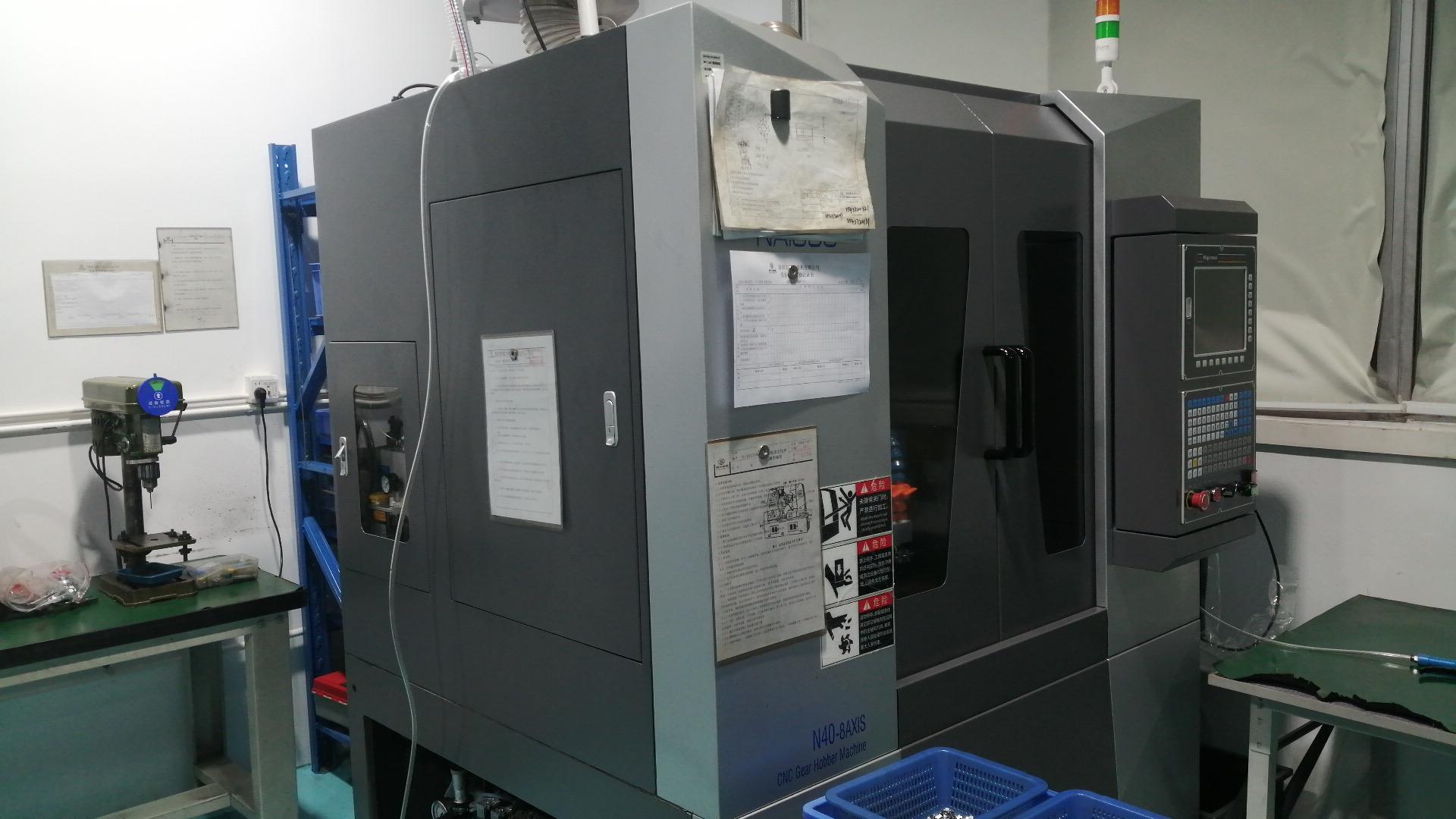 Hobbing Machine
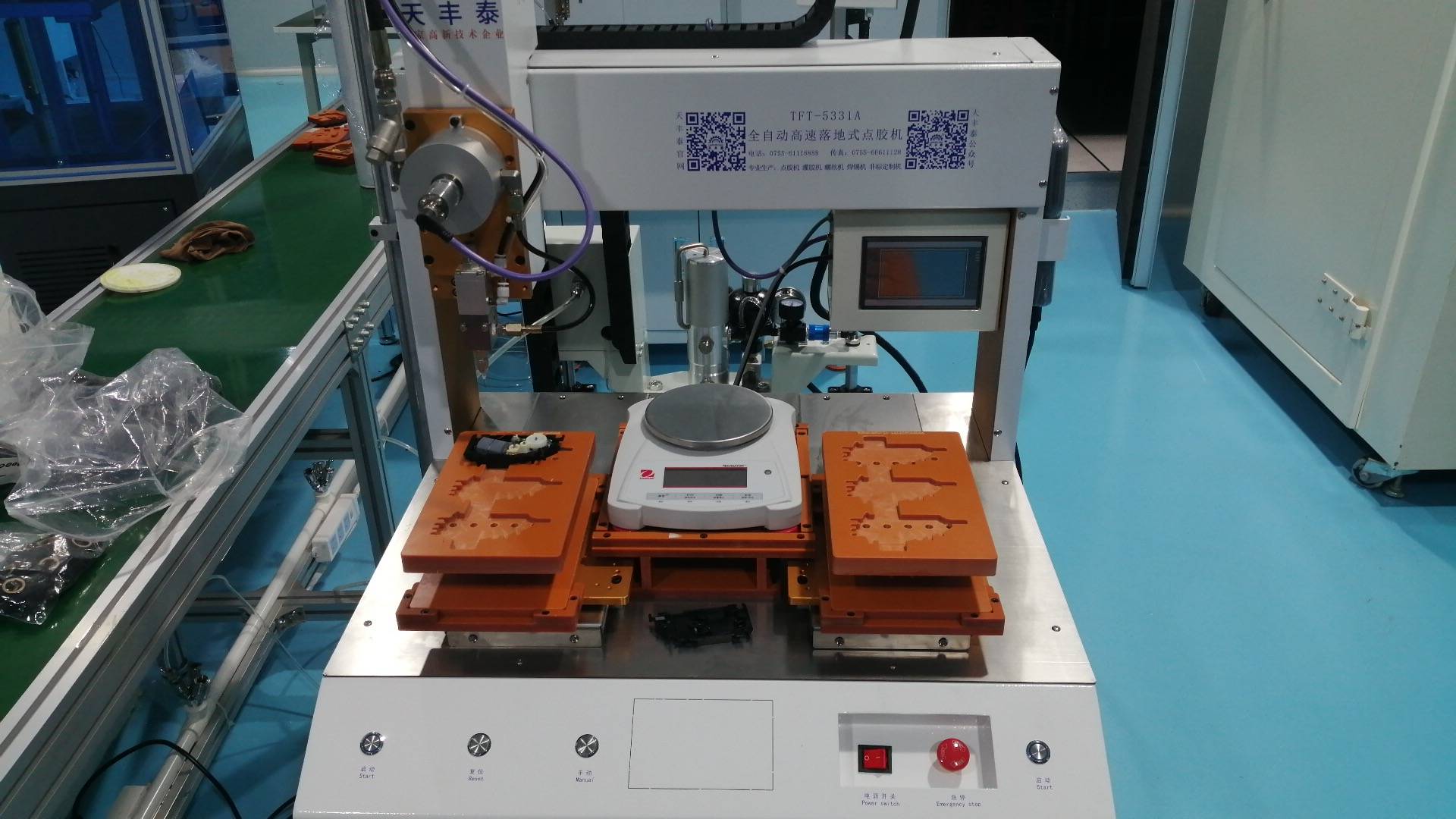 Glue Dispenser
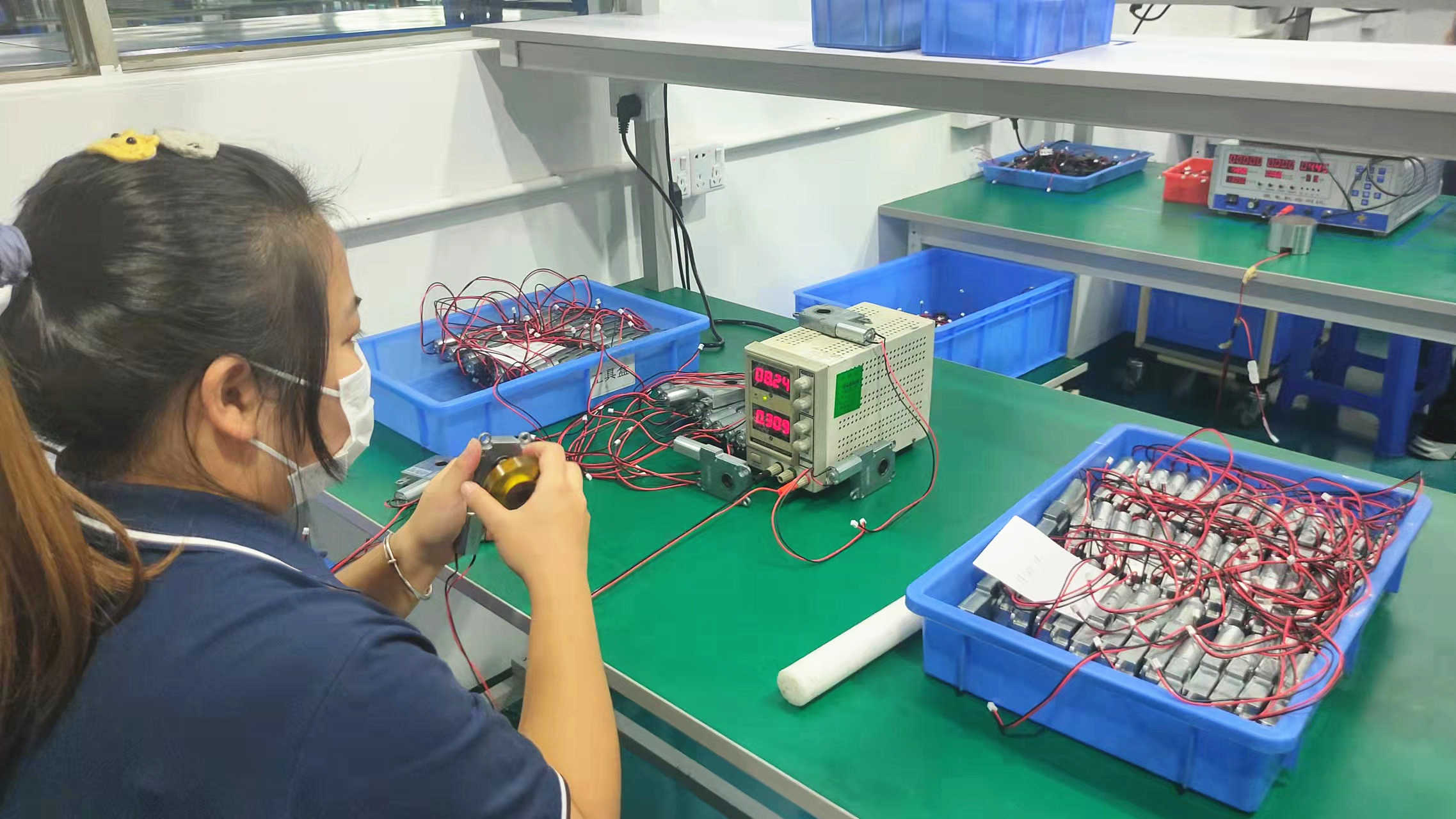 Qc Checking
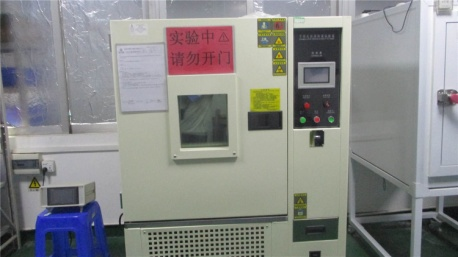 Temp & Humidity Chamber
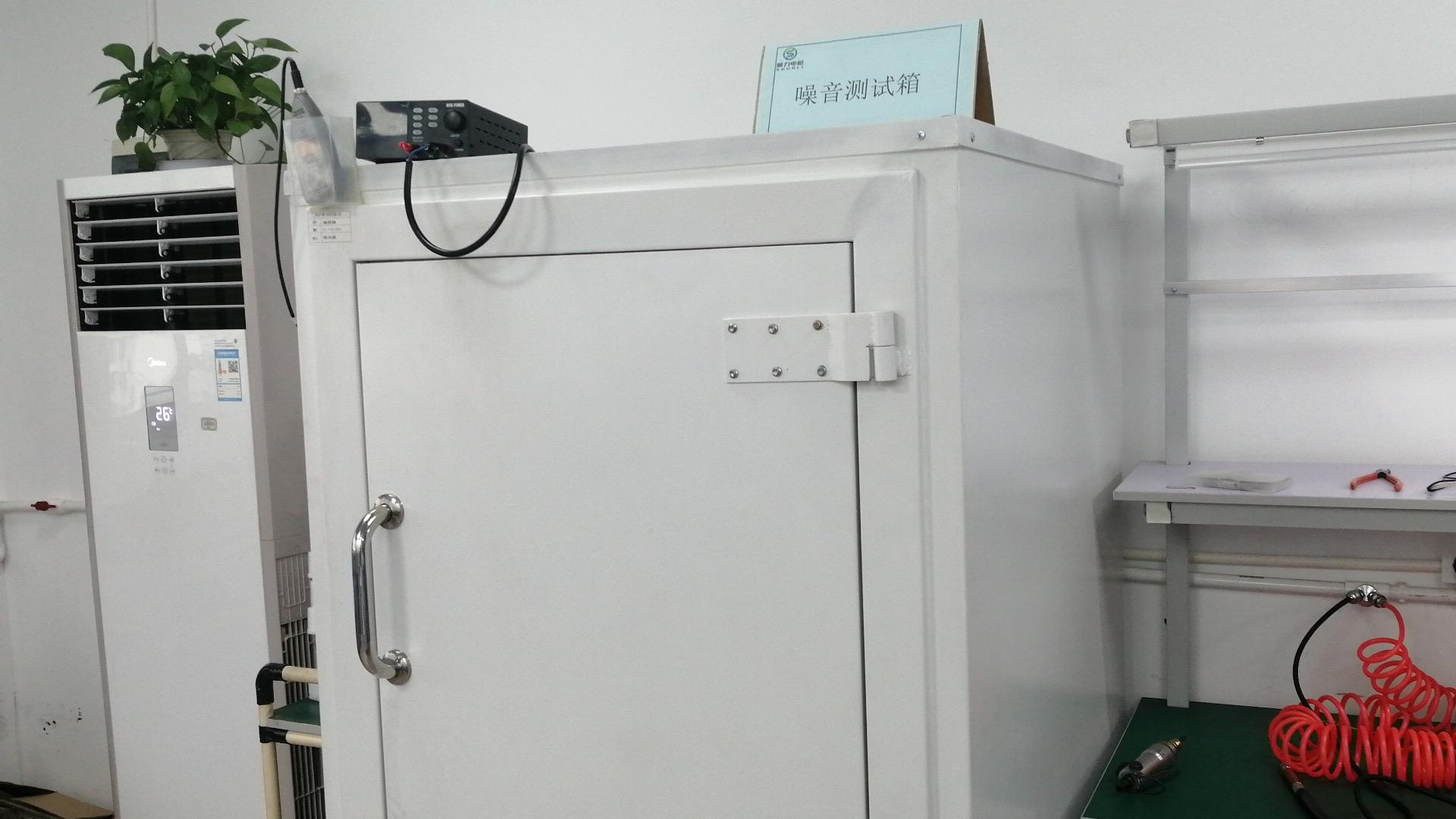 Noise Testing Chamber
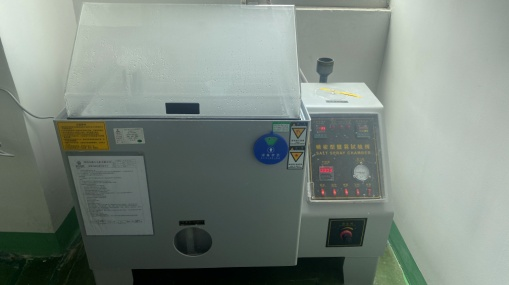 Salt Spray Tester
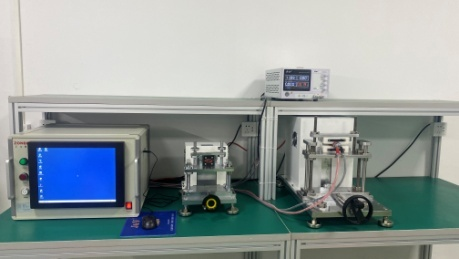 Dynamometer Machine
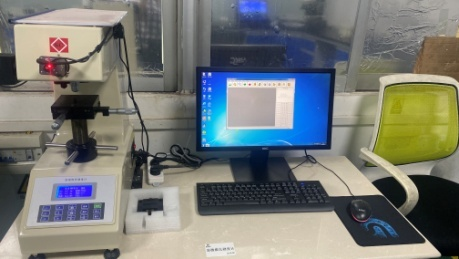 Hardness Tester
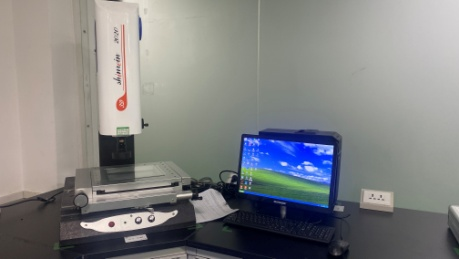 Video Measuring Instrument
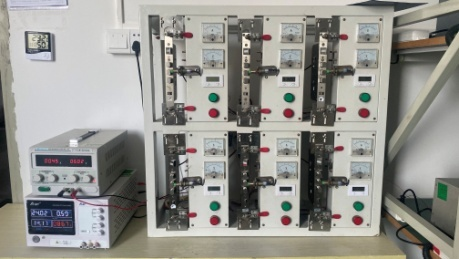 Aging Shelf
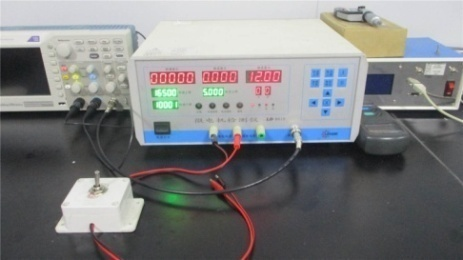 Motor Testing Machine
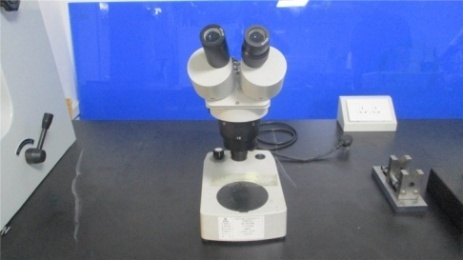 Microscope
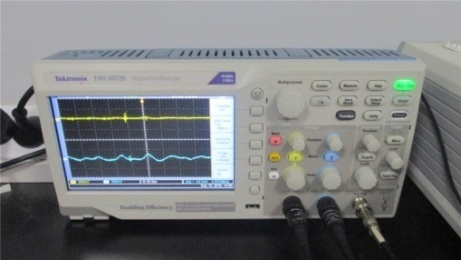 Digital Oscilloscope
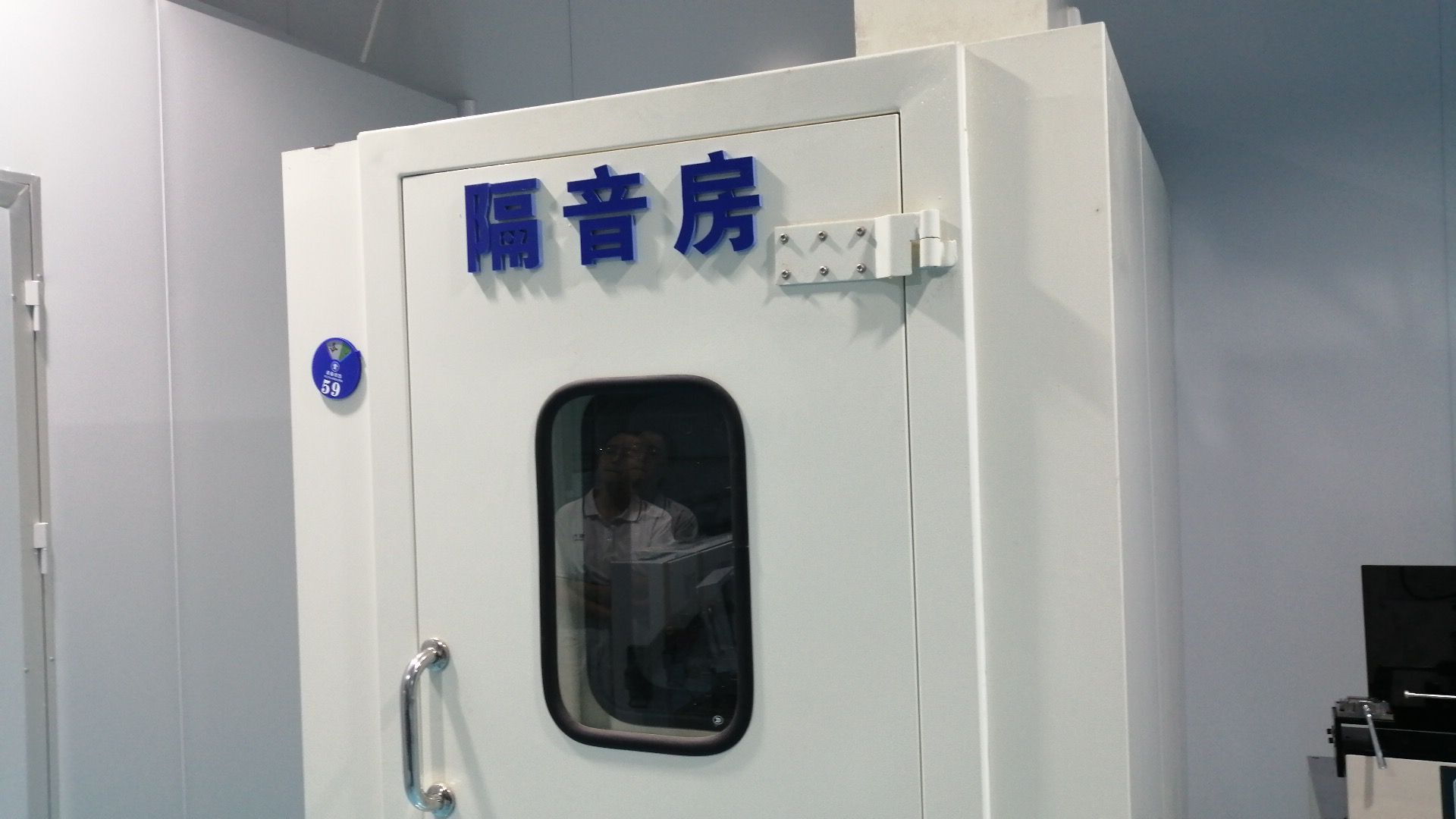 Soundproof Room
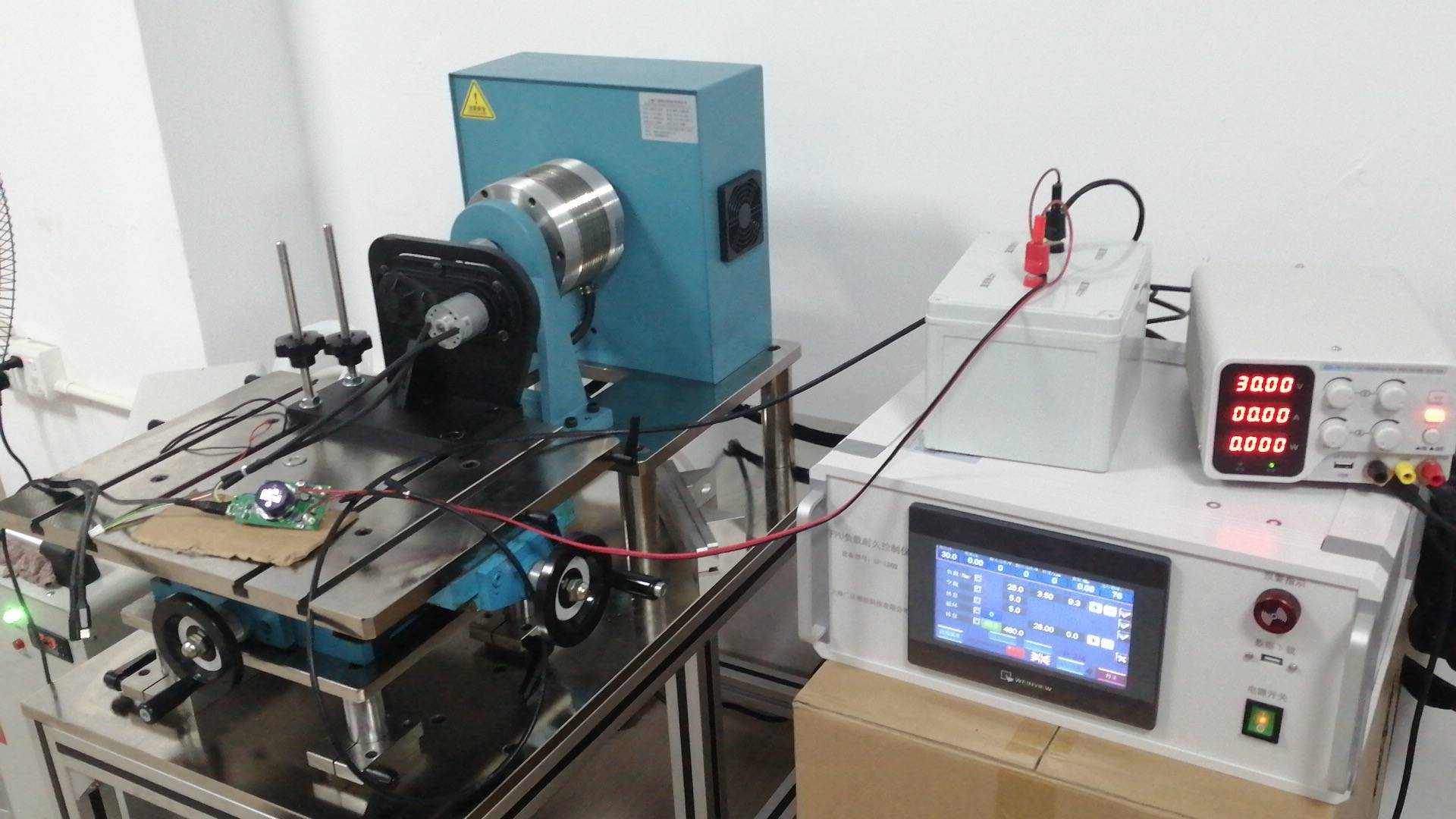 Magnetic Powder Tester
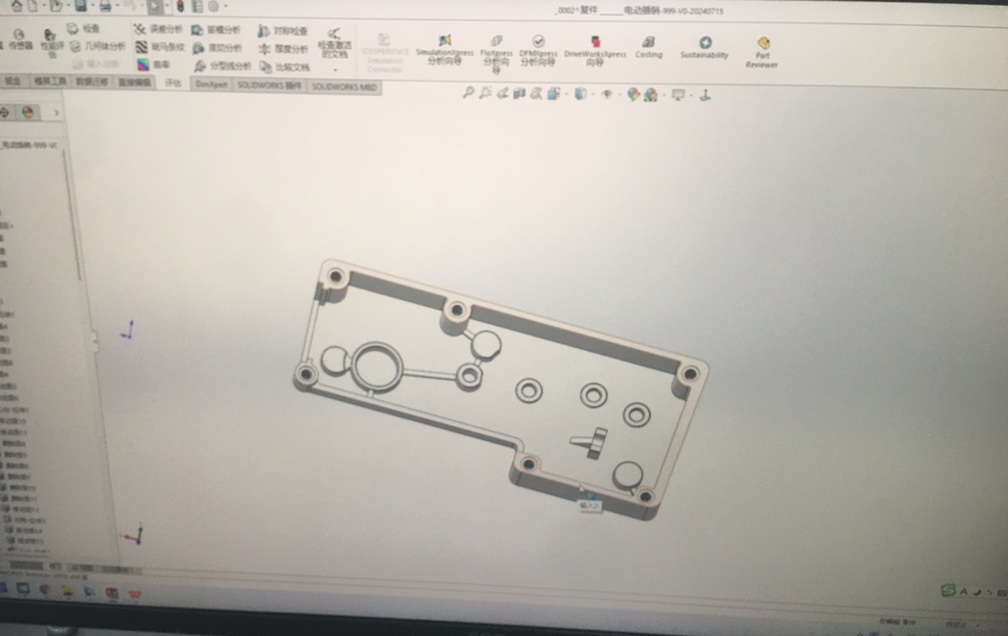 Design Department
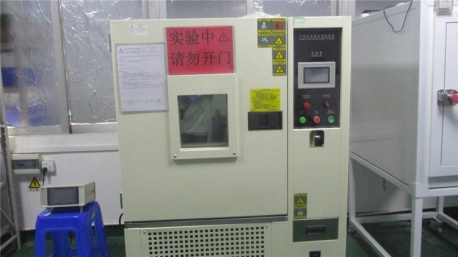 R&D Temp Chamber
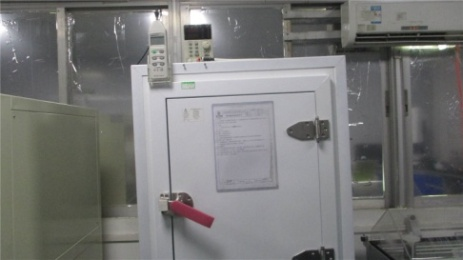 R&D Acoustic Chamber
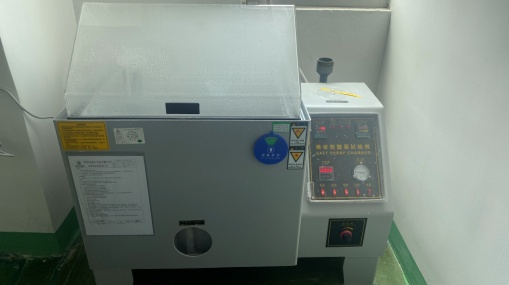 R&D Environmental Tester
For multinational enterprises purchasing motors in bulk, engineering support must extend past the factory gates. Leading exporters offer localized technical support desks in key markets (North America, Western Europe, and East Asia) to assist with mechanical integration, custom shaft turning, electrical lead termination, and troubleshooting.
Compliance with international standards is non-negotiable. Top-tier manufacturers strictly adhere to:
The mechanical component industry is experiencing rapid evolutionary change. Although traditional AC shaded pole motors remain a staple due to their unmatched cost-to-reliability ratio, there is a clear migration toward hybrid systems and highly efficient DC and Brushless DC (BLDC) alternatives in energy-sensitive systems.
Energy conservation standards, such as ERP regulations in Europe and DOE rules in the United States, are pushing manufacturers to optimize stator designs. The integration of high-efficiency brushless configurations into identical physical footprints allows modern OEMs to upgrade their equipment lines seamlessly. Companies like Luv Motors lead this transition by maintaining production flexibility for both traditional AC architectures and high-tech BLDC gearboxes.
Q1: How does an AC shaded pole motor start without a capacitor?
A1: It relies on shading rings (copper bands) wrapped around a portion of each stator pole face. These rings create a localized lagging magnetic flux relative to the main stator flux. This phase difference produces a crude rotating magnetic field, sufficient to generate starting torque in the rotor.
Q2: Why are shaded pole gear motors chosen over PSC (Permanent Split Capacitor) motors?
A2: Simplicity and durability. Shaded pole motors do not require external starting capacitors, starting switches, or complex wiring. This reduces assembly failures and system component costs, although they operate at lower electrical efficiency compared to PSC designs.
Q3: How do gearboxes affect the torque output of AC shaded pole gear motors?
A3: The gearbox reduces rotor speed by a defined ratio, proportionally multiplying the torque output (minus friction losses within the gear train). Premium gear hobbing minimizes internal transmission friction, ensuring maximum mechanical energy transfer to the output shaft.
Q4: What temperature class insulation is recommended for kitchen ovens or pellet stoves?
A4: Class H insulation (rated to 180°C) or Class F insulation (rated to 155°C) is highly recommended. These environments feature elevated ambient heat profiles, making high-quality enamelled copper wire and temperature-resistant varnishes essential.
Q5: How can a factory control the noise levels of a shaded pole gear motor?
A5: Precision acoustic control is achieved through dynamic balancing of the rotor assembly, selecting high-quality sintered bronze bushings or precision ball bearings, applying damping grease inside the gear housing, and ensuring strict tolerances on the gear teeth profiles.
Q6: What is the typical life expectancy of a premium AC shaded pole gear motor?
A6: Under normal operating loads and within standard temperature ratings, a high-quality motor using synthetic lubricants and precision-finished gear components can exceed 10,000 to 15,000 operating hours.
Q7: Can these motors be controlled by variable speed drives?
A7: Generally, shaded pole motors are designed for single-speed, constant-frequency applications. While voltage regulation (triac-based control) can adjust speed to some extent, it degrades efficiency and increases thermal stress. For applications requiring precise speed regulation, DC brush or brushless (BLDC) motors are preferred.
Q8: Why is ISO 9001 certification essential for motor exporters?
A8: ISO 9001 guarantees that the manufacturing plant has established robust, repeatable procedures for raw material validation, inline assembly testing, final calibration, and tracing production defects back to the source, securing consistent batch-to-batch quality.
Q9: What are the main points of failure in low-cost shaded pole motors?
A9: Core issues stem from winding short-circuits due to low-grade wire enamel, bearing lockups caused by inferior grease drying out under high temperatures, and gear tooth breakage from low-quality powder metallurgy structures.
Q10: What custom shaft designs are supported by Luv Motors?
A10: Technical customizations include flat-sided (D-cut) shafts, keyed shafts, cross-drilled pin shafts, threaded ends, or custom helical gears cut directly onto the rotor shaft extension to suit specialized OEM interfaces.
Explore our extended catalog of high-precision gearboxes, brushless motors, and miniature drive configurations.
 Luv Motors