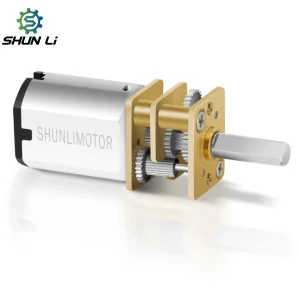
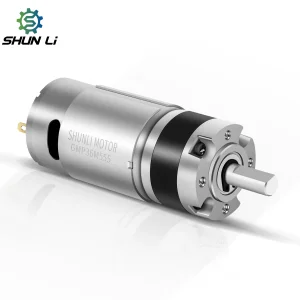
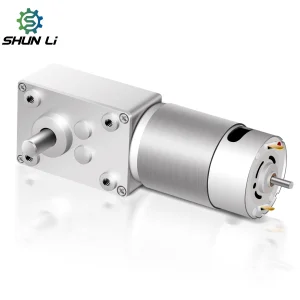
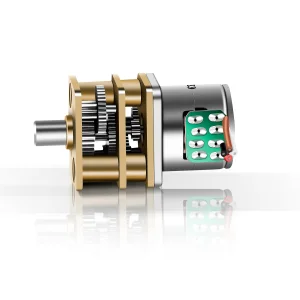
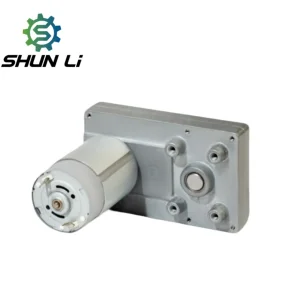
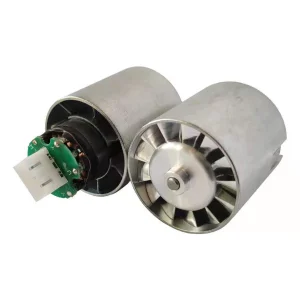
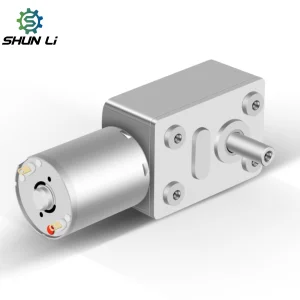
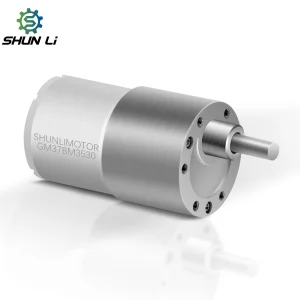
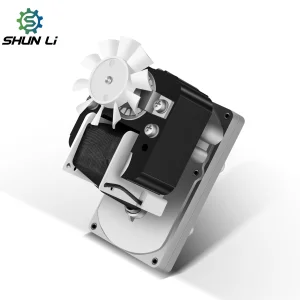
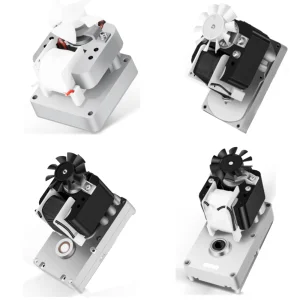
Engineered for extreme torque densities, high-efficiency low-speed operation, and custom integration parameters.
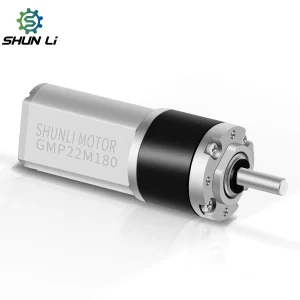
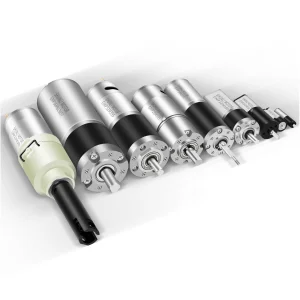
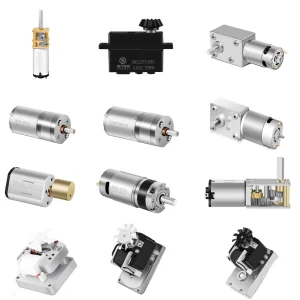
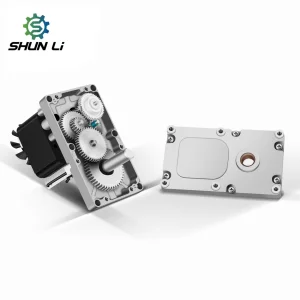
Luv Motors leverages a highly advanced infrastructure to engineer next-generation micro-drive technologies.
In an age dominated by electromechanical miniaturization and robotic autonomy, selecting a top-tier remote motor supplier is a critical strategic decision. Today's engineering environments demand micro motors that perform with high reliability, minimal noise footprints, and extreme torque densities. As an industry, remote motor manufacturing has shifted from commodity production to collaborative co-engineering.
For B2B procurement professionals, OEM system architects, and global distributors, identifying a supplier with true E-E-A-T (Experience, Expertise, Authoritativeness, and Trustworthiness) requires examining their factory floor, testing capabilities, and long-term design roadmap. This whitepaper analyzes these metrics, establishing benchmarks for motor selection.
Purchasing agents often overlook structural engineering variables in favor of raw unit pricing. However, a comprehensive Total Cost of Ownership (TCO) evaluation shows that motor failures and design changes during system integration cause significant budget overruns. When evaluating remote motor suppliers, engineers focus on five main criteria:
Successful projects require technical alignment from day one. Top manufacturers offer specialized engineering support, adapting motor windings, shaft geometries, and gear profiles to match unique operating conditions.
Using premium steel alloys, high-grade permanent magnets (NdFeB), and high-purity copper wires ensures optimal thermal performance, lower electrical losses, and longer motor service life.
Global operations require full adherence to international regulatory standards, including CE marking, RoHS directives, REACH protocols, and UL certifications.
In today's highly competitive industrial landscape, manufacturing efficiency relies on automated, data-driven production. Luv Motors, established in 2006, operates a certified High-Tech manufacturing facility in China. By combining advanced CNC systems, specialized winding automation, and modern stamping technologies, the facility delivers high production yields while maintaining consistent quality standards across high-volume production runs.
By keeping core processes like tool making, injection molding, precision machining, and automated coil winding in-house, the factory reduces lead times and prevents design variance. This vertical integration allows for fast prototyping and simplifies production scaling for global OEMs.
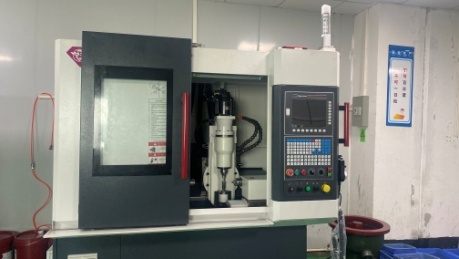
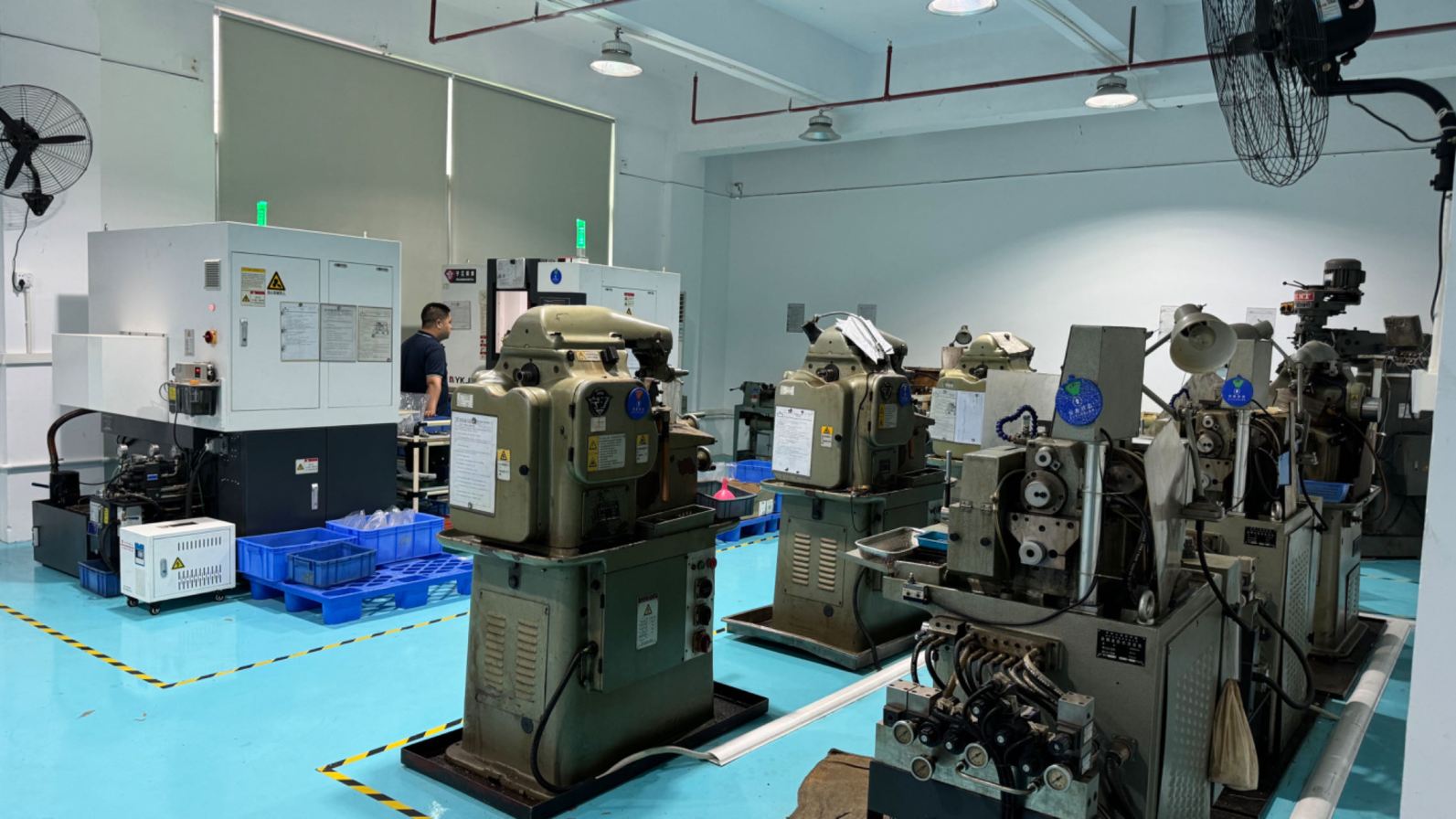
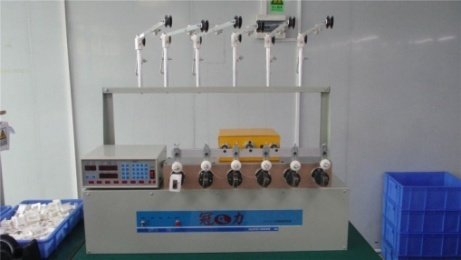
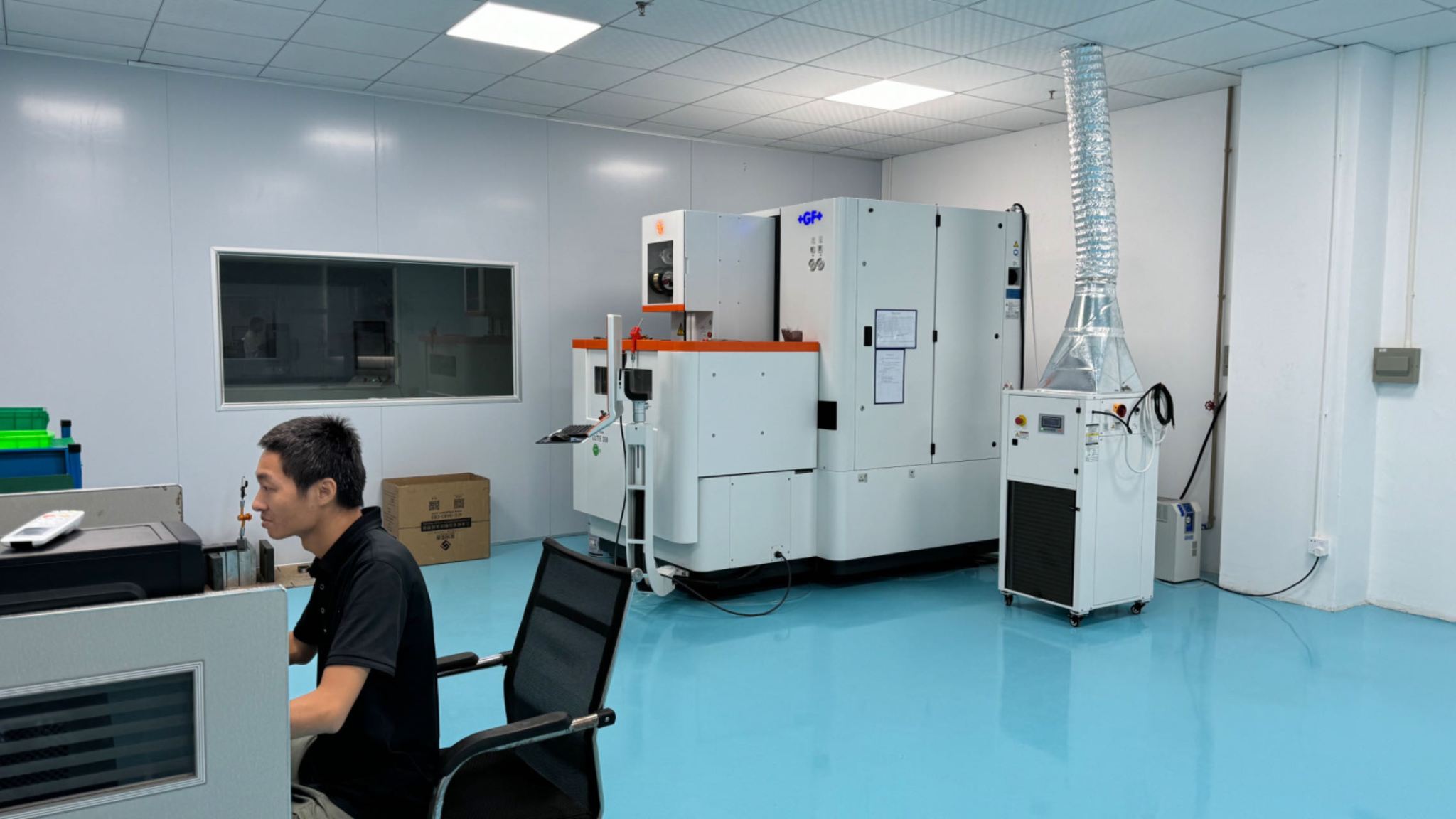
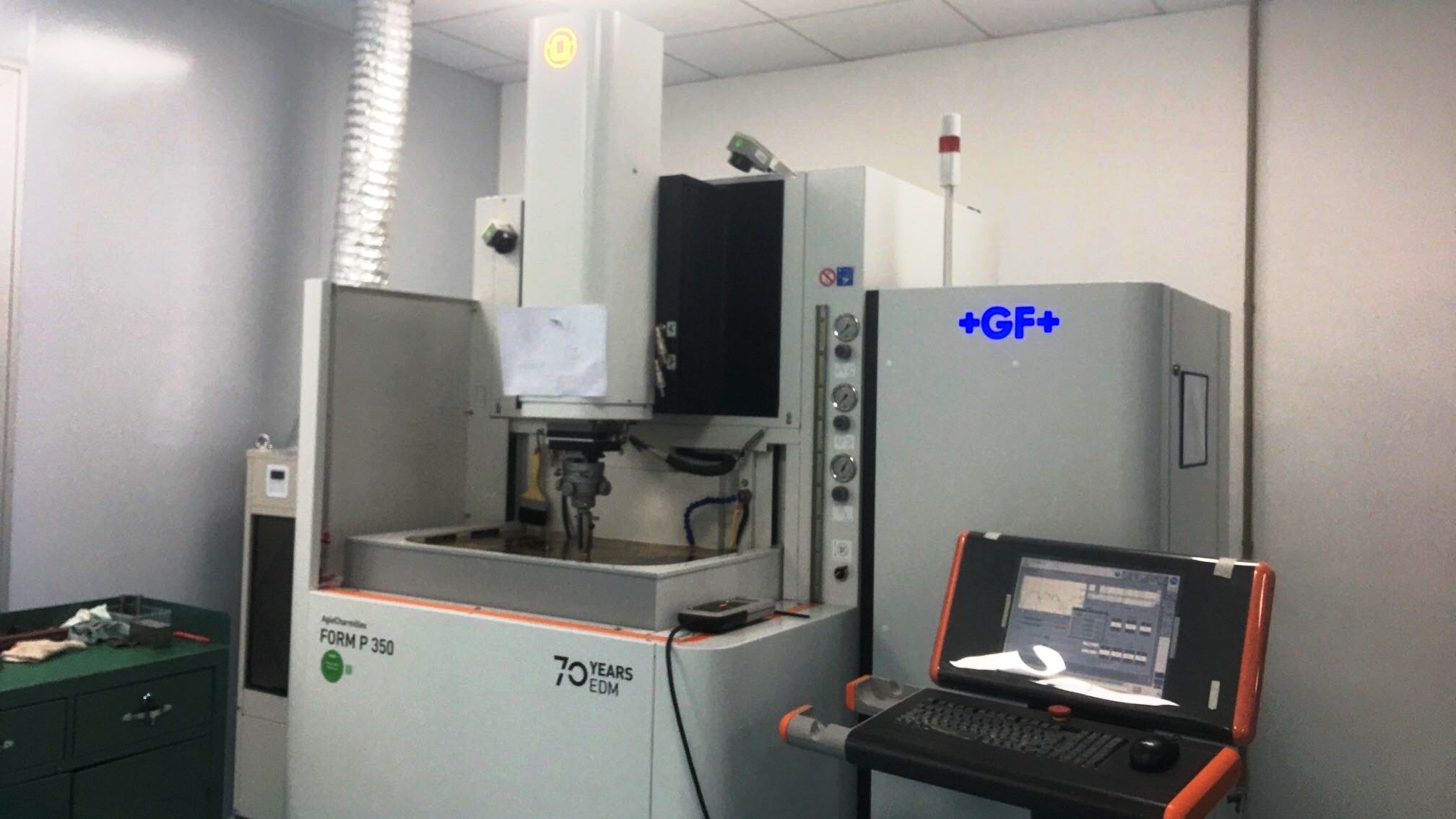
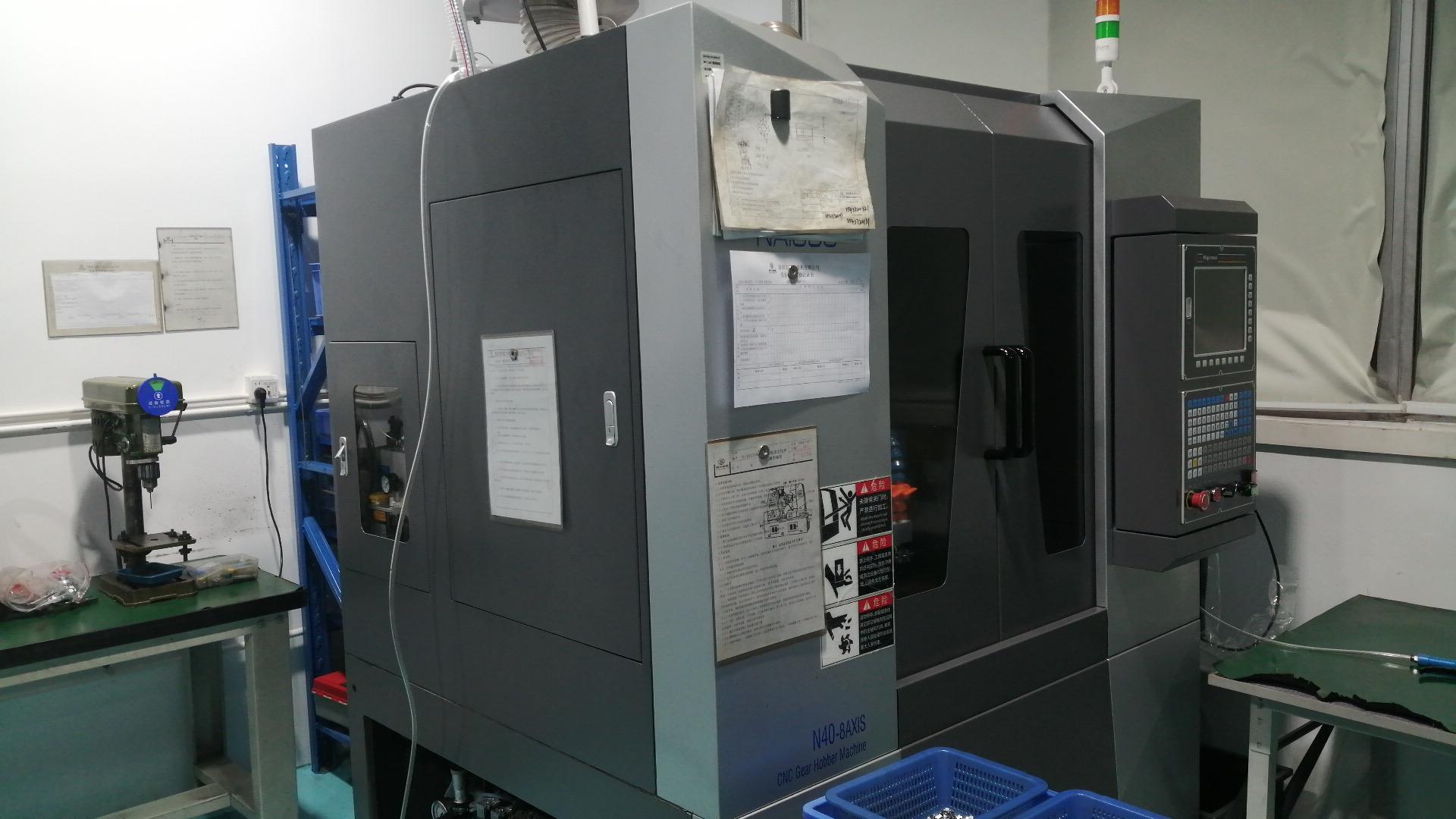
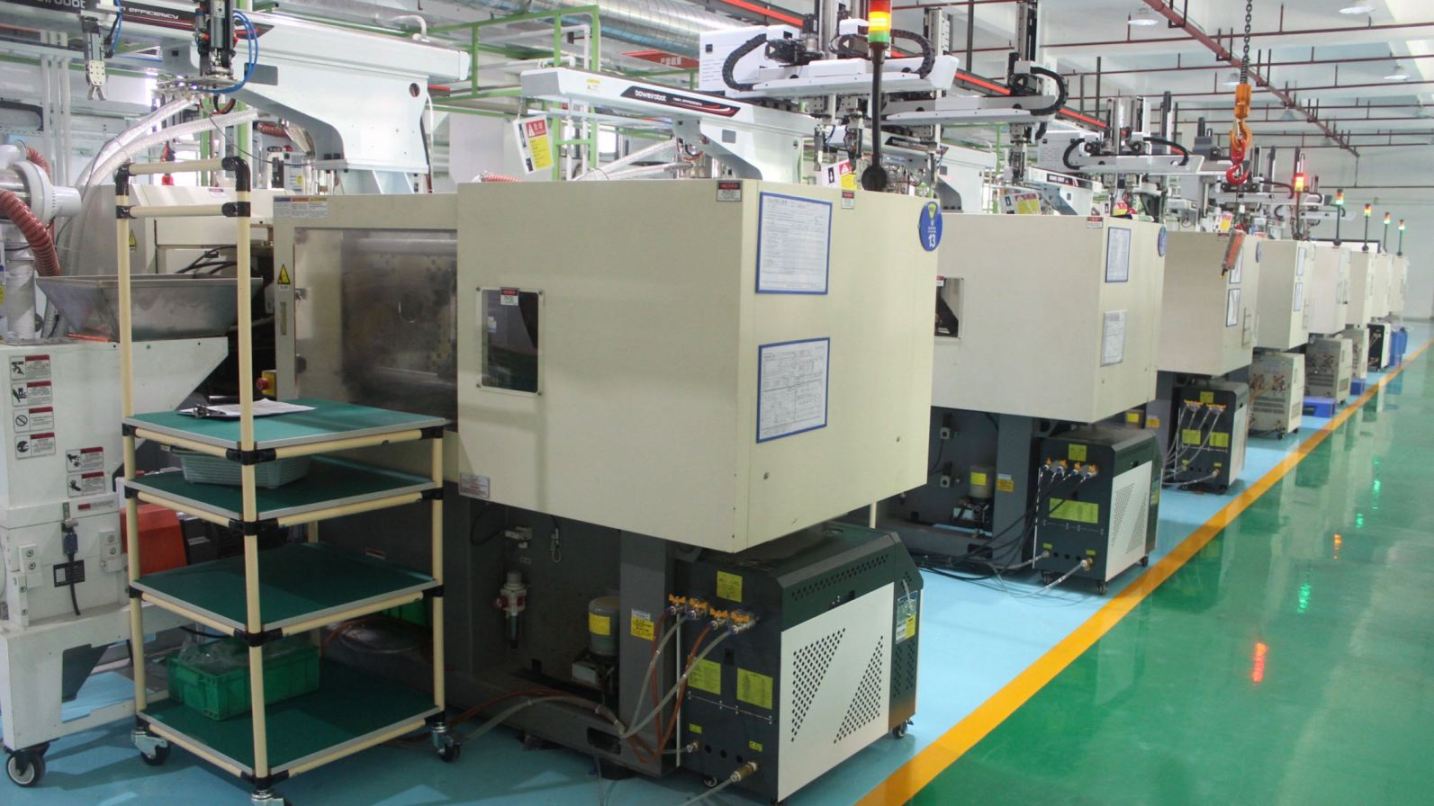
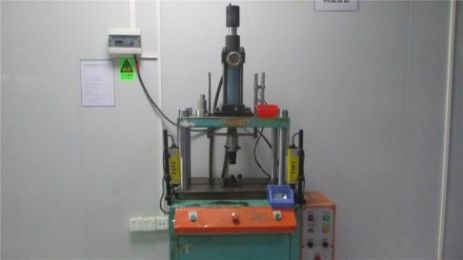
These advanced tools form the core of Luv Motors' production capability. From slow-feeding NC wire-cuts that maintain tight dimensional tolerances during tooling design, to automatic gear riveting machines and high-precision gear hobbing systems, every link in the production chain is engineered for stability, speed, and precision.

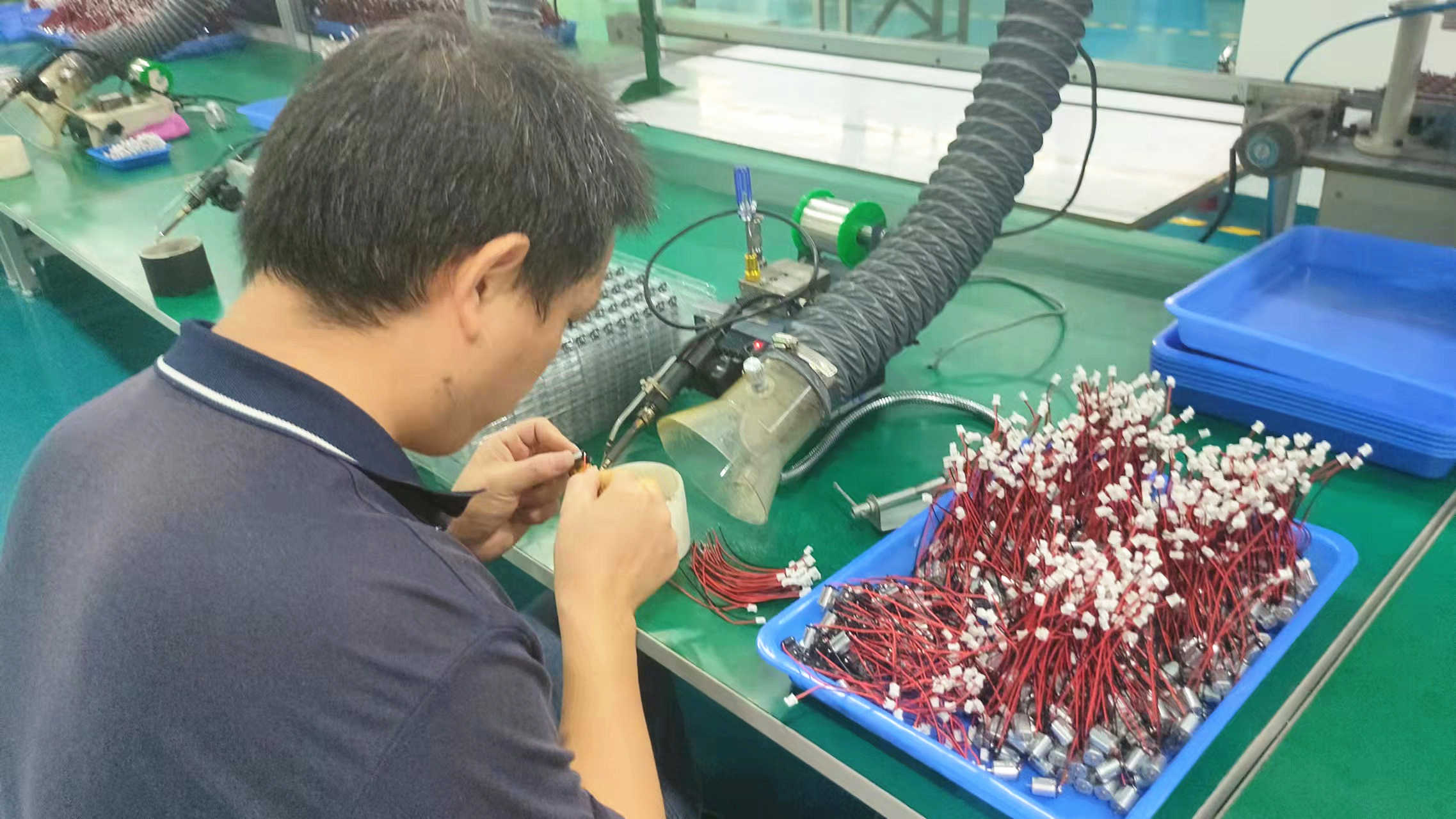
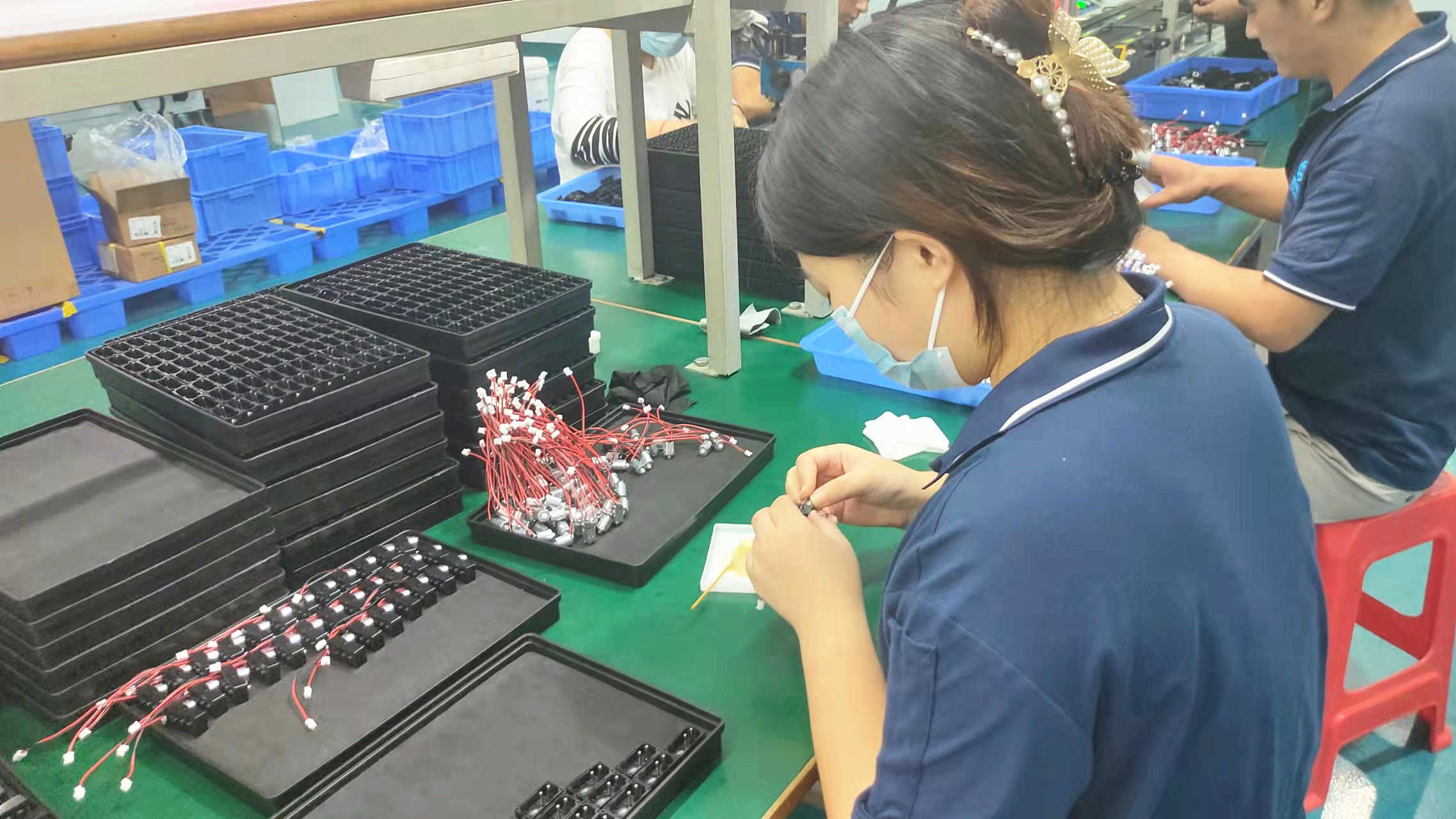
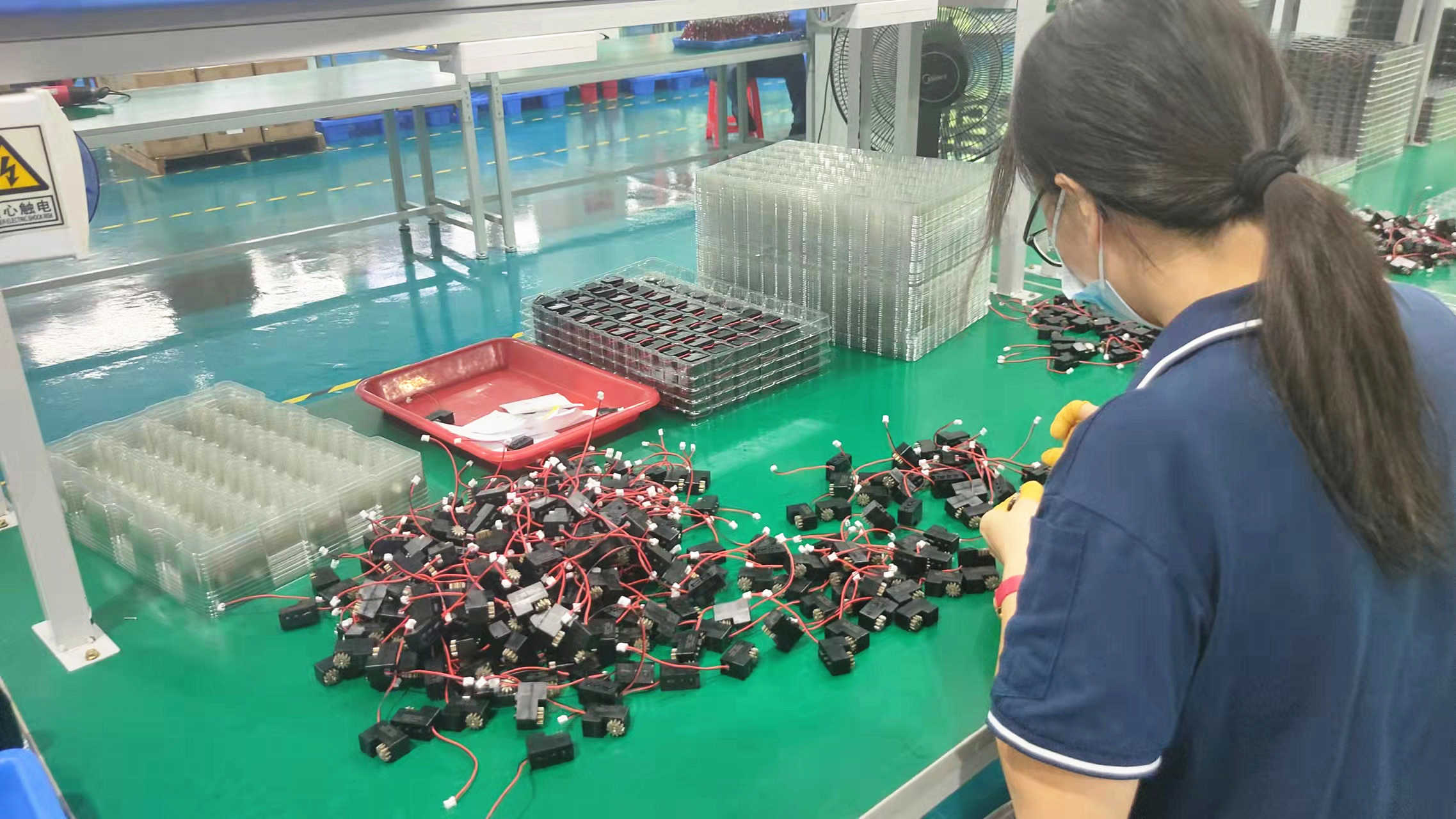
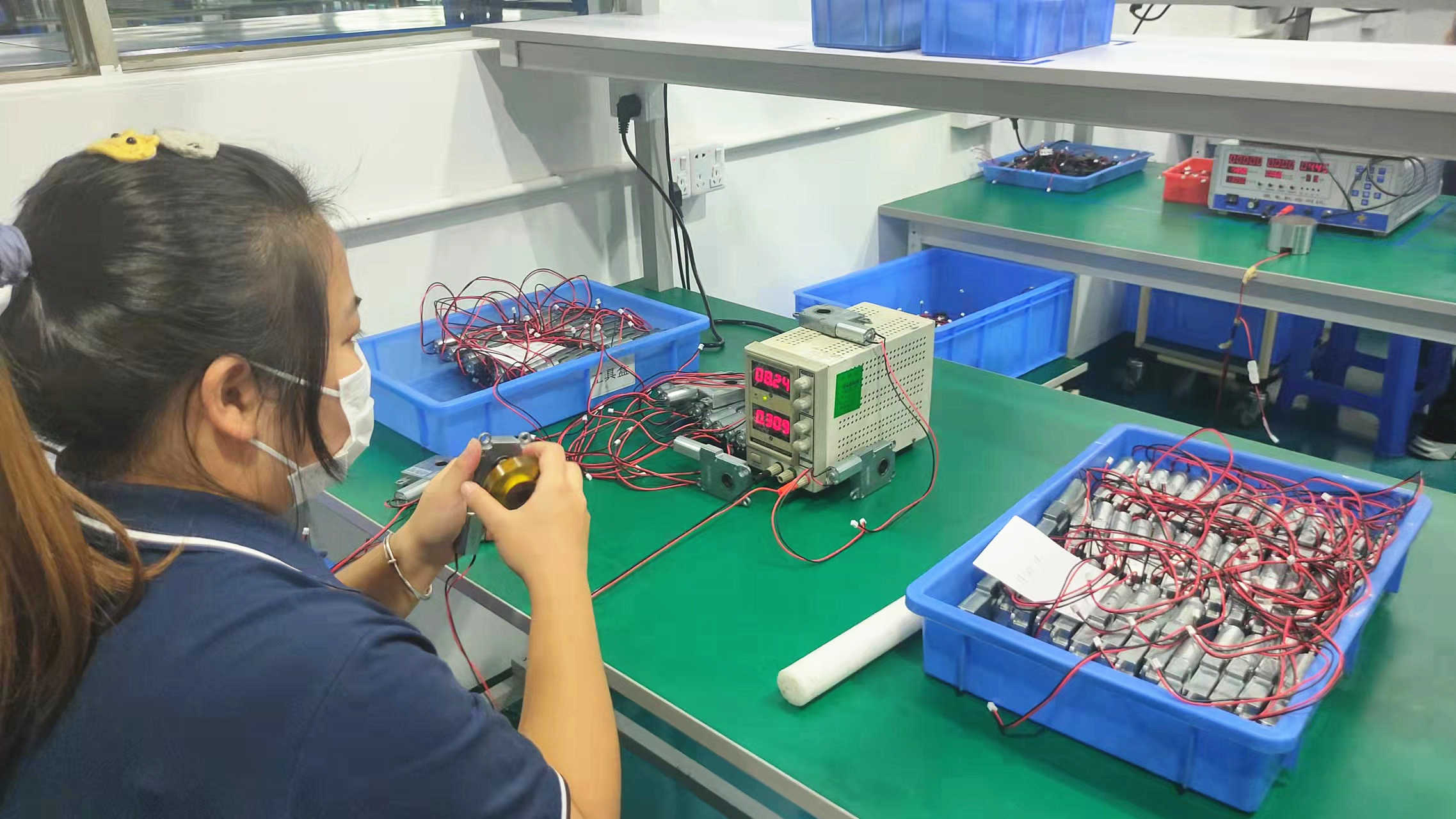
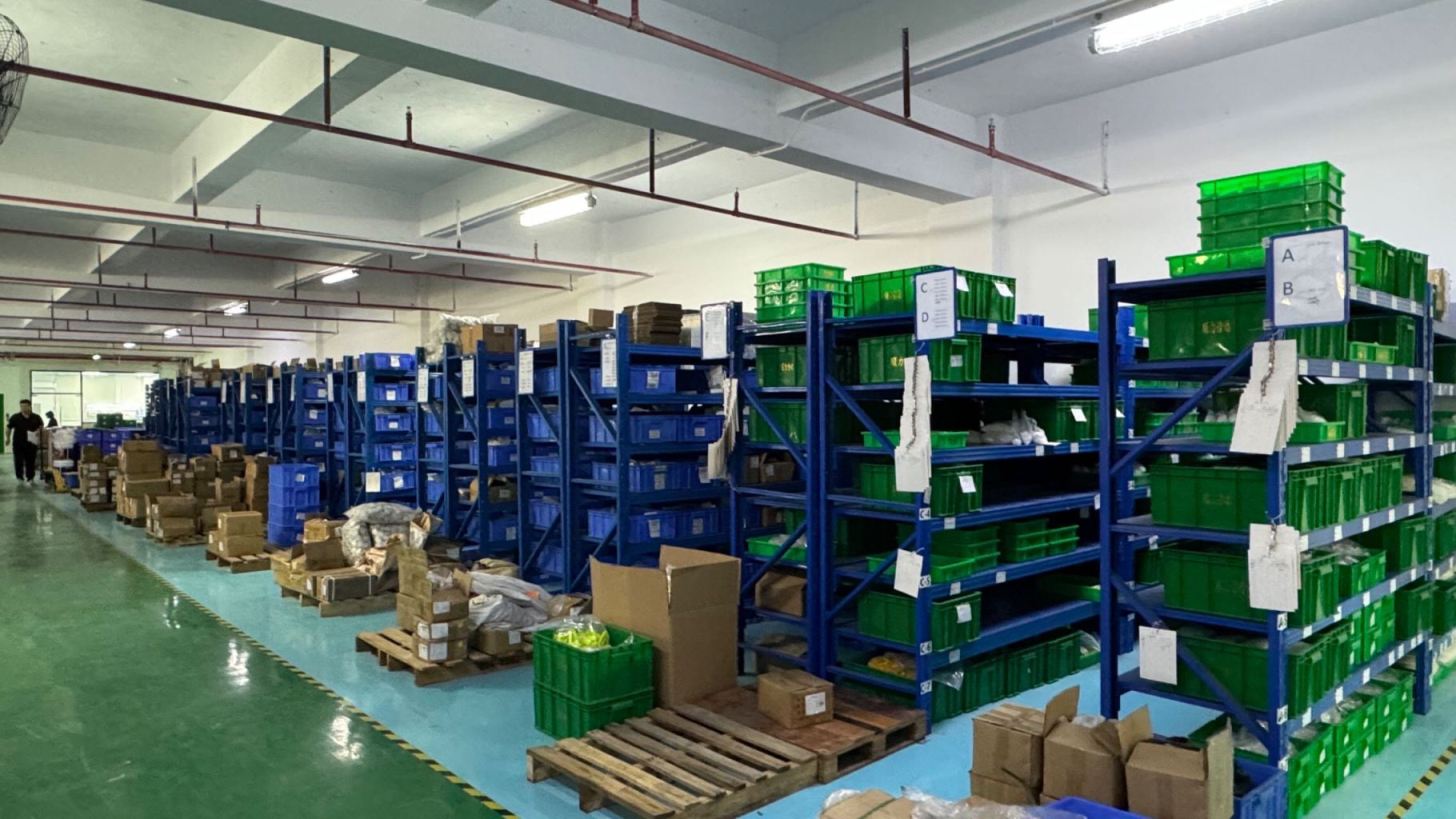
Real-world environments subject motors to demanding conditions, including thermal shock, high humidity, corrosive atmospheres, and structural vibration. To prevent early field failures, remote motor designs must undergo testing in dedicated environmental chambers. Every batch must pass quality checkpoints, ensuring consistent reliability for industrial and consumer applications.
Luv Motors uses a specialized metrology lab to test performance across temperature and humidity variations, monitor operational noise levels, and evaluate structural integrity. This comprehensive quality process helps prevent issues and ensures high performance in demanding applications.
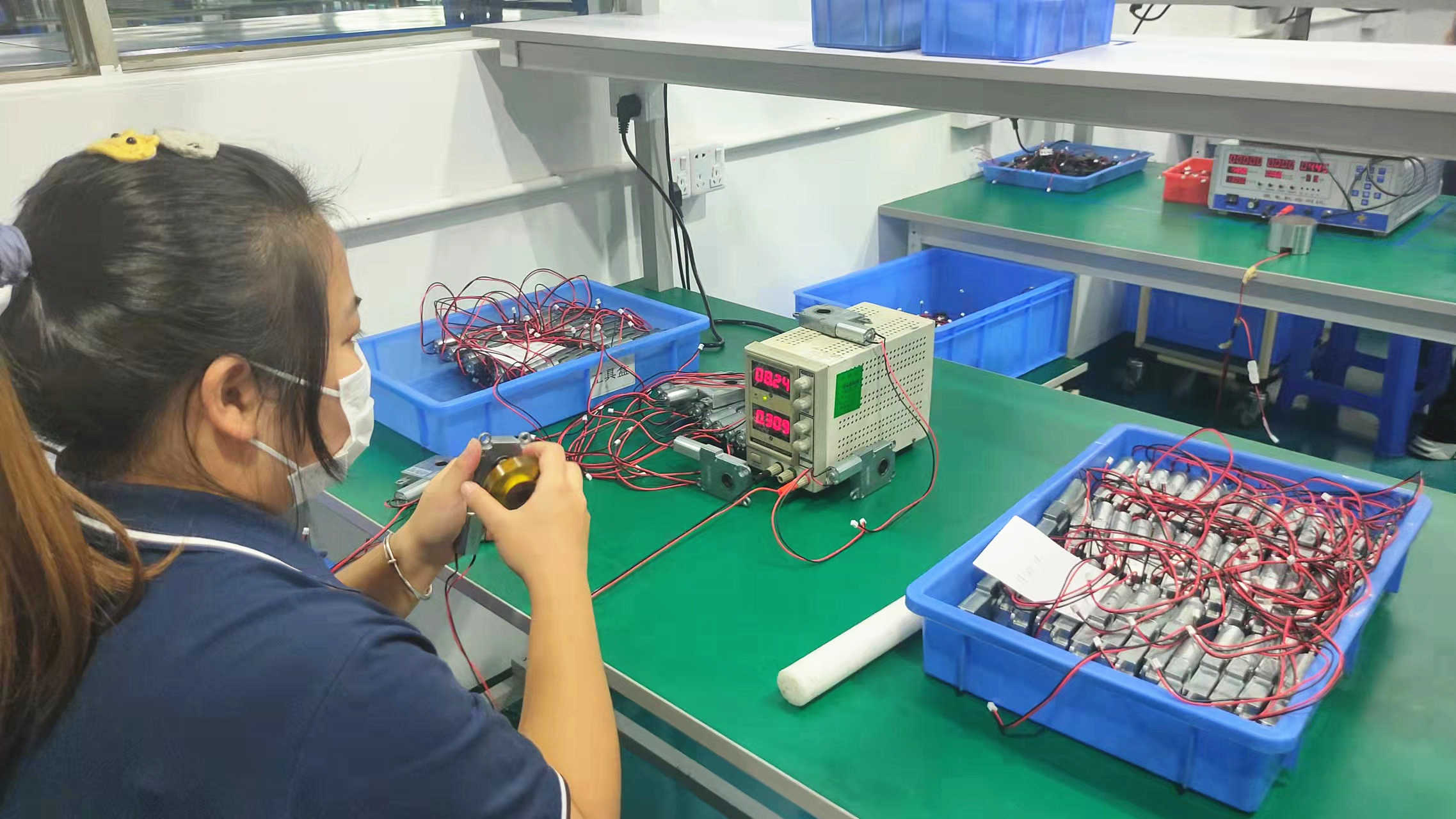
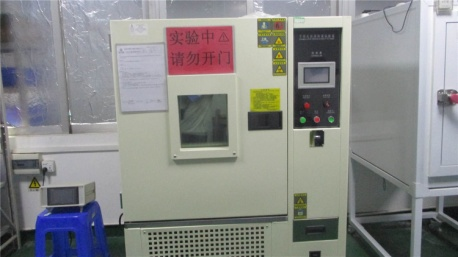
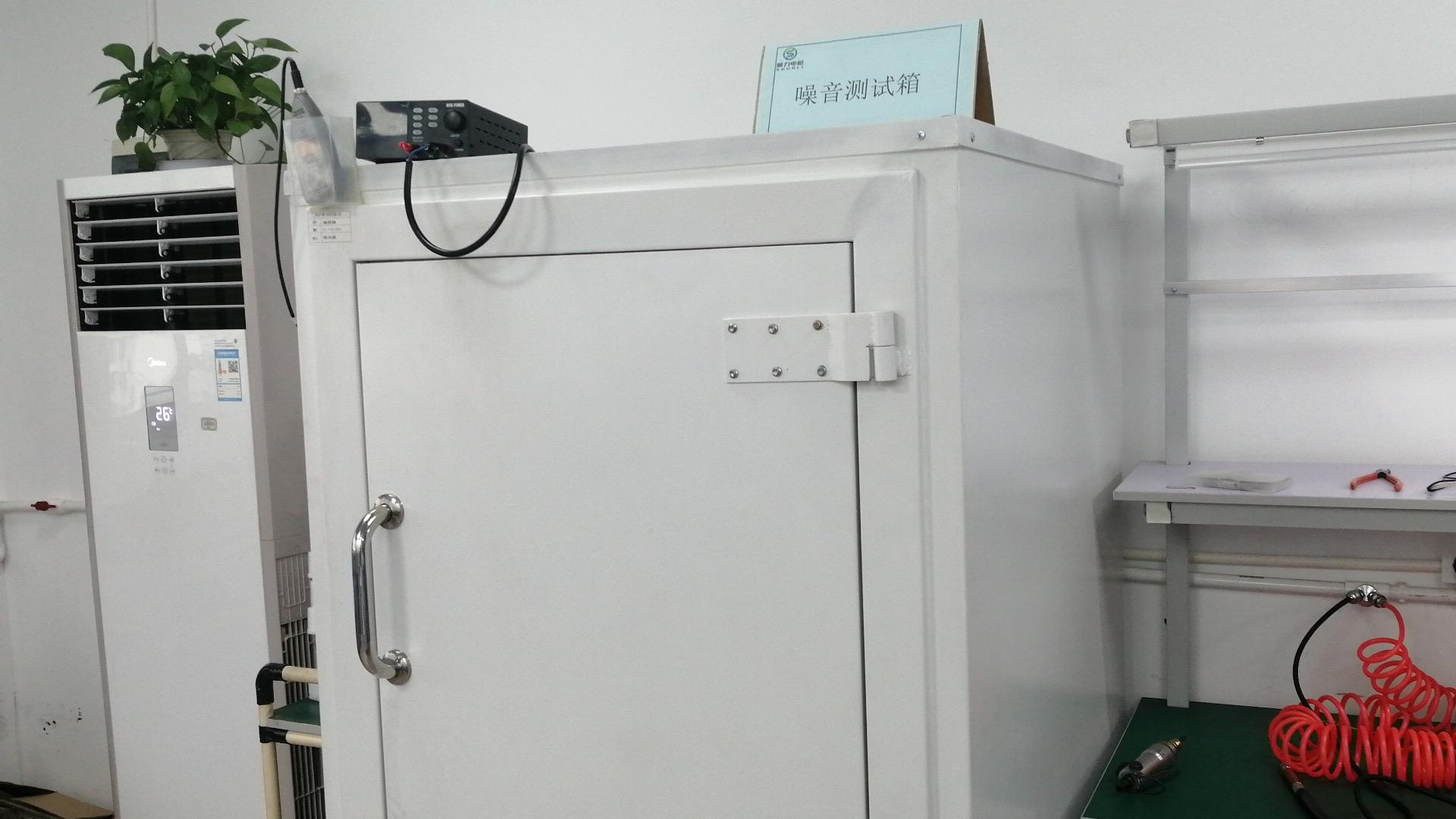
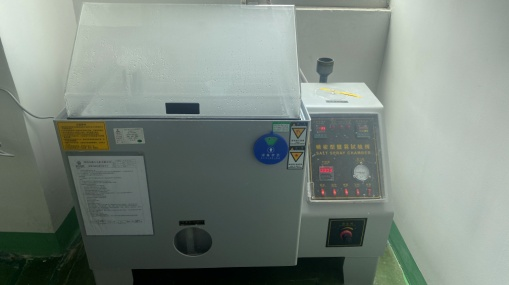
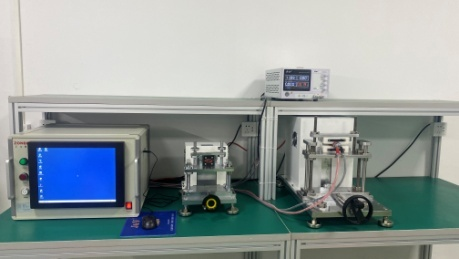
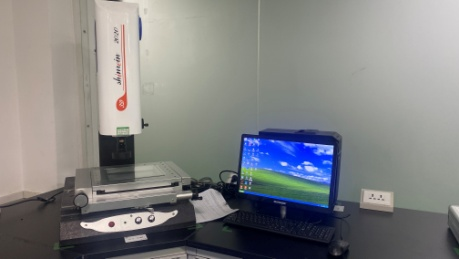
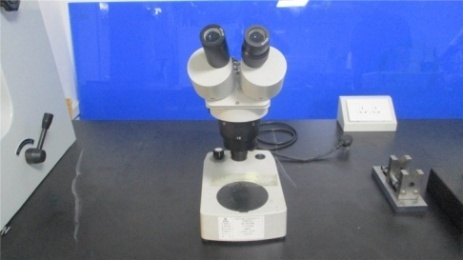
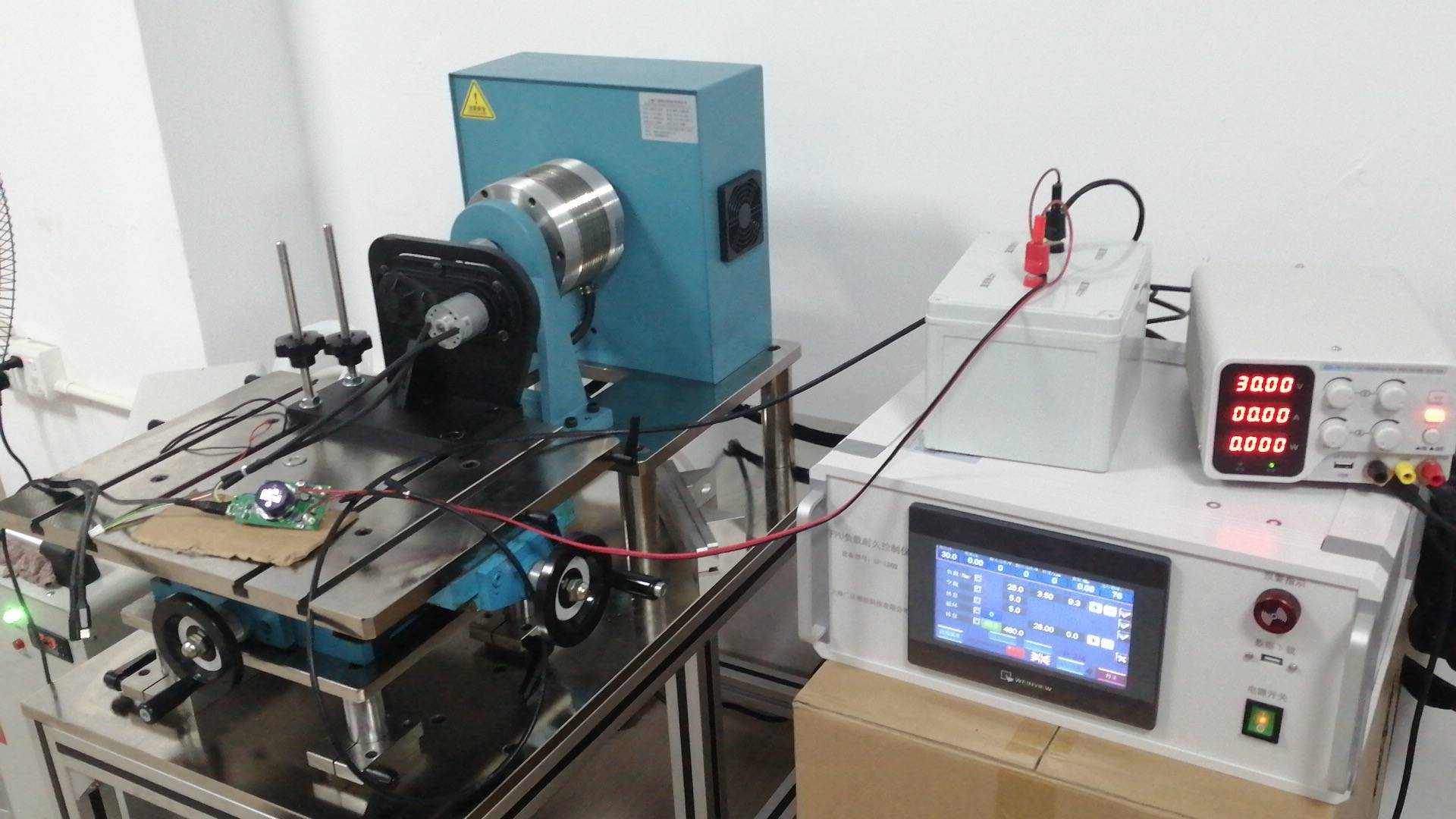
Using computerized dynamometer testing, engineers analyze speed-torque curves, measure starting current levels, and verify efficiency performance. Salt spray testing confirms corrosion resistance for outdoor installations, while programmable thermal chambers test operation from -40°C to over 100°C. Microscopic inspection of critical gear teeth and winding connections ensures consistent assembly quality before shipping.
The micro motor industry is undergoing a transition driven by smart automation, regulatory requirements for higher efficiency, and miniaturization. High-precision gearboxes and brushless DC (BLDC) motors are replacing traditional brushed designs in applications that require continuous operation and precise control.
Modern micro-drive designs increasingly feature built-in drive electronics and control boards. Integrating controllers directly onto the motor housing reduces external wiring, simplifies installation, and improves EMC performance.
Integrating high-resolution magnetic and optical encoders enables precise position feedback. This level of control is essential for smart home applications, robotic joints, and precise fluid metering.
Miniaturization pushes drive diameters down to 4mm. These micro-drive units find applications in medical devices, handheld electronics, and aerospace components where space and weight are strictly limited.
This transition from simple fixed-speed AC shaded pole systems to intelligent, variable-speed BLDC systems represents a significant step forward. Closed-loop feedback mechanisms allow systems to monitor torque output, adjust speed dynamically to shifting loads, and communicate operational diagnostics to centralized management systems.
High-precision micro gear motors are critical components in modern commercial systems, smart home setups, and industrial installations. Customized micro-drive systems solve complex mechanical challenges across several key fields:
Whether powering automatic lifting curtains, smart locks, air filtration systems, or high-performance coffee makers, micro motors must deliver quiet operation, consistent torque, and space-saving designs.
From electric vehicle thermal management actuators and smart headlight adjusters to HVAC air dampers, modern automotive systems require robust durability under extreme operating temperatures and mechanical stress.
Laboratory diagnostic equipment, medication dosing pumps, surgical robotics, and high-precision pick-and-place industrial assemblies rely on precise positioning, low backlash, and integrated feedback sensors.
Global supply chain logistics require strict compliance with international standards and robust logistical support. High-performance motor exporters must verify their compliance frameworks, ensuring compatibility across diverse global markets.
Working with partners who have established logistics paths, dynamic custom clearance channels, and native technical sales divisions ensures smooth project execution. Luv Motors provides full certification validation, rapid prototyping cycles, and structured batch production tracking to ensure reliable delivery times and consistent part quality.
Answering essential questions about micro motor customization, selection parameters, and supply chain logistics.
High-torque configurations, variable speed control options, and specialized single-phase AC solutions.
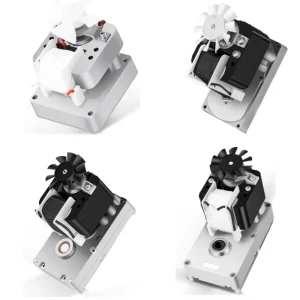
 Luv Motors