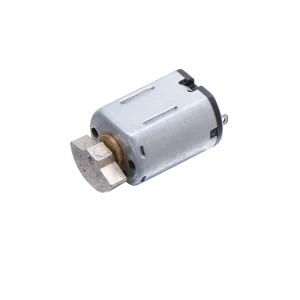
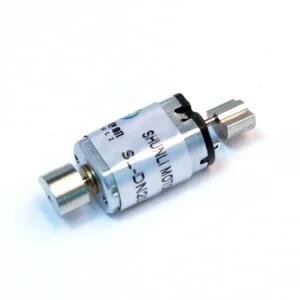
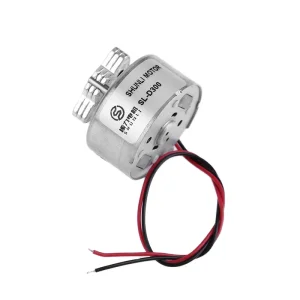
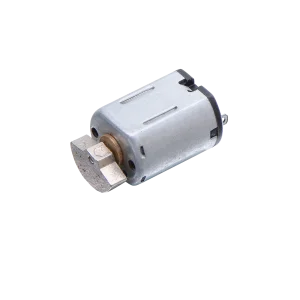
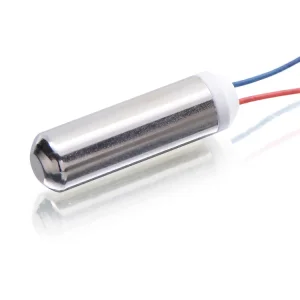
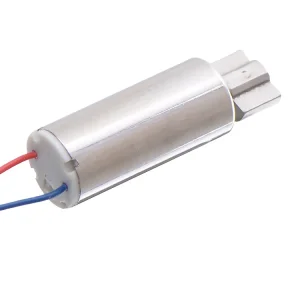
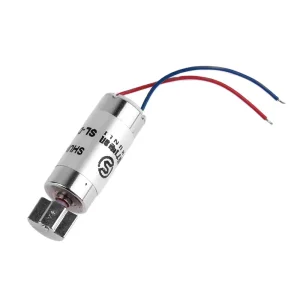
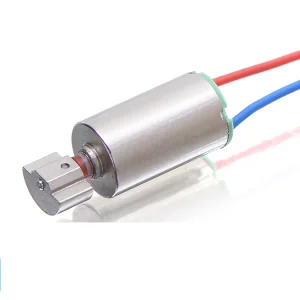
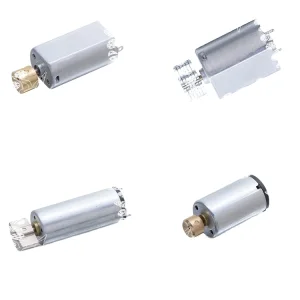
Selected high-efficiency micro DC vibrating components engineered to meet the strict quality standards of the Seoul technology corridor.
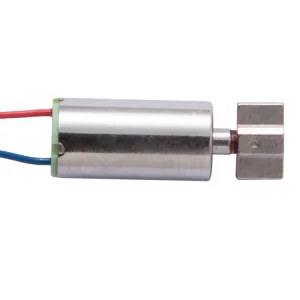
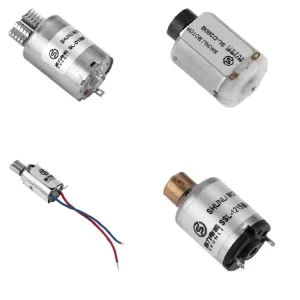
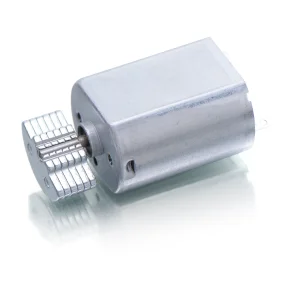
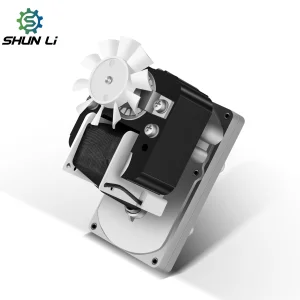
A comprehensive analysis of current demand, technological transitions, and global supply configurations for micro DC vibration motors.
Seoul, standing as one of the world's most dense technology hubs, hosts a complex network of research and development facilities ranging from consumer electronics conglomerates to emerging biomedical startups. In districts such as the Gasan Digital Complex and the Pangyo Techno Valley (acting as the extended software and hardware node), there is a rapidly accelerating demand for high-performance, sub-miniature physical feedback actuators. Modern hardware design is shifting away from flat visual screens toward multi-sensory interactive surfaces. This evolution has elevated the importance of the humble DC Micro Vibration Motor from a basic alert buzzer into a critical component of user experience (UX) design.
As Seoul's industrial focus intensifies around Internet of Things (IoT) infrastructure, K-Beauty electronic apparatuses, and specialized healthcare diagnostics, developers require motors that offer precise startup times, minimal energy consumption, and high operational lifespans. Standard off-the-shelf components no longer suffice; the focus has shifted toward highly customized, application-specific vibration modules that can be seamlessly integrated into space-constrained form factors.
"The core challenge for Seoul's product designers is balancing the strict battery limits of wearable IoT devices with the need for high-impact haptic feedback. This requires a direct relationship with manufacturers who control the fundamental motor dynamics, from coil winding density to magnetic field geometry."
For procurement professionals and hardware engineers in Seoul, sourcing directly from a specialized factory in China like Luv Motors presents a critical strategic advantage over local distributors. The core benefits lie in three areas: direct access to the design engineering team, rapid prototyping, and the cost benefits of a scaled supply chain.
Established in 2006, Luv Motors is a certified High-Tech China manufacturer specializing in high-performance micro DC motors, gear motors, and brushless motors (BLDC). With an ISO9001-certified production facility and a dedicated in-house engineering team, Luv Motors bridges the gap between complex engineering requirements and high-volume, reliable production. Working directly with Luv Motors removes intermediate pricing layers, allowing Seoul's hardware firms to redirect budgets toward R&D and market positioning.
True E-E-A-T (Experience, Expertise, Authoritativeness, and Trustworthiness) is demonstrated through open documentation of how products are conceptualized, built, and tested. The manufacturing floor at Luv Motors operates with precision, utilizing both automated assembly lines and specialized manual procedures for intricate custom requests.
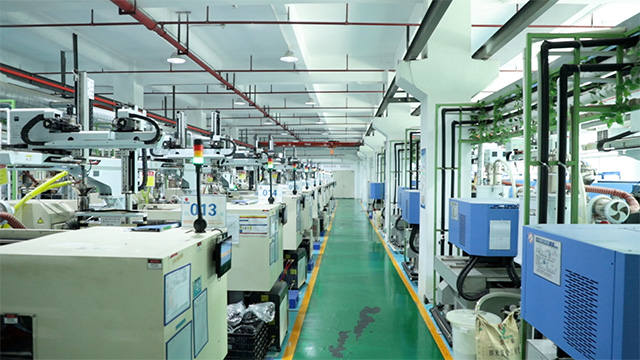

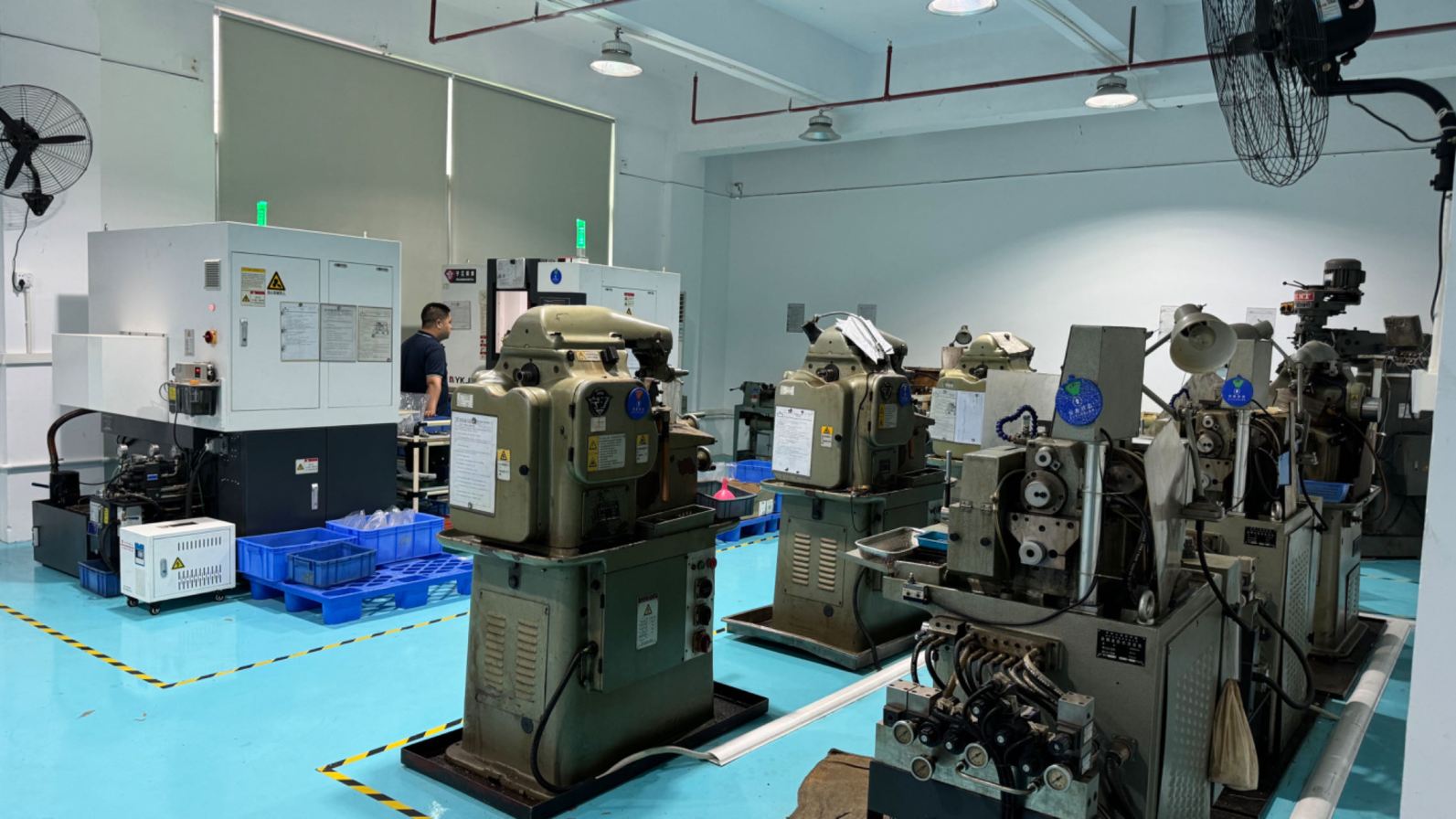
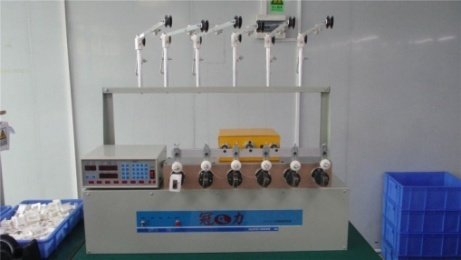
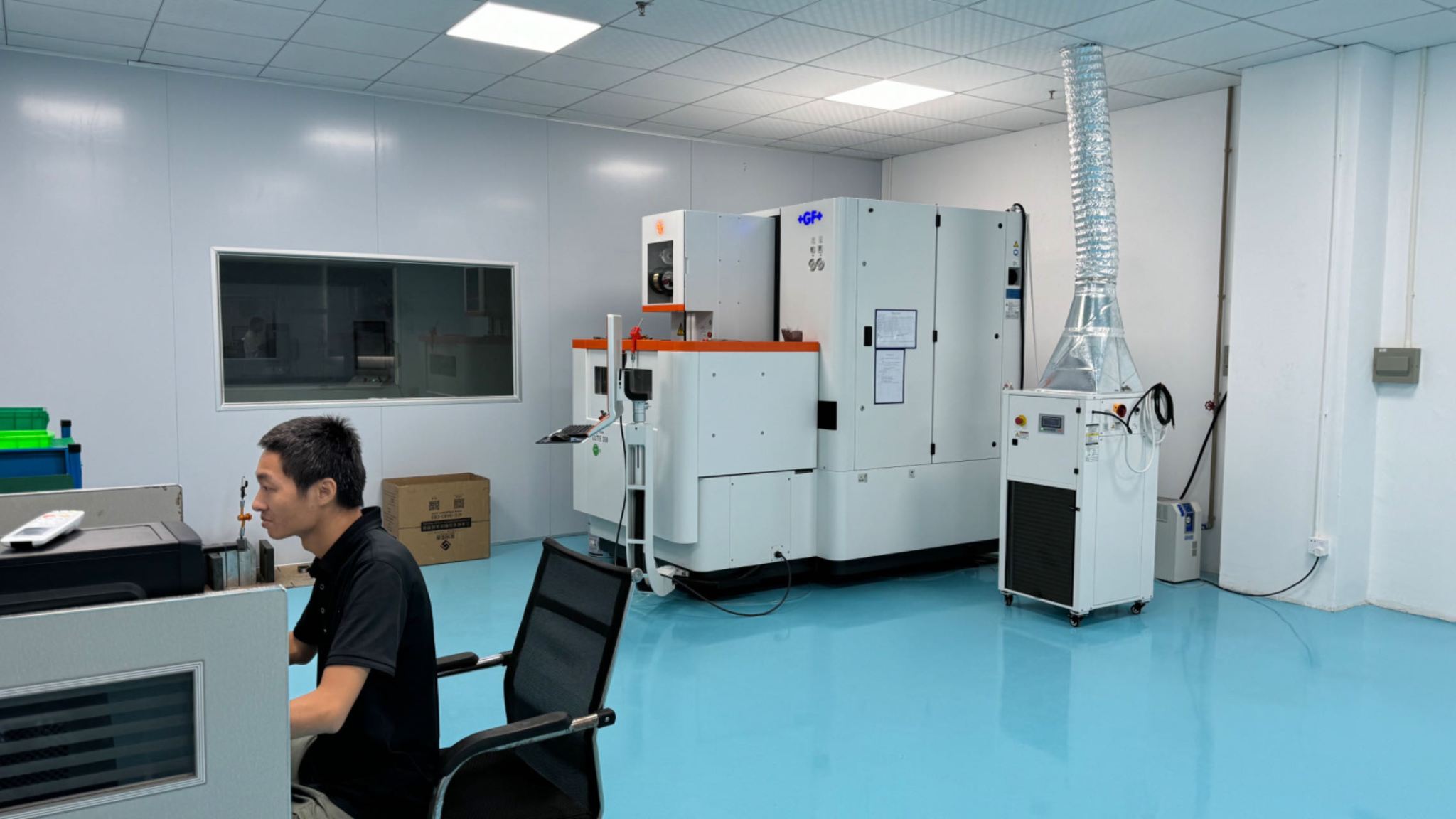
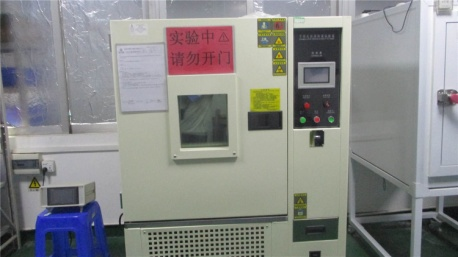
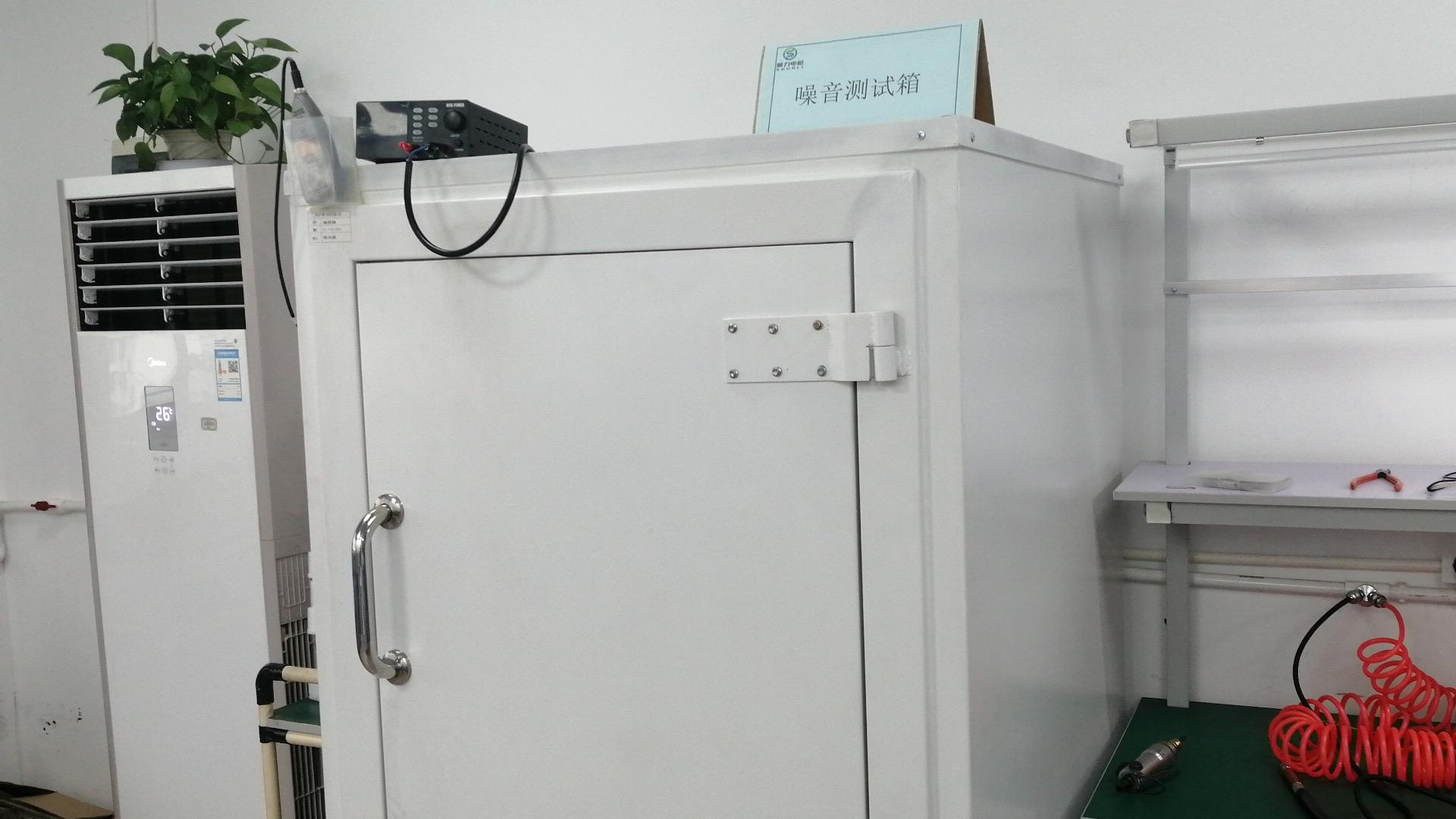
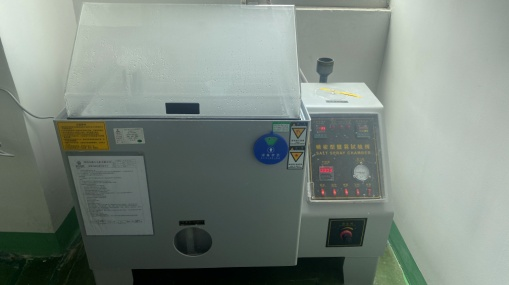
Quality control is integrated into every phase of production. It begins with raw material checks, where magnetic purity and wire coil dimensions are verified. During manufacturing, specialized processes like computerized wire winding ensure uniform tension and resistance in the coils, which directly prevents internal short circuits and uneven wear. Sub-assemblies undergo automated checks for commutation alignment before final enclosure sealing. Finally, finished batches undergo rigorous testing using constant temperature/humidity chambers, noise chambers, and salt spray setups to confirm that each unit meets specified environmental tolerance thresholds.
Three main trends are driving evolution in the micro vibration motor sector:
| Motor Classification | Typical Voltage Range | Response Time | Lifespan Expectancy | Primary Industrial Use-Case |
|---|---|---|---|---|
| Cylinder ERM (Brushed) | 1.5V - 6V DC | 50ms - 80ms | ~100,000 cycles | Machine toys, general alert indicators, handheld massagers |
| Coin ERM (Brushed Flat) | 2.4V - 5V DC | 60ms - 90ms | ~80,000 cycles | Low-profile wearables, personal wellness items, beauty instruments |
| Linear Resonant Actuators (LRA) | 1.5V - 3V AC | 10ms - 20ms | >500,000 cycles | Premium mobile phones, automotive console screens, VR systems |
| Micro BLDC Vibration | 3V - 12V DC | 20ms - 30ms | >1,000,000 cycles | Medical diagnostic gear, aerospace feedback systems, IoT hardware |
When sourcing DC micro vibration motors for high-precision applications, procurement departments should evaluate suppliers on several criteria beyond unit cost:
Get in touch with Luv Motors' application engineers today. We offer custom electrical parameters, specialized eccentric weights, and volume pricing structures direct from our ISO9001 factory.
Send Inquiry NowExpert technical answers regarding design, procurement, and application of DC micro vibration motors.
Explore our full range of micro DC motors, gear motors, and custom vibration solutions for industrial and consumer designs.
 Luv Motors