Engineered for precise speed reduction, self-locking performance, and robust durability in space-constrained industrial assemblies.
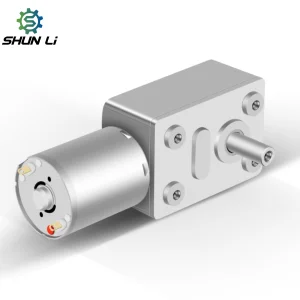
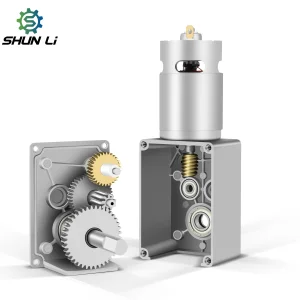
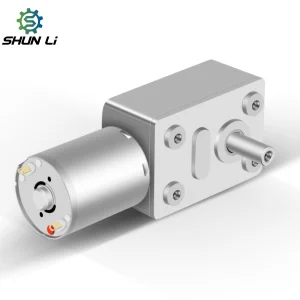
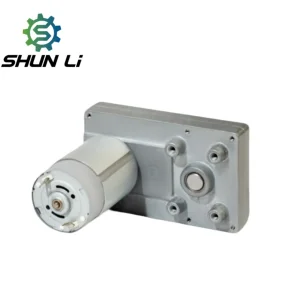
As Victoria transitions from traditional heavy automotive industries toward highly specialized precision manufacturing, logistics automation, and green technologies, the demand for reliable sub-fractional micro drives has surged.
Within Melbourne's vibrant industrial corridors—spanning the logistical logistics hubs of Tullamarine to the high-tech processing zones of Dandenong and Port Melbourne—engineers face challenges in sourcing durable DC drive systems that balance raw torque with ultra-compact form factors.
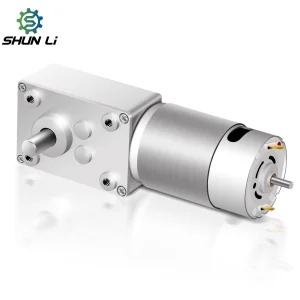
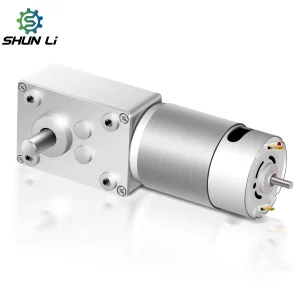
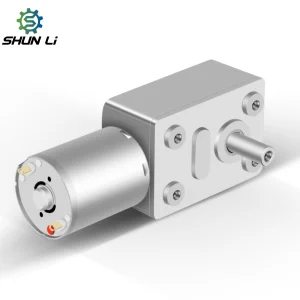
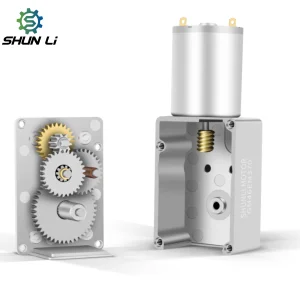
DC worm gear motors represent a unique mechanical solution. Utilizing a perpendicular right-angle output shaft design combined with single-start or multi-start worm screws, these systems inherently provide high reduction ratios in minimal physical volumes. This geometric layout is highly valued by system designers who must optimize the internal space layout of modern commercial kiosks, pharmaceutical dispensers, and robotic grippers.
Furthermore, Melbourne's local regulatory landscape demands components that conform strictly to EMC directive controls and thermal dissipation limits. Luv Motors bridges this gap by delivering micro drive architectures designed to excel under challenging continuous-use parameters, backed by a comprehensive QA testing regime that mirrors the operational stresses of Victorian industrial lines.
In many automated applications, preventing reverse rotation (back-driving) is a critical safety and operational requirement. The lead angle of a worm gear determines whether it is self-locking. When the friction angle between the worm screw and the worm wheel is larger than the worm screw's lead angle, the wheel cannot drive the worm. This physical phenomenon eliminates the need for expensive electromechanical braking systems in vertical elevator systems, automated medical tables, parking gates, and access control barriers across Victoria.
However, micro-gears must balance this self-locking characteristic with system efficiency. Under high-vibration conditions, the friction coefficient can drop, which may lead to dynamic back-driving. Luv Motors engineers address this by calculating precise helix angles and tooth geometry profiles to guarantee safety margins for OEM designs.
Commercial products like high-end coffee brewing machines, automated ATMs, and medical equipment designed for hospitals in Melbourne must meet strict noise emission regulations. High-pitch gear whining can negatively affect the user experience.
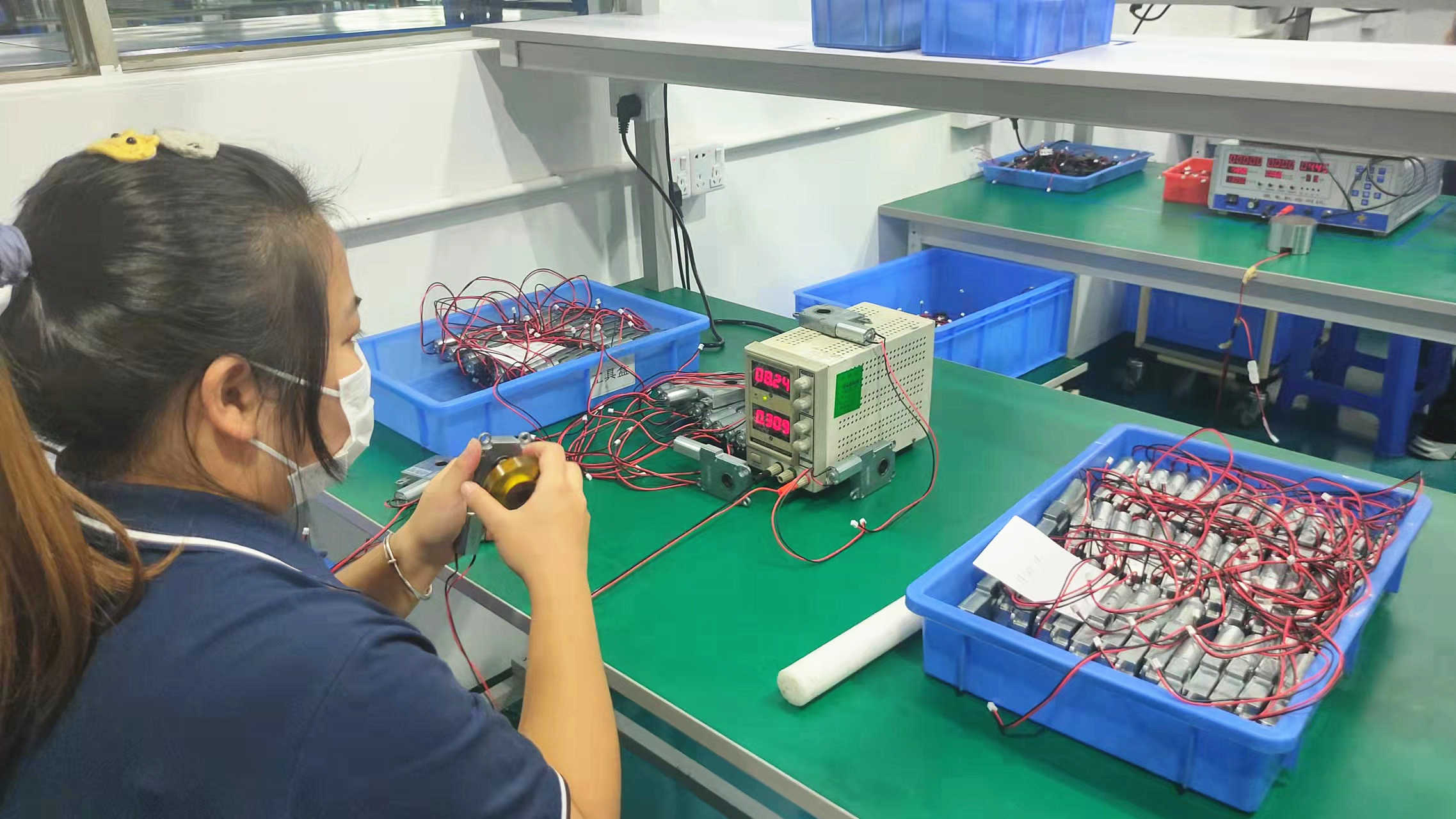
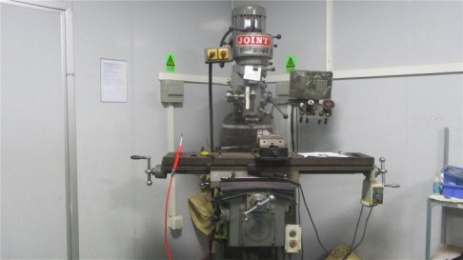
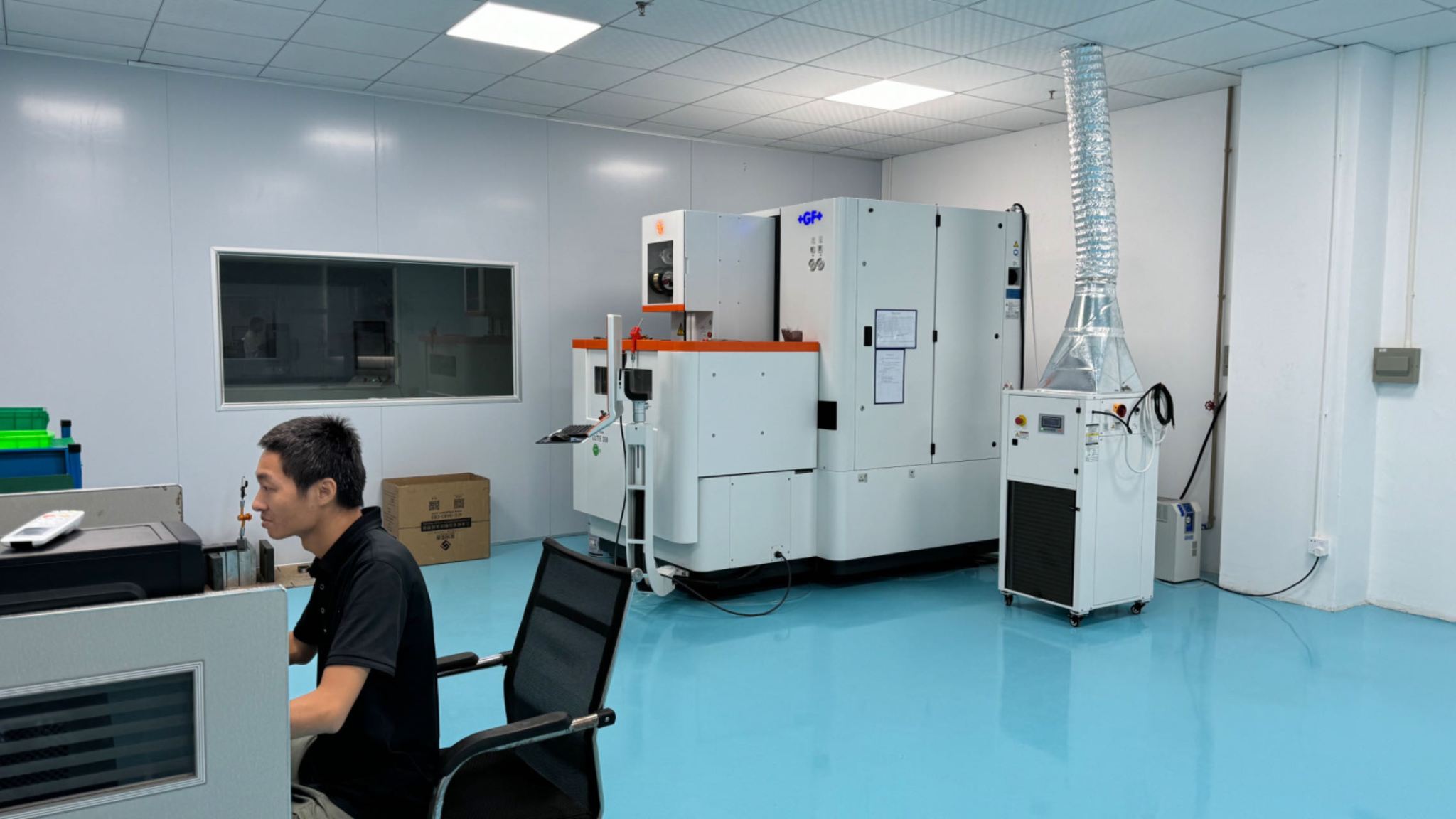
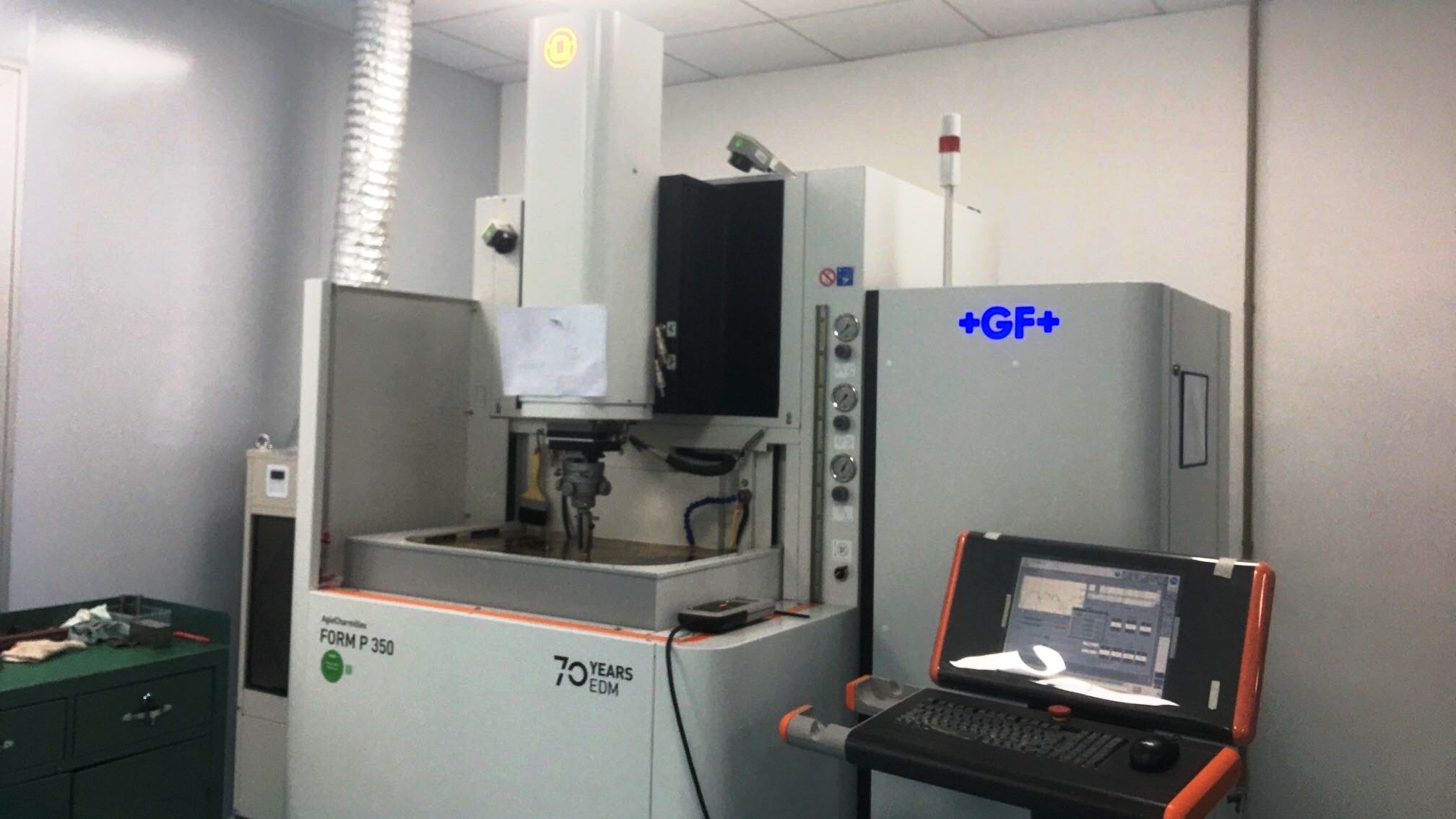
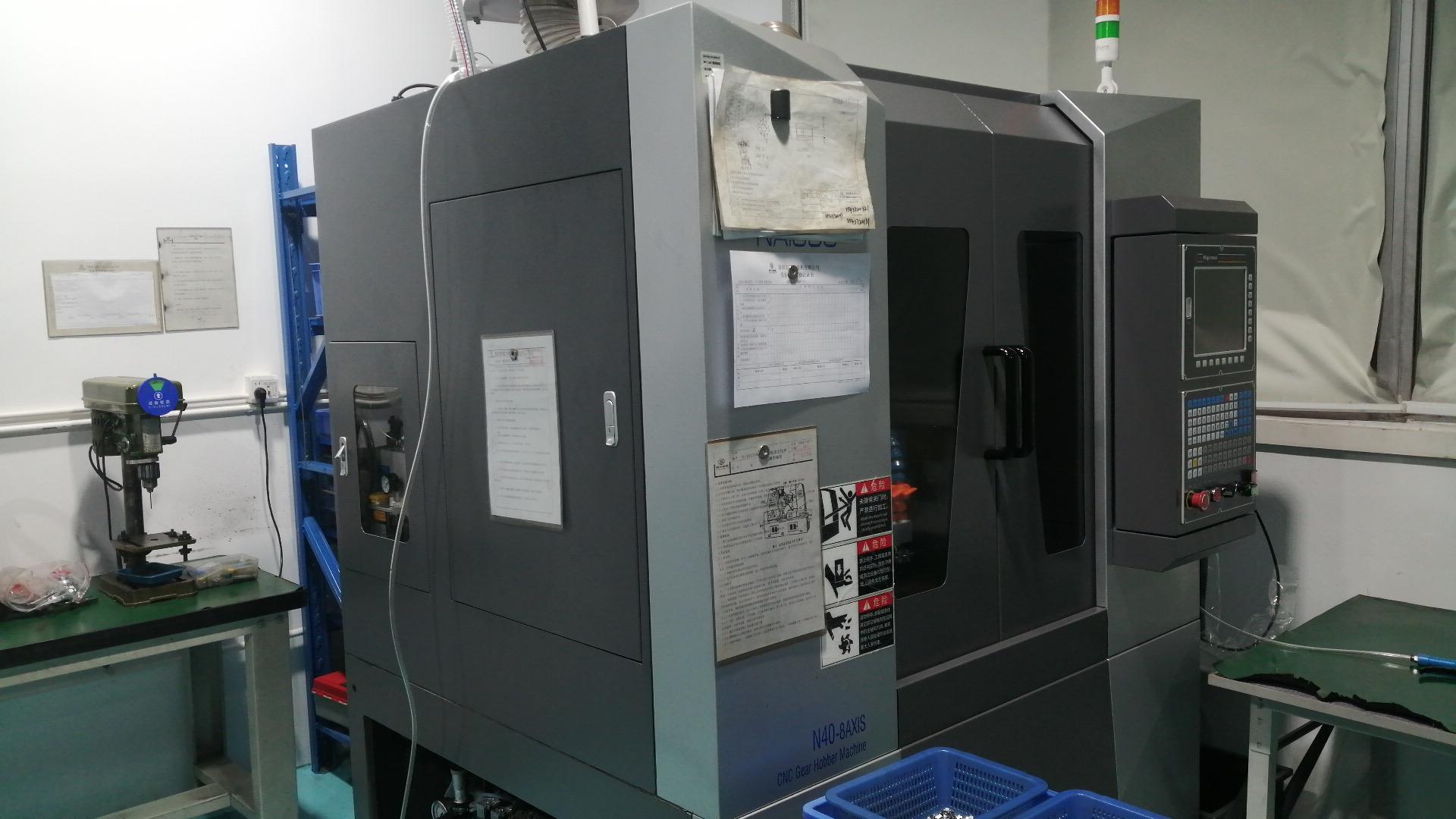
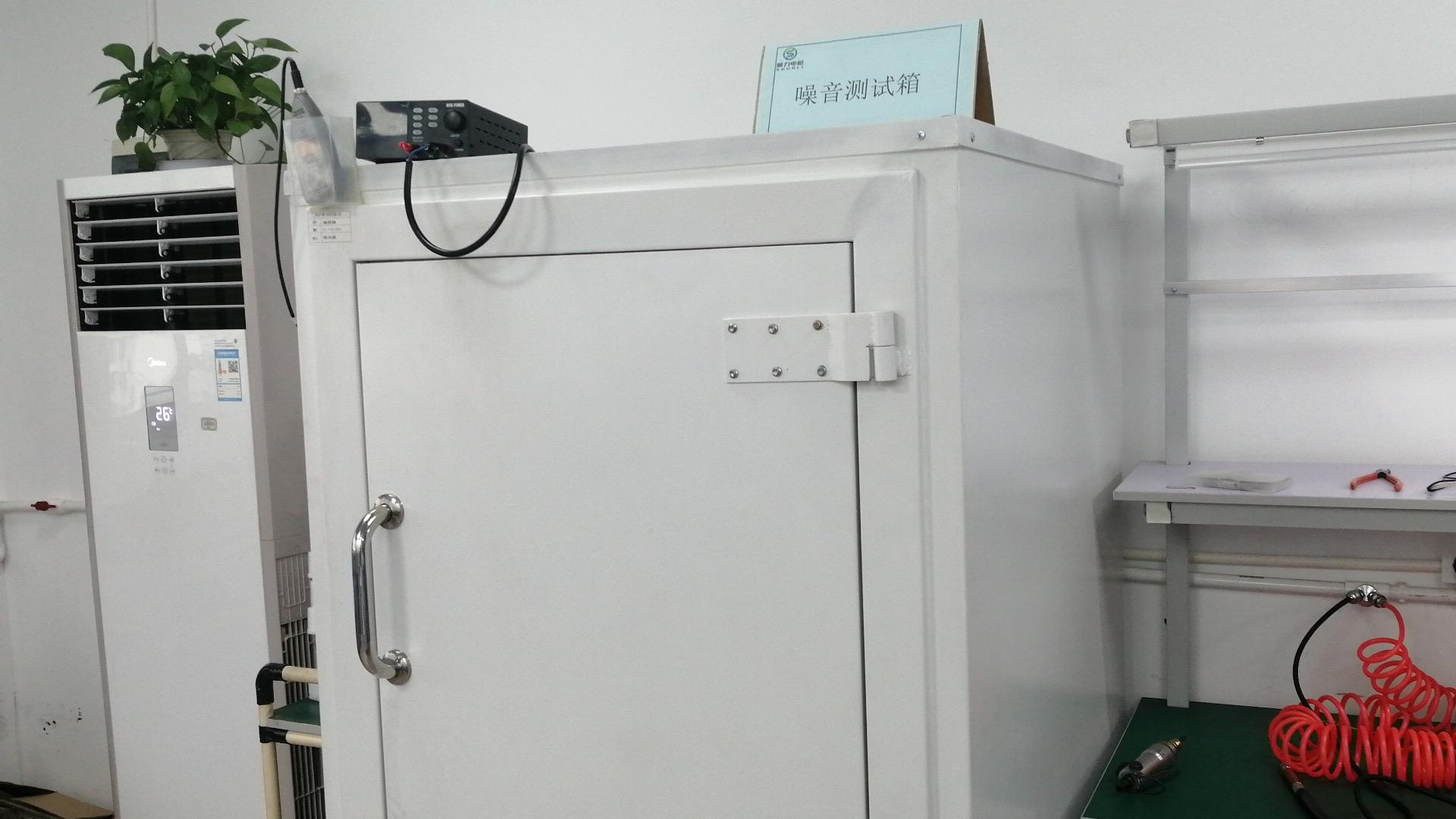
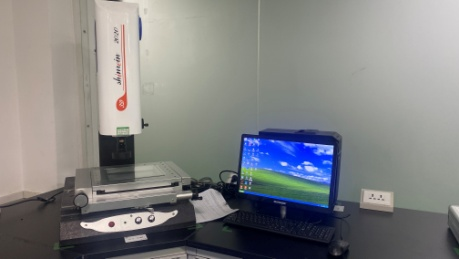
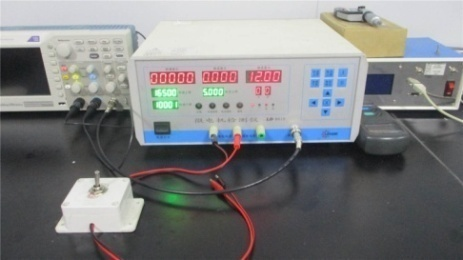
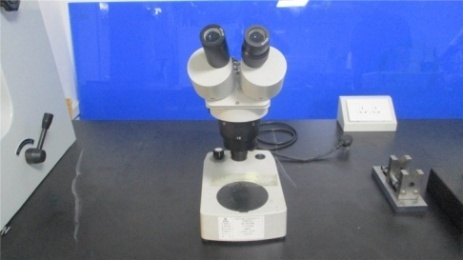
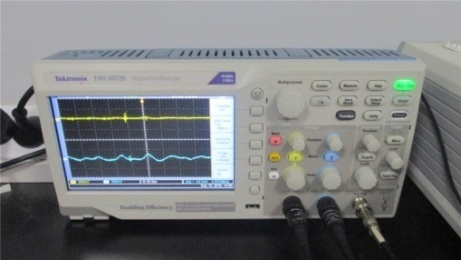
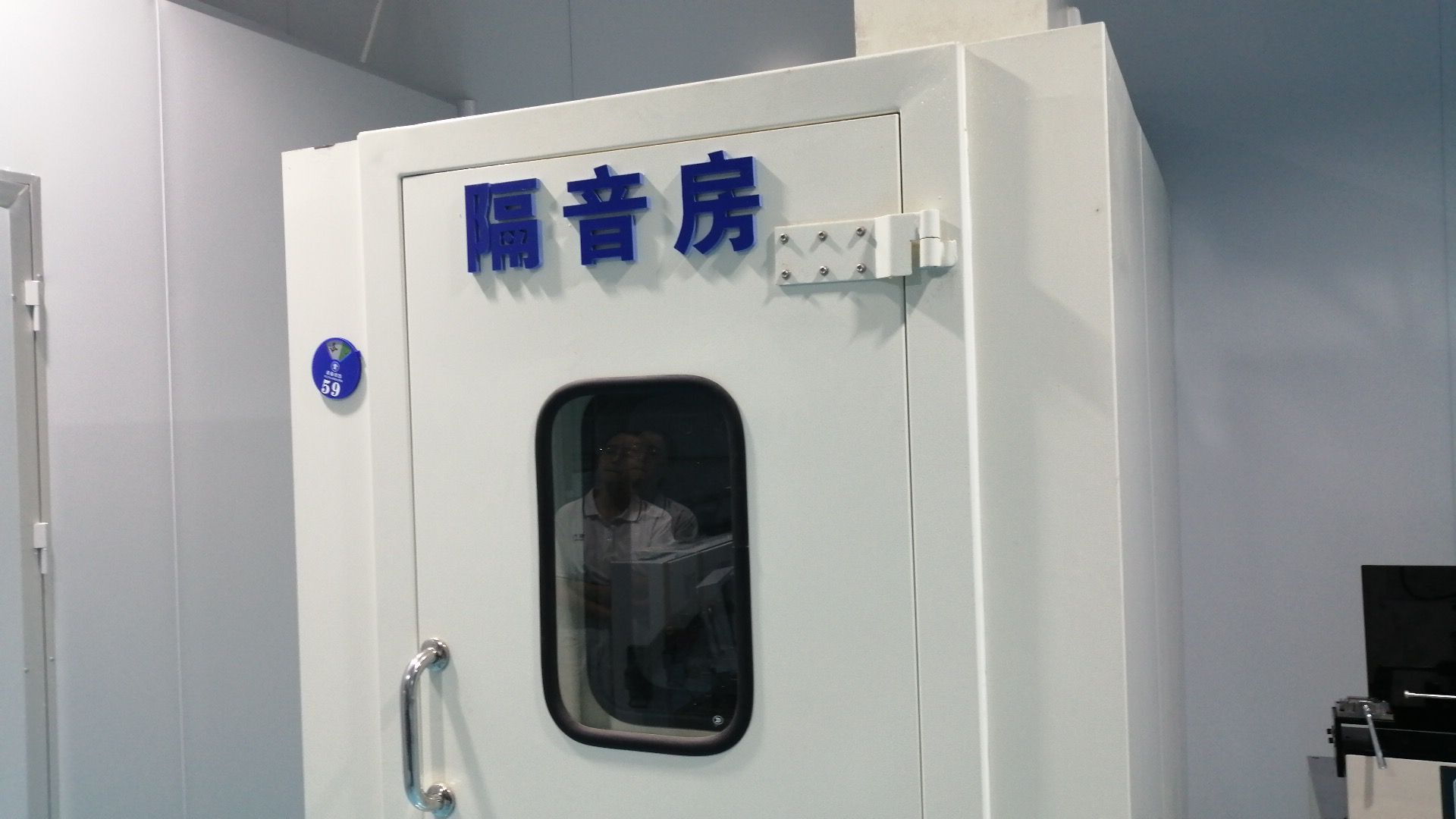
Our research and development team focuses on minimizing noise at its source. We control gear mesh tolerances by using high-precision horizontal gear hobbing machines, lathing machines, and slow-feeding NC wire-cut processes. By substituting standard steel gear wheels with high-density self-lubricating plastics or phosphor bronze in specific stages, we reduce high-frequency mechanical vibration. Every motor batch is validated within our specialized Noise Testing Chambers, ensuring operating noise levels stay below 45dB at a 30cm distance.
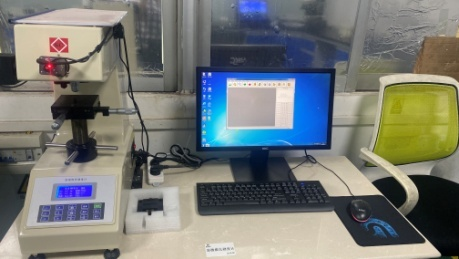
To withstand structural shear stresses, our worm shafts are manufactured from case-hardened structural carbon steel (like 40Cr or carbon-steel alloys) with polished thread flanks. The corresponding output worm wheels are molded or machined from specialized bronze alloys (e.g., QSn6.5-0.1 phosphor bronze) or ultra-high-molecular-weight polymers, maximizing resistance to abrasive wear, minimizing friction, and preventing galling during prolonged duty cycles.
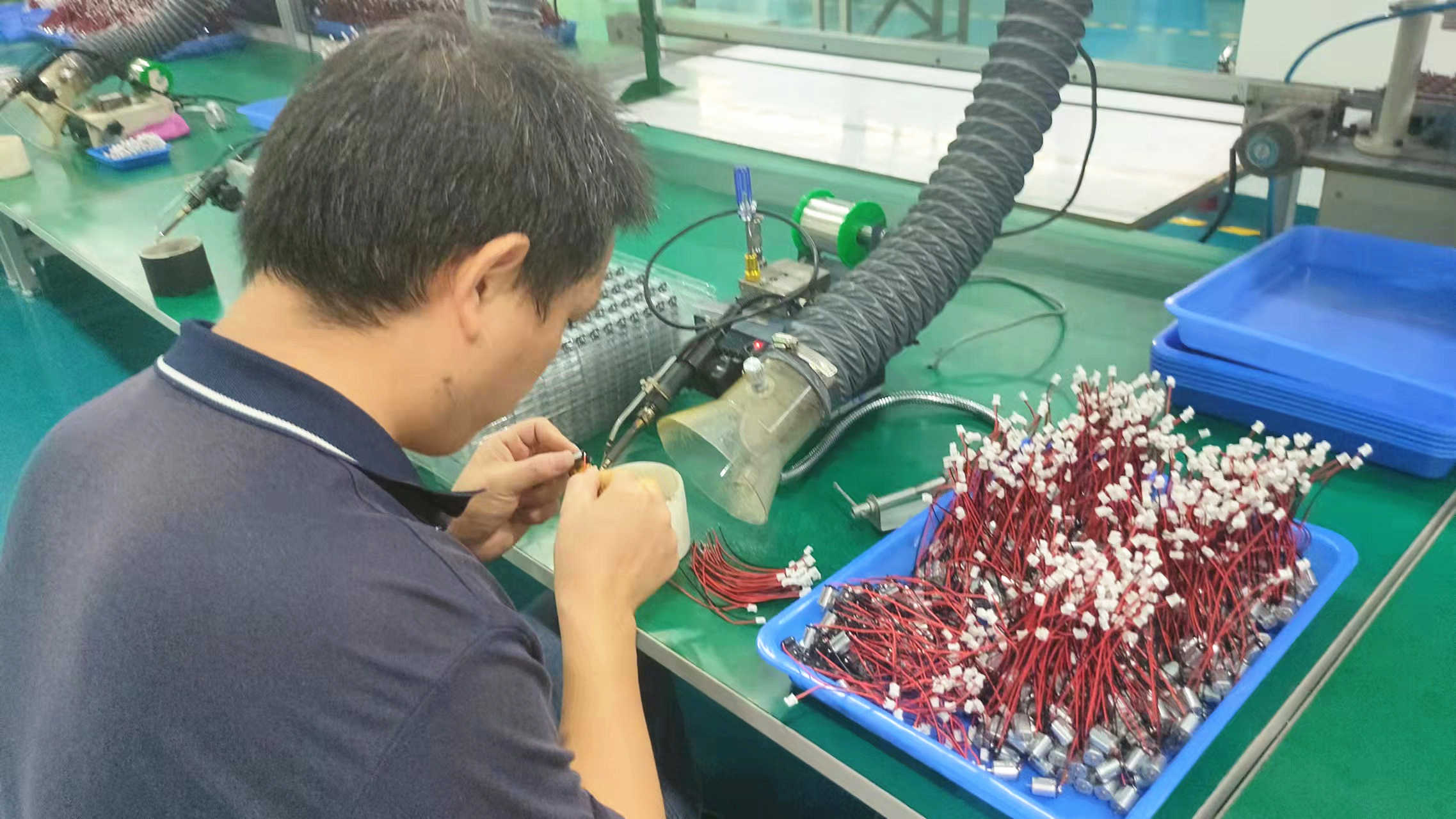
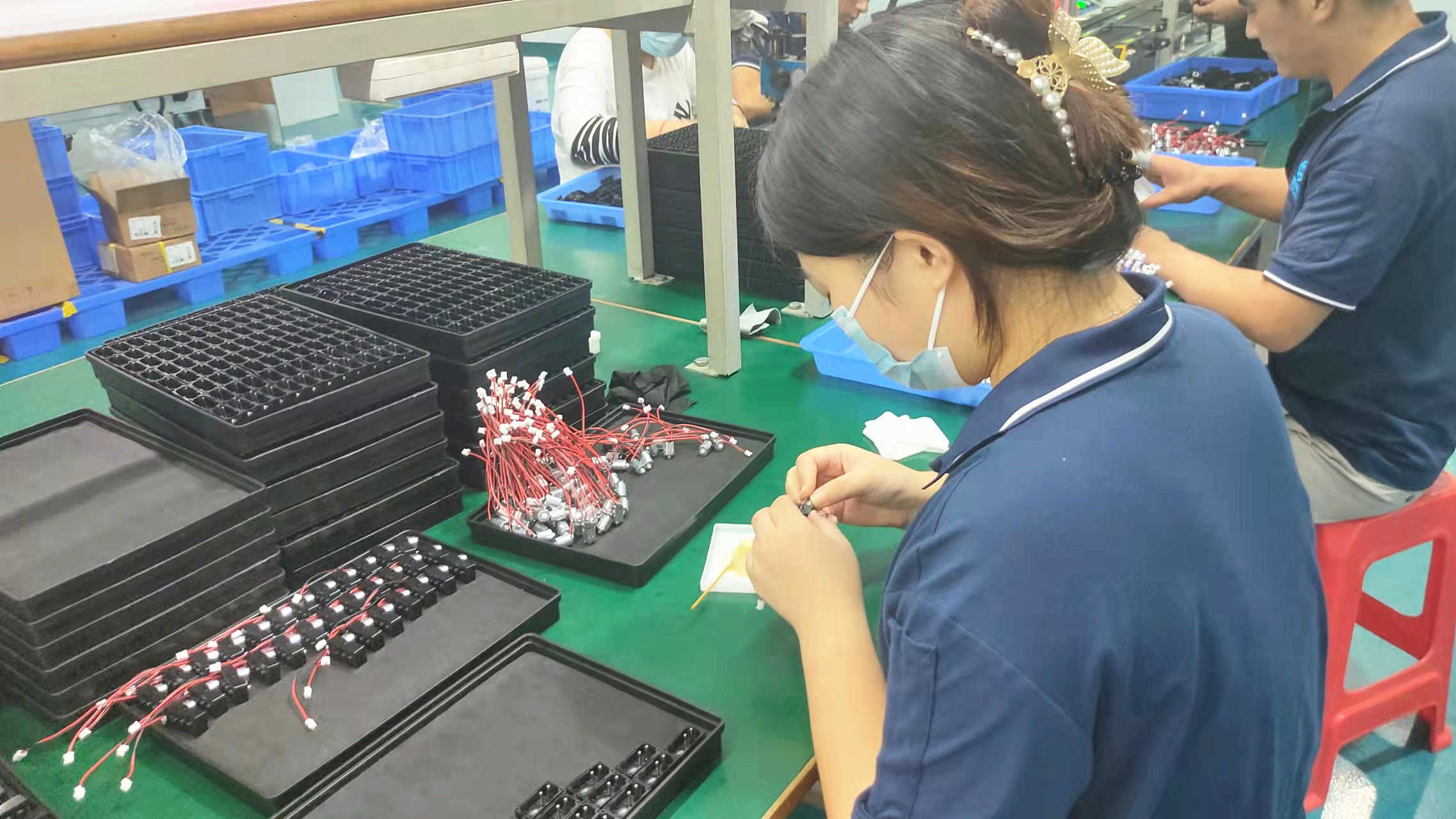
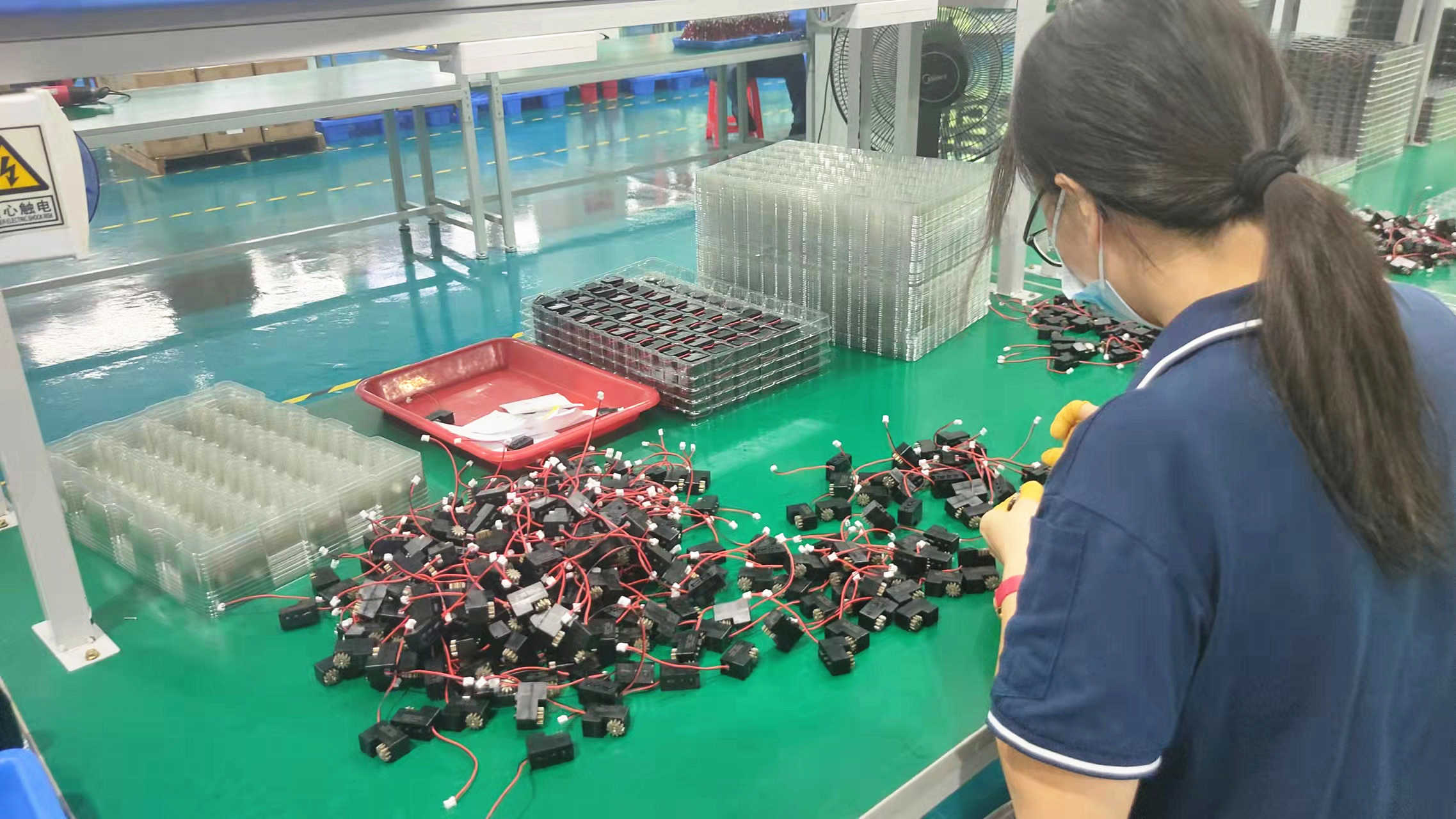
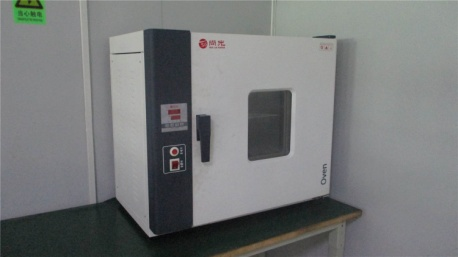
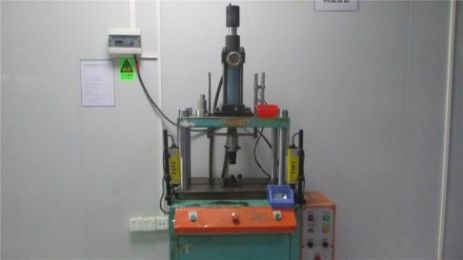
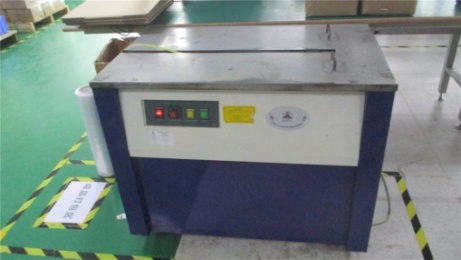
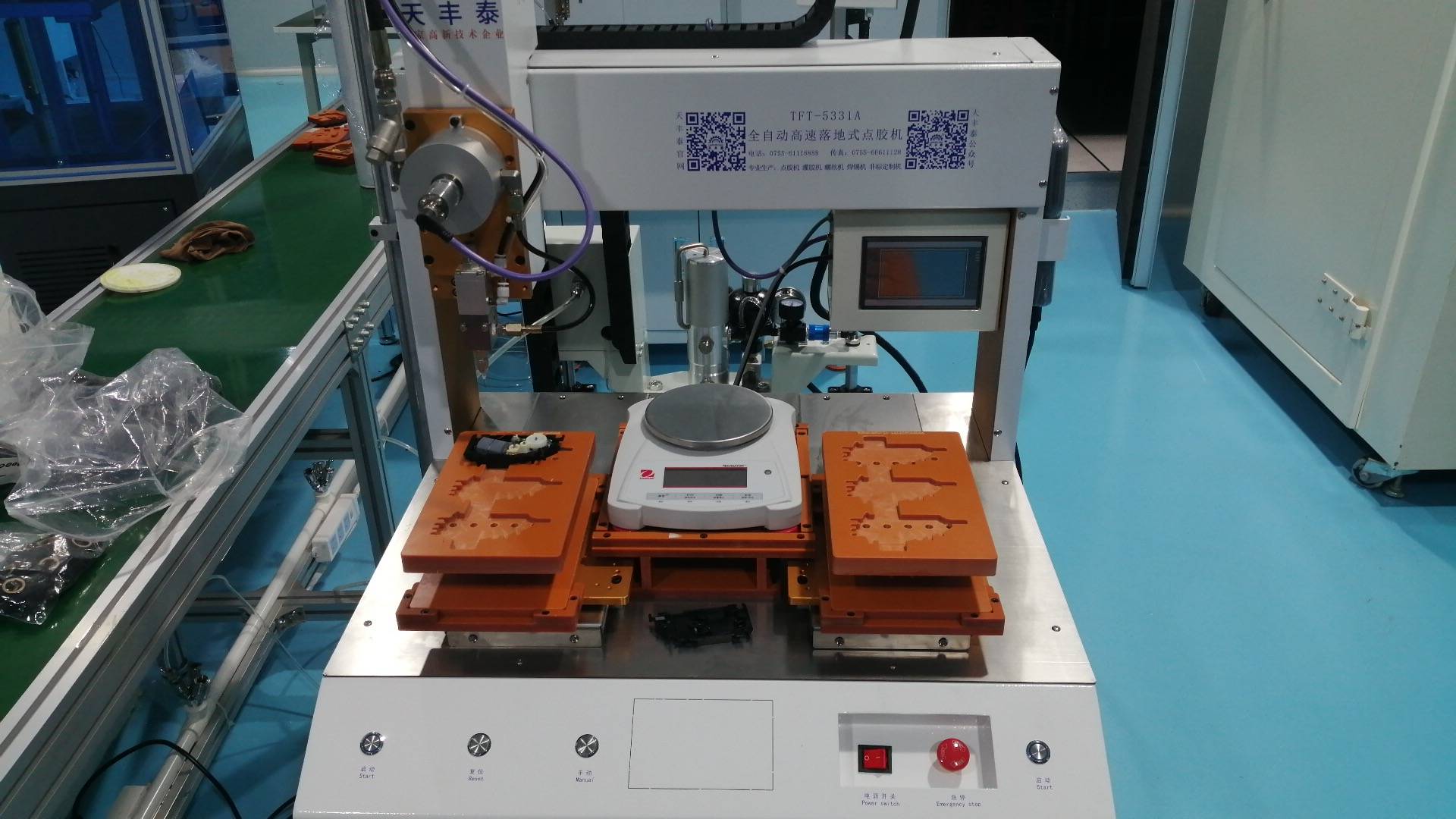
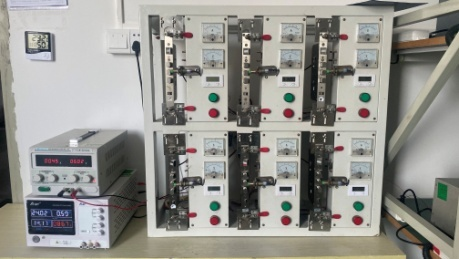
We control every step of the supply chain—from raw metal stocks to wire winding, gear hobbing, and high-frequency testing.

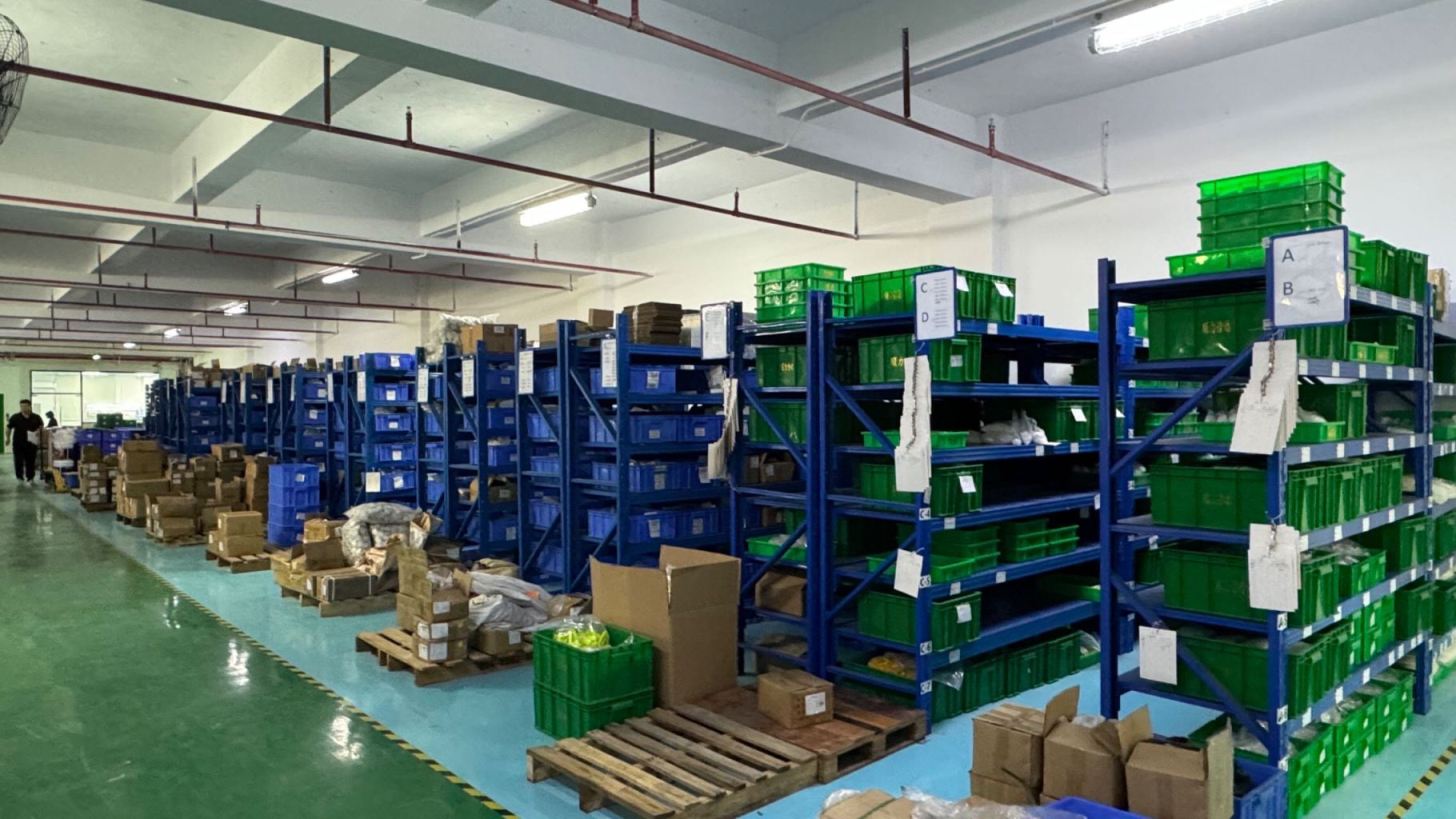
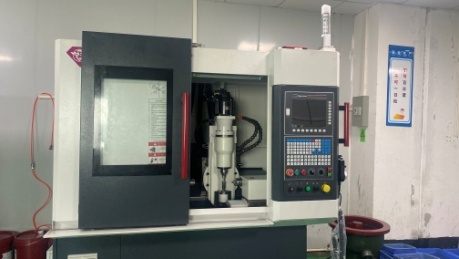
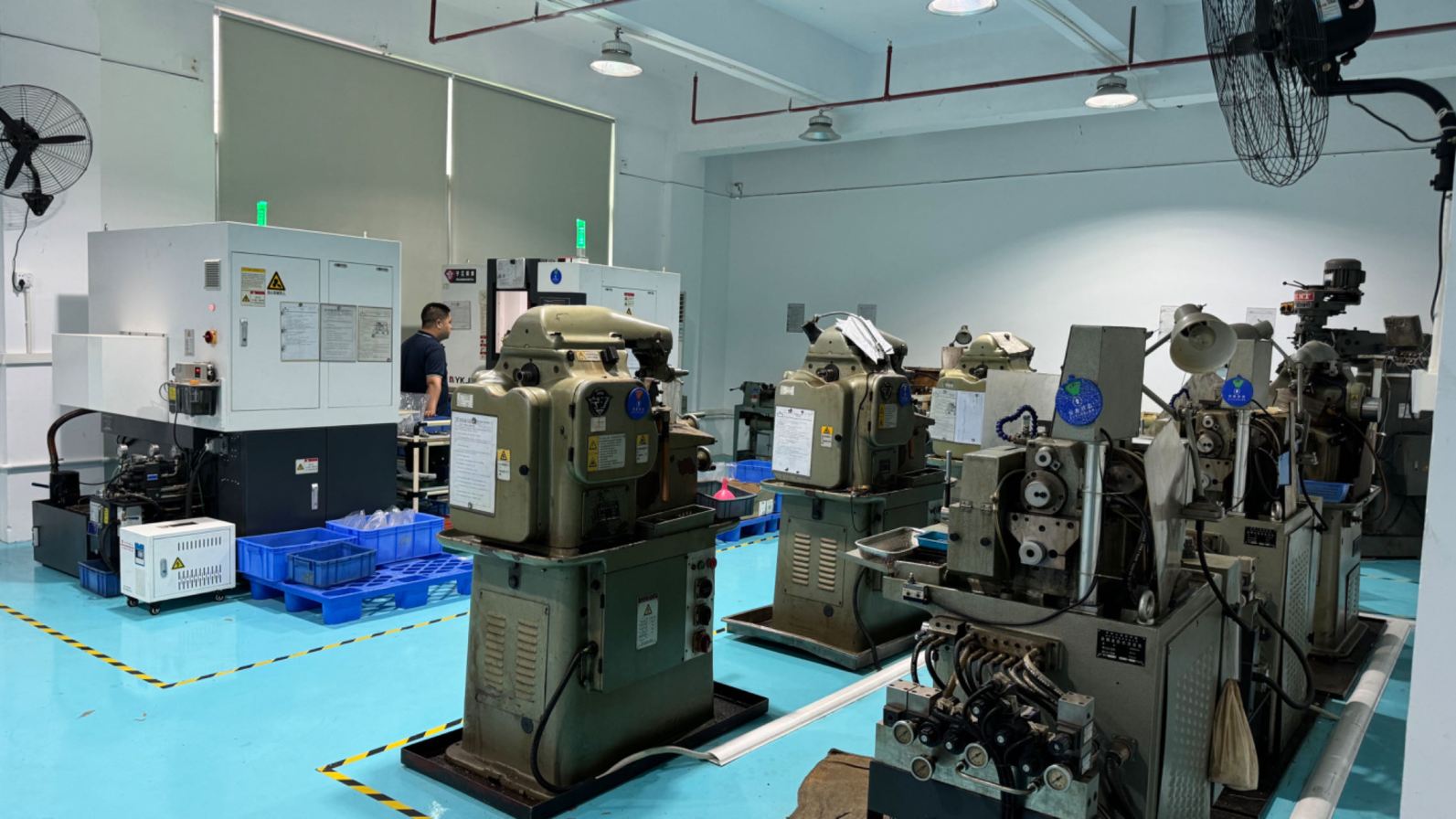
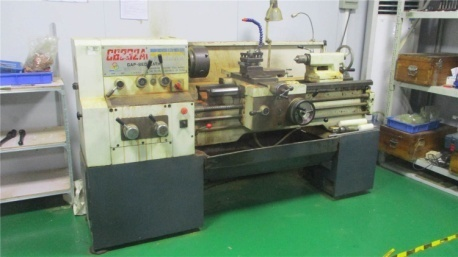
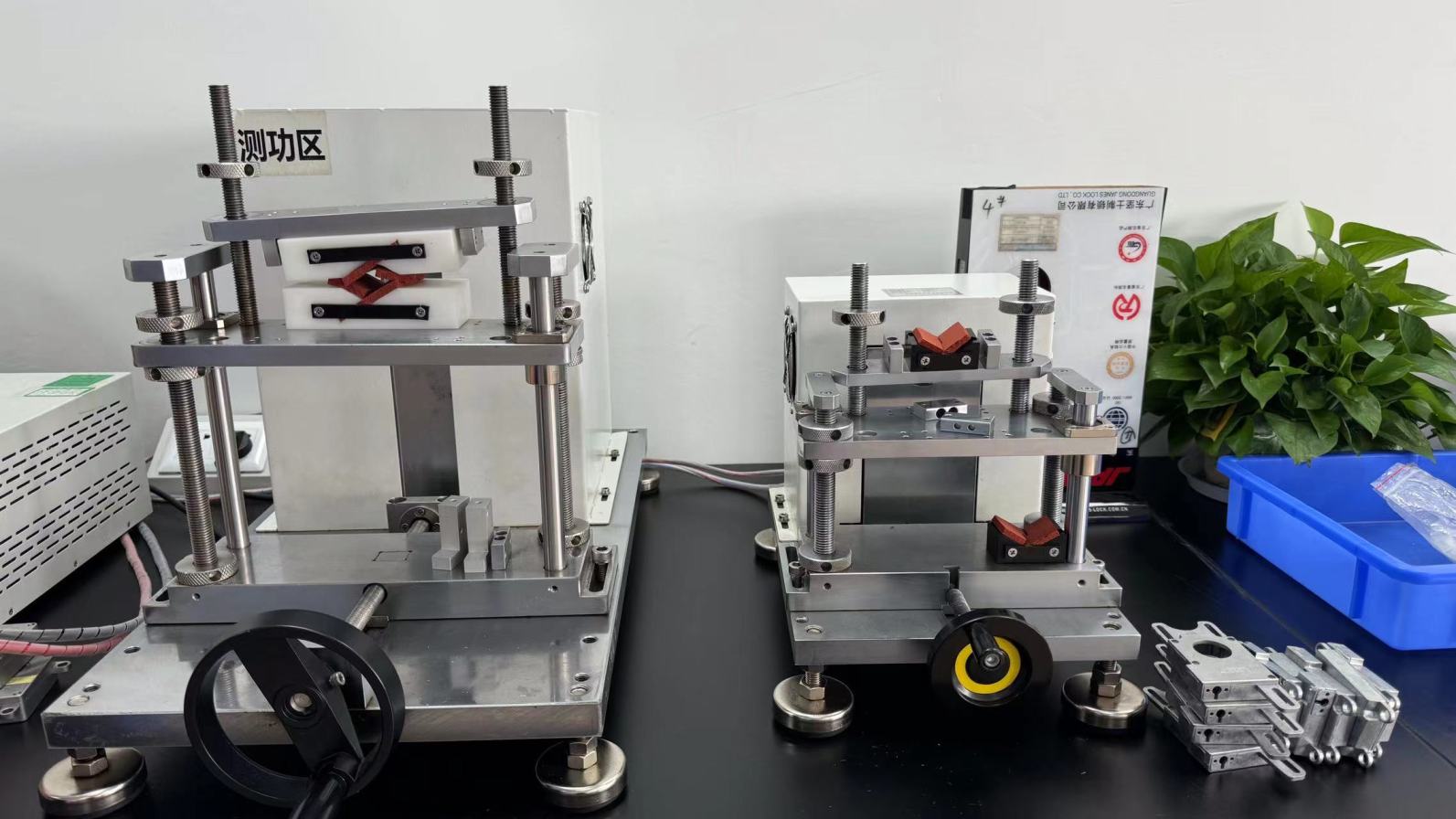
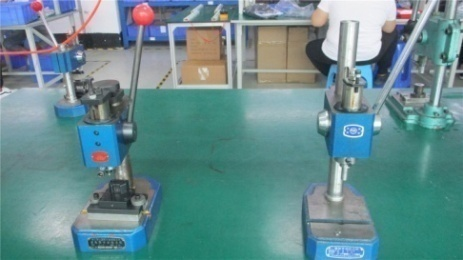
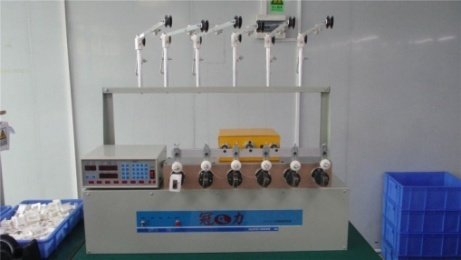
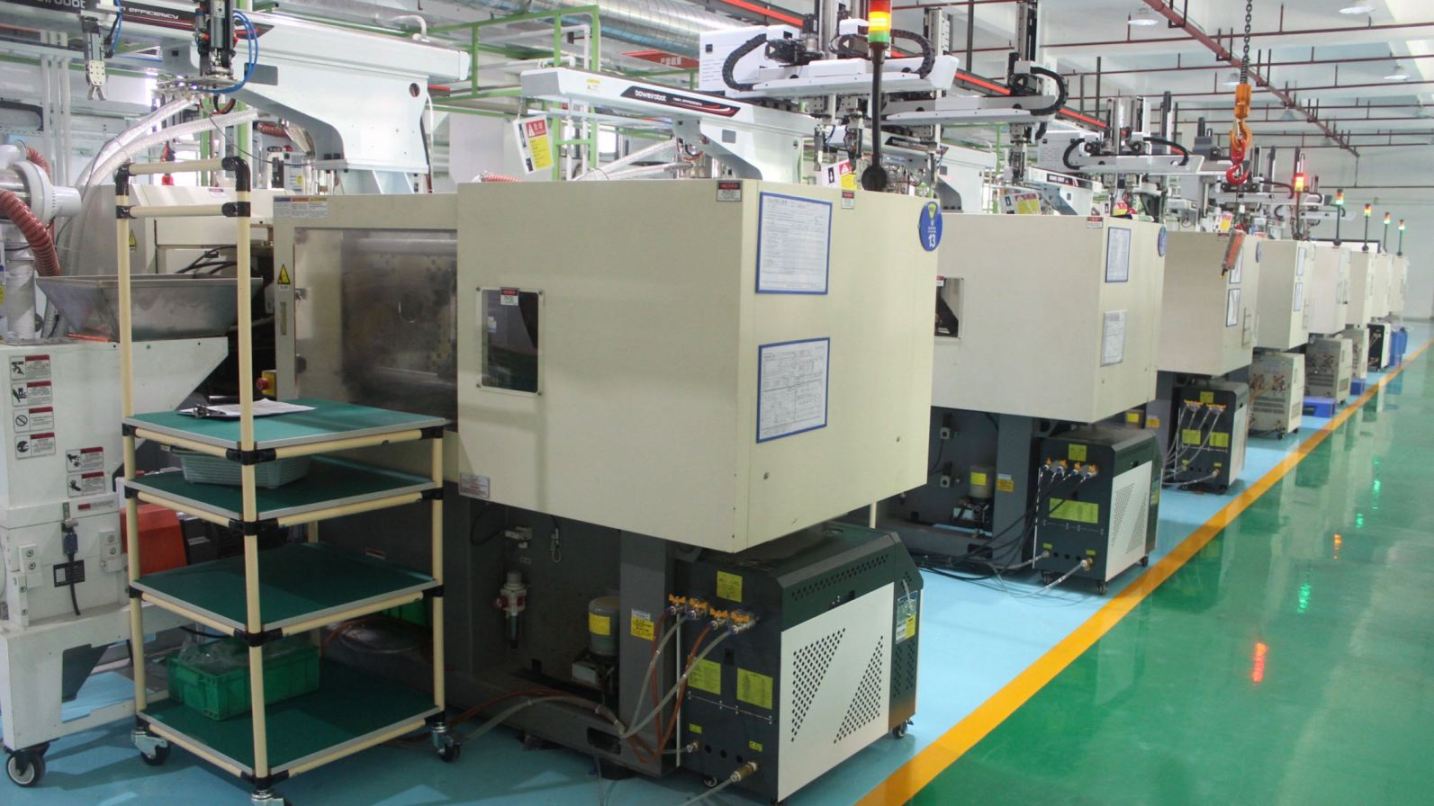
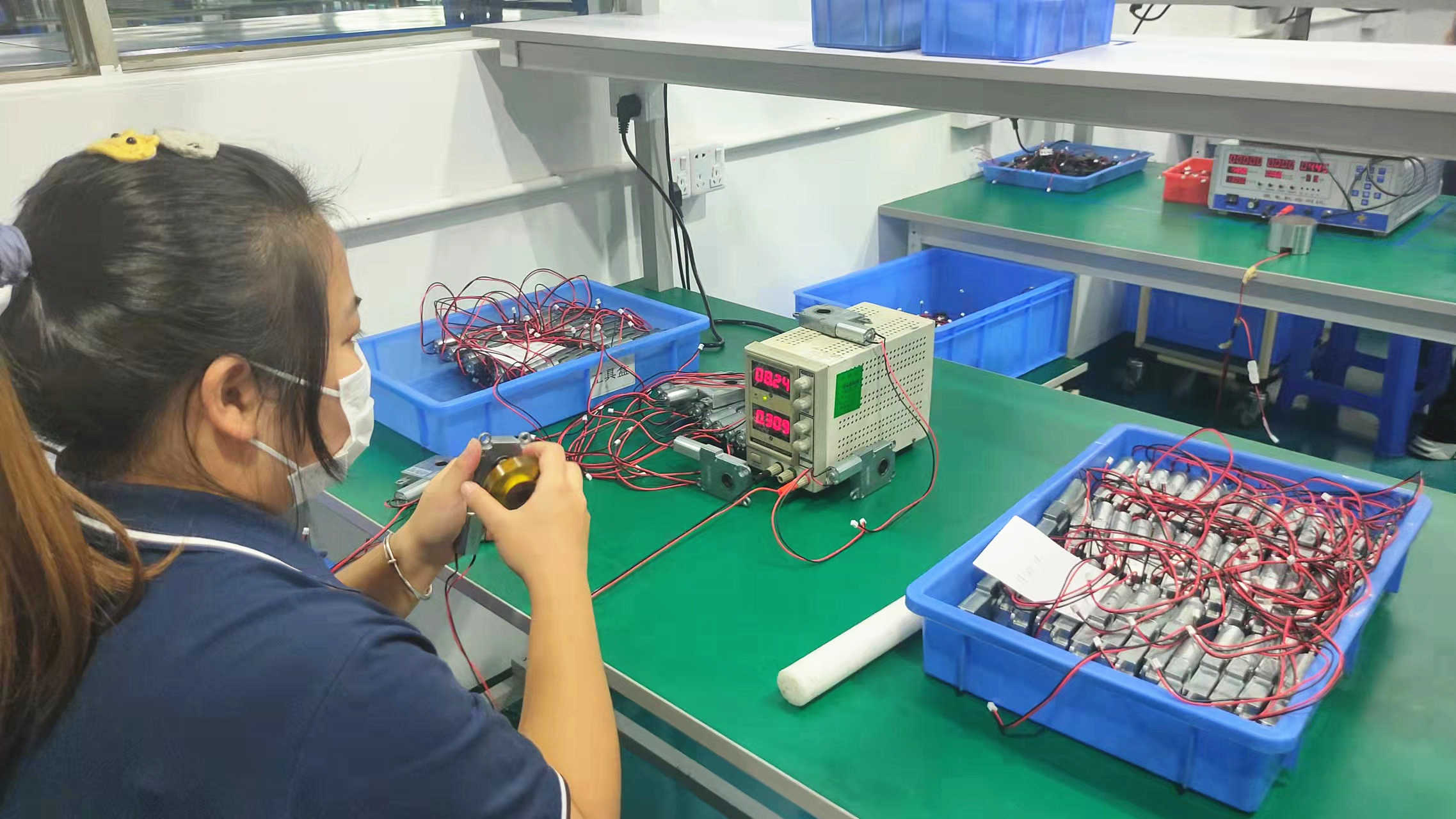
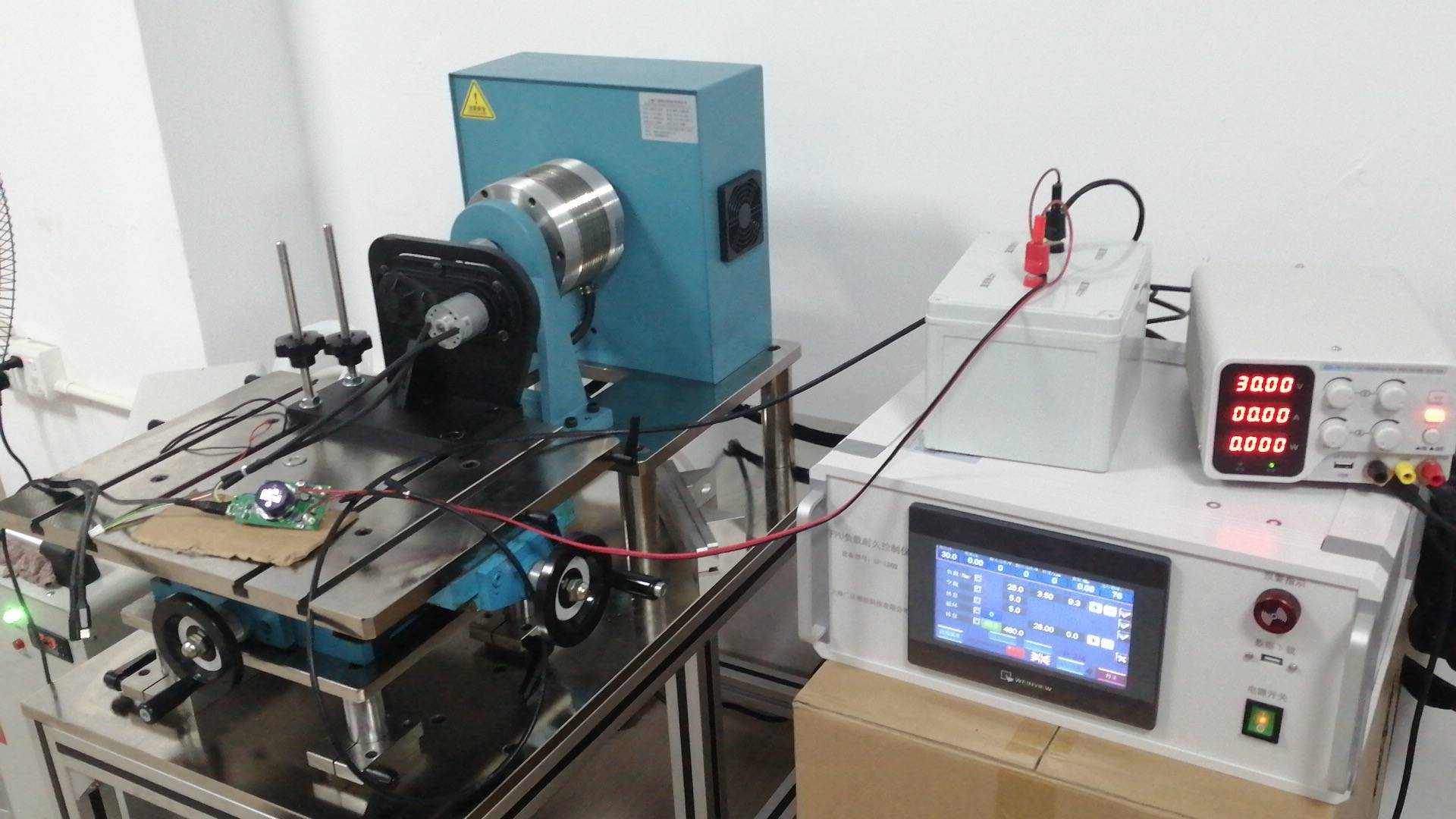
For procurement agents and B2B design engineers in Victoria, supply chain transparency, component lead times, and manufacturing consistency are as critical as the hardware's technical specifications.
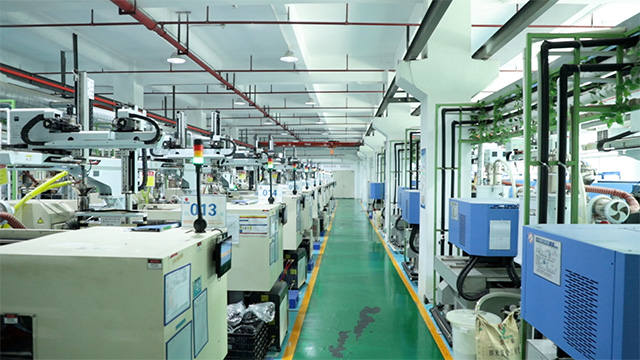
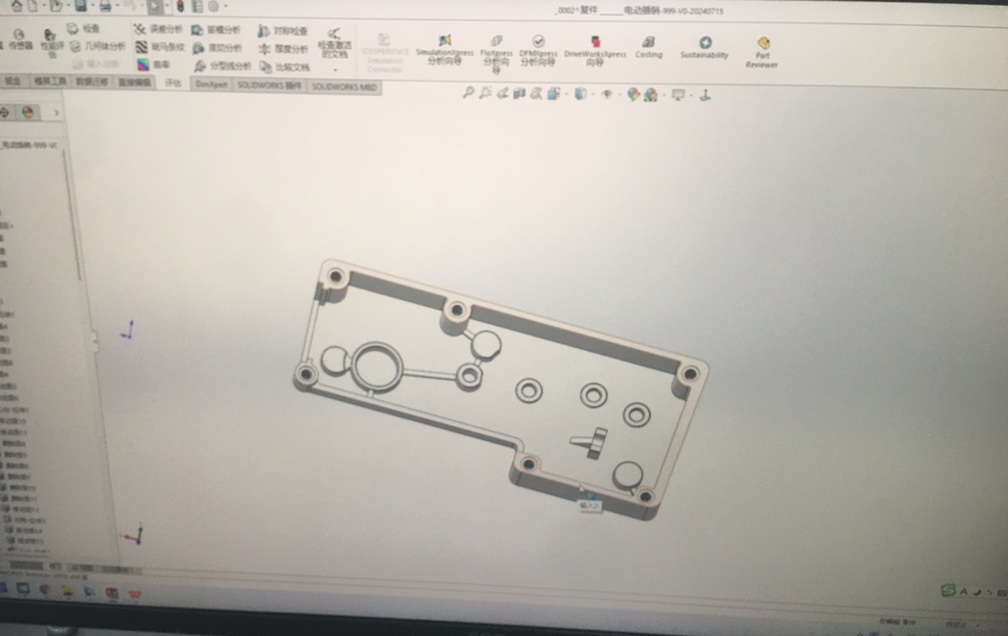
By operating a vertically integrated manufacturing facility in China, Luv Motors mitigates global supply constraints. We manage everything under one roof—from raw material sizing and magnetic core wound assembly to in-house thermoplastic molding and final gear hobbing. This localized control allows us to keep lead times predictable, even when adapting configurations to customer drawings.
Our rapid prototyping program delivers first-article samples for Victorian approvals in as little as 10 to 15 working days. By partnering directly with ocean freight operations at the Port of Melbourne and maintaining active lanes with air express carriers, we ensure that both high-volume OEM orders and replacement parts batches arrive on schedule, reducing inventory overhead for local distributors.
Discover our comprehensive range of customizable low-speed, high-torque micro geared systems designed for direct integration.
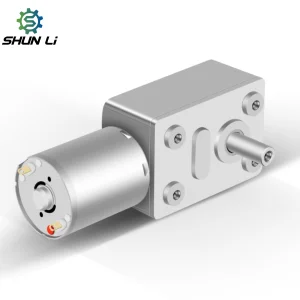
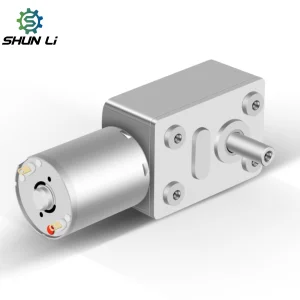
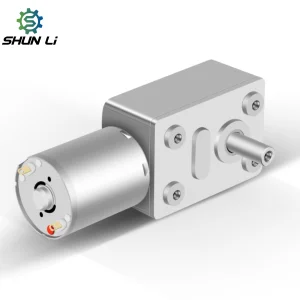
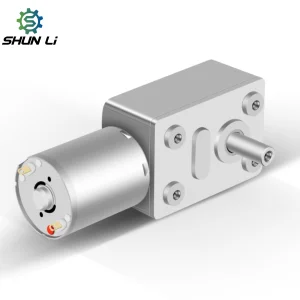
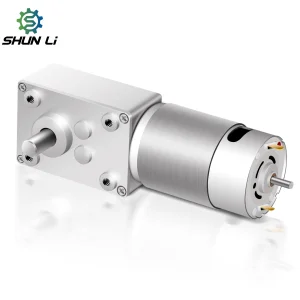
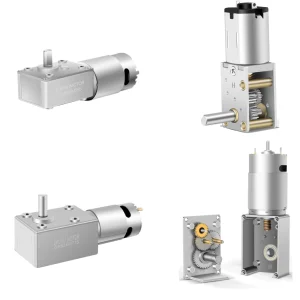
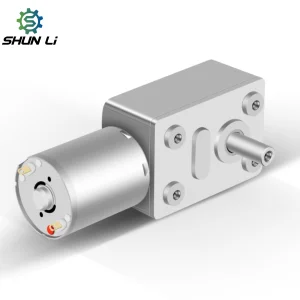
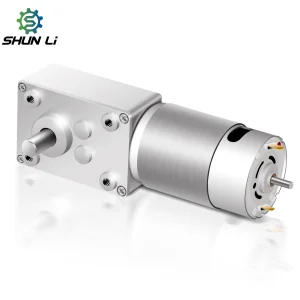
Exporting electrical and electronic equipment to Australia requires strict compliance with local regulations. In Australia, the regulatory compliance framework is managed via the **Regulatory Compliance Mark (RCM)**, which consolidates former C-Tick and A-Tick certifications. Our manufacturing division proactively coordinates with third-party testing laboratories to ensure our DC motors meet the electromagnetic compatibility (EMC) standards set by the Australian Communications and Media Authority (ACMA).
Our micro DC motors are tested to operate with low radiofrequency emission levels, protecting nearby telemetry or wireless communication systems. This makes them suitable for smart utility meters, automated ticketing devices, and tracking arrays deployed in the Victorian telecommunications infrastructure.
Alongside EMC, physical safety and environmental responsibility are managed through **RoHS (Restriction of Hazardous Substances)** and **REACH** compliance. By selecting raw materials free of lead, mercury, and polybrominated biphenyls, we simplify the certification process for Melbourne-based manufacturers who export finished medical or consumer devices to European or North American markets.
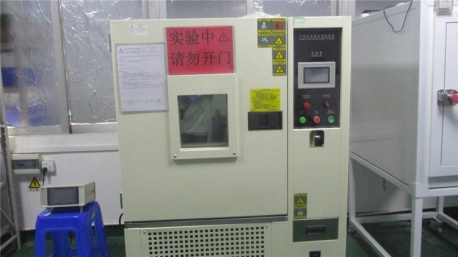
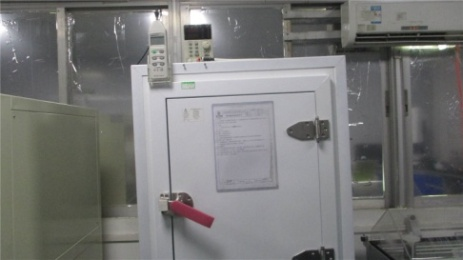
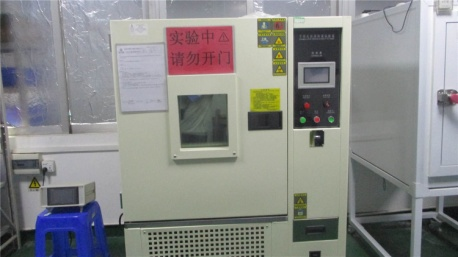
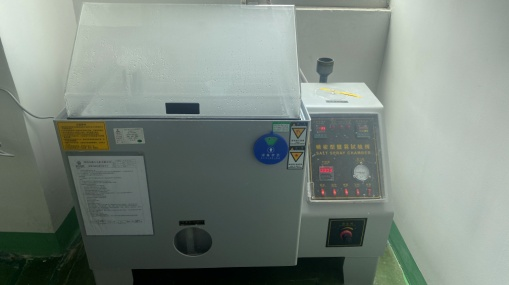
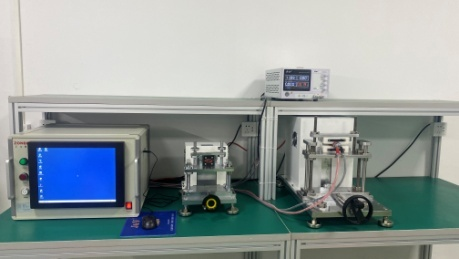
To verify performance under tough operating conditions, every batch of worm gear motors is run through **salt spray testing chambers** to verify surface coating integrity, protecting against marine fog in bayside industrial facilities. Additionally, **constant temperature and humidity testing chambers** evaluate operation under hot, dry Victorian summer conditions.
Technical specifications, application parameters, and customization options for Victorian engineering teams.
A: The self-locking characteristic depends on the lead angle and friction coefficient between the worm screw and worm wheel. When the lead angle is less than approximately 4 to 5 degrees, the gear assembly is statically self-locking. This means the output shaft cannot drive the input shaft. Under heavy vibration or continuous dynamic loads, the friction coefficient can drop, which may lead to creep. For critical safety applications, we recommend adding an electromechanical brake.
A: Our motors are rated for standard ambient operating temperatures ranging from -10°C to +60°C. In high-temperature conditions (above 40°C), thermal dissipation is reduced, which can affect the duty cycle. We address this by using Class B (130°C) or Class F (155°C) copper wire insulation. This helps prevent winding breakdown and keeps the motor operating reliably during periods of high ambient heat.
A: Yes. Many of our models (such as the flat geared and 370 motor series) can be fitted with integrated dual-channel magnetic or optical Hall-effect encoders. These encoders provide feedback on direction, speed, and position, making them suitable for robotic sorting arms, automated door controllers, and medical positioning tables.
A: We offer extensive customization options, including D-cut shafts, cross-drilled holes, external threading, and customized shaft lengths. Additionally, mounting flanges can be modified to match existing gearboxes, helping Victorian engineering teams minimize redesign costs during system upgrades.
A: First-article prototypes are typically completed within 10 to 15 working days. For bulk production orders, our standard lead time is 25 to 30 days. Shipping from our factory to the Port of Melbourne takes approximately 12 to 18 days via sea freight, or 3 to 5 days via air express, depending on the shipment size.
 Luv Motors