Established in 2006, Luv Motors is a certified High-Tech China manufacturer specializing in high-performance Micro DC Motors, DC Gear Motors, and Brushless Motors (BLDC).
We deliver Top Quality through ISO9001-certified automated production and 100% Customization through our dedicated in-house engineering team. From smart home devices to automotive electronics, we provide global OEM buyers and distributors with reliable, low-noise, and high-torque micro-drive solutions direct from the source. Partner with Luv Motors today to get competitive factory pricing, rapid prototyping, and world-class B2B support.


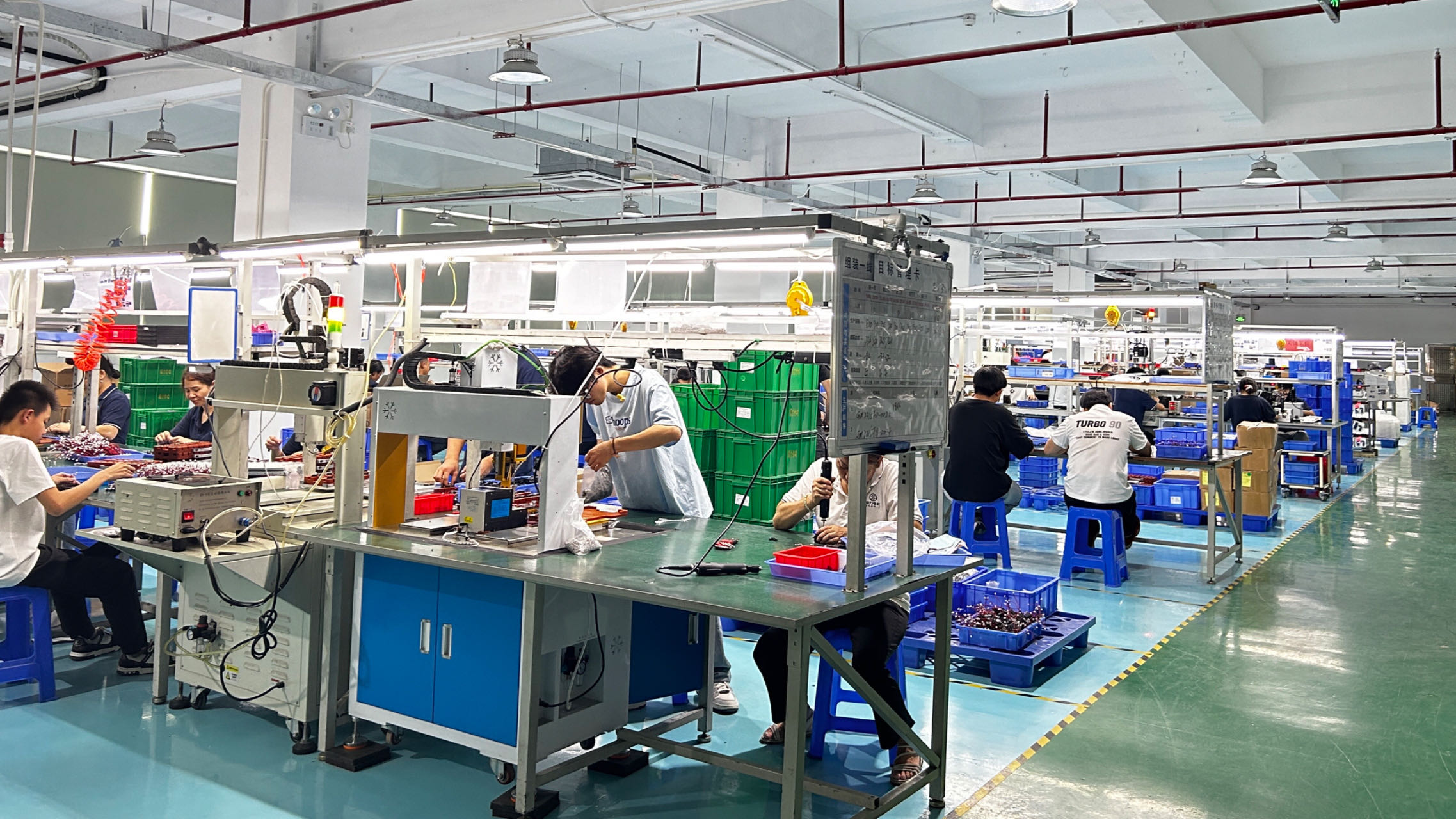
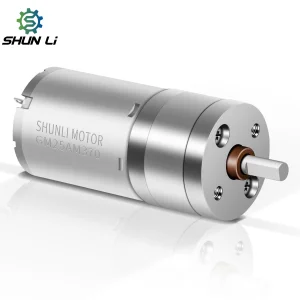
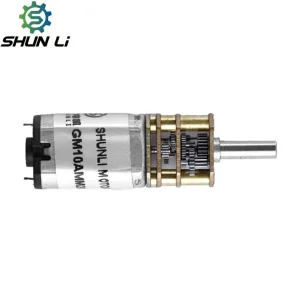
High-precision geared assemblies, permanent magnet DC motors, and high-torque configurations engineered for custom automation requirements.
An engineering analysis of magnetic field configurations, commutator durability, and power density optimization in micro-rotary applications.
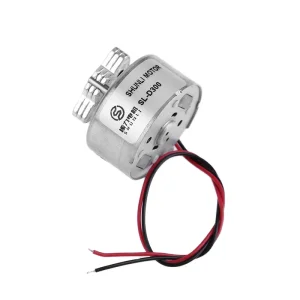
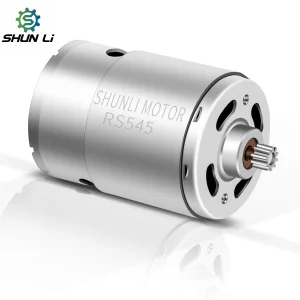
At the core of permanent magnet brushed DC motors (PMDC) lies a fundamental electromagnetic system. The stator relies on high-coercivity magnets, typically ferrite or sintered Neodymium-Iron-Boron (NdFeB), which create a uniform magnetic flux across the air gap. The rotor contains copper wire windings wound around a laminated silicon steel core. Commutation occurs when the spring-loaded brushes make contact with the rotating commutator segments, directing current to the armature coils.
For micro motor topologies ranging from 6mm to 70mm, selecting the proper commutator material is crucial:
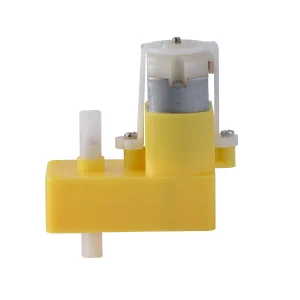
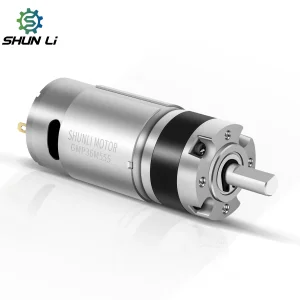
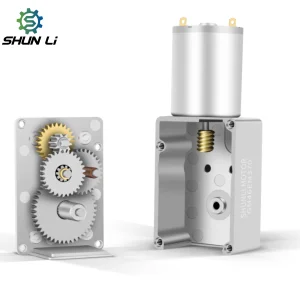
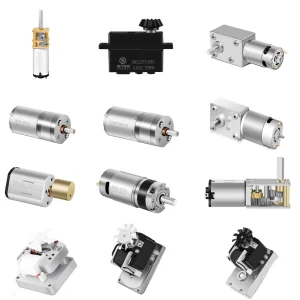
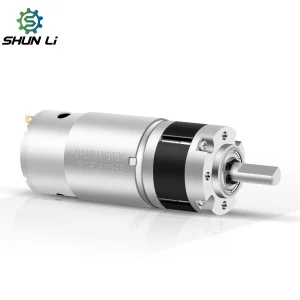
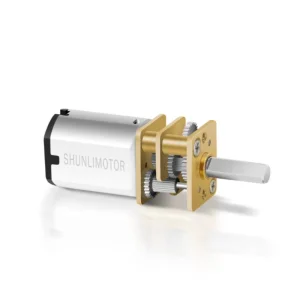
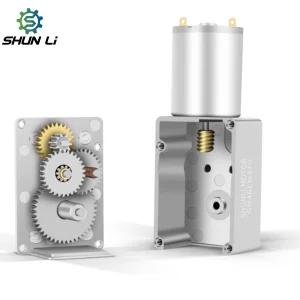
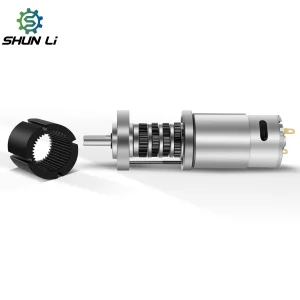
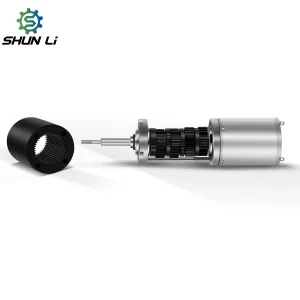
Standard high-speed brushed motors (3,000 to 18,000 RPM) need gear reduction to drive heavy loads. Luv Motors designs and manufactures two primary gear configurations:
Brushed commutation generates arc discharges that create electromagnetic interference (EMI). To meet CE and FCC standards, our engineers integrate suppression networks directly onto the motor's rear cap. We utilize metal-varistor rings (MYV) and capacitor-inductor (L-C) filters to suppress high-frequency noise. Additionally, we provide IP54 to IP67 sealing options, using customized synthetic rubber gaskets and fluorine-greased bearings to protect assemblies in wet or dusty conditions.
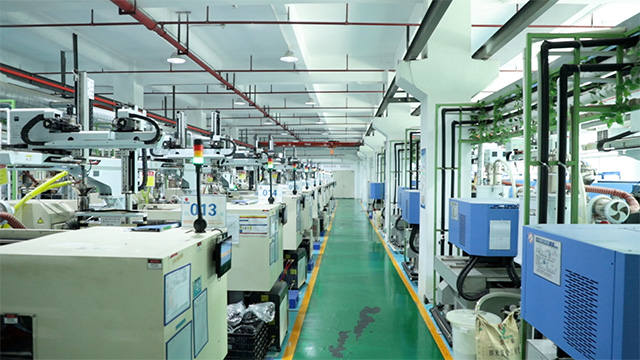
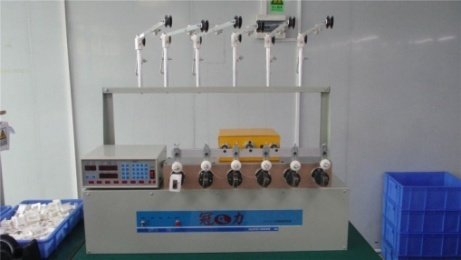
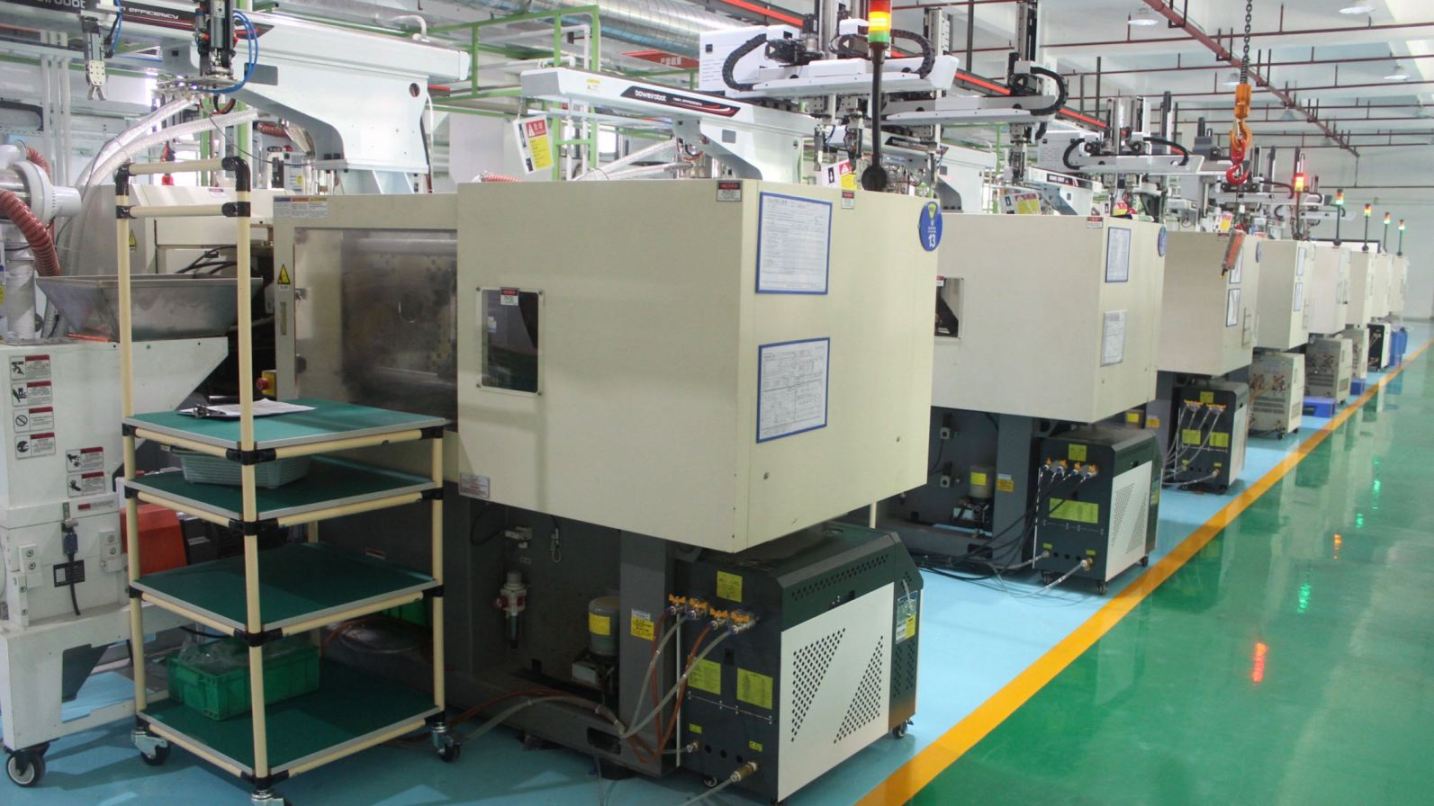
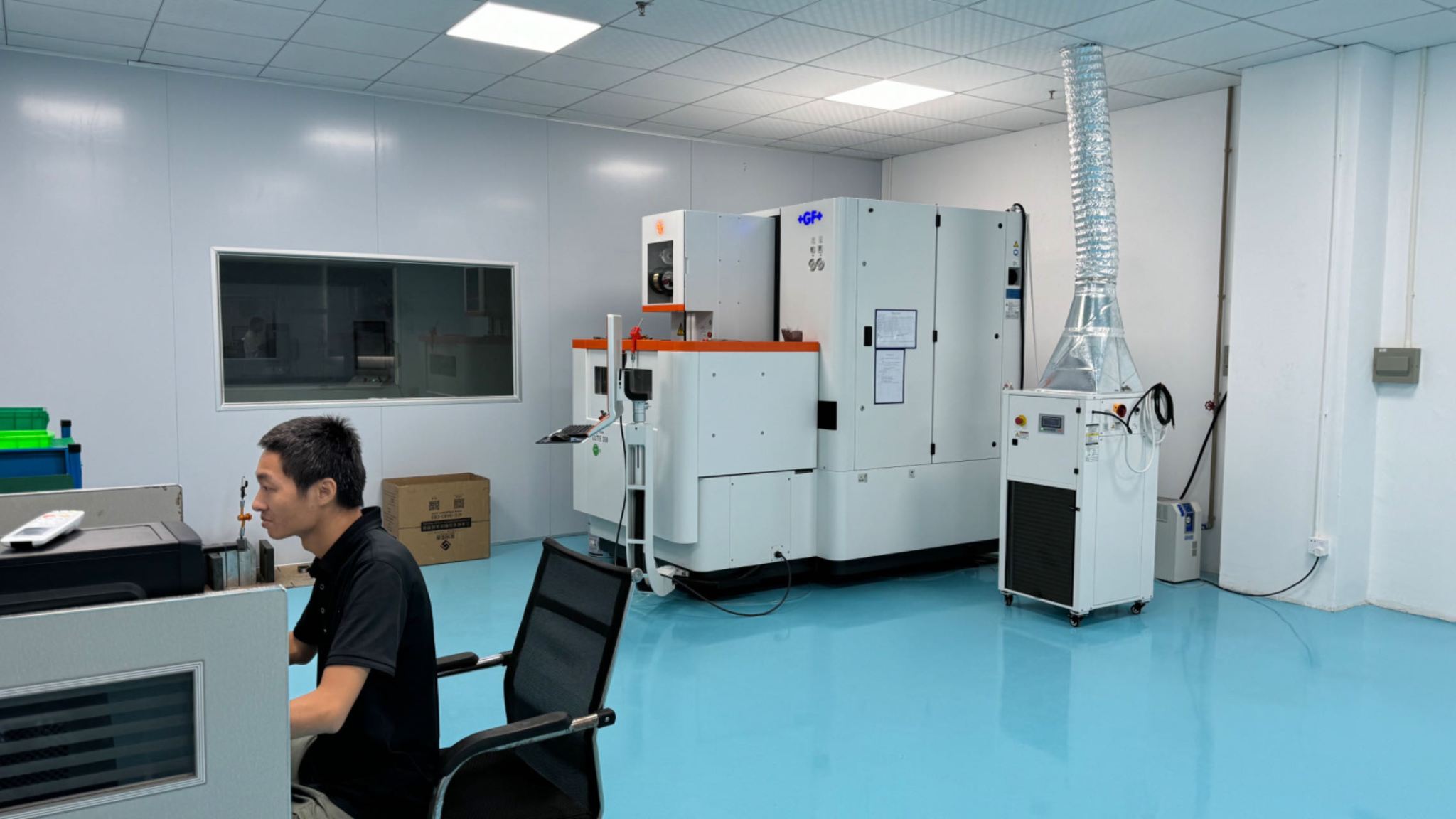
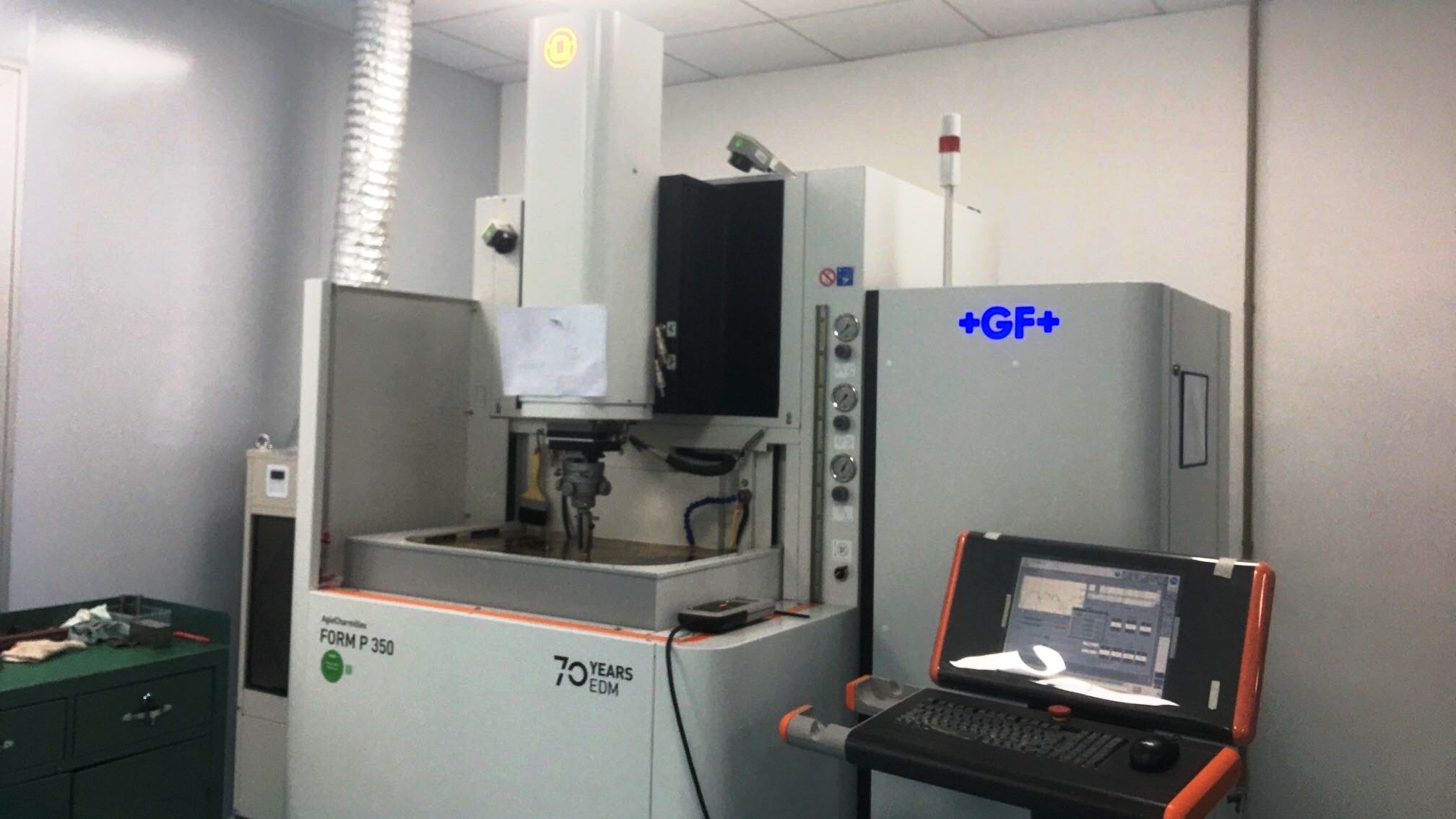
From raw material sourcing to automated assembly and testing labs, we manage every step in-house to ensure high quality and full traceability.
Our 8,000-square-meter facility features advanced toolmaking machinery and quality control labs. By handling gear cutting, stator winding, and final assembly in-house, we control mechanical tolerances to within ±0.005mm. This vertically integrated process reduces cost, speeds up turnaround times, and ensures consistent quality.

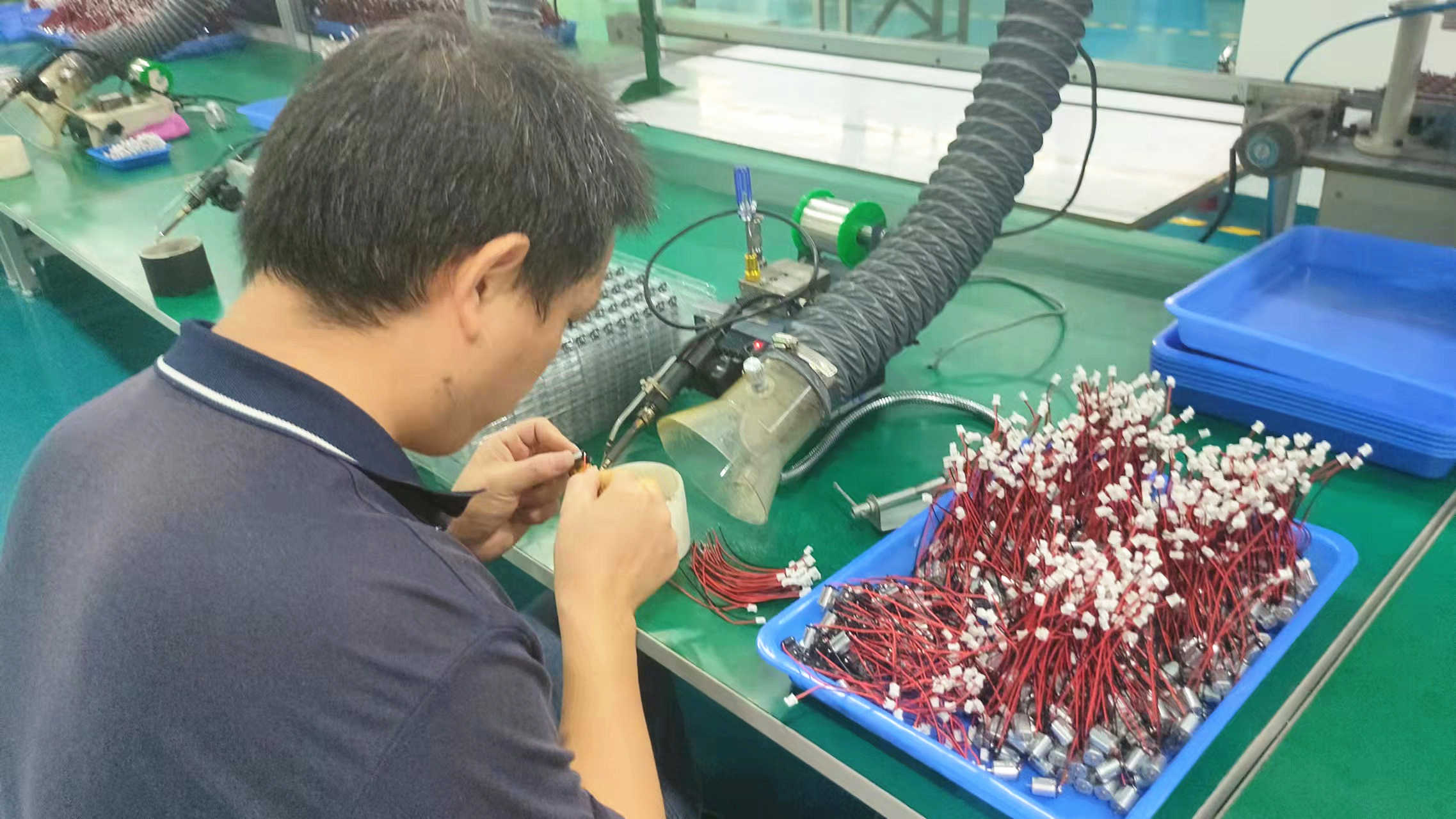
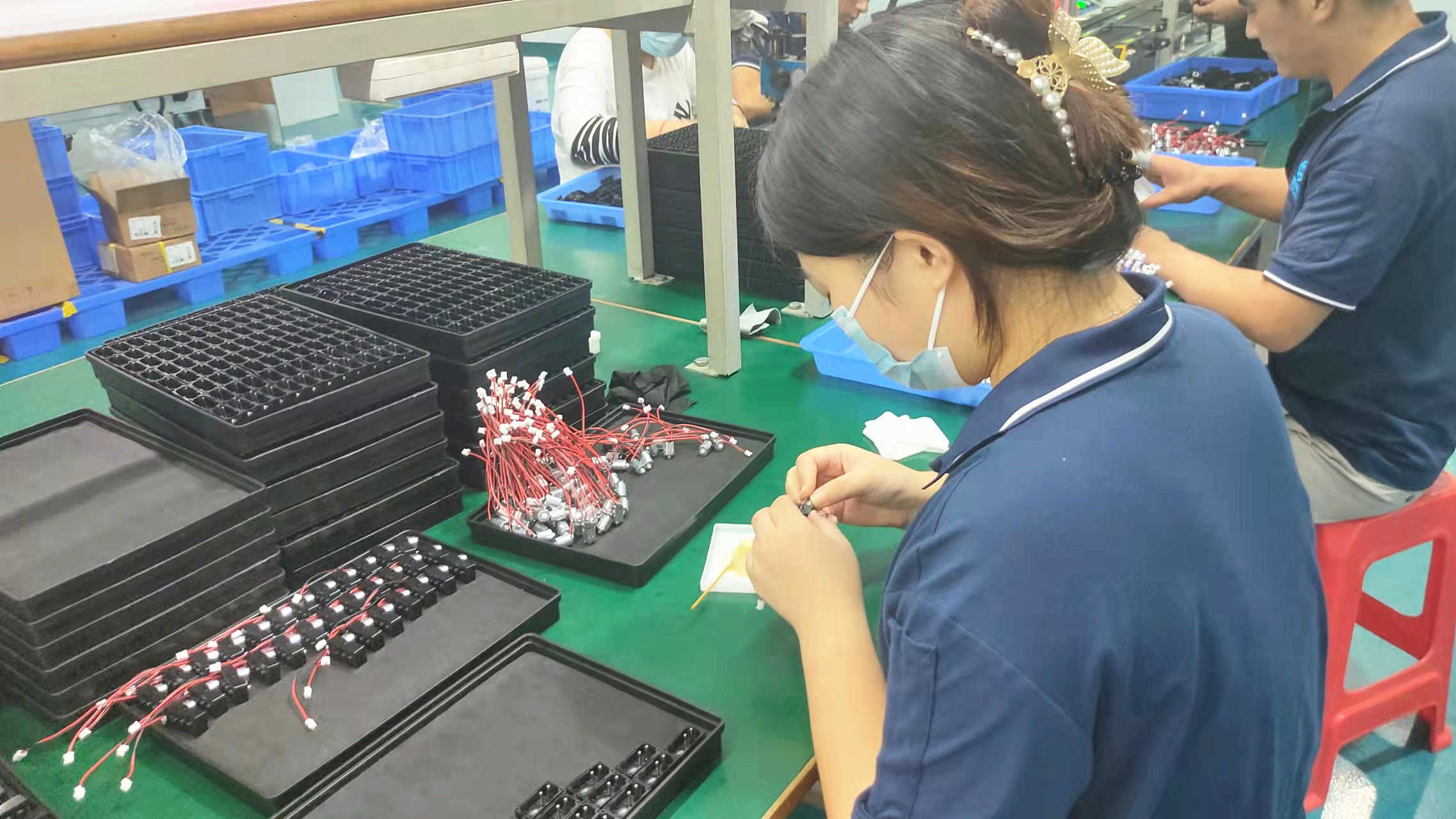
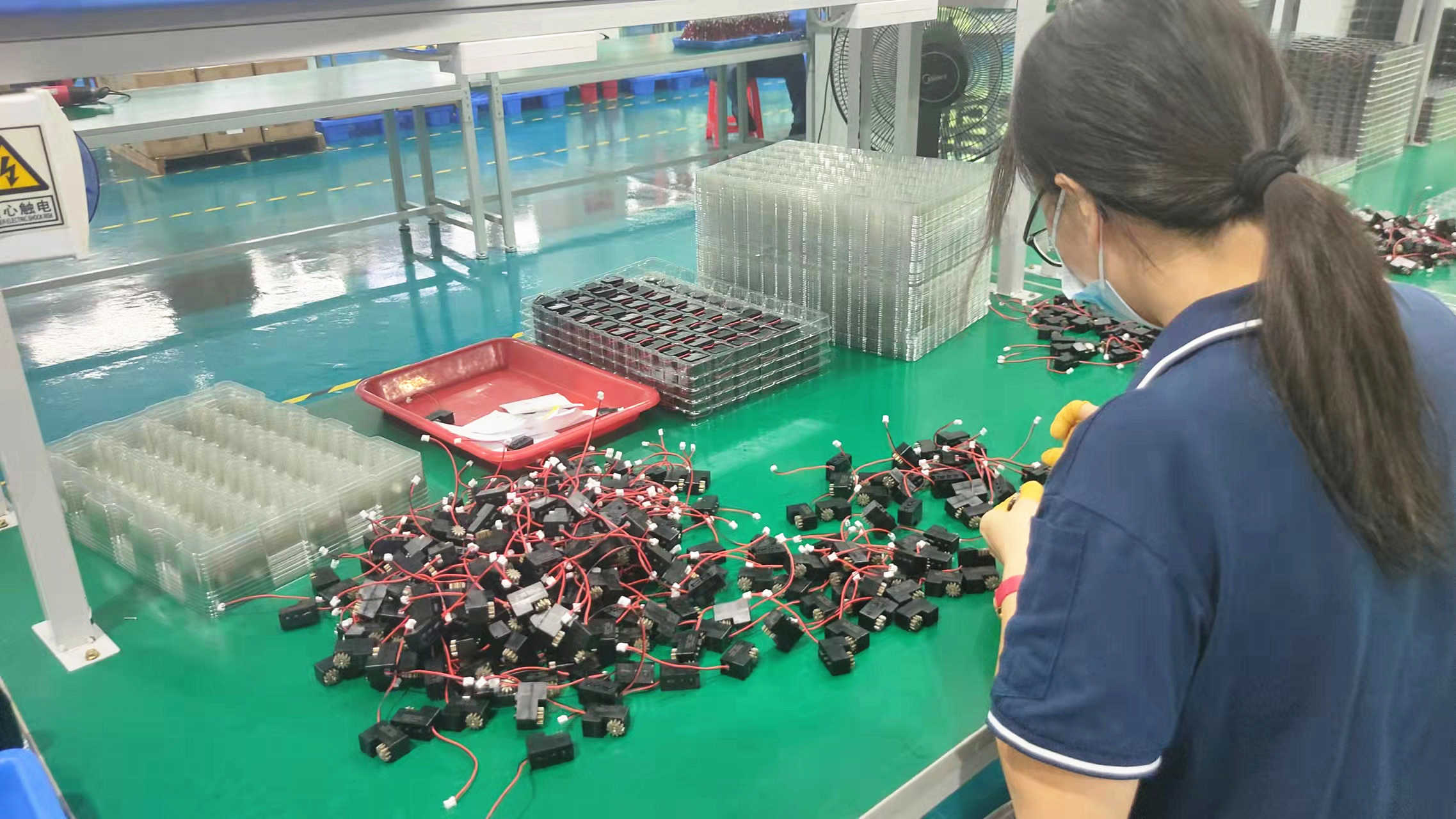
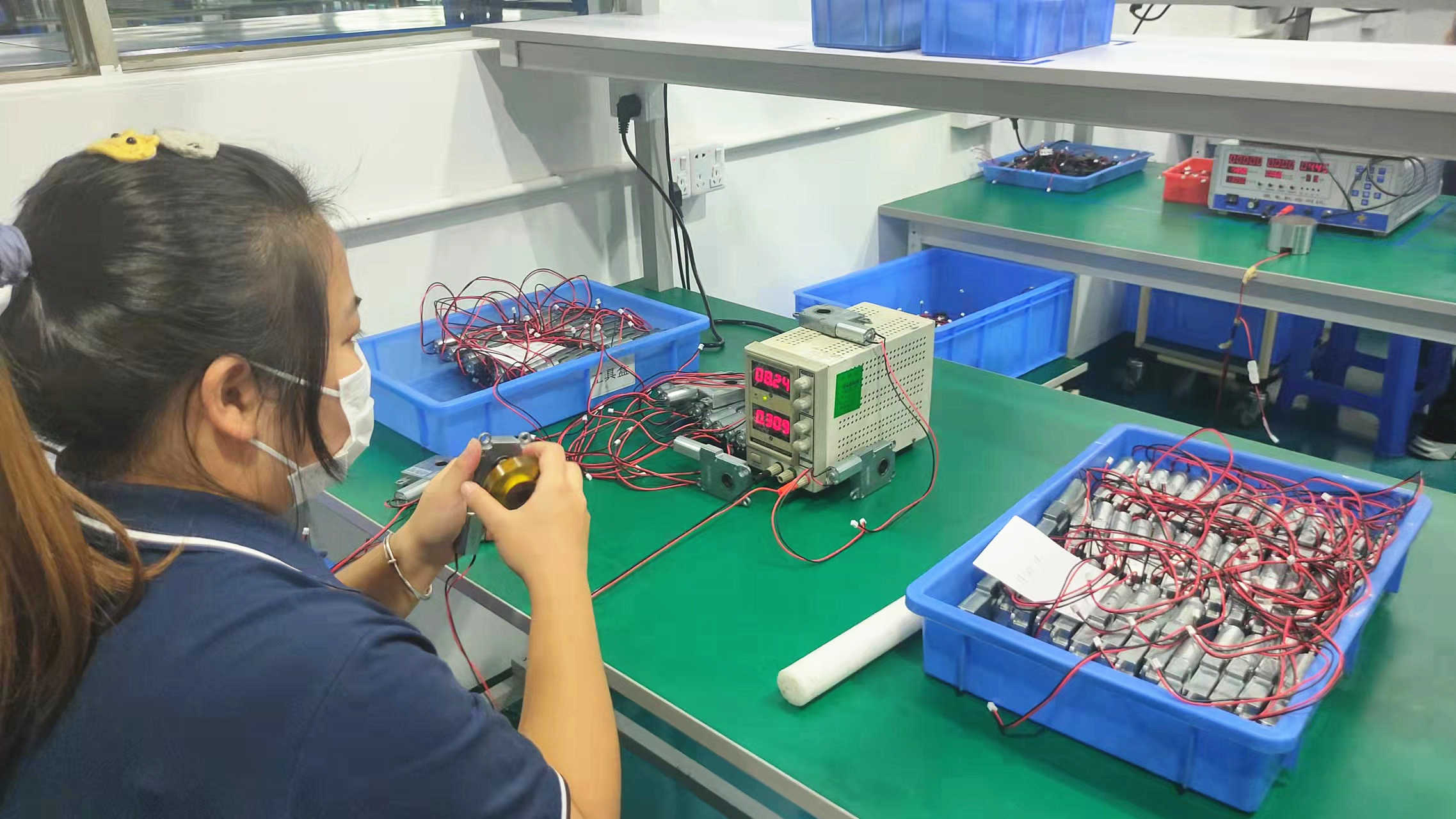
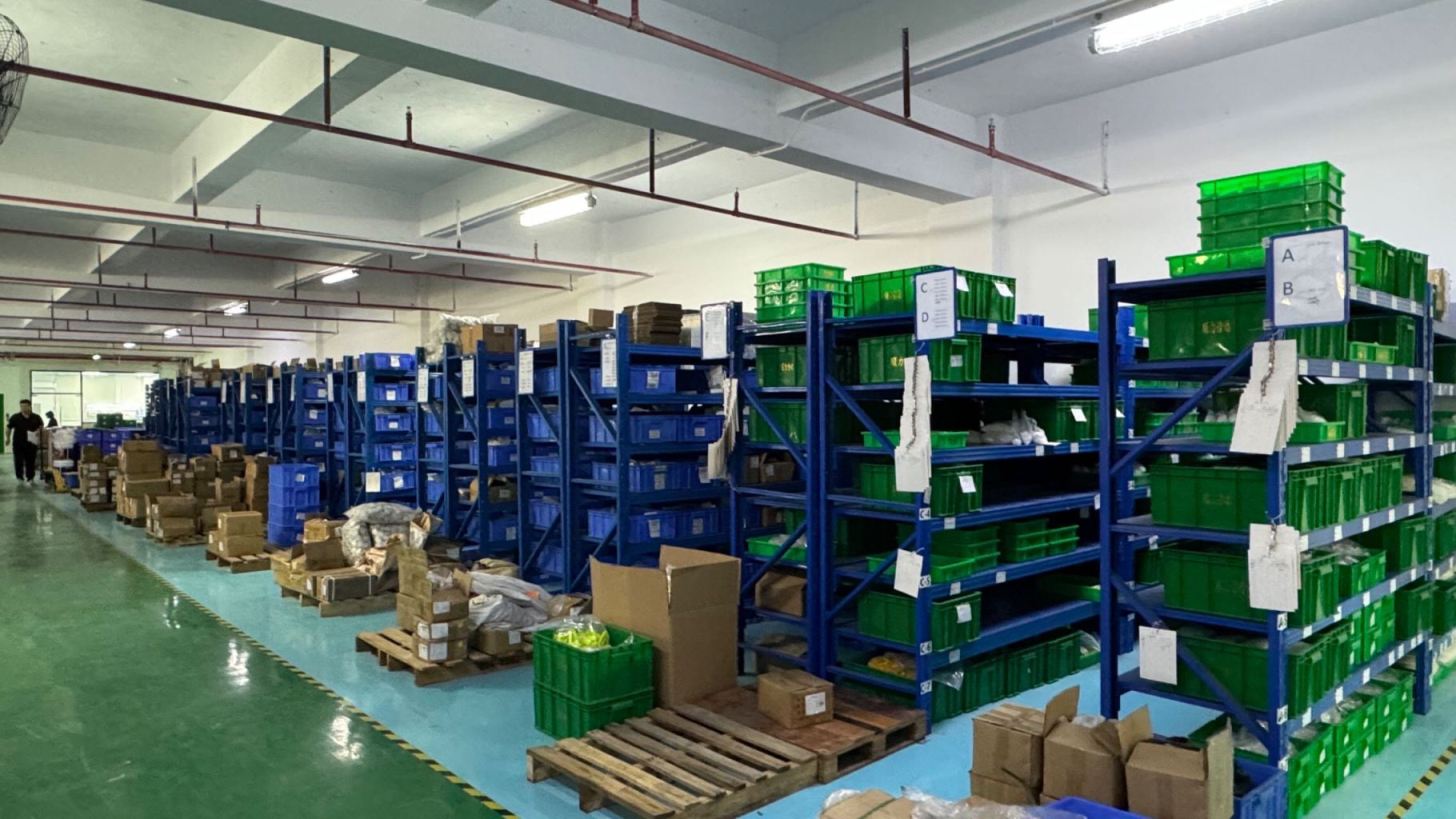
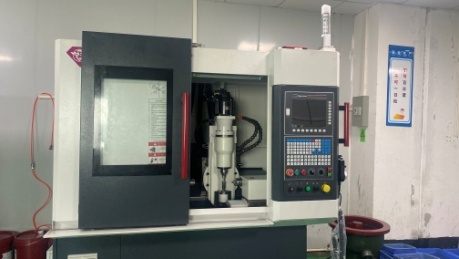
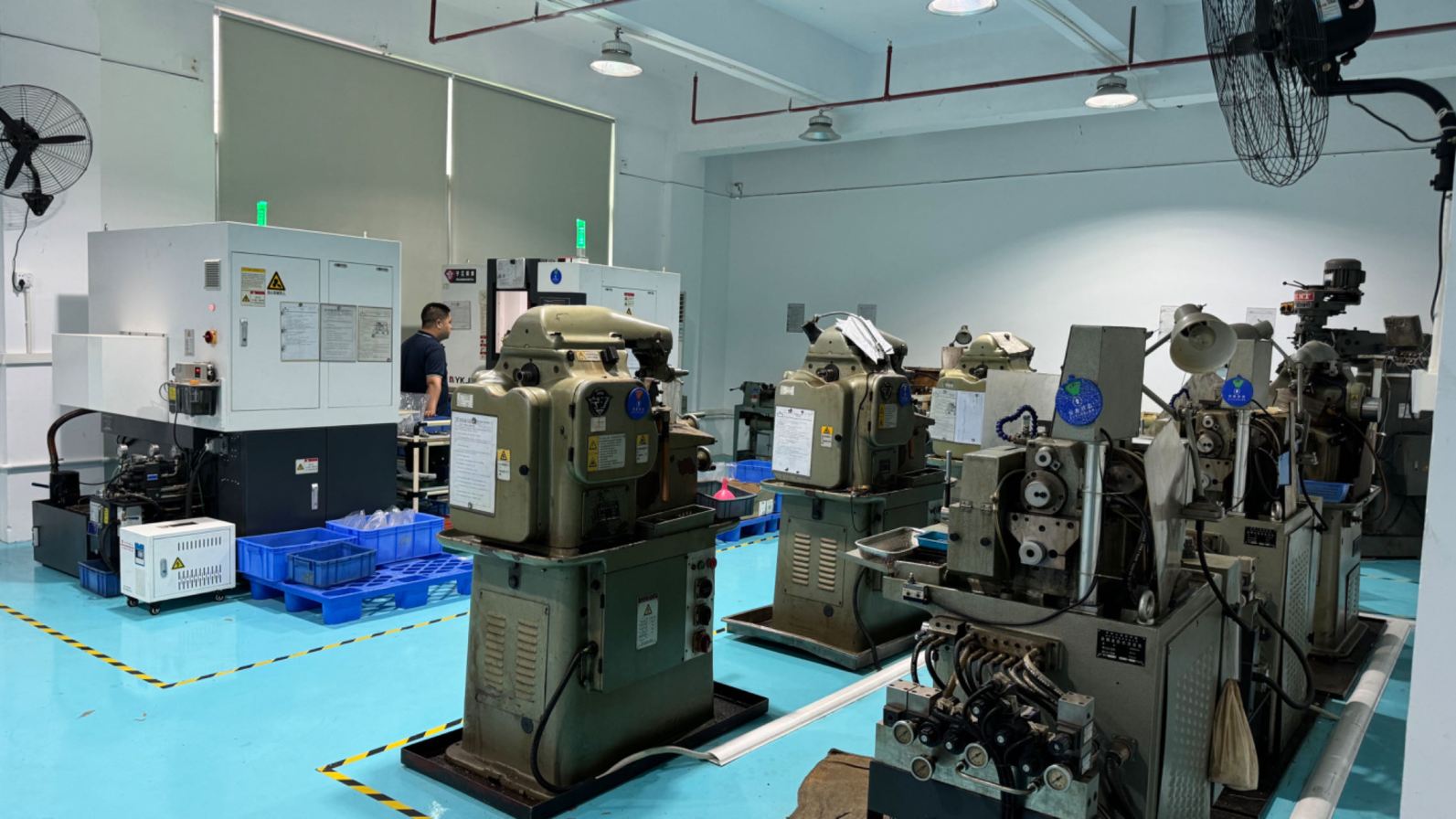
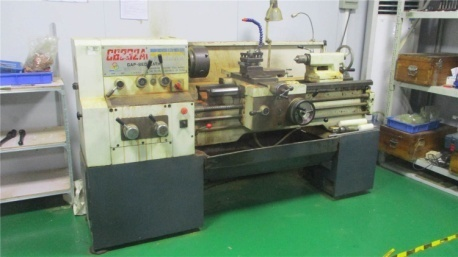
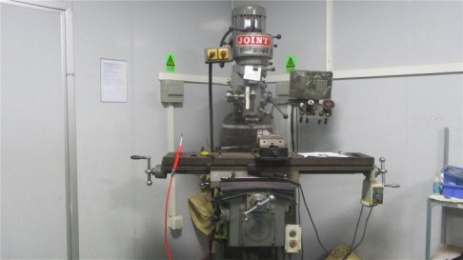
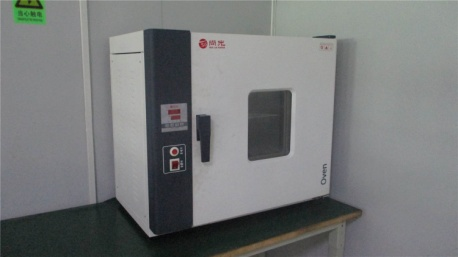
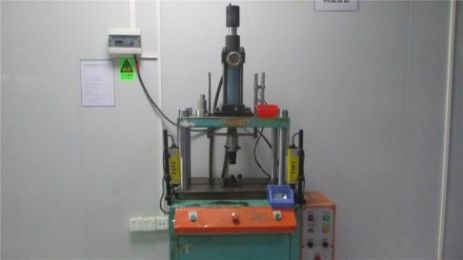
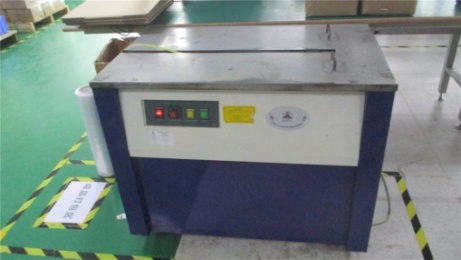
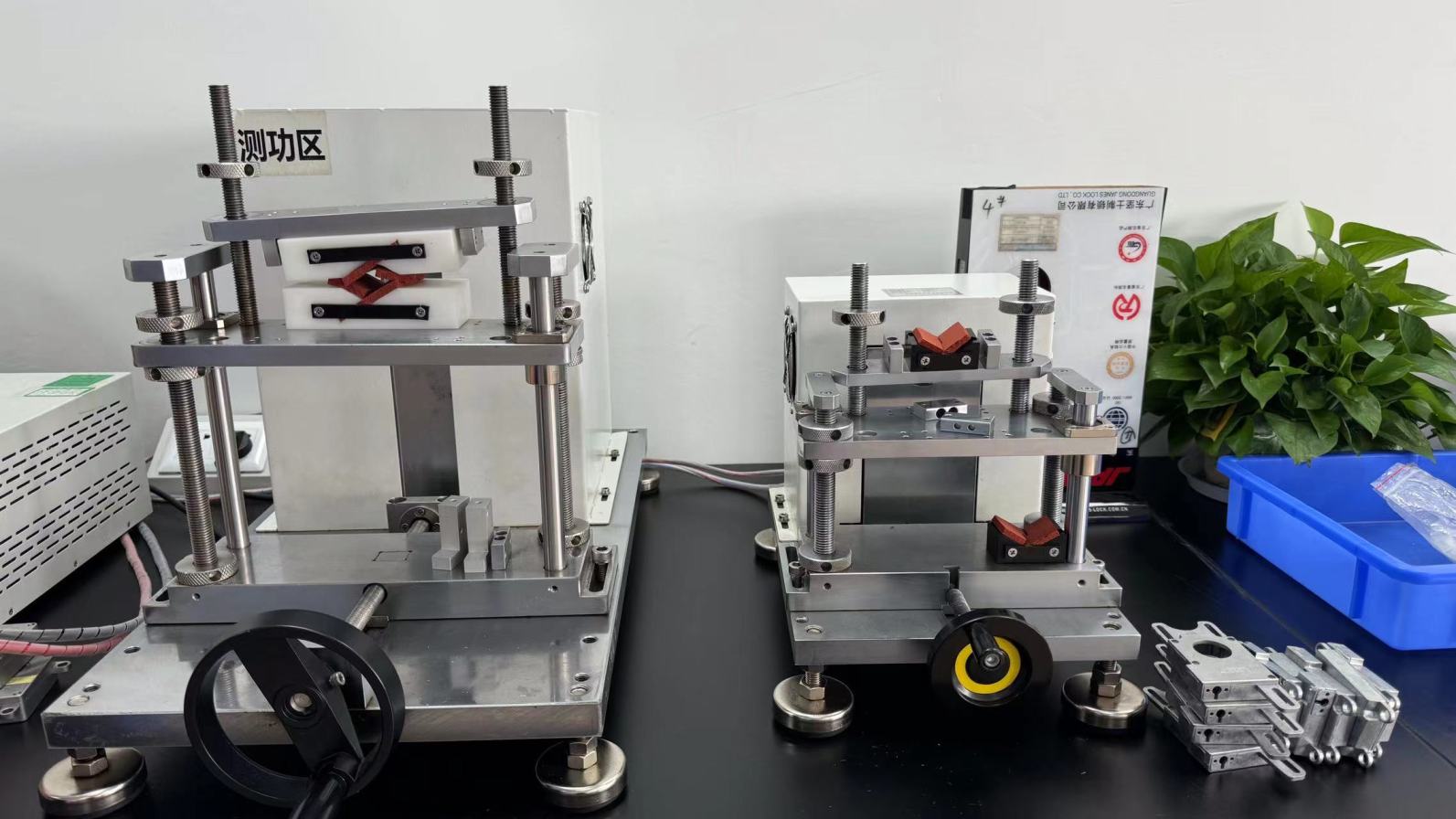
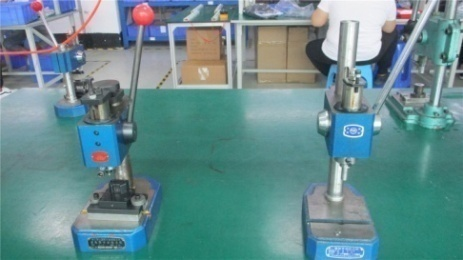
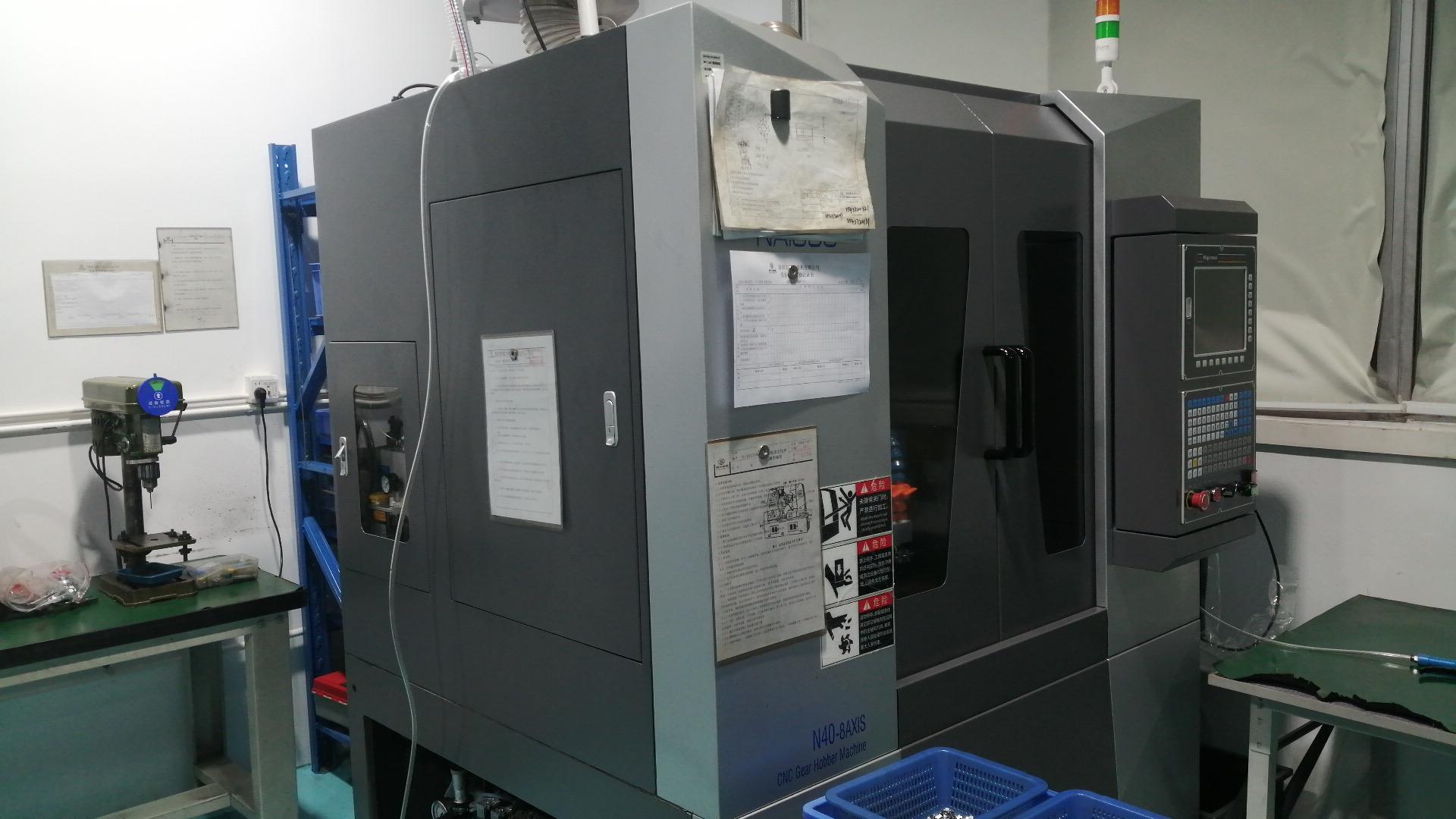
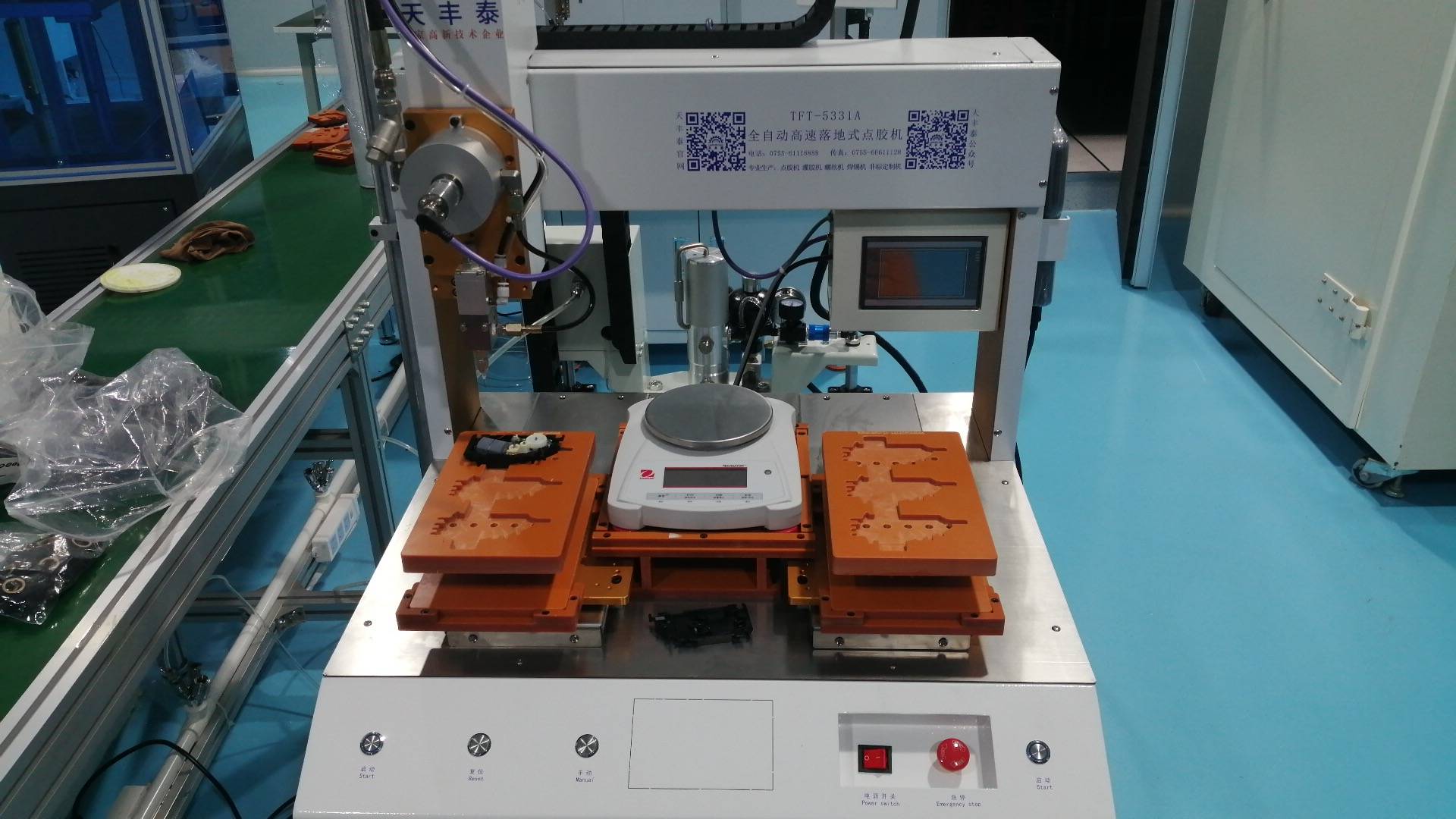
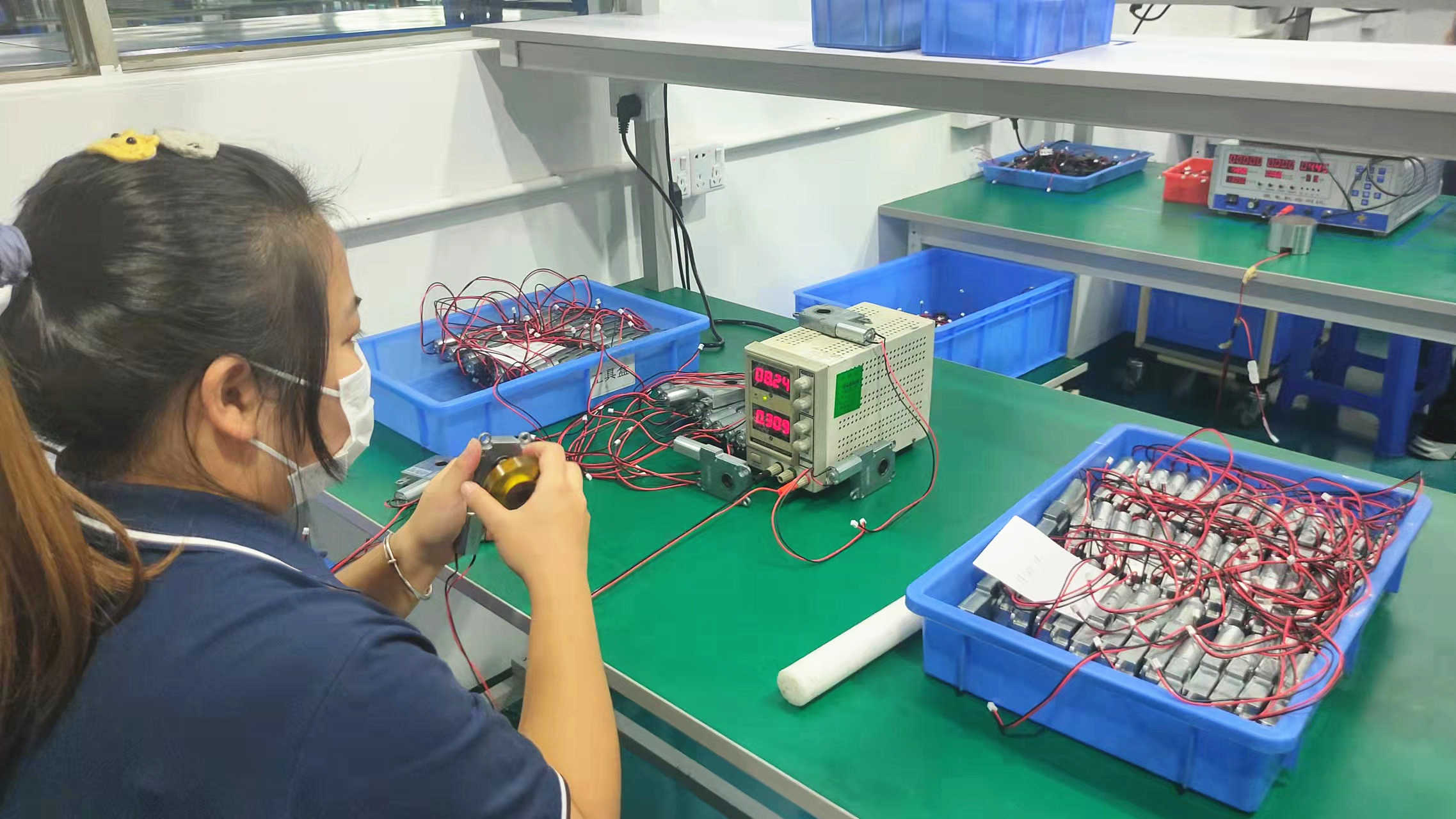
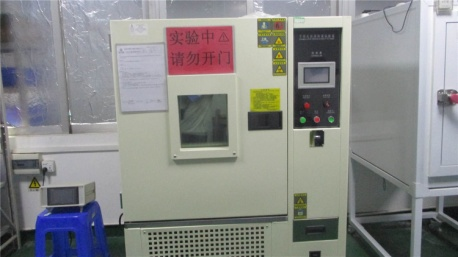
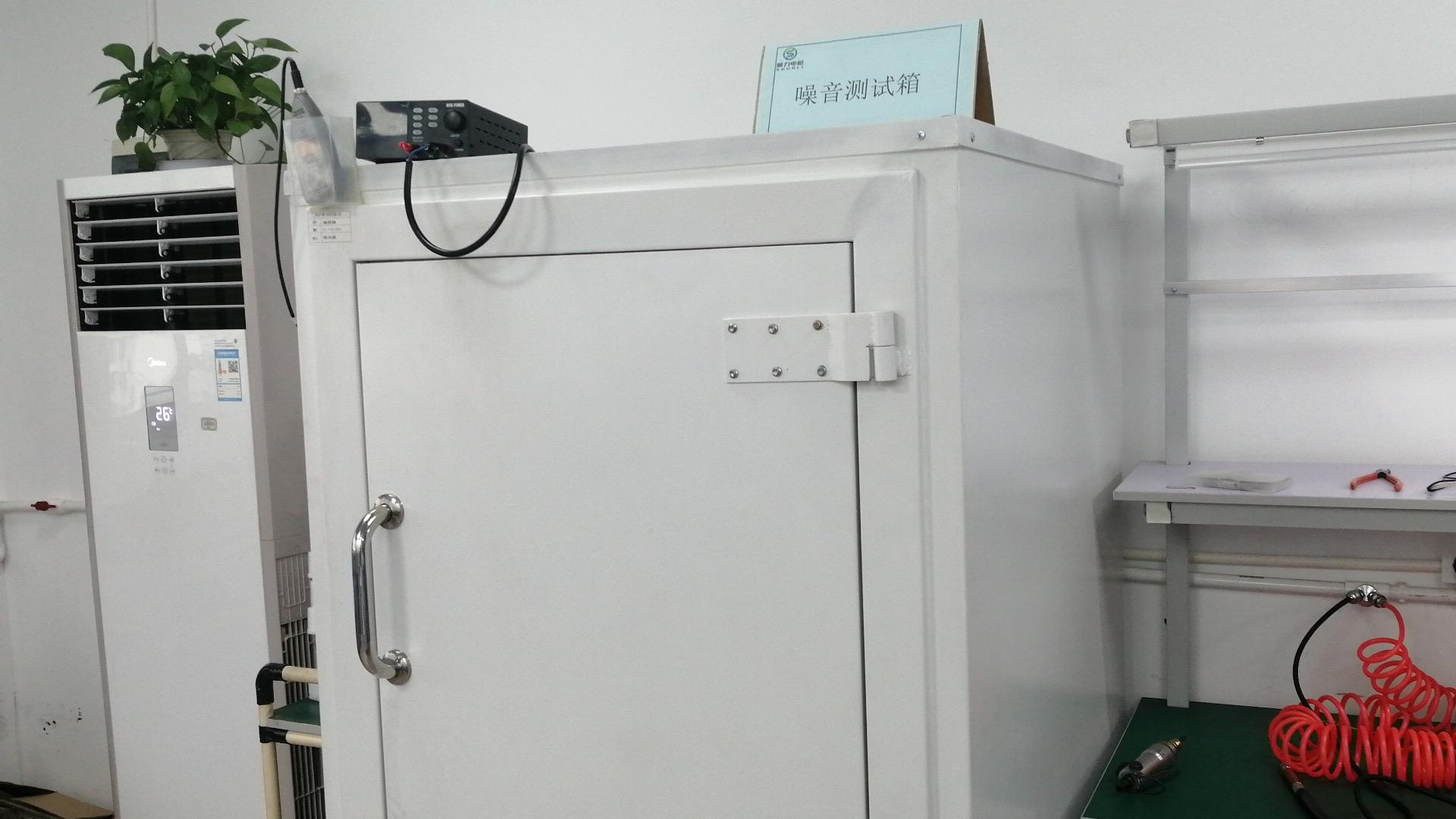
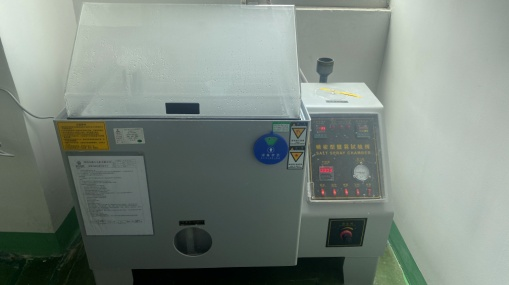
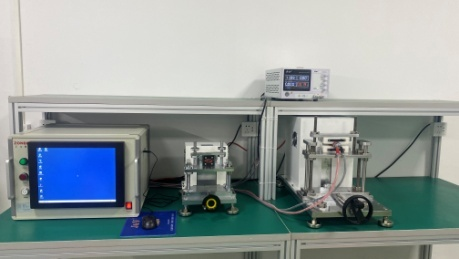
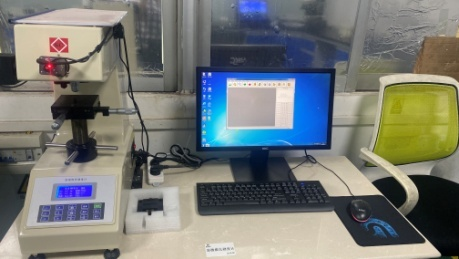
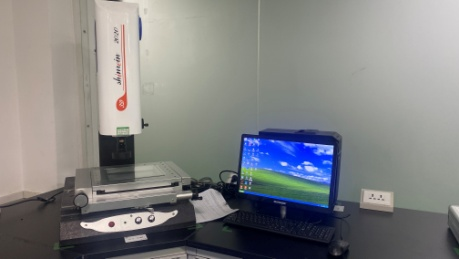
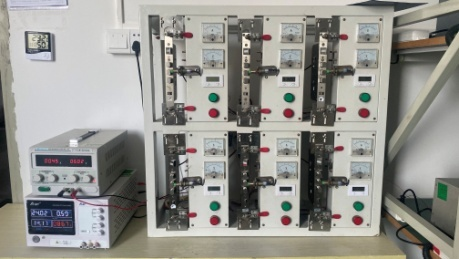
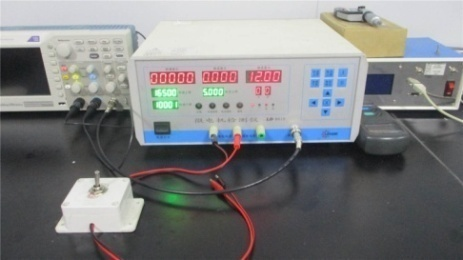
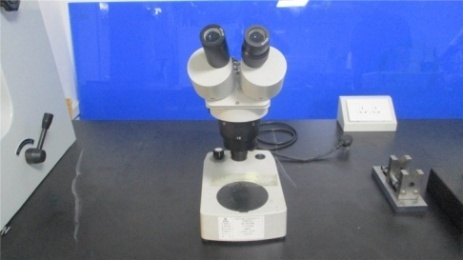
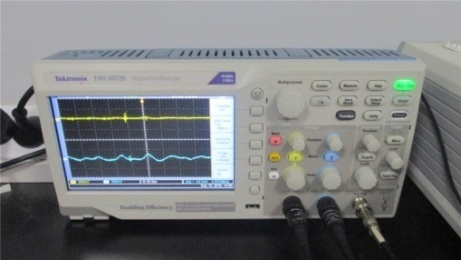
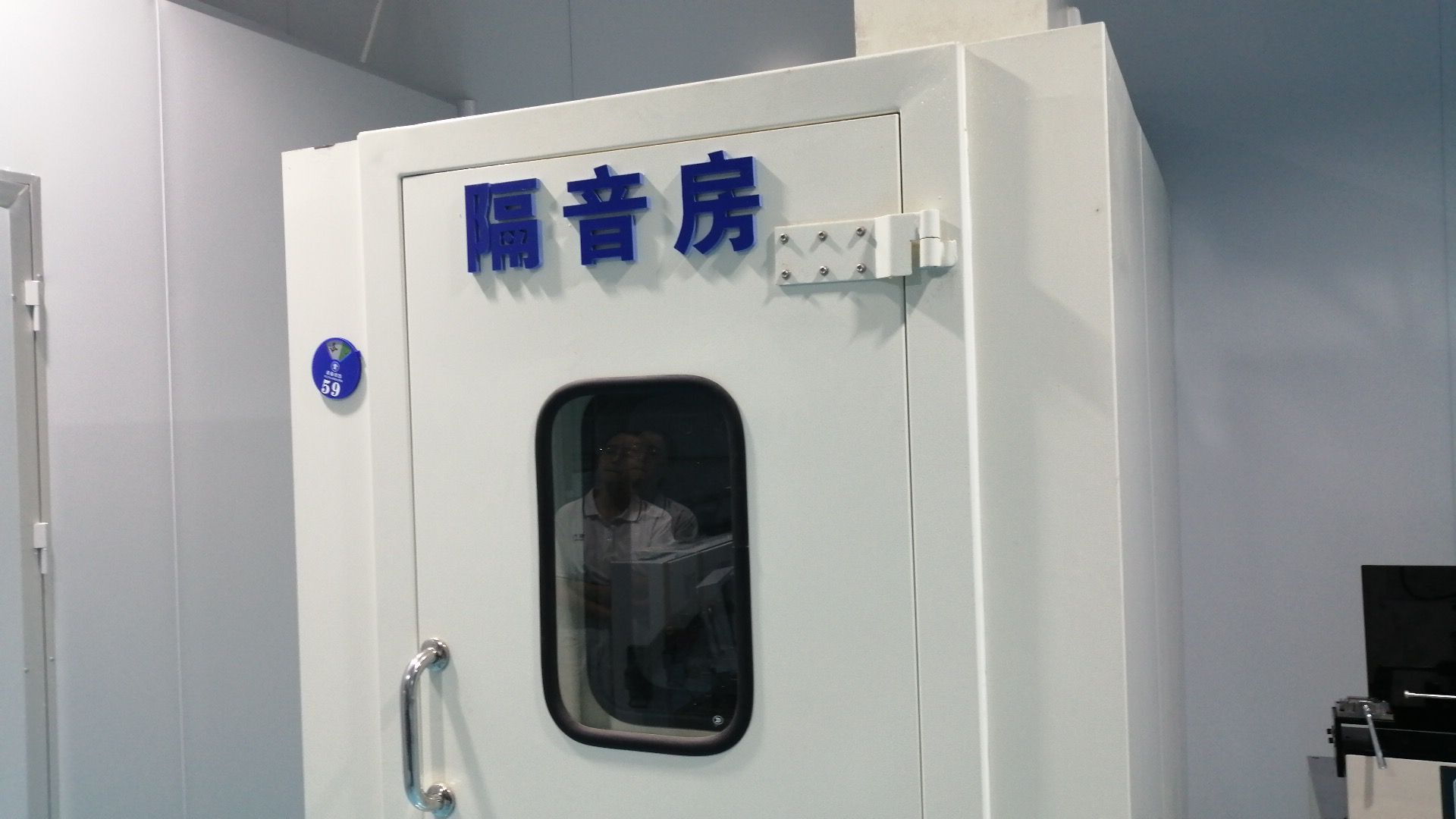
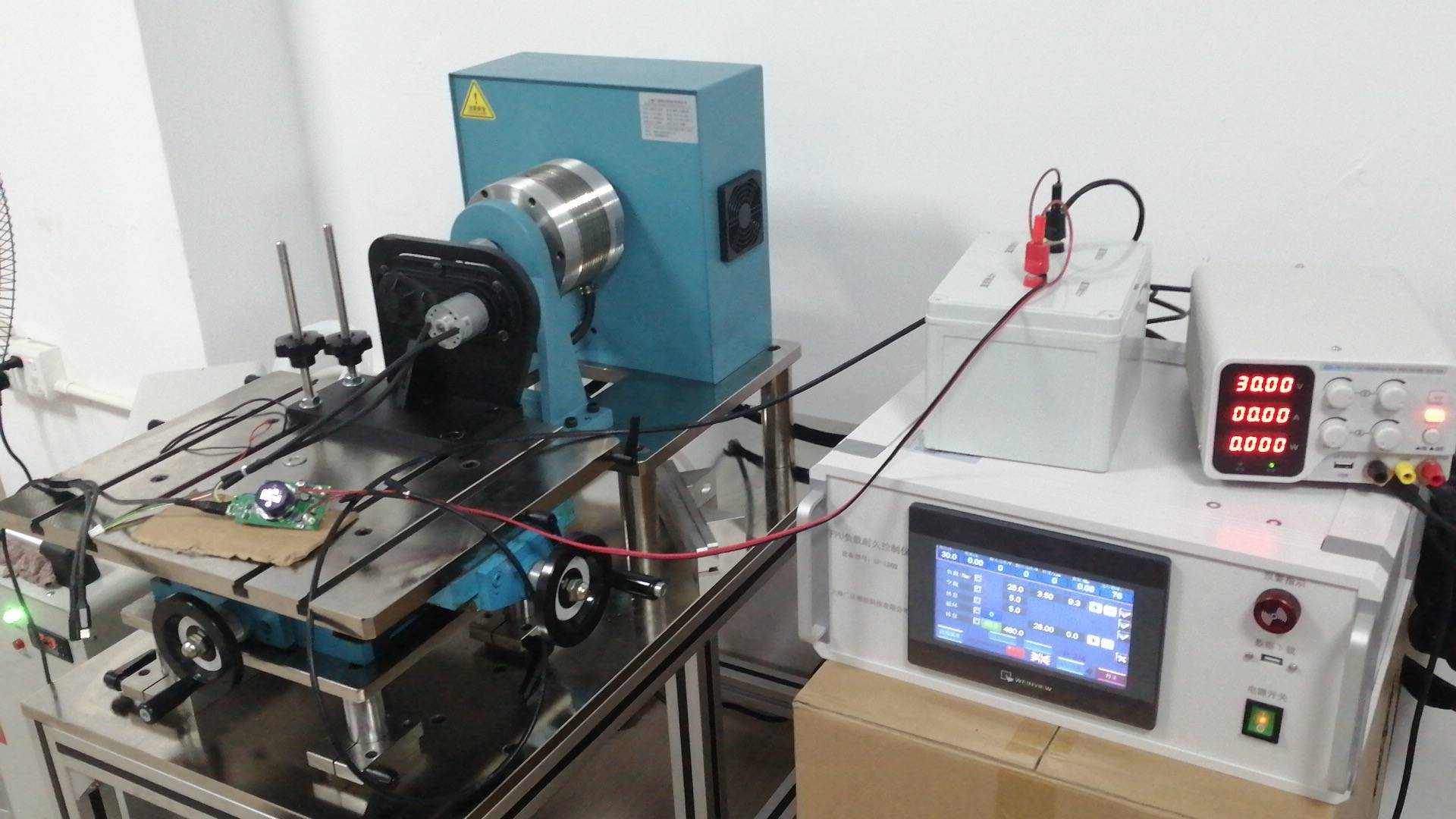
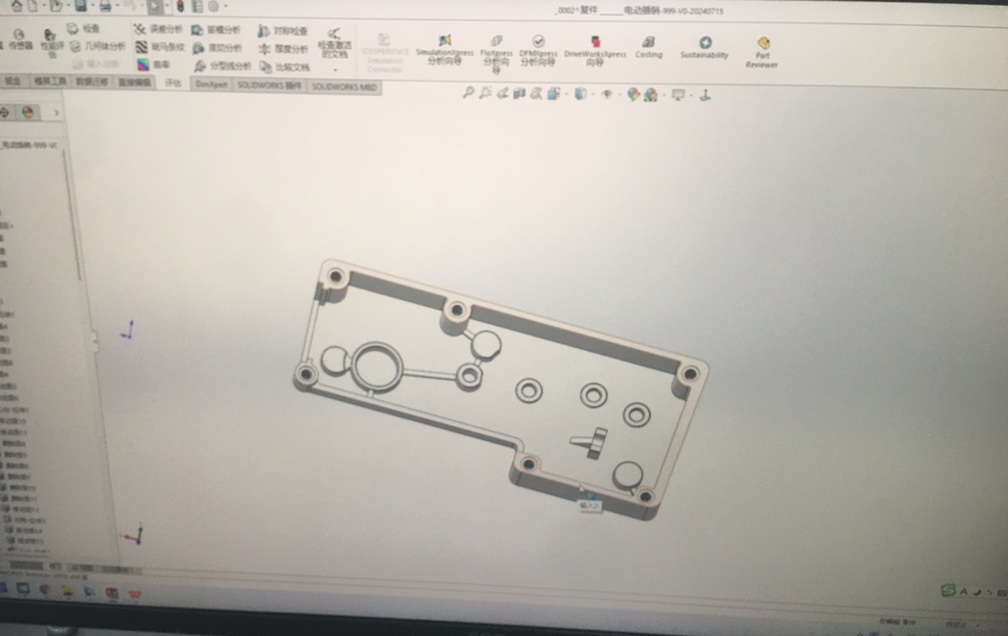
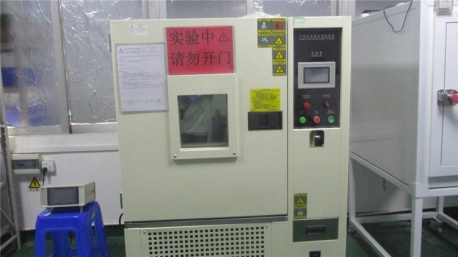
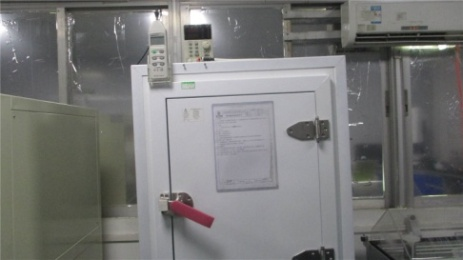
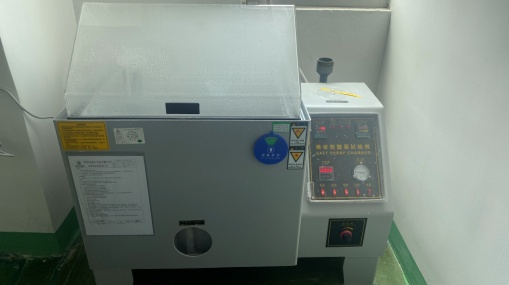
How our location in the Pearl River Delta industrial cluster benefits global buyers with faster production, high quality, and lower costs.
Our factory has direct access to China's dominant rare-earth metal supply chains. We source high-grade sintered NdFeB magnets, high-purity oxygen-free copper wires, and silicon steel sheets from local refineries, reducing logistics costs and ensuring reliable material availability.
Located in the heart of Guangdong's precision manufacturing hub, we source specialized shafts, carbon brushes, and high-precision gear housings from nearby suppliers, allowing us to build custom configurations quickly.
We can turn custom designs into working physical prototypes in 7 to 14 days. Once approved, our semi-automated production lines scale up to high-volume manufacturing, helping you launch products faster.
We address the main pain points of global purchasing teams: quality consistency, on-time delivery, and clear technical communication.
Industrial procurement managers often face critical challenges when importing micro DC motors:
How technical improvements keep brushed motors efficient, reliable, and cost-effective for modern applications.
Using advanced N52 Neodymium magnets, we design smaller motors with the same torque output. This helps developers reduce device weight without losing power.
By combining silver-copper commutator alloys with advanced carbon brush formulations, we extend the wear life of brushed motors, narrowing the life gap between brushed and brushless configurations for cost-sensitive applications.
We can add high-resolution magnetic or optical encoders directly onto the motor's rear shaft, providing speed and position feedback for smart, closed-loop control systems.
From smart home appliances to medical devices, we customize motor characteristics to match specific mechanical loads and operating environments.
| Application Field | Typical Requirements | Our Recommended Solutions | Key Features & Materials Used |
|---|---|---|---|
| Smart Home / Cleaning (Vacuum Cleaners, Window Blinds) | High starting torque, low vibration, and quiet operation (under 45dB). | Shunli 12V/24V Geared Series (22mm to 36mm) | Precision ground carbon brushes, custom rubber dampening rings, helical gears. |
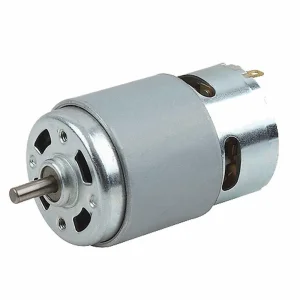
| Automotive Electronics (Locks, Seat Adjusters, HVAC Valves) | High reliability across extreme temperatures (-40°C to +85°C), shock and vibration resistance. | Custom RS775 & PMDC Series | Class F insulated copper wires, reinforced carbon brushes, low-temperature synthetic grease. |
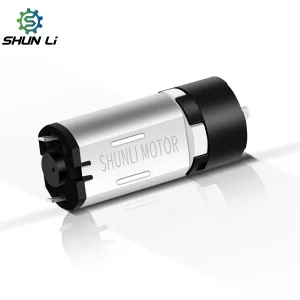
| Medical Devices (Tattoo Machines, Infusion Pumps) | Small size, precise speed control, zero cogging torque, and low EMI. | PM DC Planetary Gear Motors (12mm OD) | Precious metal commutators, coreless rotor winding options, integrated capacitor rings. |
| Industrial Automation (Vending Machines, Actuators) | Self-locking safety, high torque output, and long-term durability. | Custom Worm Gearbox Assemblies (12V/24V) | Hardened steel worm shafts, bronze worm gears, robust die-cast metal housings. |
We meet global quality regulations and provide localized engineering support to simplify your supply chain integration.
We maintain strict compliance with global environmental standards, including RoHS Directive 2011/65/EU and its amendments, ensuring our raw materials contain no hazardous substances. Additionally, all our products comply with REACH requirements, and we supply the necessary declarations for your compliance records.
For global compliance, we provide motor configurations that meet CE and UL standards. Our factories maintain ISO9001:2015 quality certifications, and we use a structured tracking system to trace materials from batch receipt through to final production checks.
To support global development teams, we offer direct communication with our application engineers. We provide 3D CAD models, clear technical datasheets, and fast prototyping options to resolve integration issues before mass production begins.
Answers to common design and integration questions from application engineers and purchasing managers.
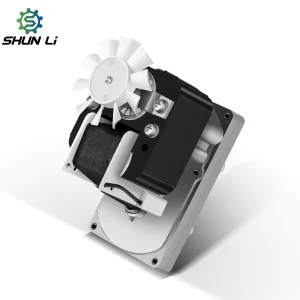
Low-RPM permanent magnet generators, high-torque industrial actuators, and shaded pole motors engineered for specialized commercial applications.
 Luv Motors