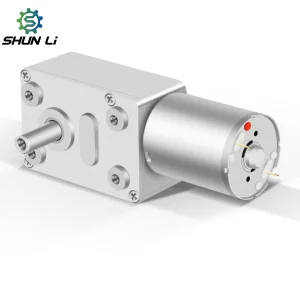
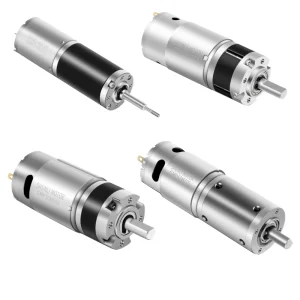
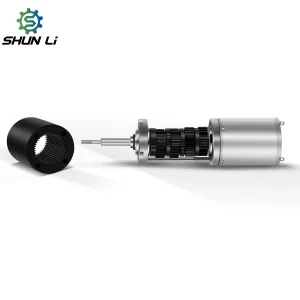
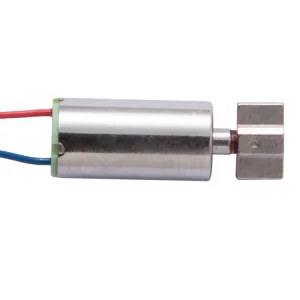
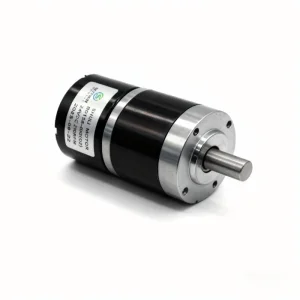
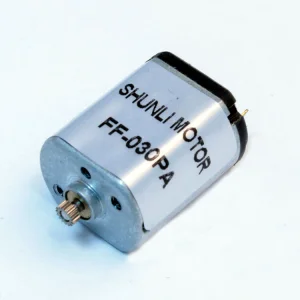
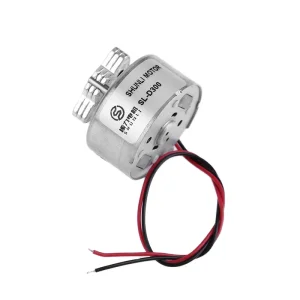
Explore our industrial-grade customizable DC worm-gear, brushless planetary, and micro vibration motors built to satisfy global procurement specifications.
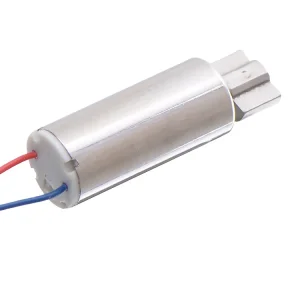
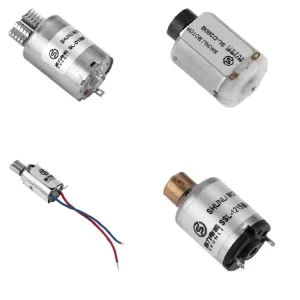
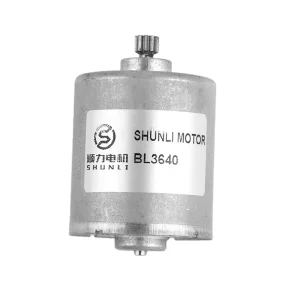
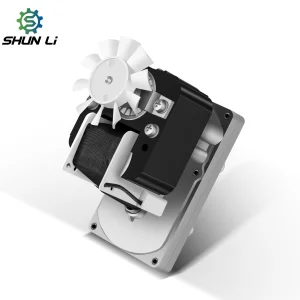
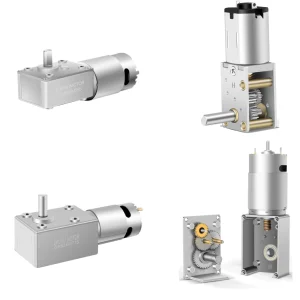
Established in 2006, Luv Motors is a certified High-Tech China manufacturer specializing in the development, engineering, and execution of high-performance Micro DC Motors, DC Gear Motors, and Brushless Motors (BLDC). With almost two decades of domain-specific engineering expertise, we represent a primary asset to global distributors, product developers, and mechanical procurement managers looking to minimize friction in their supply chains.
We deliver Top Quality through ISO9001-certified automated production pipelines and offer 100% Customization through our dedicated, highly credentialed in-house engineering team. From automated smart home appliances to demanding automotive drive electronics, we supply global OEM buyers with dependable, low-noise, and high-torque micro-drive solutions directly from the factory floor. Partnering with Luv Motors ensures that you bypass intermediary inflation, gaining direct access to technical prototyping, engineering iterations, and robust, industrial B2B support pipelines.
Reliability in programmable servo motors is a product of process fidelity. At Luv Motors, we view production not merely as assembly, but as an exact science. Our workflow begins with rigorous incoming quality checks on raw copper wire, magnetic assemblies, and high-tolerance steel shafts. Every step—from automatic armature winding and terminal welding to complex gear integration—is monitored under ESD-safe environments to prevent latent defects.
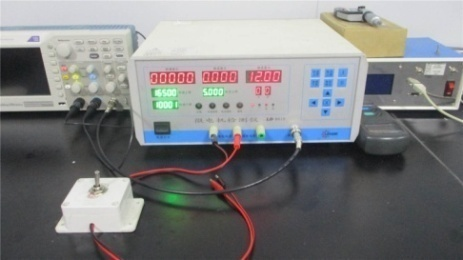
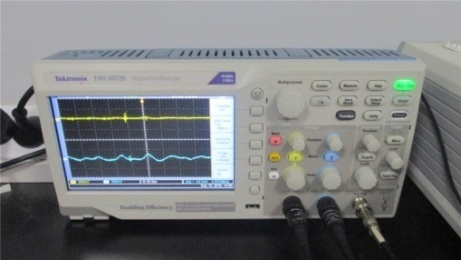
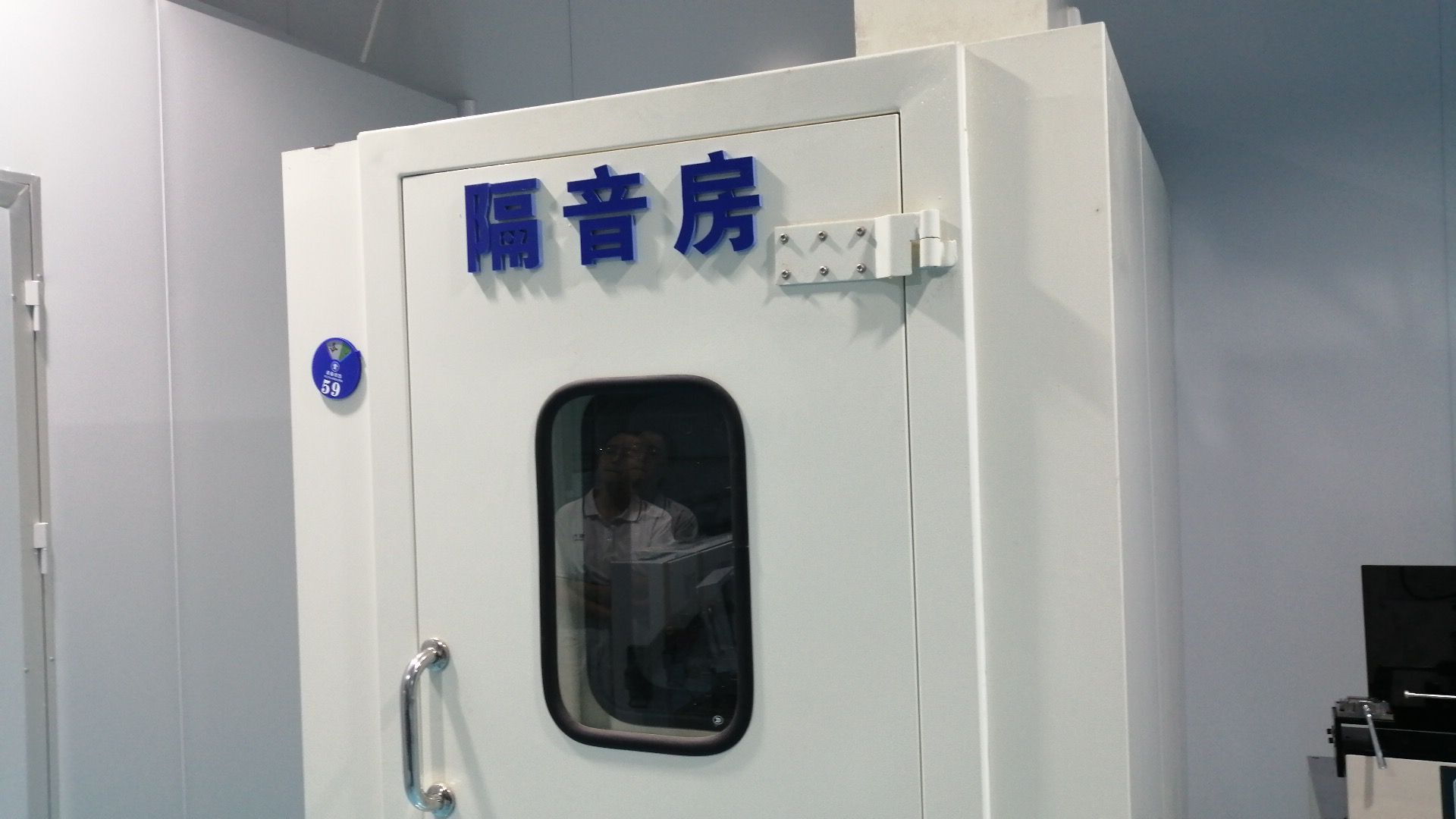
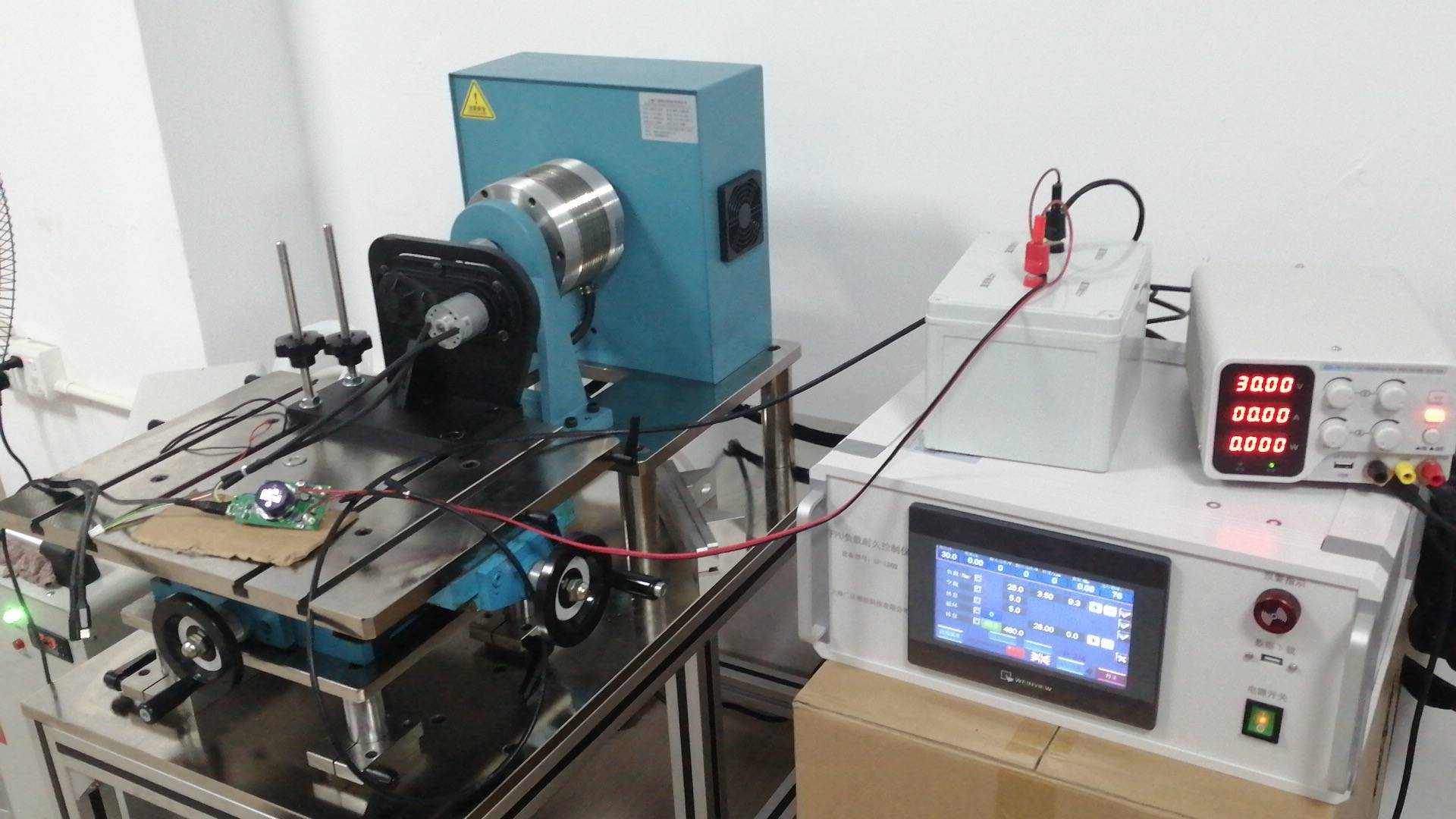
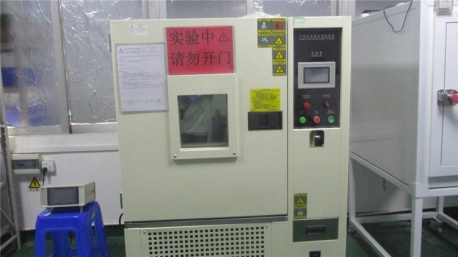
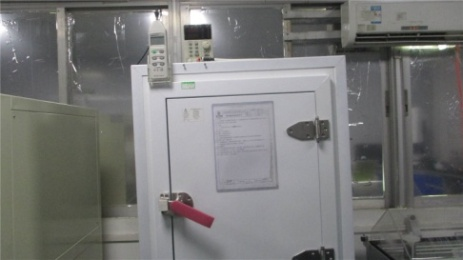
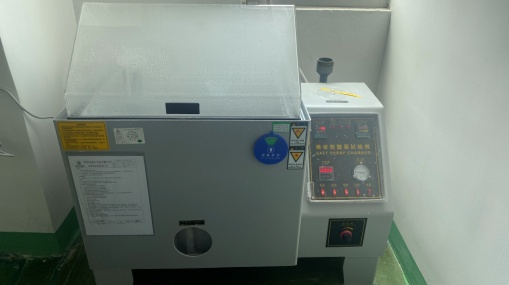
Our commitment to Quality Assurance is represented by our advanced testing chambers. Rather than performing spot checks, our manufacturing flow integrates full-load testing at critical stages. We evaluate dynamic back-EMF, shaft runout, torque consistency, and acoustic performance profiles to ensure that each unit leaving our facility adheres to the strict performance tolerances outlined by our global clientele.
The modernization of the industrial landscape demands intelligent motion control. Classical direct current (DC) motors, while reliable, fail to meet the algorithmic demands of contemporary industrial processes. The emergence of the programmable servo motor bridges this gap. These devices feature integrated electronic feedback controls (encoders or resolvers) that allow for real-time trajectory adjustments, speed profiling, and absolute positional stability.
By employing high-resolution optical or magnetic encoders, programmable servos deliver closed-loop feedback capable of executing complex motion sequences. In manufacturing environments utilizing multi-axis machinery, the integration of EtherCAT, CANopen, and Modbus RTU communication protocols directly on-board the servo controller eliminates cabling complexity, improves immunity to electromagnetic interference (EMI), and provides predictive telemetry data to central PLCs. As a result, factories can transition from reactive maintenance cycles to proactive, data-driven optimization strategies.
Our systematic manufacturing pipeline is audited to guarantee traceability, engineering precision, and rapid throughput.

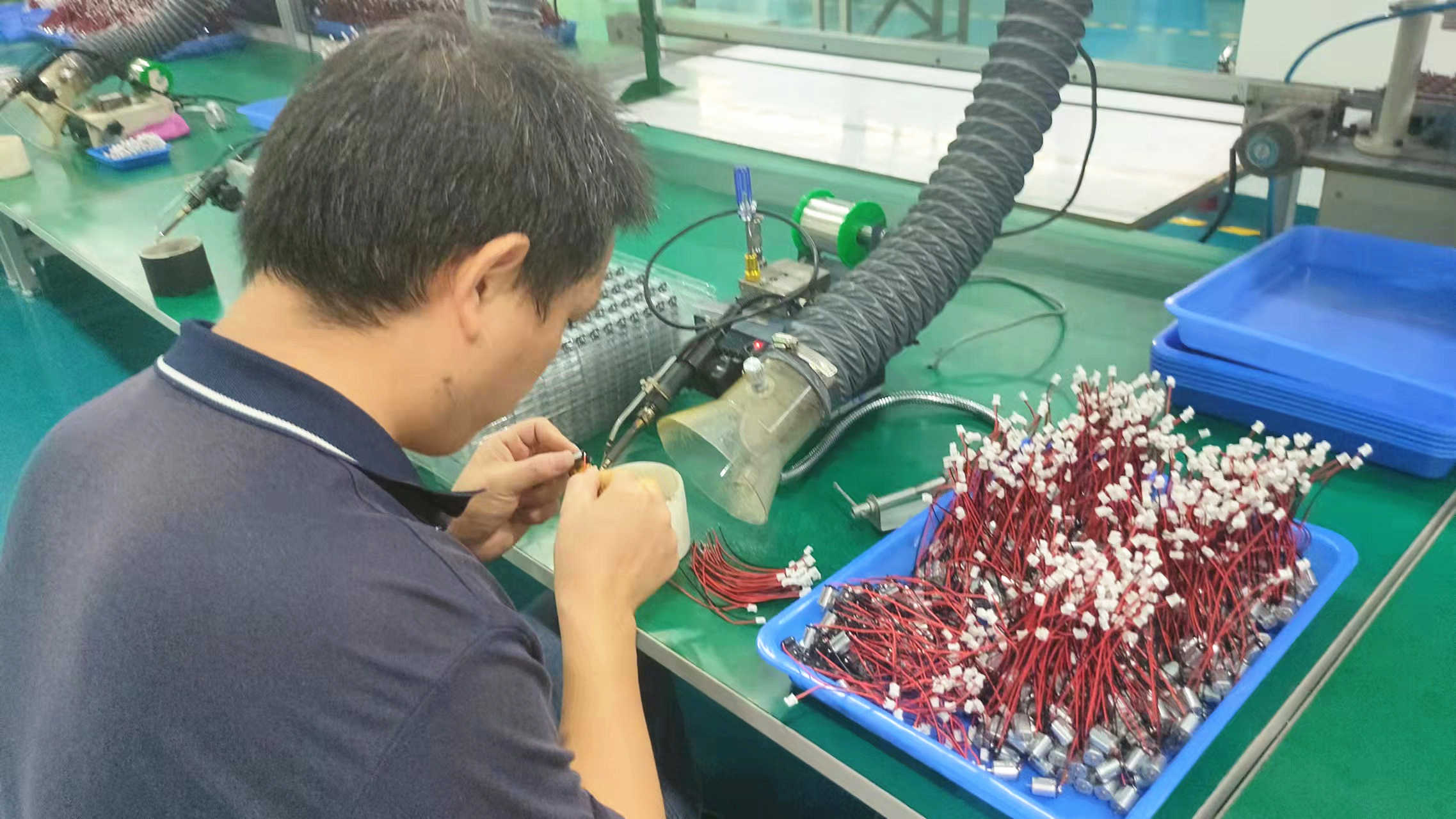
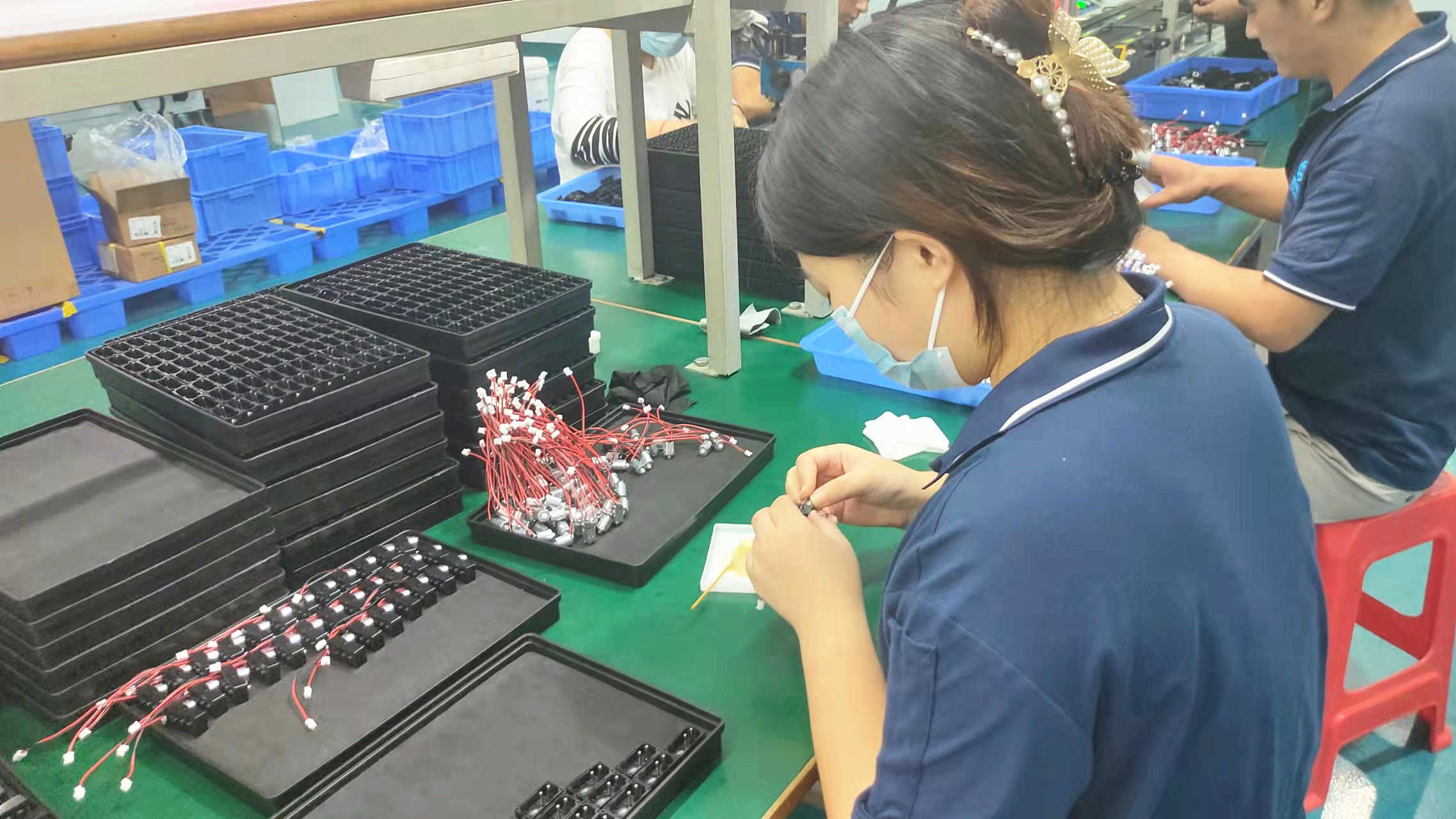
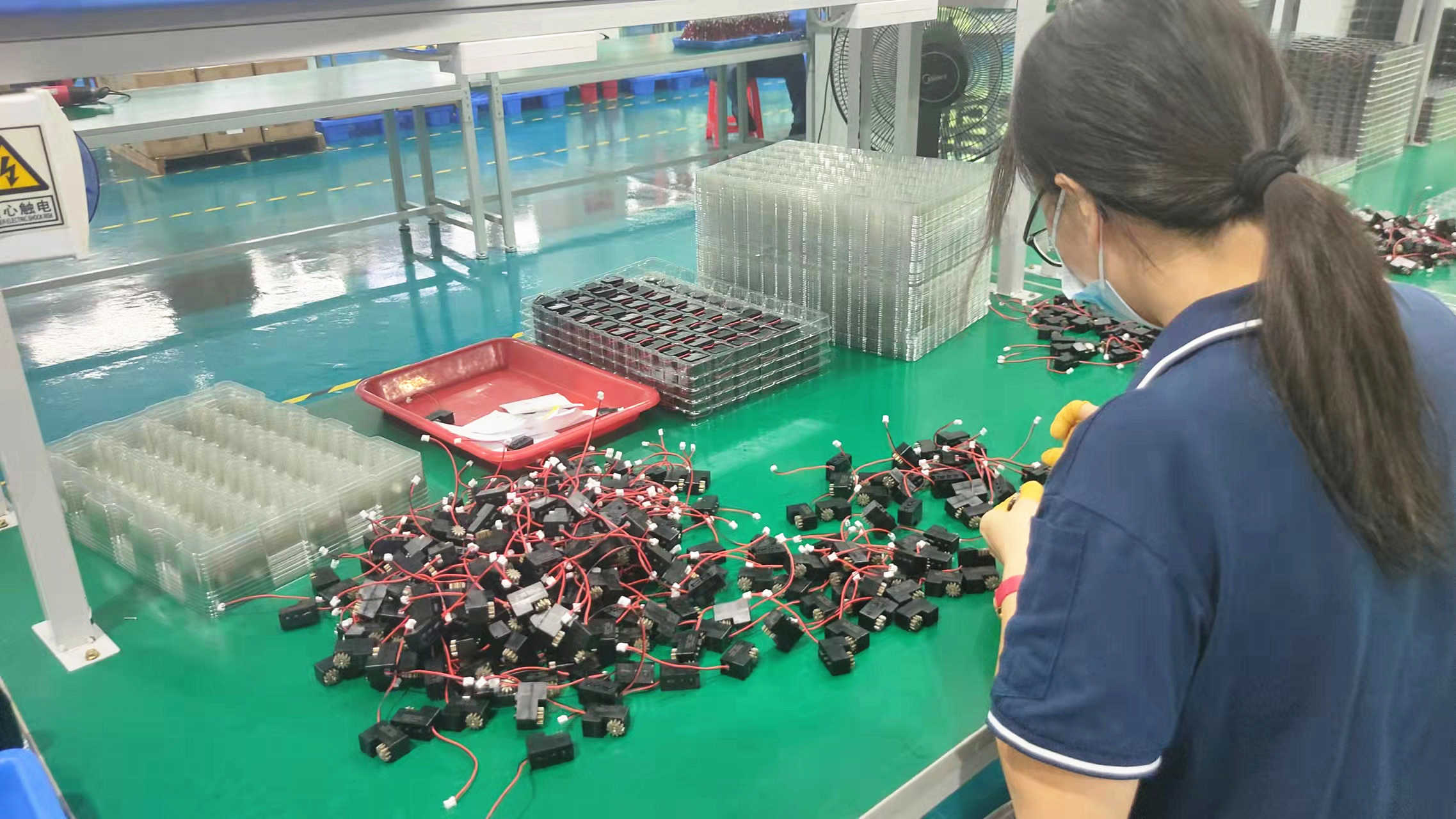
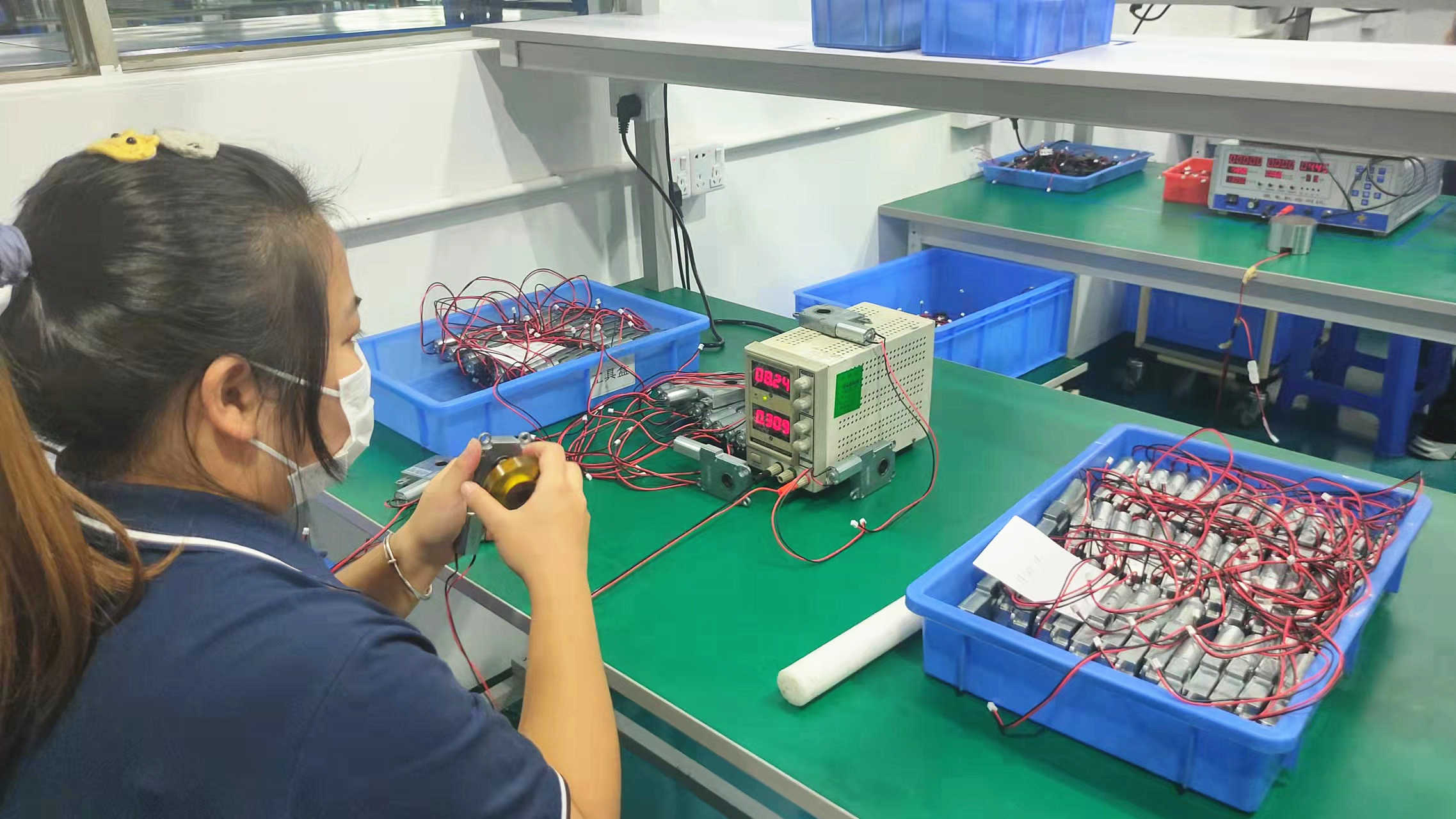
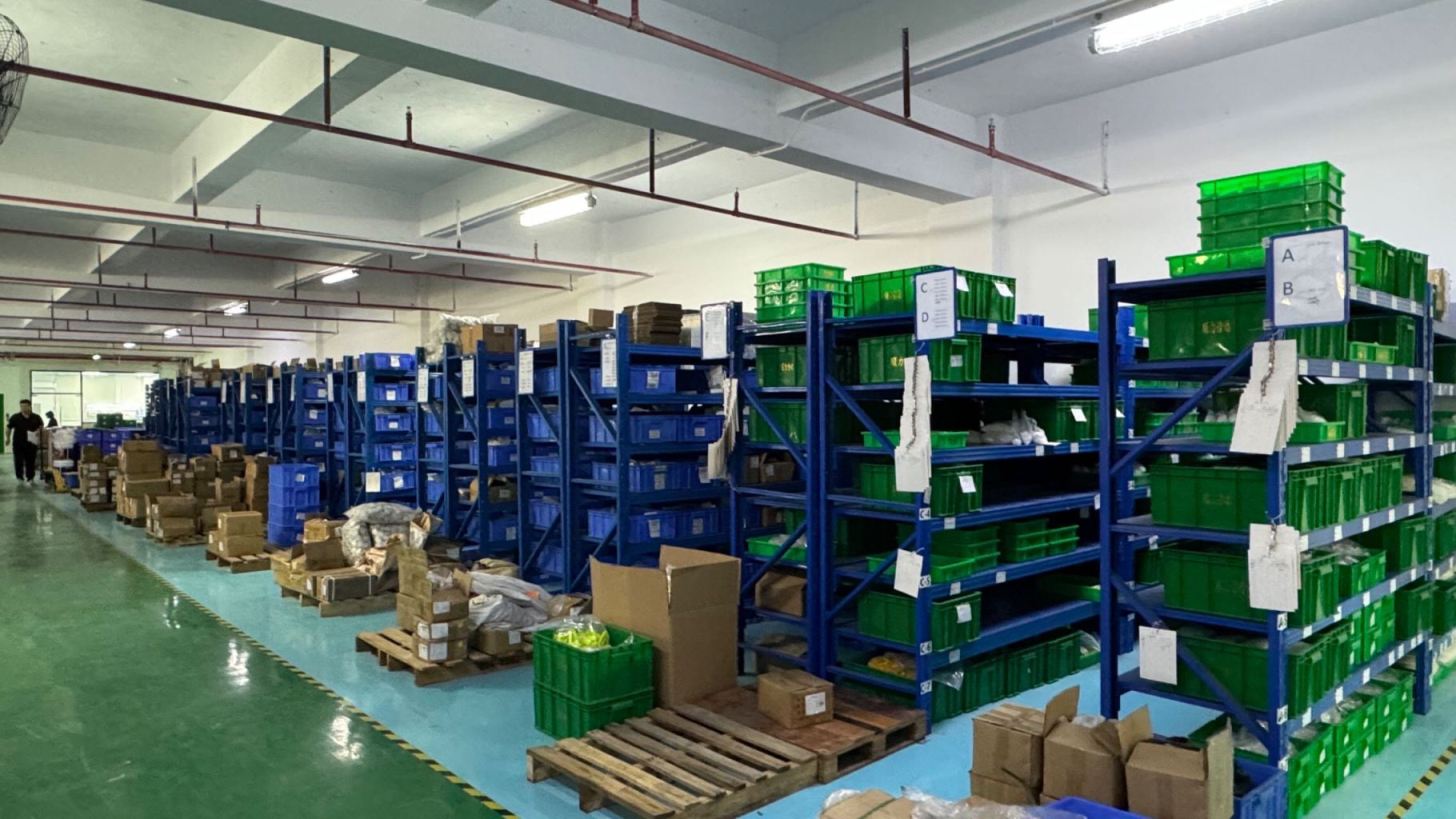
The concentration of precision electronic manufacturing in China yields substantial operational advantages for international procurement teams. Our position in Shenzhen permits immediate access to raw rare-earth materials, specialized copper wire manufacturers, and custom CNC tooling partners. This integration allows Luv Motors to execute rapid prototyping loops that would normally require weeks or months in other industrial clusters.
Furthermore, we utilize high-precision, computerized lathing and hobbing machinery that yields gearboxes with exceptionally low backlash. By maintaining design, die-casting, plastic injection molding, and assembly inside a unified system, we mitigate the risk of assembly stacking errors. For B2B buyers, this translates to predictable pricing, structural reliability, and reduced total cost of ownership (TCO) across the operational lifespan of the motor.

Modern applications rarely support off-the-shelf drive components due to spatial limitations or unique mechanical constraints. Luv Motors resolves this issue by focusing our business model on OEM/ODM customization. Whether your design requires a specific D-shaft, customized lead wire connectors, integrated planetary reduction gearboxes, or specific grease options for low-temperature operating environments, our engineers are equipped to assist.
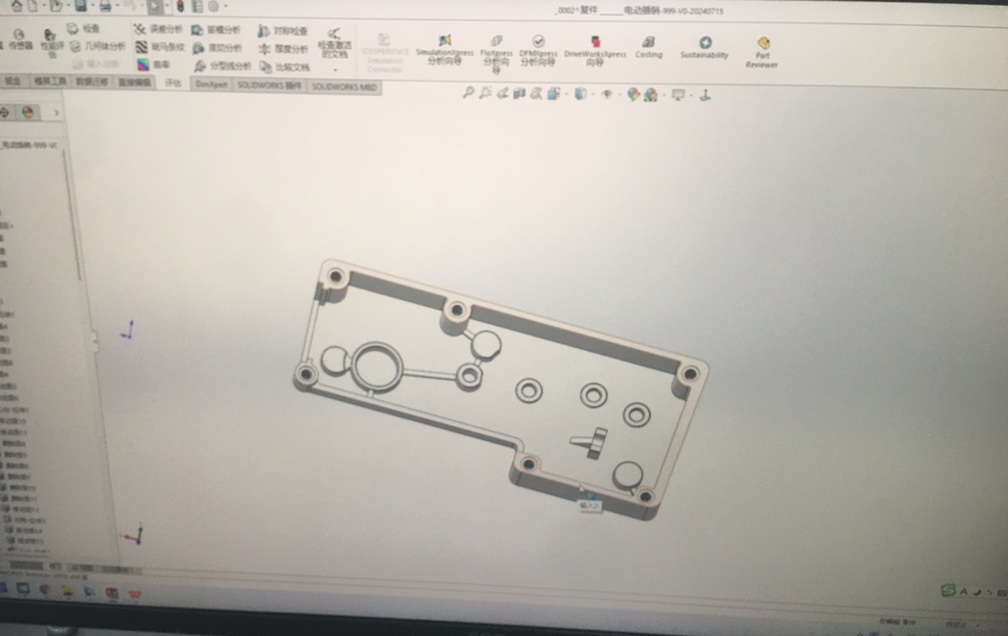
Our internal technical team evaluates mechanical loads, torque vectors, thermal limits, and electrical characteristics during the CAD phase. Through this deep co-engineering model, we ensure that the motor interfaces cleanly with your product shell, preserving structural integrity while delivering optimized torque curves and reduced electrical current draw.
Sourcing components internationally requires strict adherence to localized regulatory environments. Products intended for the European Union must strictly comply with RoHS and CE standards, while North American markets require UL and FCC qualifications. At Luv Motors, compliance is designed directly into our manufacturing procedures. We utilize raw materials tested by third-party laboratories to ensure absence of hazardous chemicals, and we design winding insulation classes that meet international flame retardancy guidelines.
To support global field deployment, we provide remote engineering consultation and localized integration documentation. By ensuring our programmable micro motors comply with the EMC (Electromagnetic Compatibility) directives, we prevent electrical noise interference from affecting surrounding sensors or wireless communication modules within your final assembly.
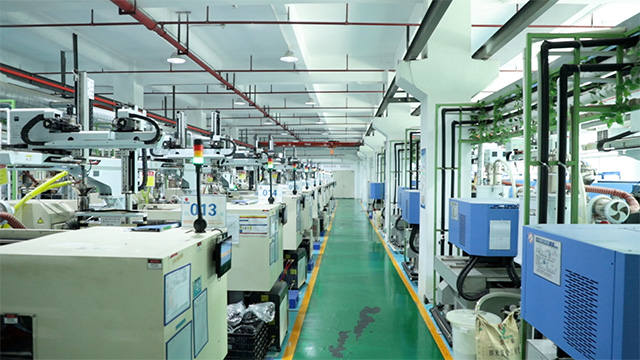
Our facility is equipped with automated gear hobbing, Swiss-type CNC lathes, and computer-controlled winding systems to guarantee extreme consistency.
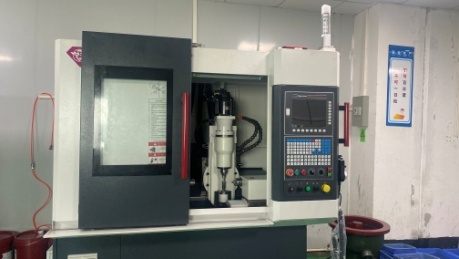
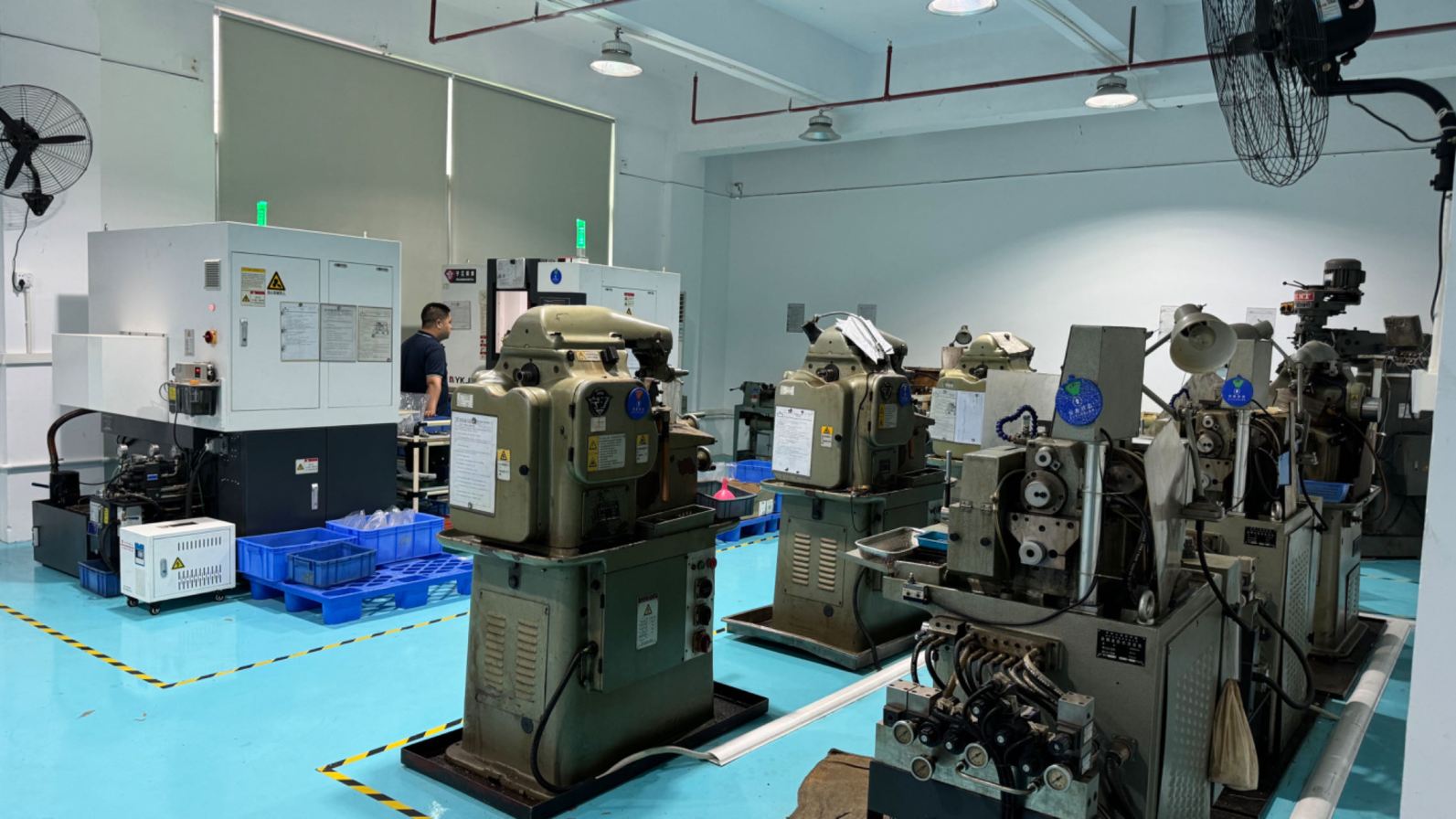
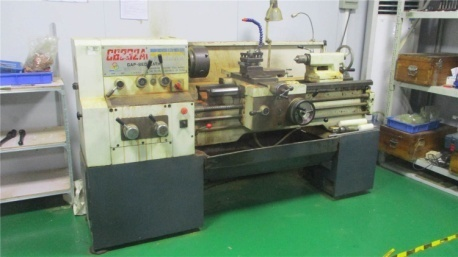
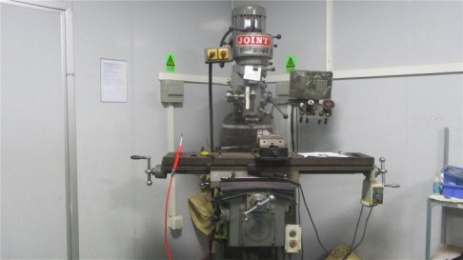
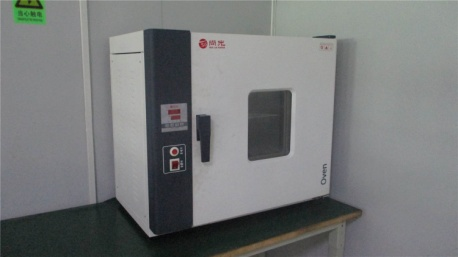
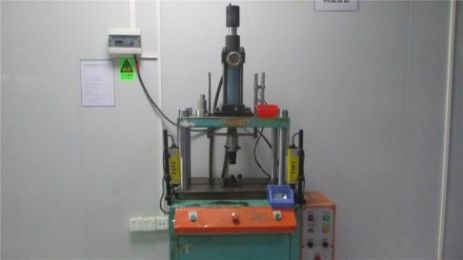
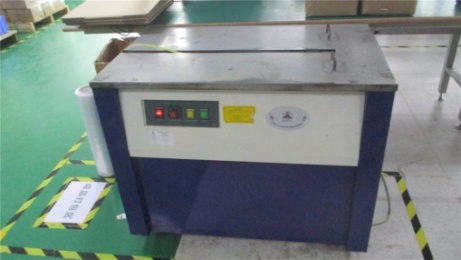
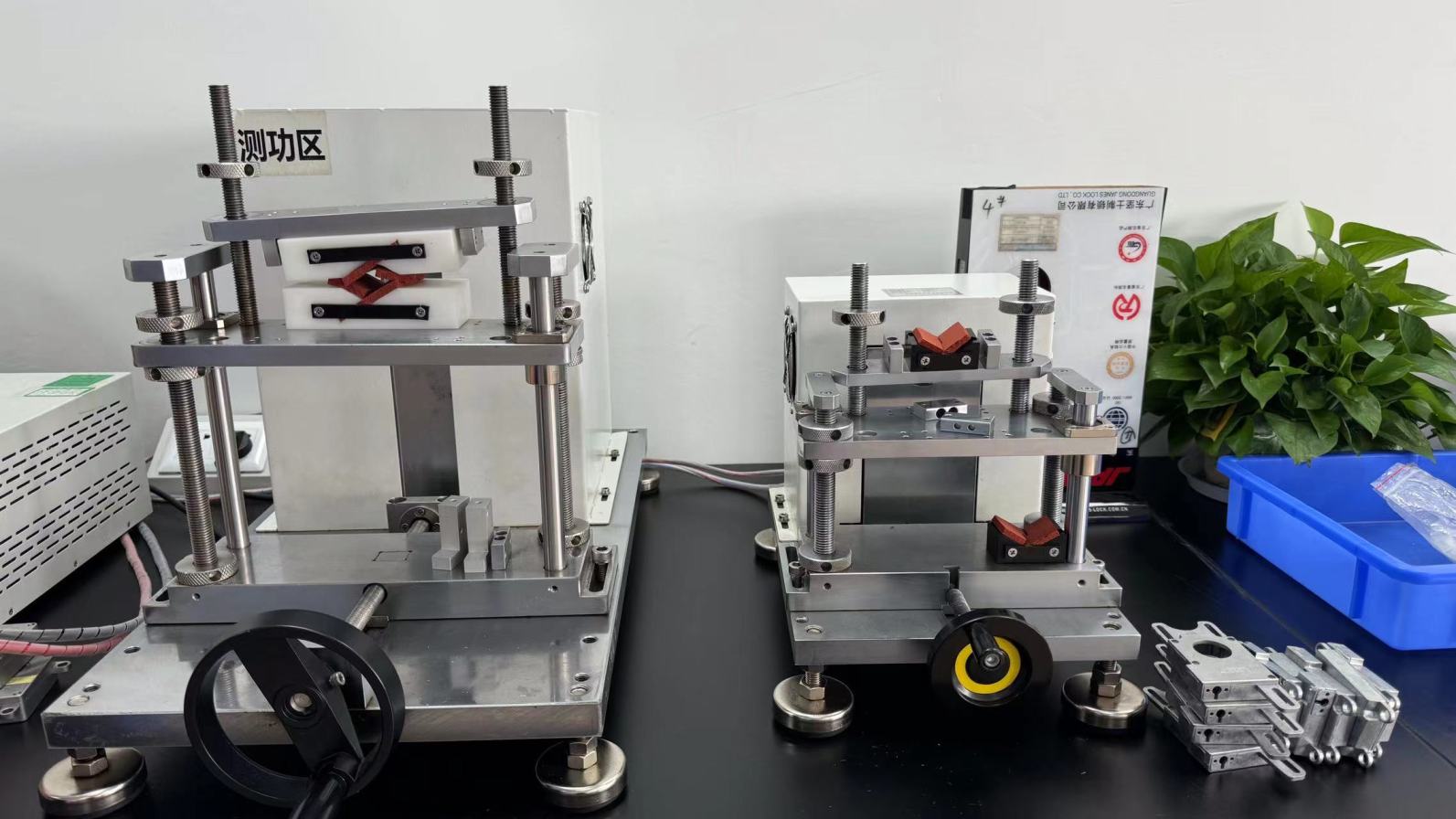
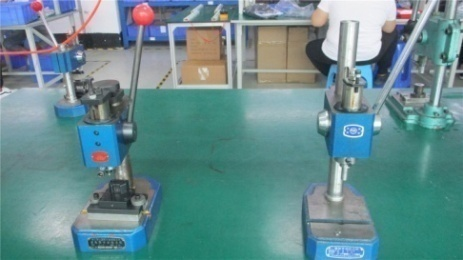
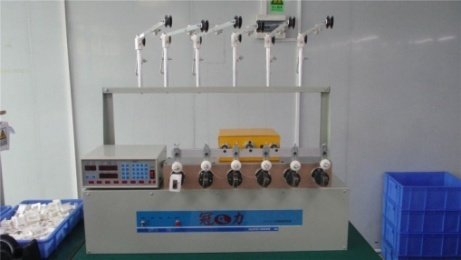
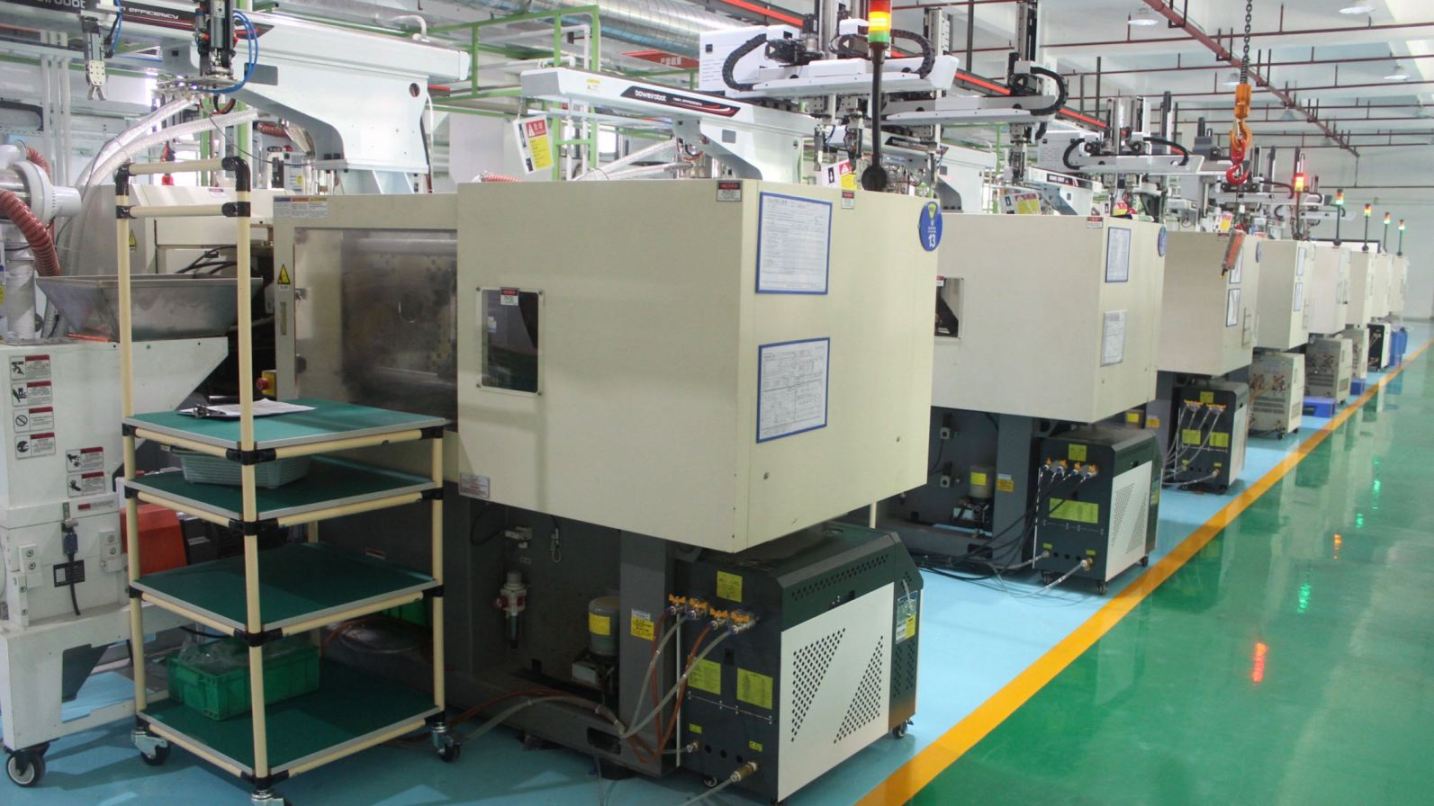
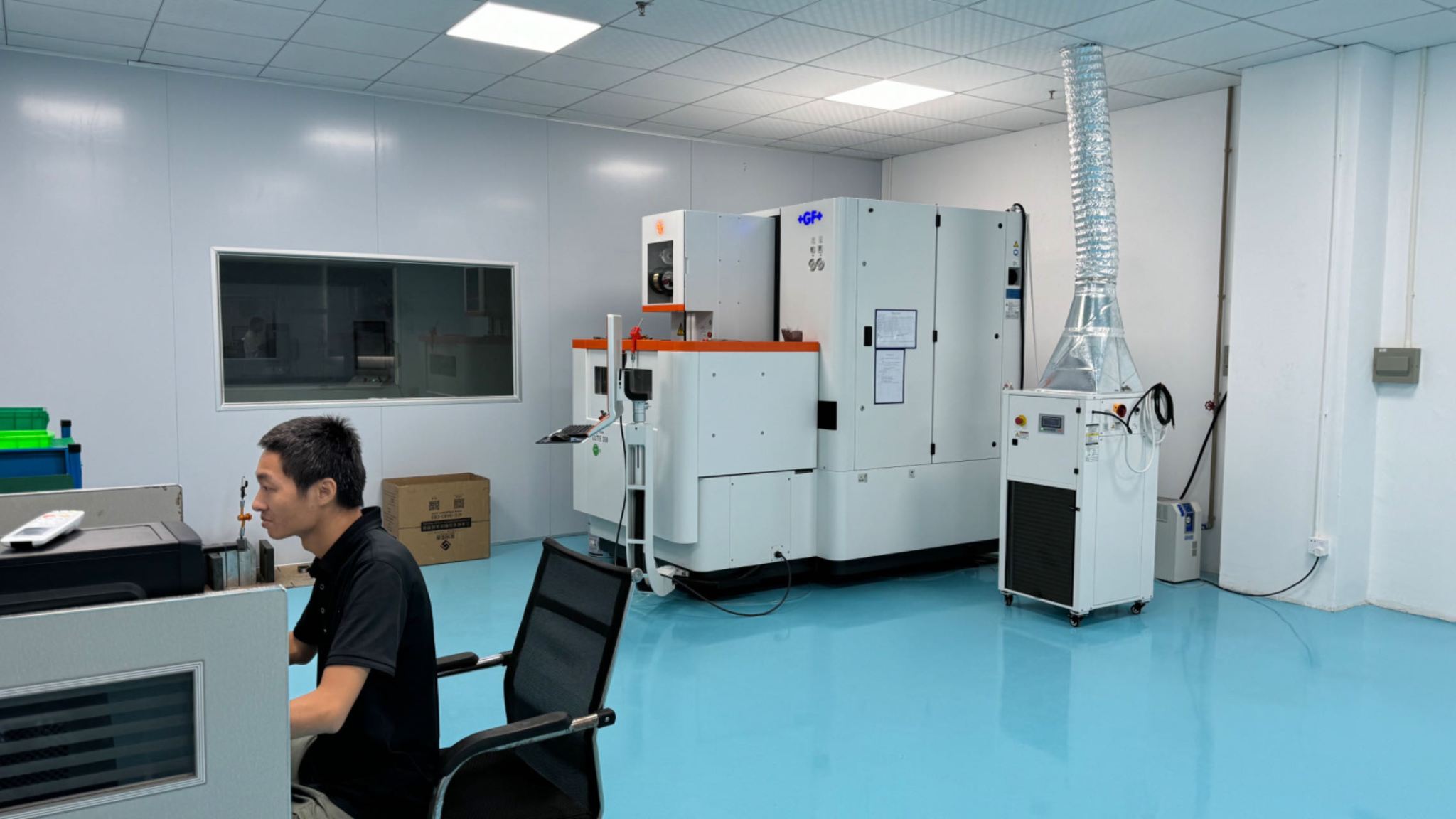
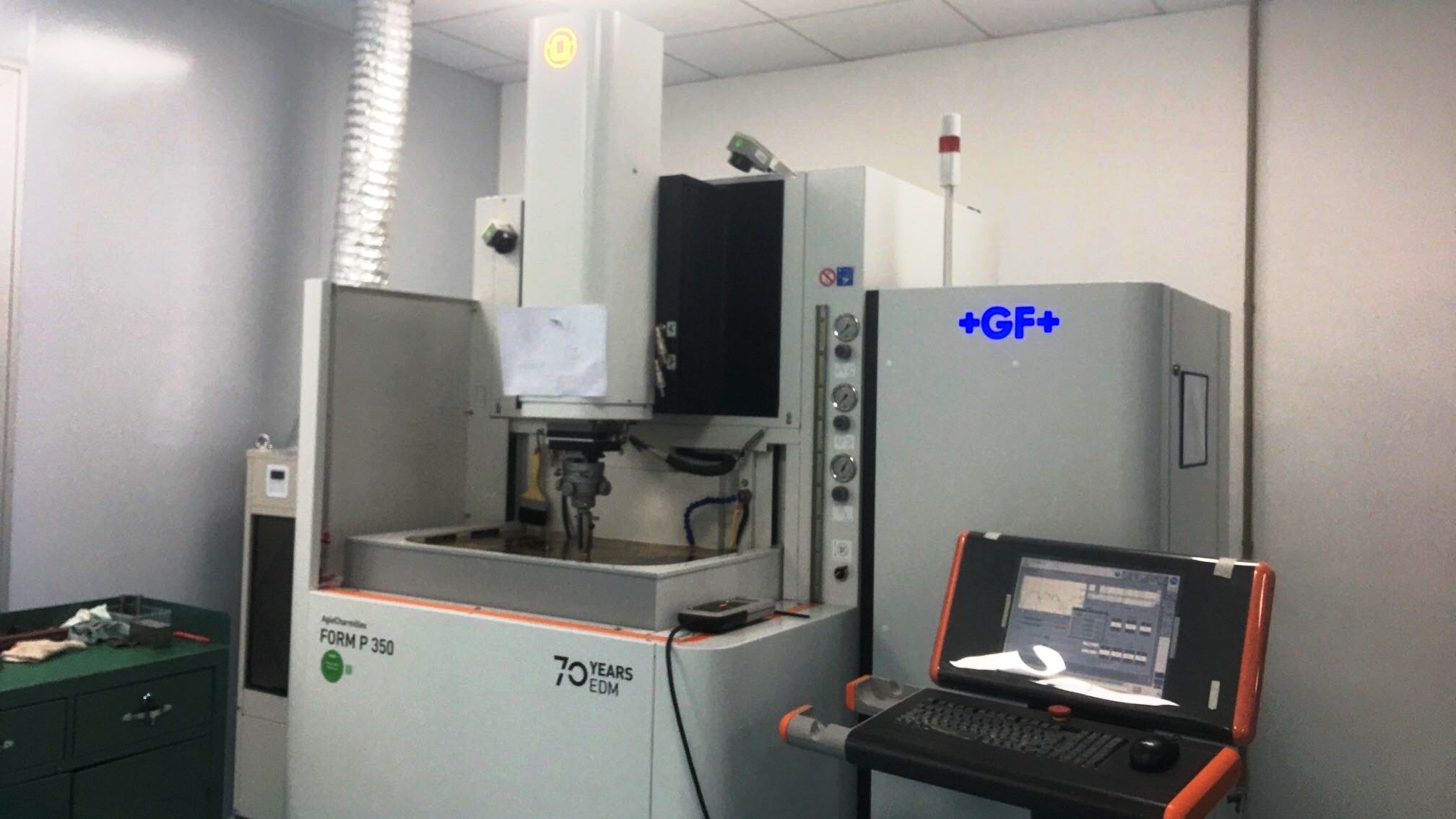
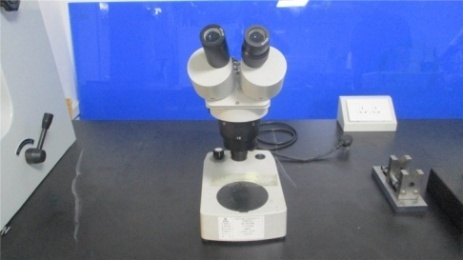
Our quality verification processes check mechanical, electronic, thermal, and noise thresholds to satisfy the most demanding engineering needs.
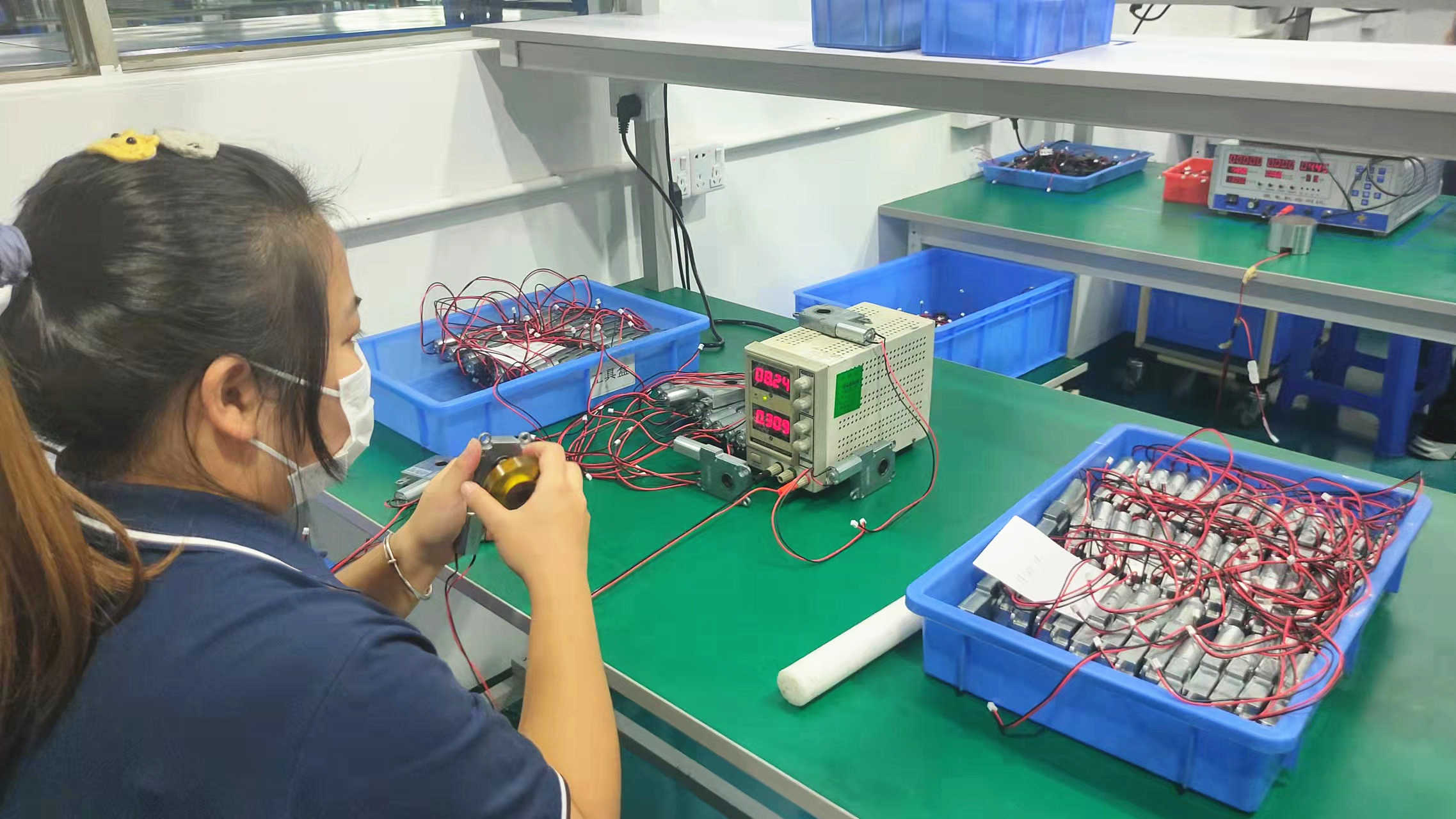
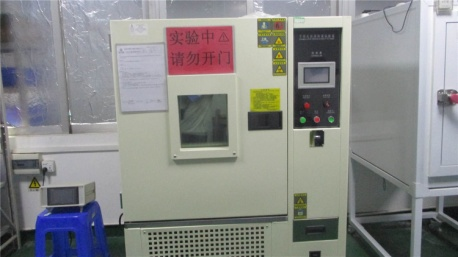
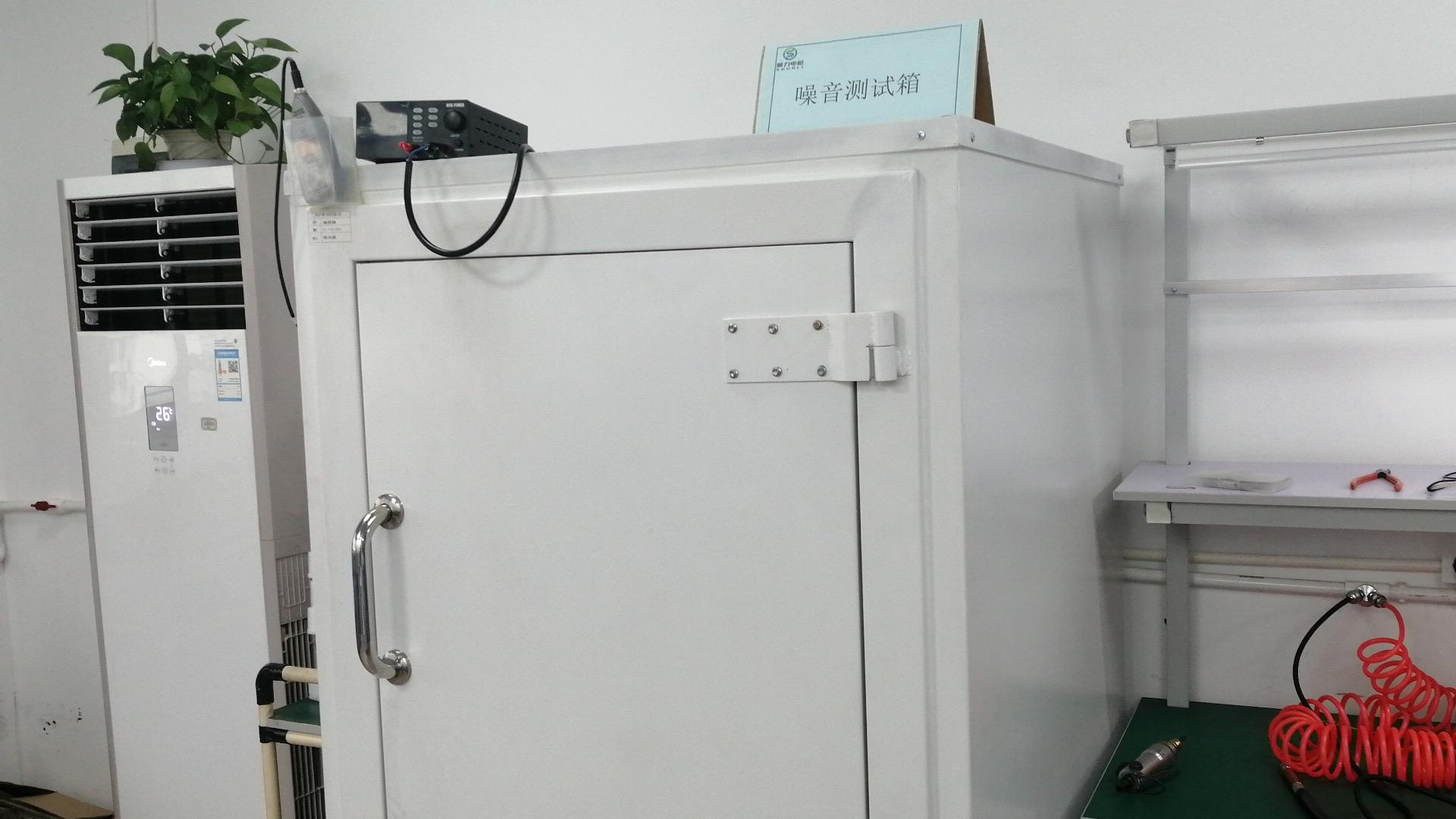
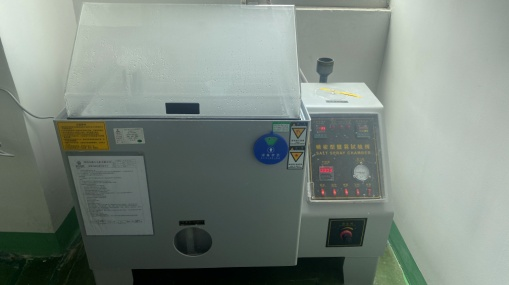
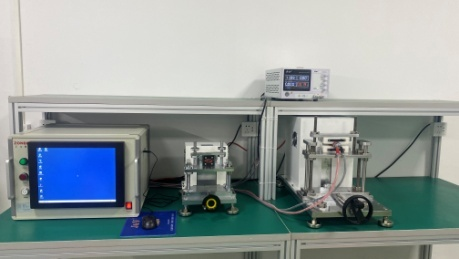
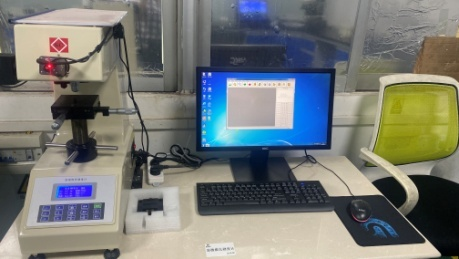
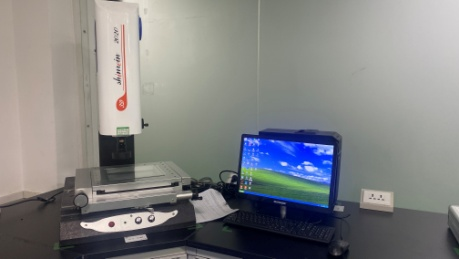
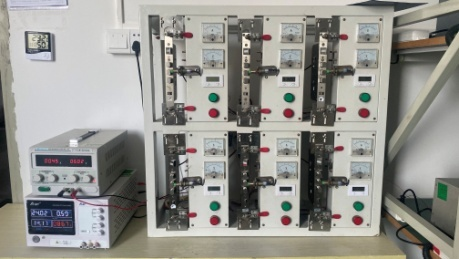
Our dedicated engineering department tests designs in virtual space before committing to metal, reducing development times for custom client runs.
Global purchasers of programmable micro drive components operate with distinct localized parameters. European engineering firms prioritize electromagnetic shielding, system integration metrics, and environmental friendliness. In contrast, North American logistics and medical system integrators prioritize duty cycle lifespans, torque density profiles, and immediate field service availability.
At Luv Motors, we address these specific expectations. By integrating dual-channel Hall sensors or magnetic encoders directly with the motor end-bell, we provide the precise feedback required by modern automation controllers. This design approach ensures our motors interface cleanly with industrial motion cards, reducing integration and setup overhead for the system architect.
The micro-drive industry is moving rapidly toward miniaturization, lower power requirements, and smarter feedback mechanisms. Traditional brushes are being replaced by brushless electronics to extend operational lifespan, while gearboxes are transitioning to planetary designs to improve torque density within tighter envelopes. The rise of battery-operated mobile robots (AGVs, AMRs) makes motor efficiency critical: a 5% improvement in efficiency can translate to hours of additional runtime.
Luv Motors maintains a frontrunner position in these trends. Our engineering team continuously experiments with high-grade neodymium magnets and high-fill slot stators to maximize torque per unit volume. Concurrently, we are expanding our programmable motor control software libraries to offer smoother acceleration profiles and reduce mechanical shock loads in multi-joint robotic systems.
Gain technical clarity with answers from our principal application engineers regarding customization options, tolerances, and configurations.
Explore our secondary tier of specialized gear reducers and micro motors engineered for toys, beauty electronics, and robotics.
 Luv Motors