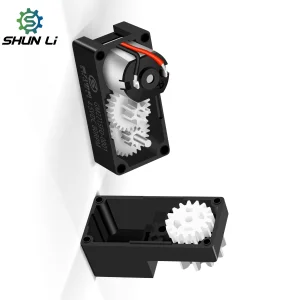
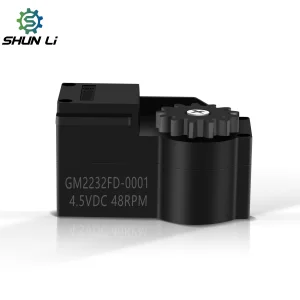
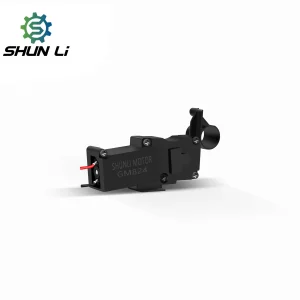
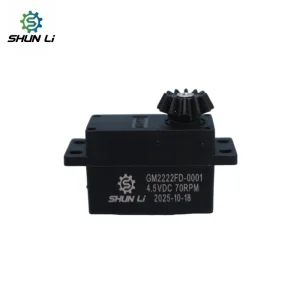
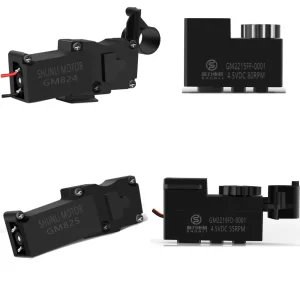
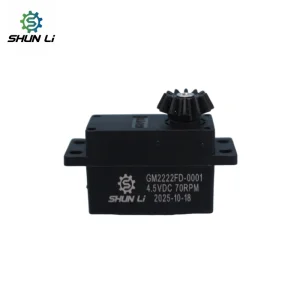
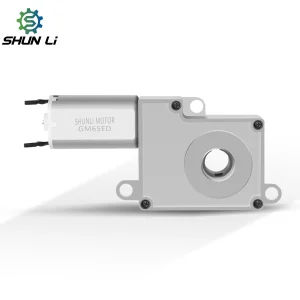
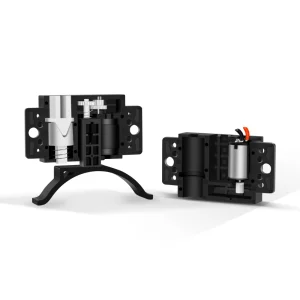
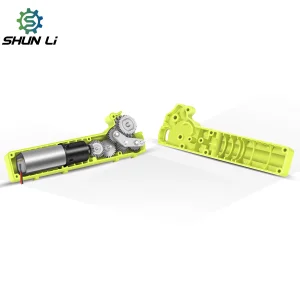
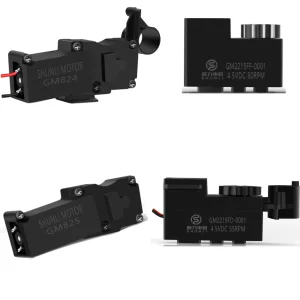
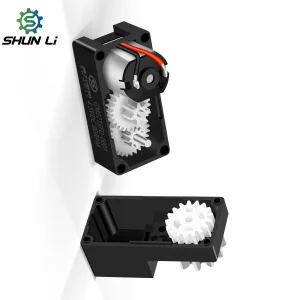
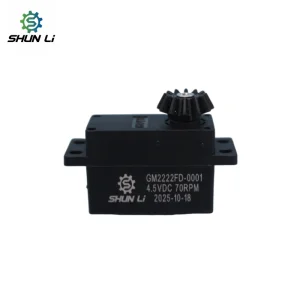
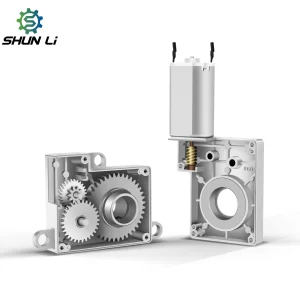
Direct from our precision assembly lines, these highly sought-after micro DC motor configurations are engineered to meet British lock safety profiles.
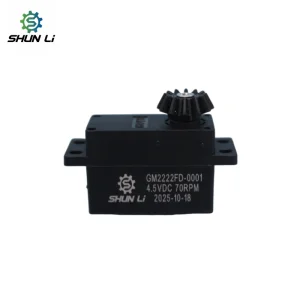
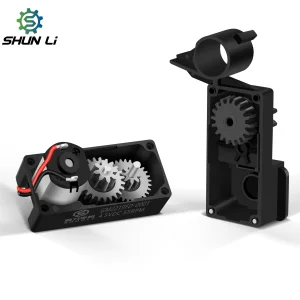
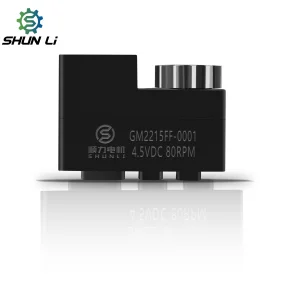
An in-depth analysis of high-security electromechanical lock actuators, compliance frameworks, and global sourcing strategies.
The United Kingdom access control sector is witnessing an unprecedented transition from mechanical security hardware to intelligent, networked locking systems. Guided by stringent British Standards such as BS EN 12209 and BS EN 14846, local smart lock manufacturers in commercial hubs like London, Birmingham, and Manchester are facing intense regulatory pressures to produce hardware that is secure, fire-compliant, and energy-efficient. As a critical component within smart mortise locks, multi-point locks, and digital deadbolts, the micro DC motor serves as the operational heart. The choice of motor determines the torque performance, acoustic signature, and thermal characteristics of the electronic locks deployed across various British infrastructure projects.
In commercial real estate, corporate workspaces, and co-working offices across the UK, lock design is shifting towards integration with building management systems (BMS) via Zigbee, Z-Wave, or Bluetooth Low Energy (BLE). This demands drive systems with extremely low standby power draw. With the widespread adoption of smart access in student housing and multi-family residential developments, actuators must be designed to withstand high-duty cycles without degradation of the internal gearbox assembly.
"Security hardware manufacturers in the UK are increasingly adopting miniature electric drive solutions that balance torque density with efficiency, ensuring compatibility with strict UKCA testing regimes and zero-failure requirements for fire-door assemblies."
Furthermore, heritage retrofitting projects across historic properties in the UK present unique mechanical constraints. These projects require lock casings that mirror traditional profiles, leaving minimal space for electronic components. This spatial restriction directly influences motor sizing, making high-torque density micro gear motors (often under 12mm or 16mm in diameter) a necessity rather than an option.
Understanding the operational context of lock motors requires a look at both the environmental conditions and electronic constraints typical of European and UK microgrids and battery platforms. Here is a breakdown of current industry requirements:
UK-based Original Equipment Manufacturers (OEMs) and smart lock brands face constant supply chain headwinds, including fluctuating shipping freight rates, compliance checks (such as REACH and RoHS), and the challenge of scaling custom designs. Sourcing from a reliable supplier who can provide customizable prototypes rapidly while maintaining high-volume quality control is essential. By transitioning from catalog-standard parts to purpose-built, customized micro DC gear motors, UK companies can significantly reduce return rates and enhance overall system efficiency.
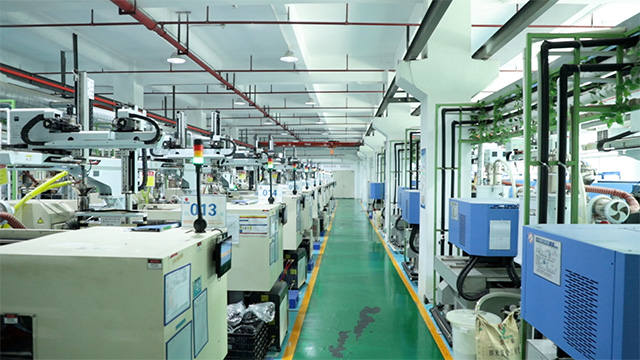
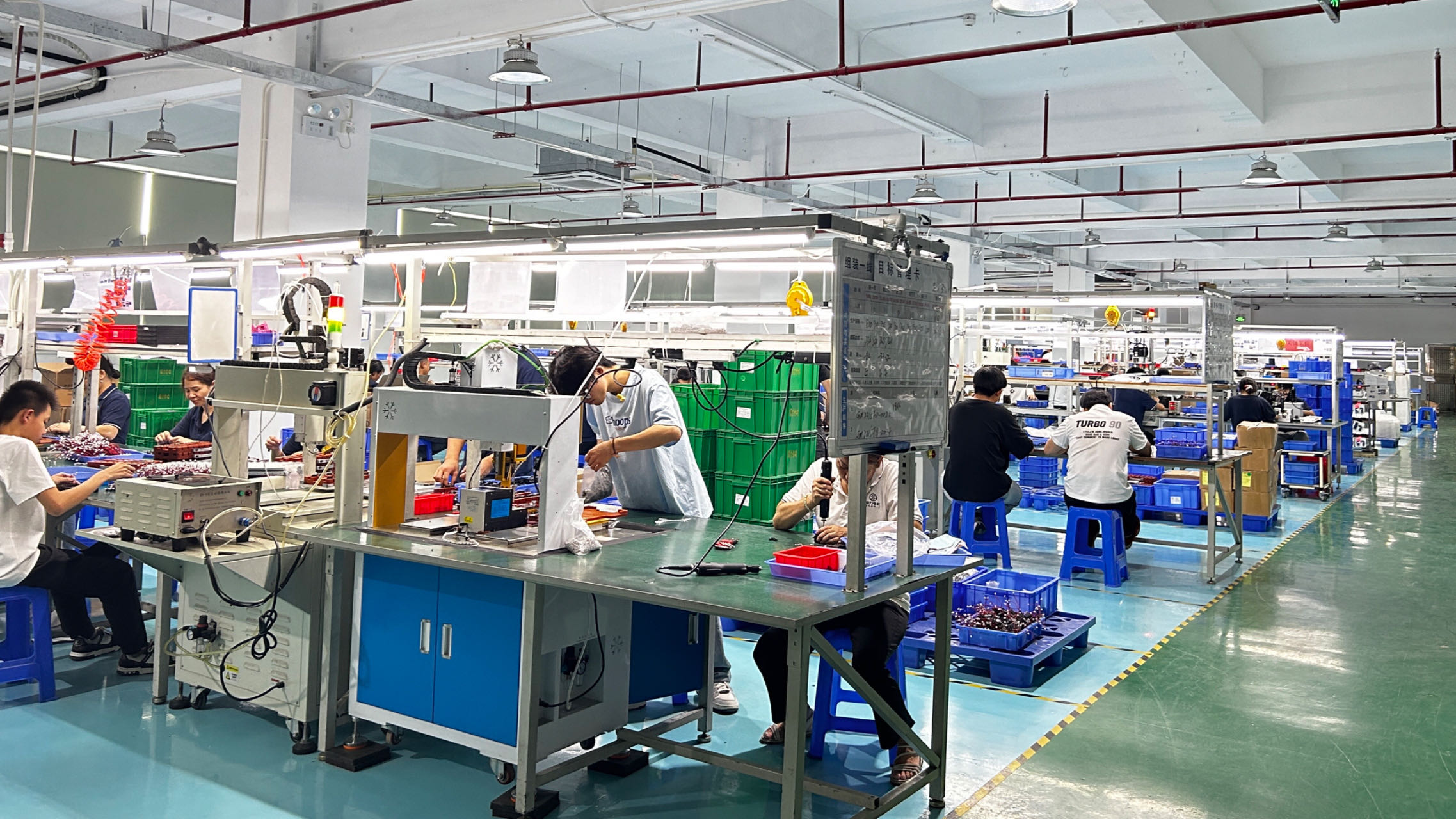
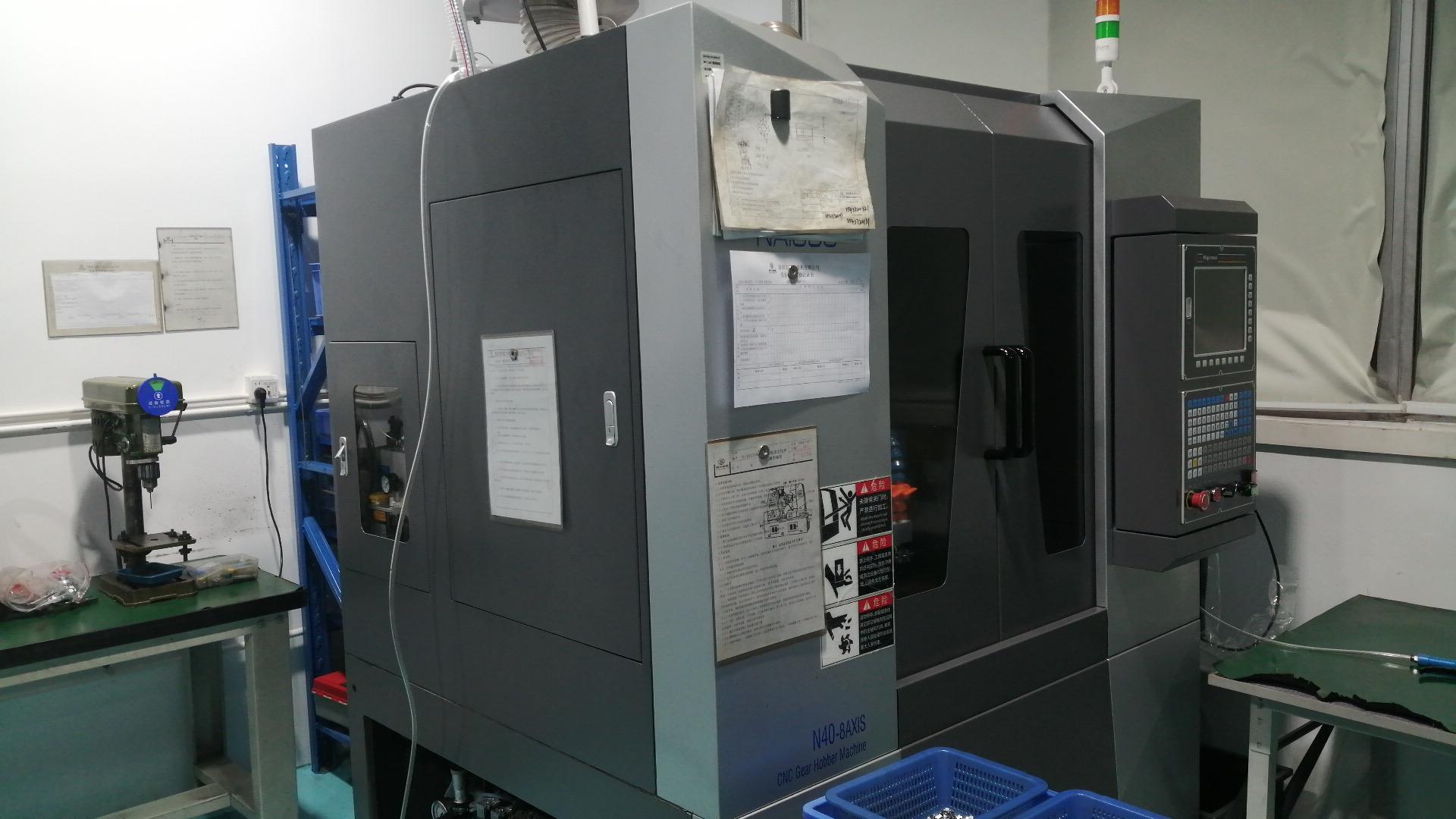
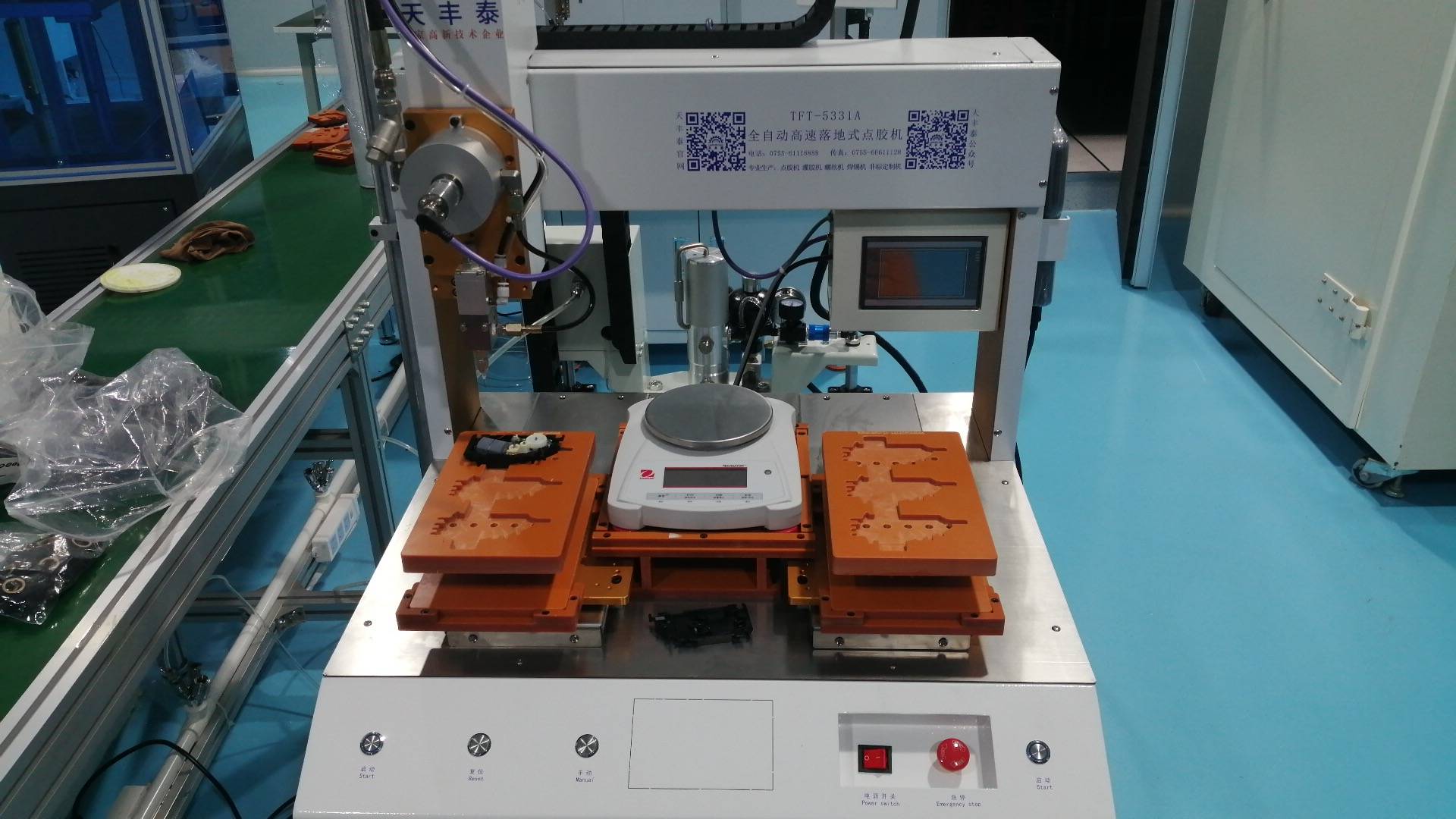
Leveraging advanced production methodologies in China enables unprecedented manufacturing scalability and cost efficiencies. Factory 4.0 paradigms integrate automated lathing, computerized wire winding, and precise automated gear riveting to construct micro-drives with high dimensional accuracy. For global lock manufacturers, this means receiving highly reliable components that fit lock assemblies perfectly. High-precision gear hobbing and automated assembly lines eliminate human error, ensuring that every batch of motors meets tight mechanical tolerances and performance metrics.
High-Quality & Custom Micro Drives Direct from Our ISO9001-Certified Factory Floor
Luv Motors: Top Quality & Custom Micro Drives Direct from Factory
Established in 2006, Luv Motors is a certified High-Tech China manufacturer specializing in high-performance Micro DC Motors, DC Gear Motors, and Brushless Motors (BLDC).
We deliver Top Quality through ISO9001-certified automated production and 100% Customization through our dedicated in-house engineering team. From smart home devices to automotive electronics, we provide global OEM buyers and distributors with reliable, low-noise, and high-torque micro-drive solutions direct from the source. Partner with Luv Motors today to get competitive factory pricing, rapid prototyping, and world-class B2B support.
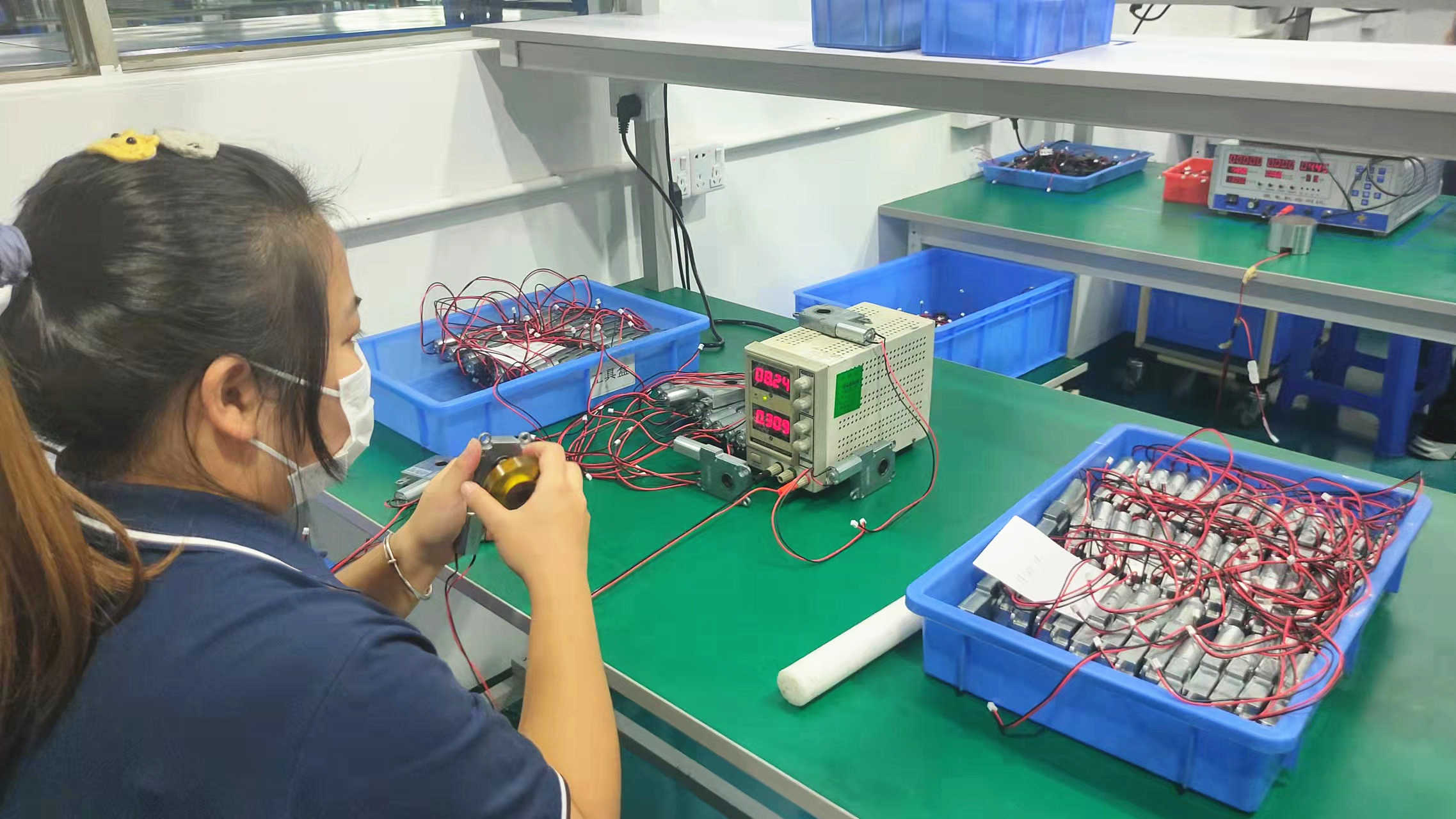
Visualizing our commitment to quality across raw material sourcing, automated soldering, assembly, and testing.


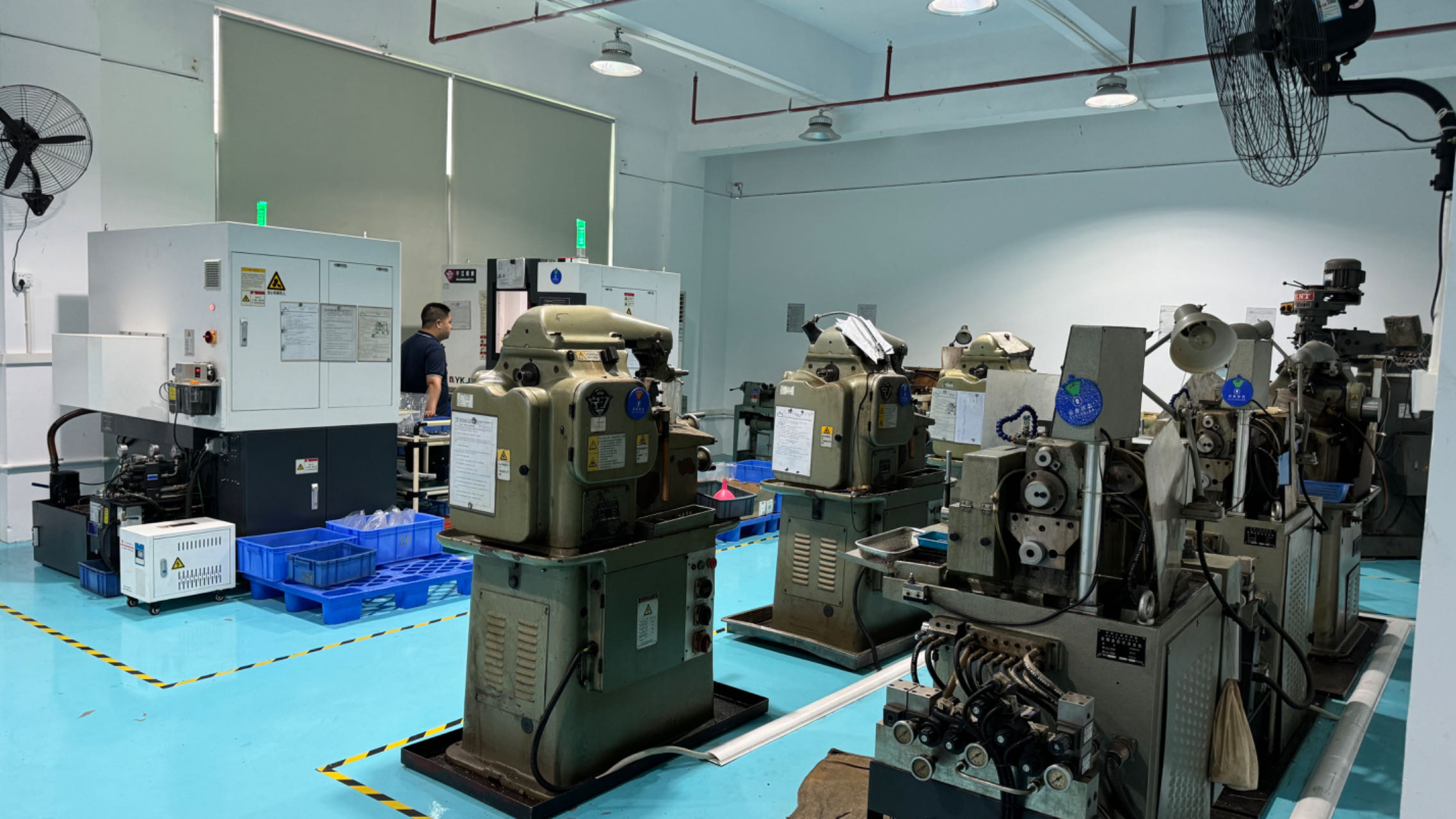
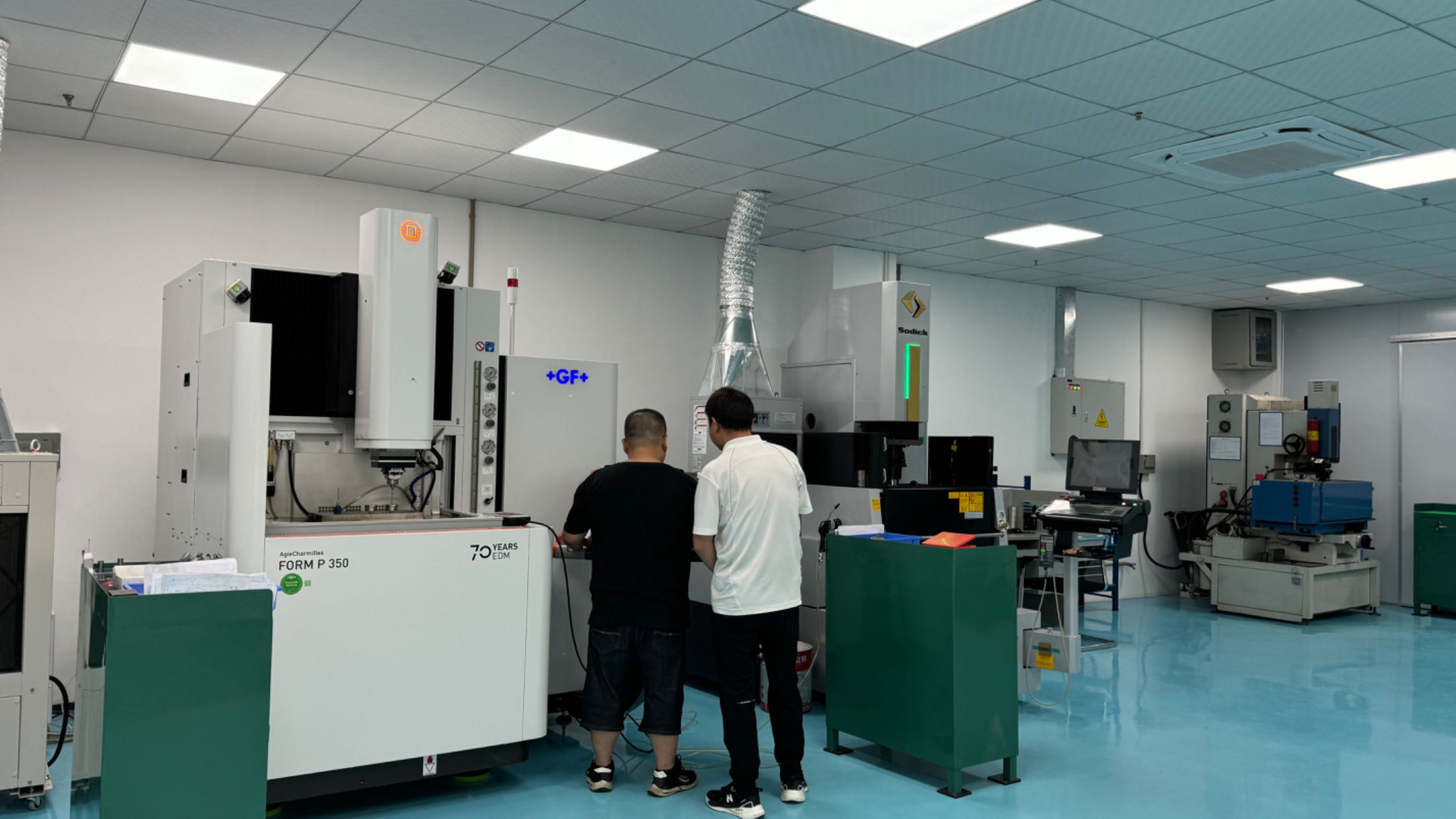
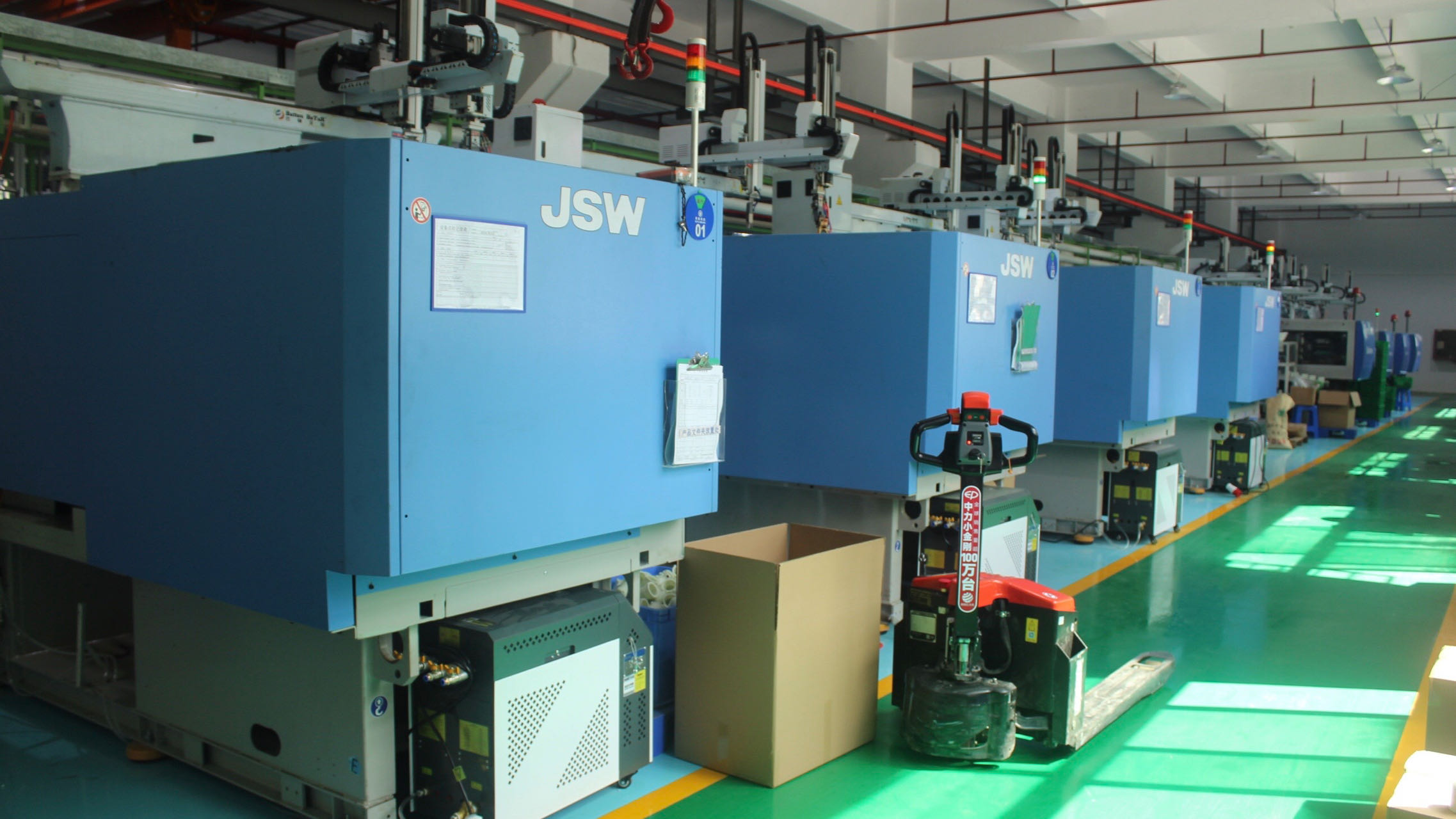
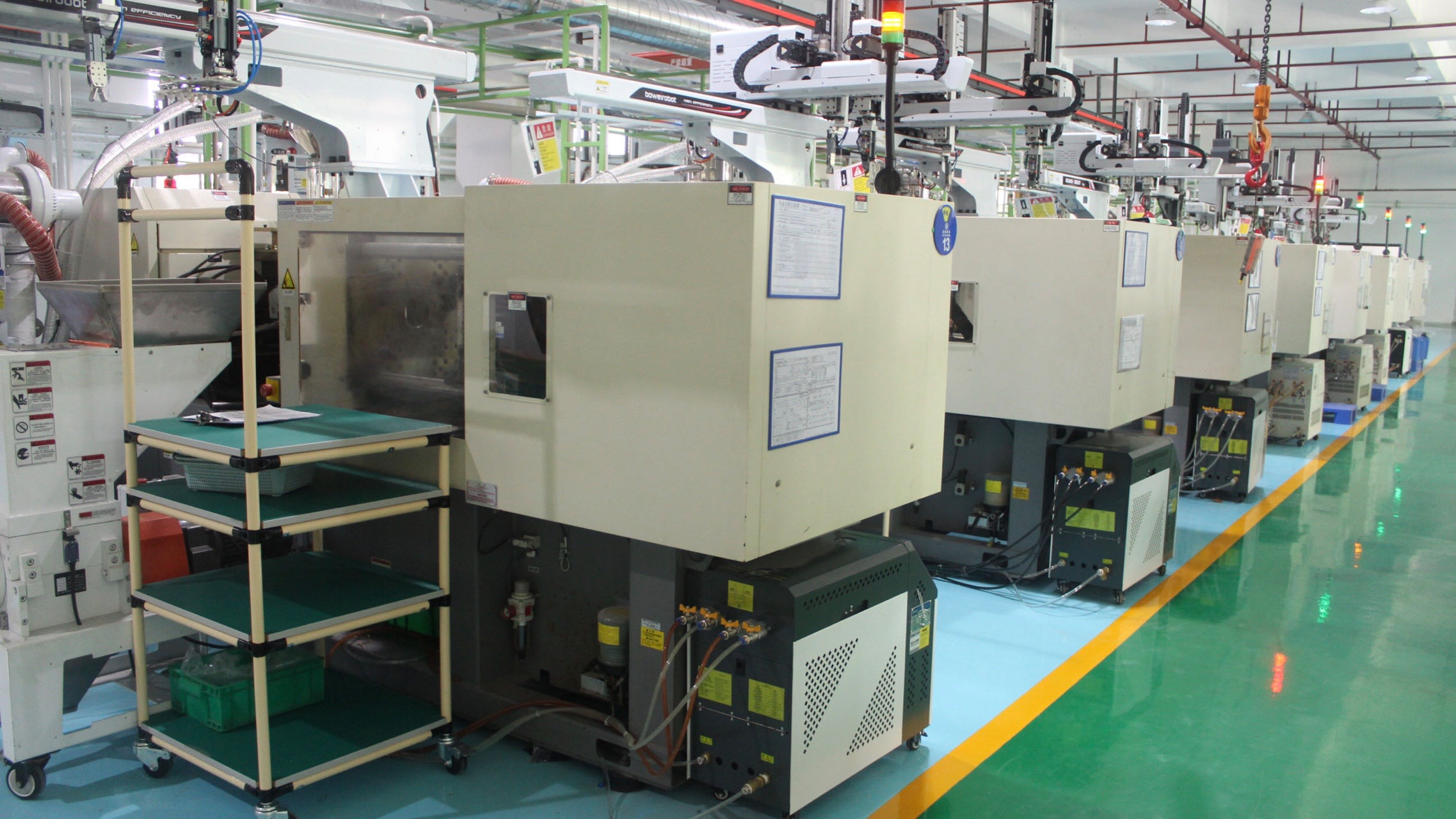
A closer look at the tools that ensure high accuracy, durability, and reliability for our smart lock motors.
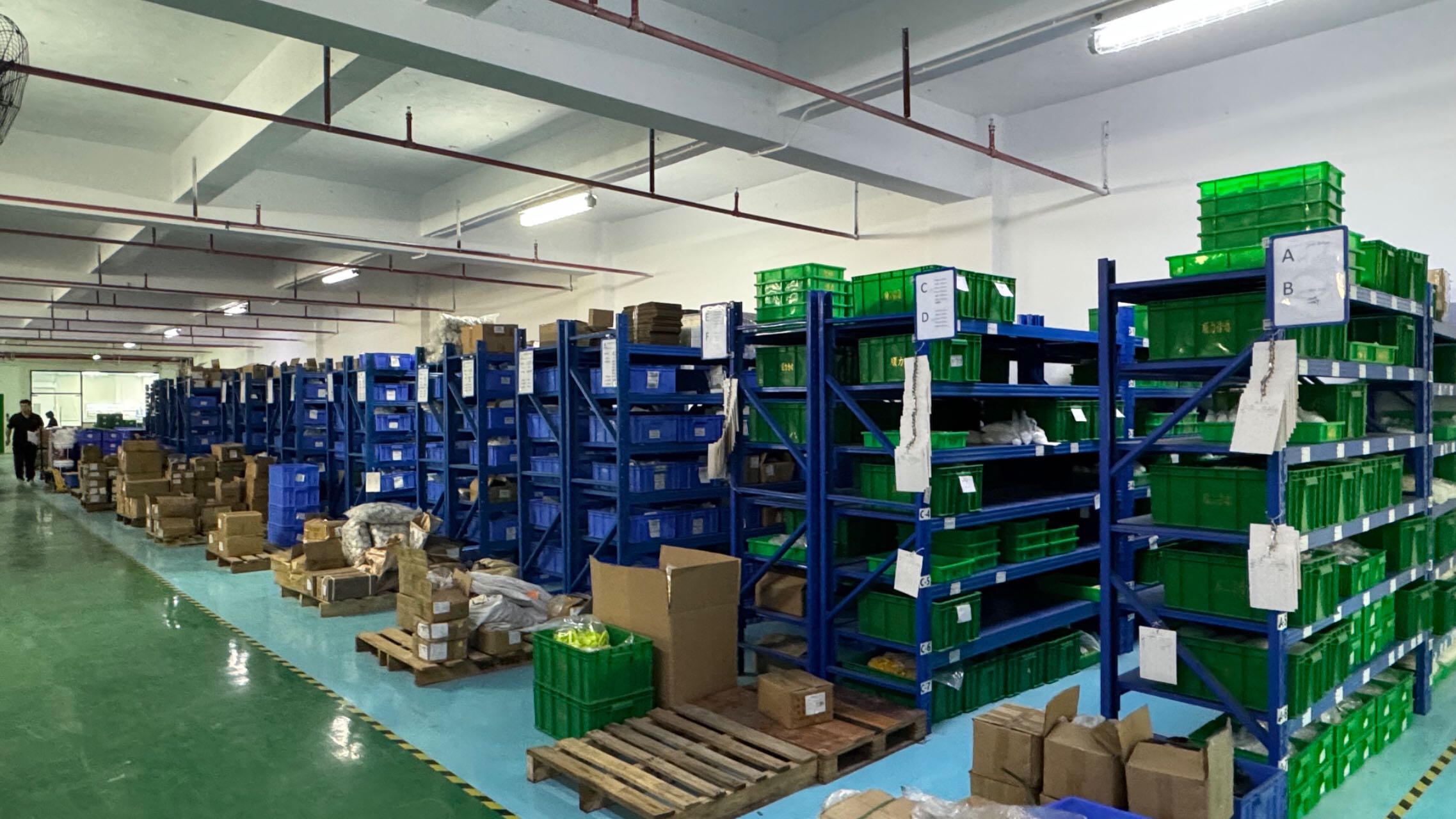
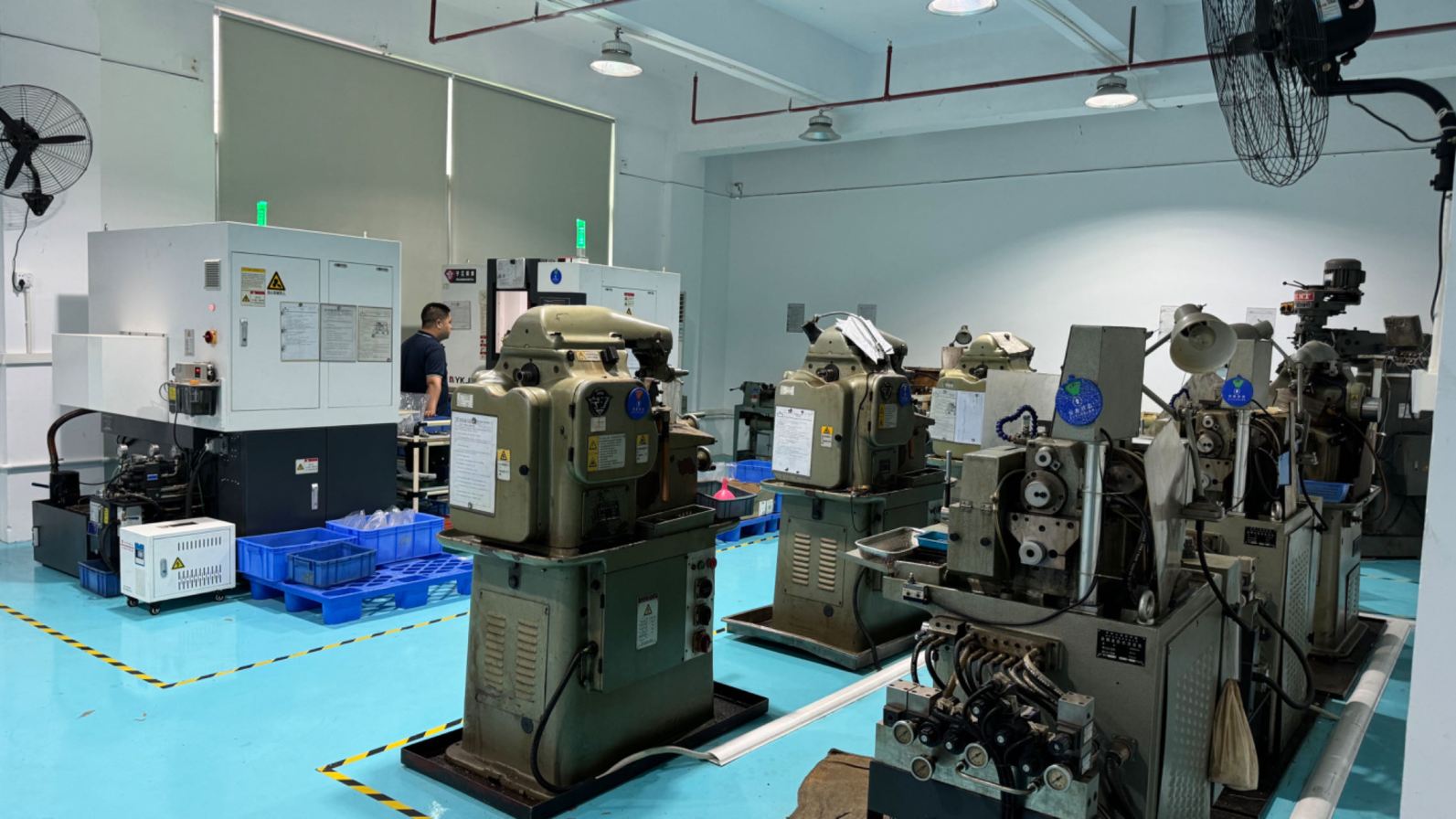
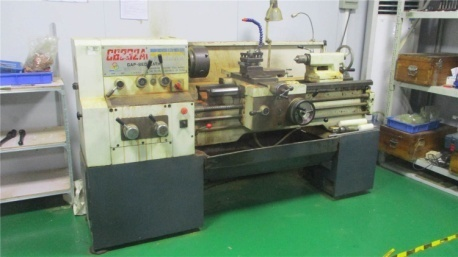
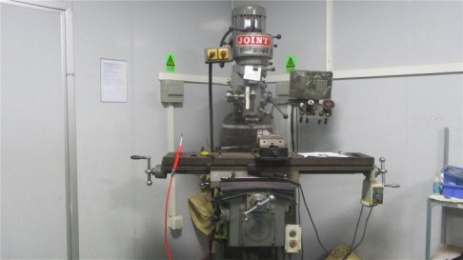
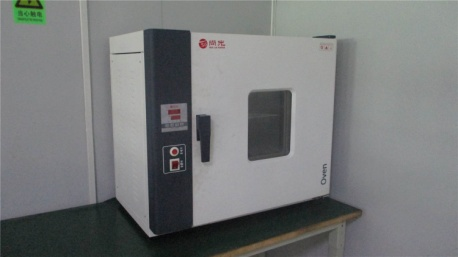
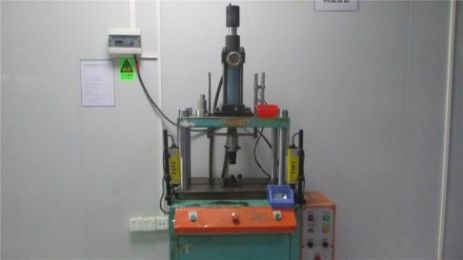
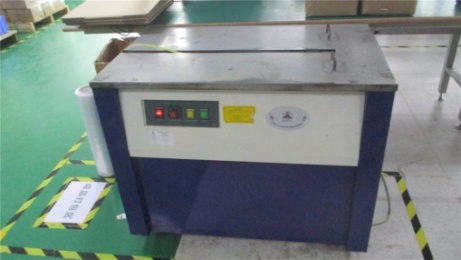
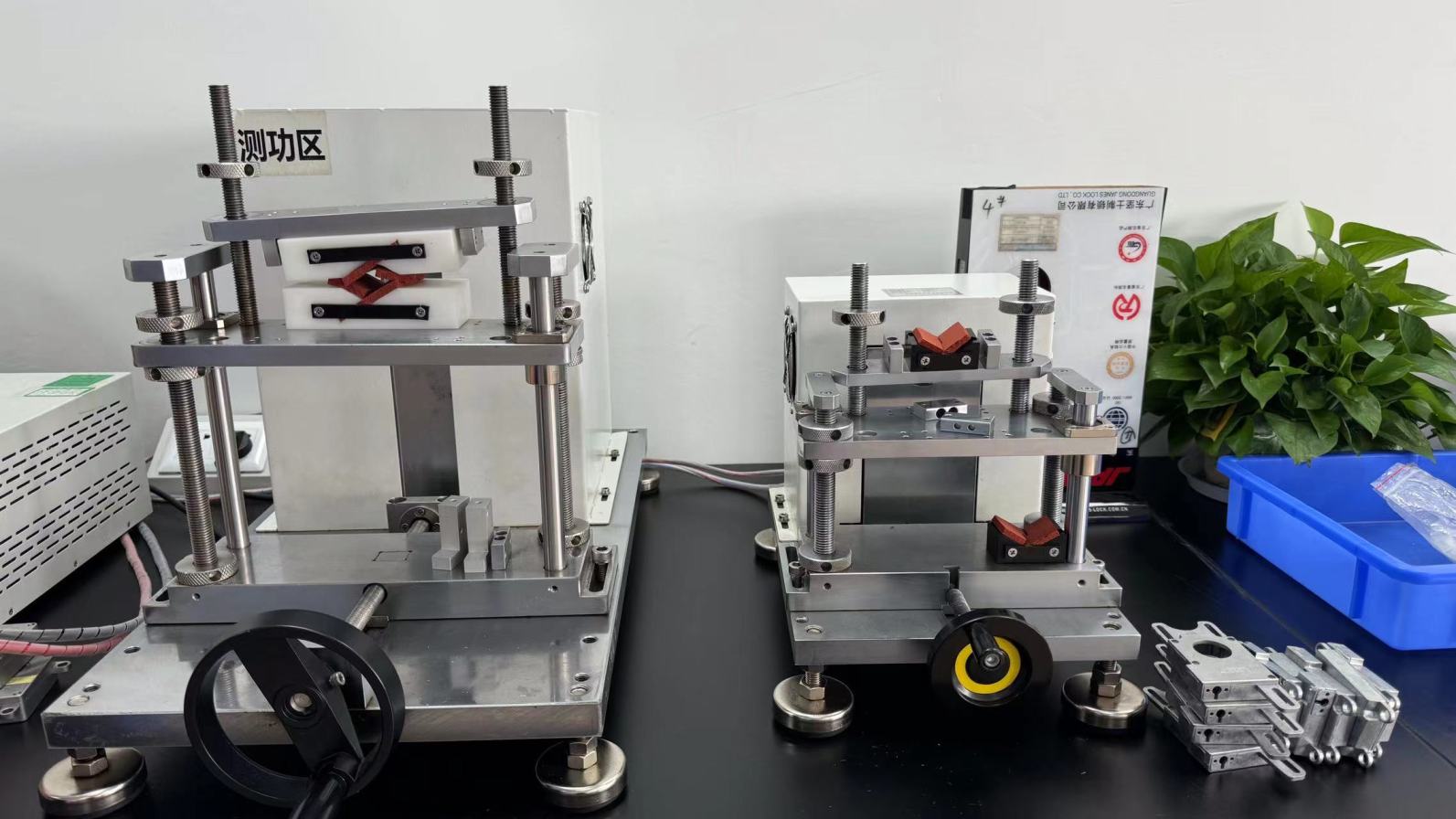
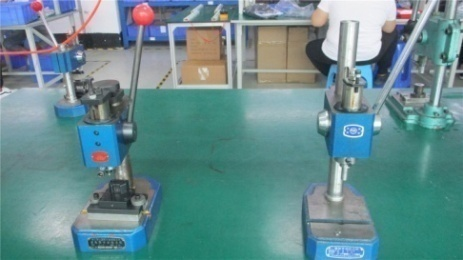
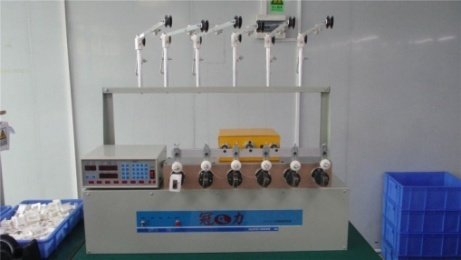
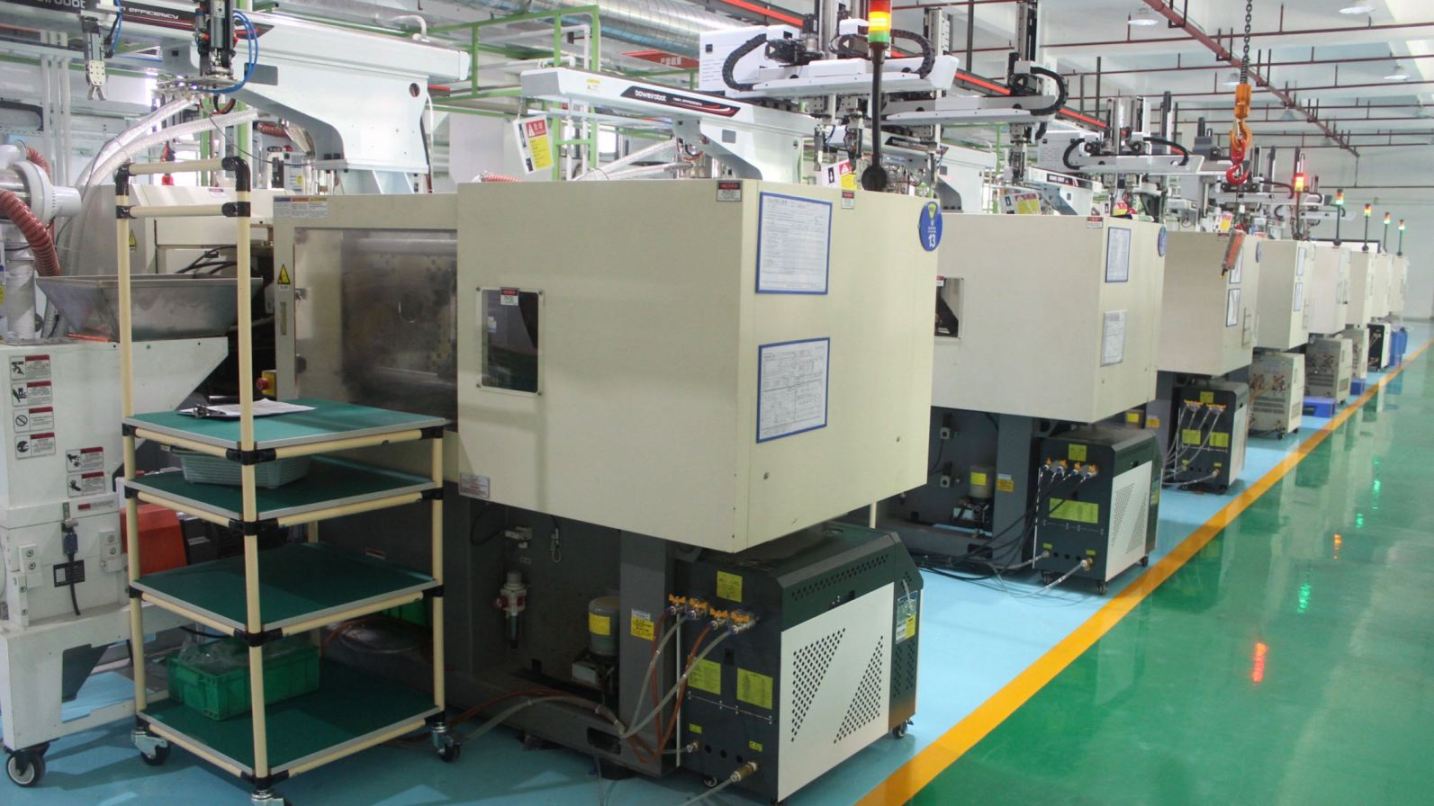
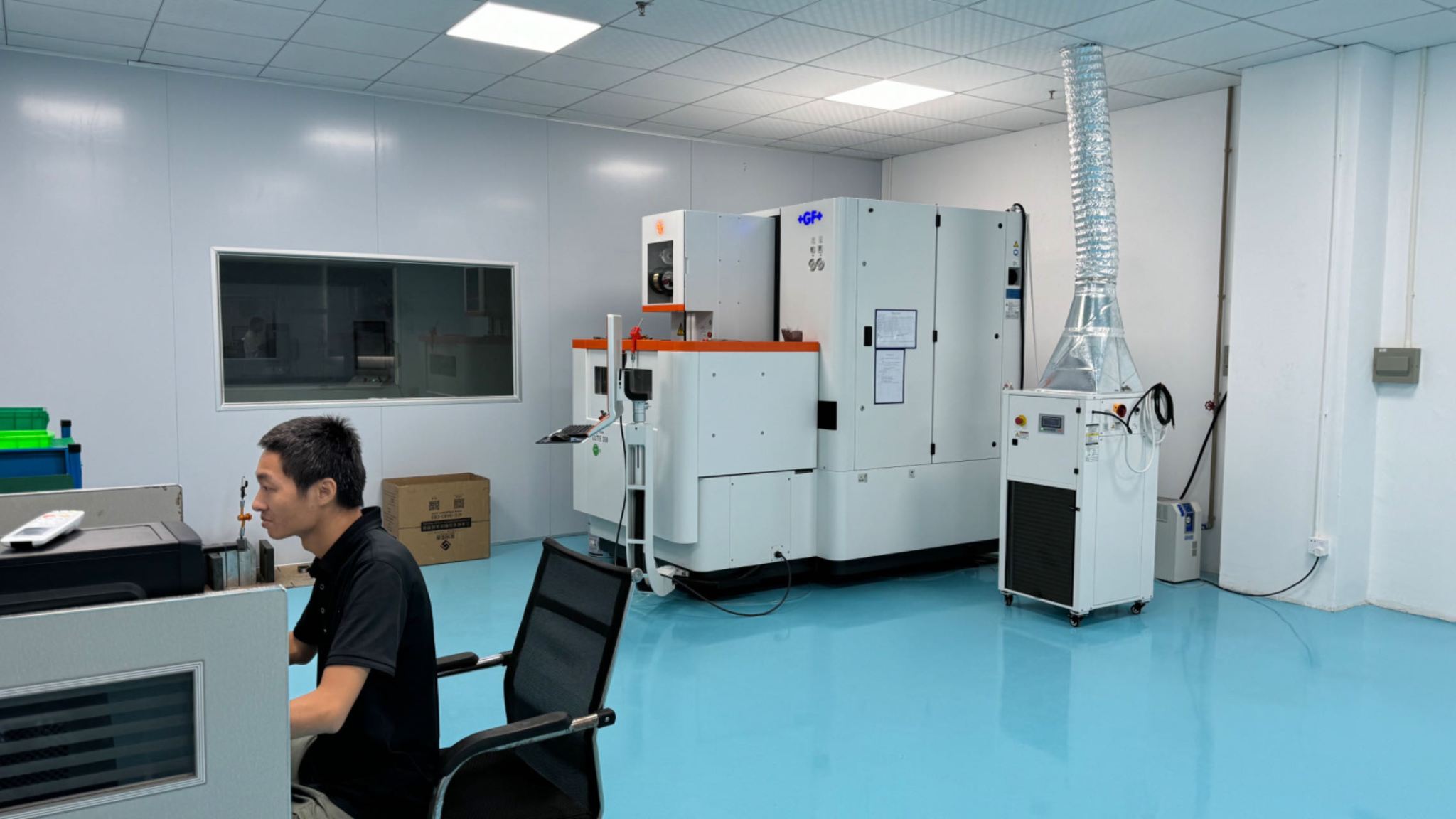
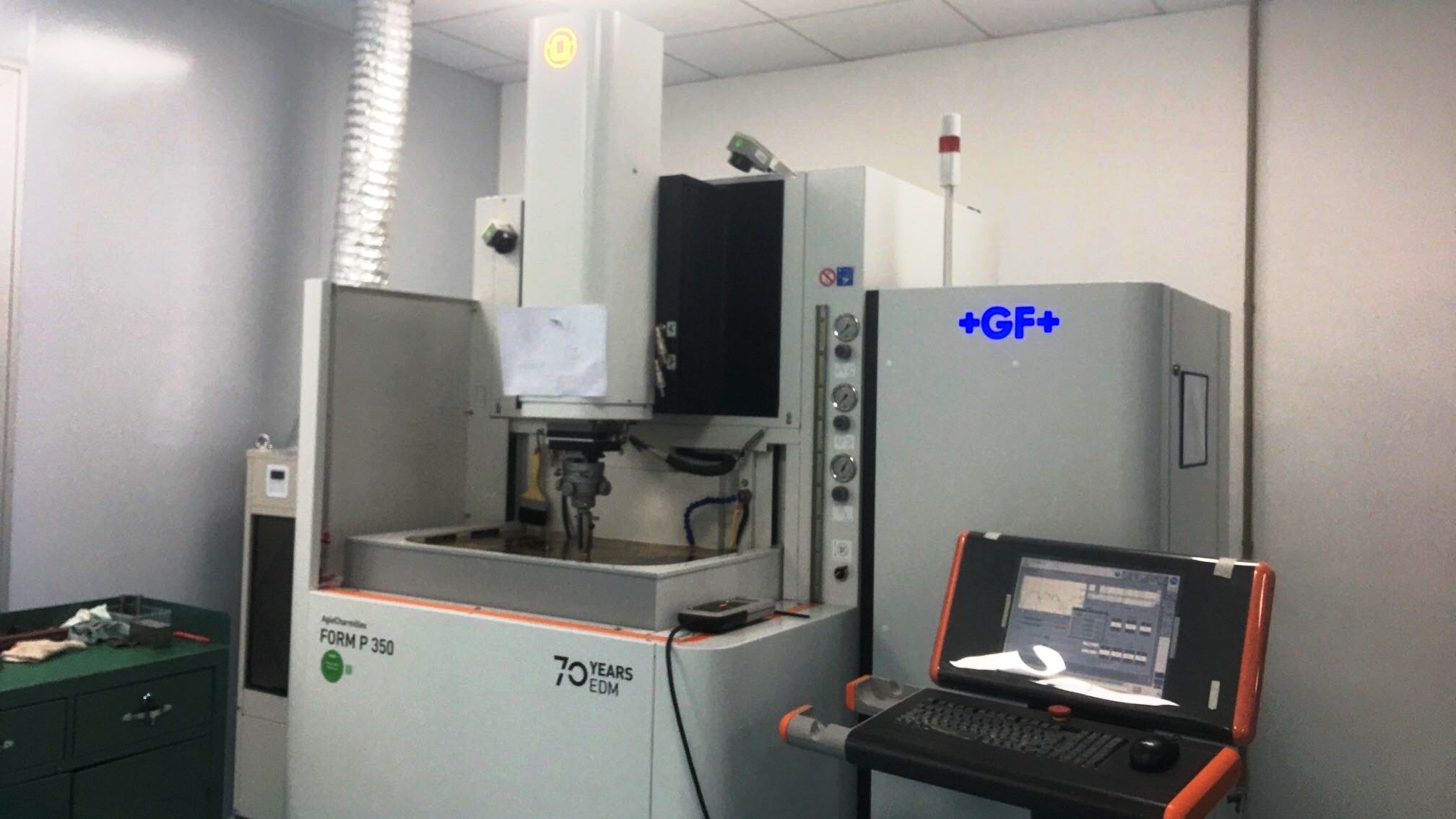
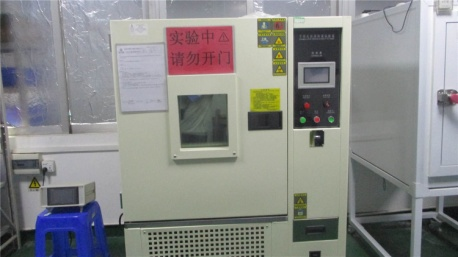
Testing for reliability under extreme humidity, noise barriers, salt environments, and dynamic torque checks.
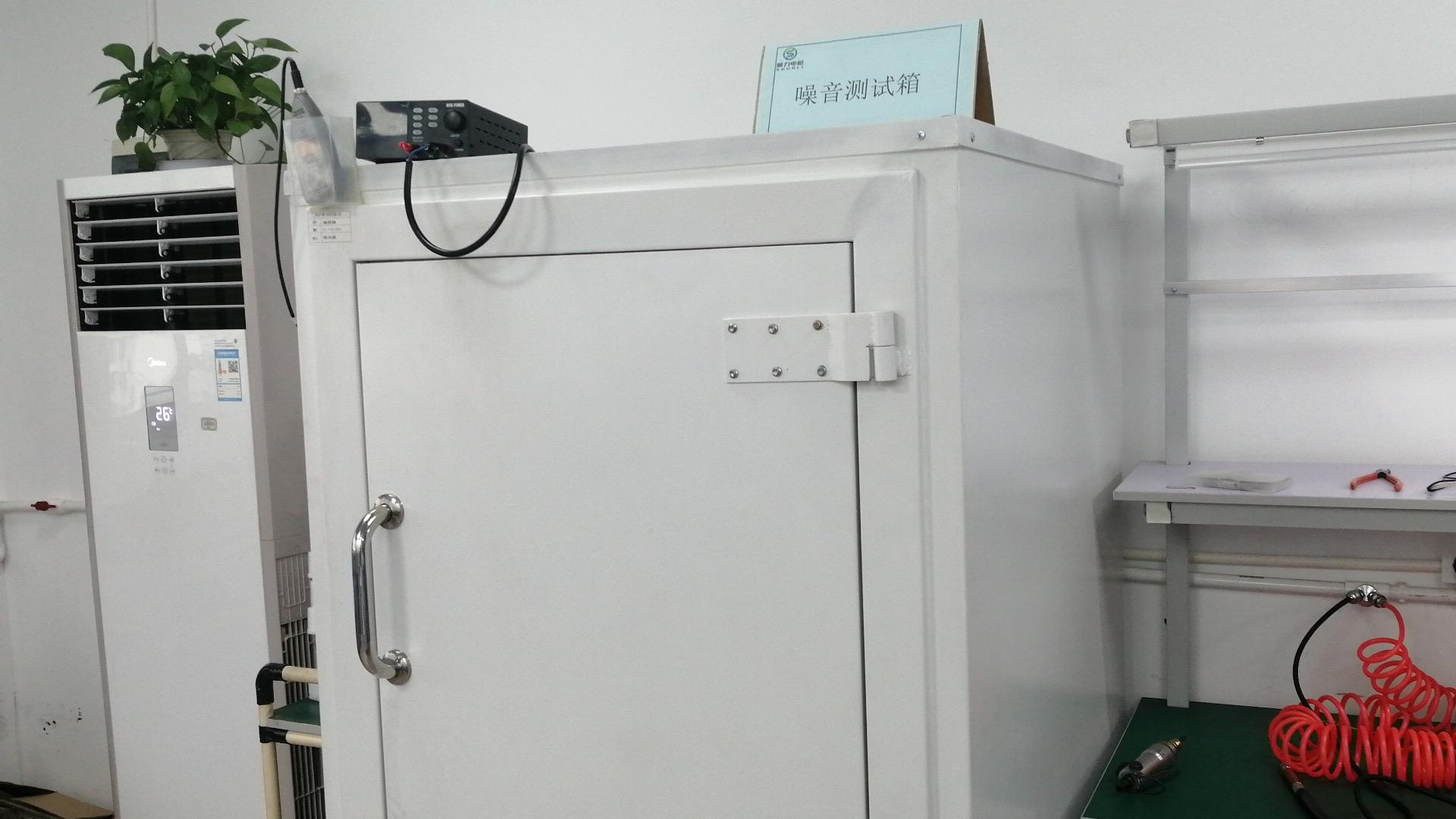
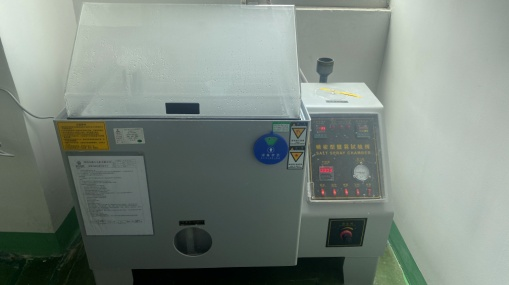
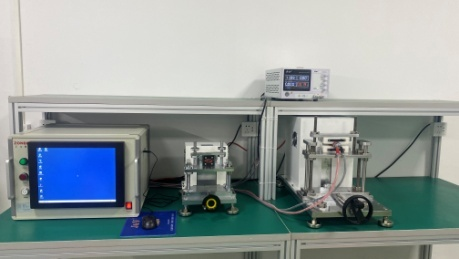
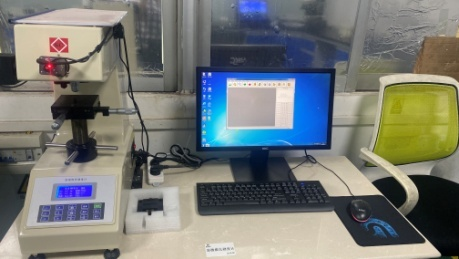
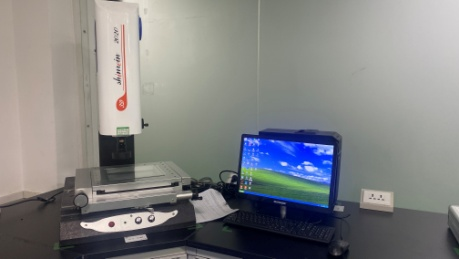
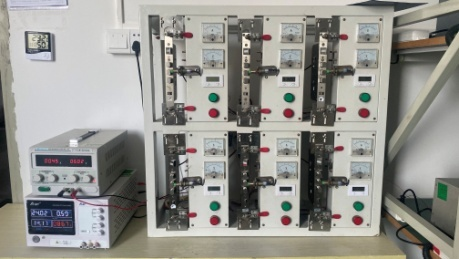
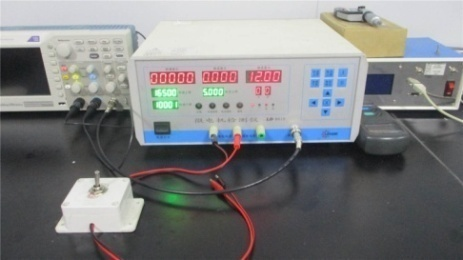
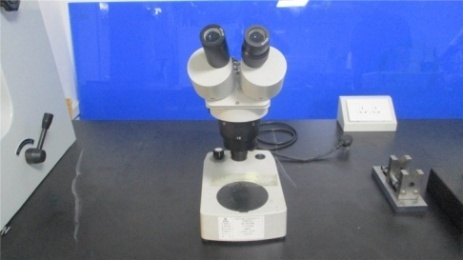
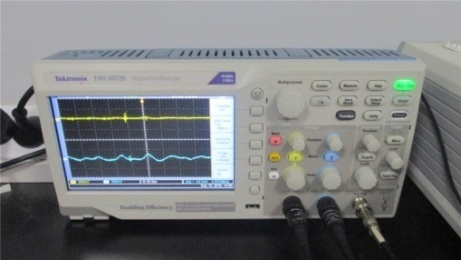
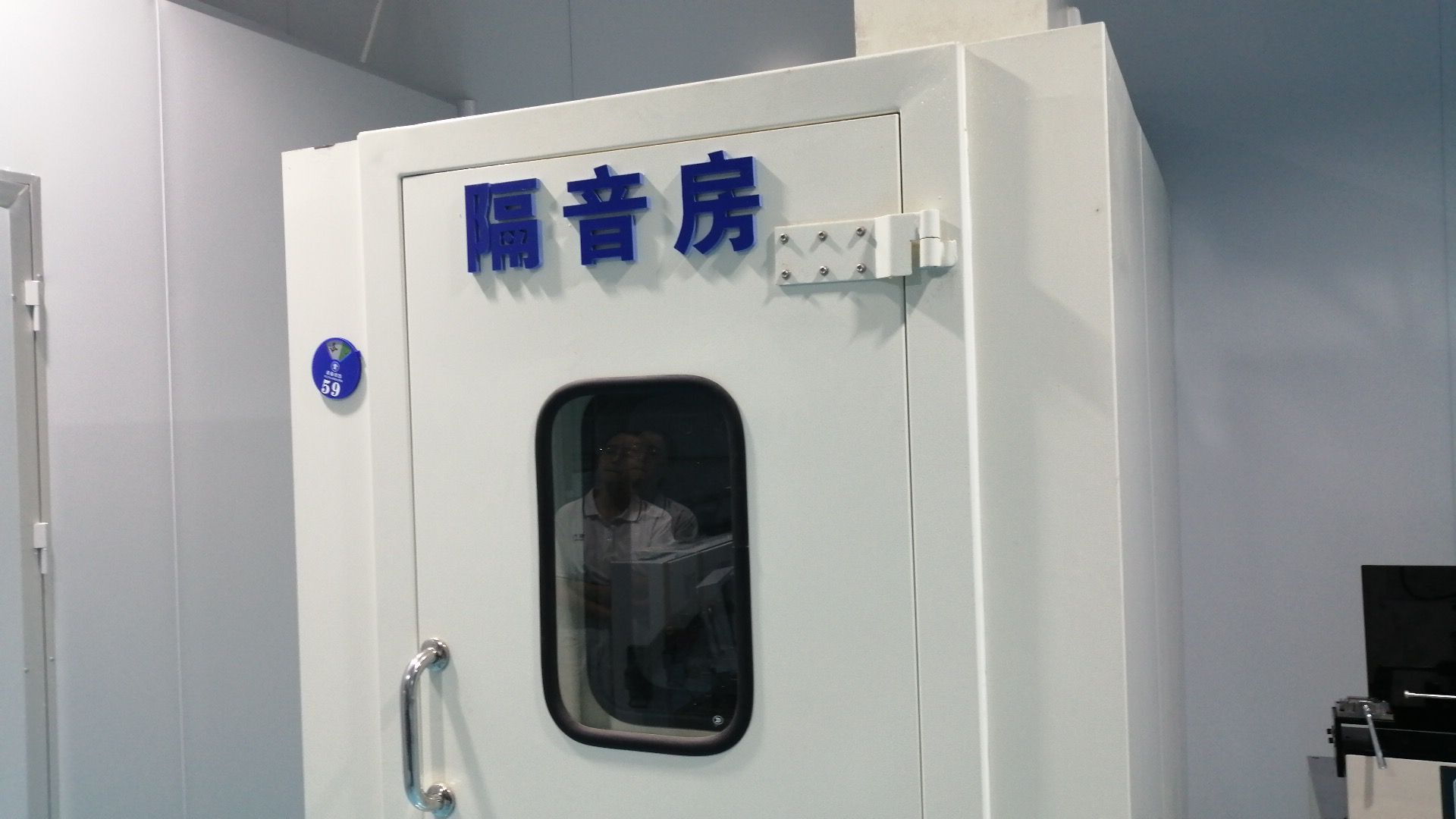
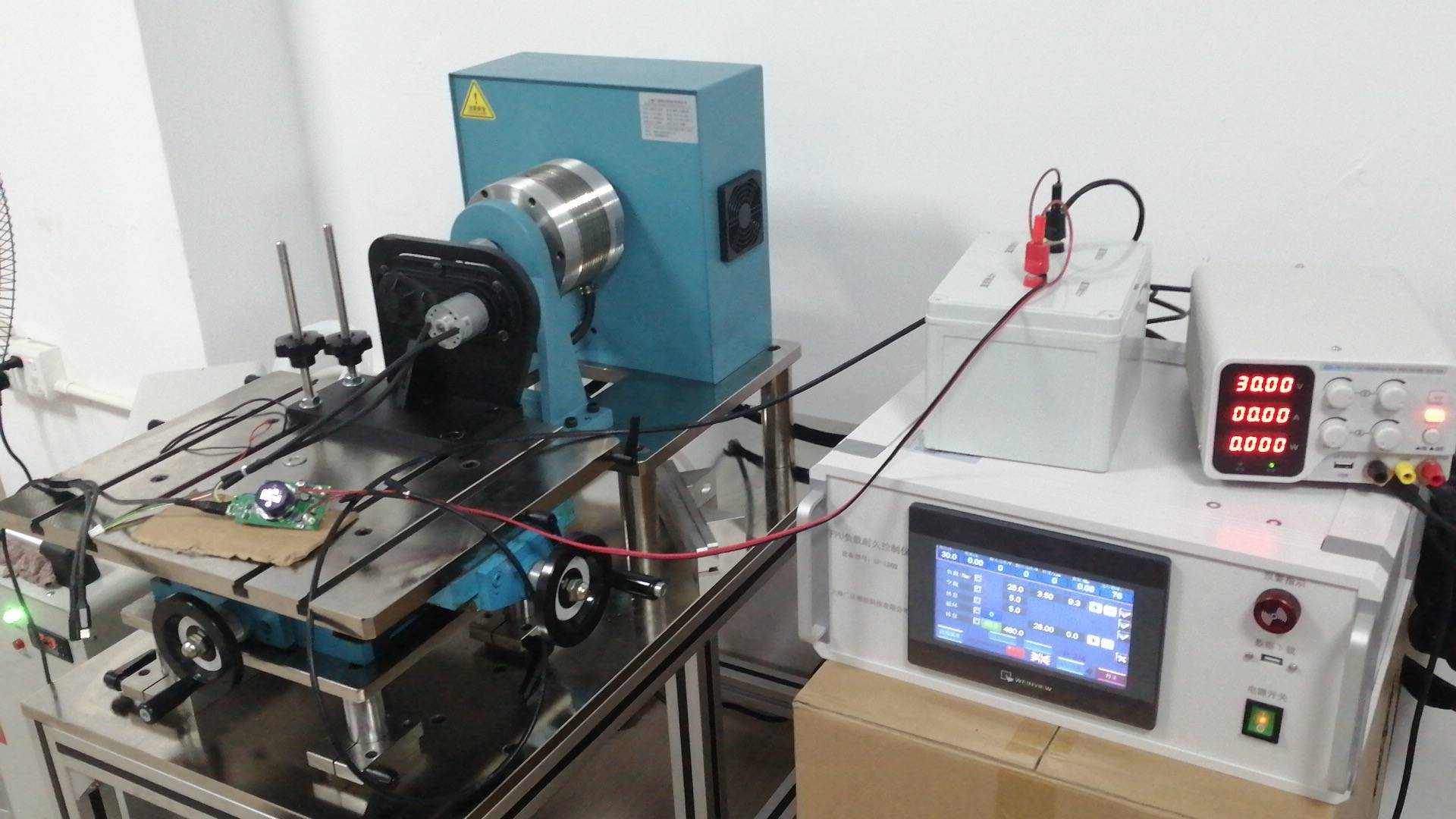
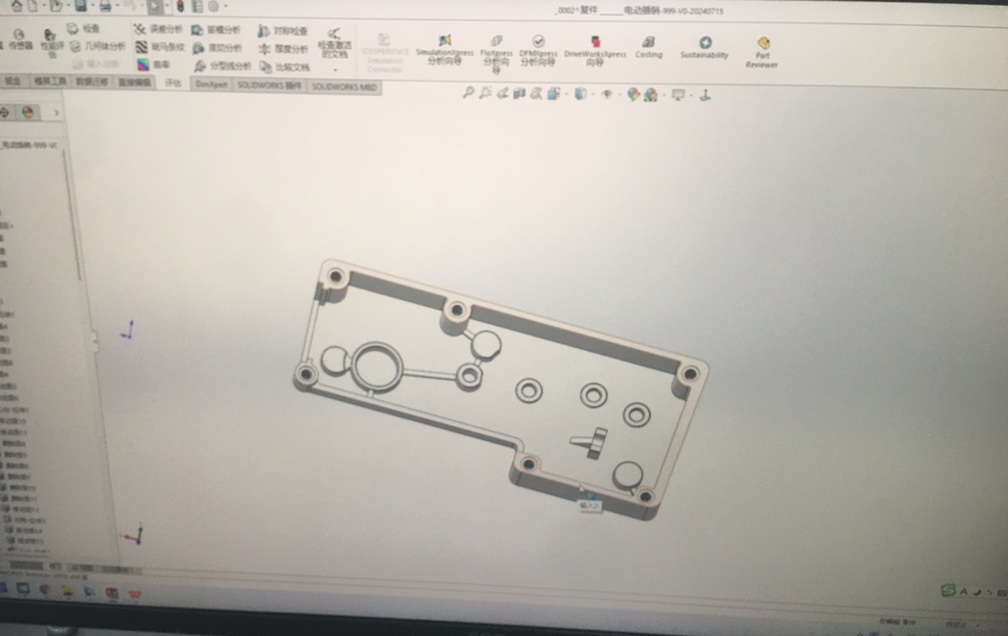
Underpinning our manufacturing scalability and commitment to our partners in the UK and worldwide.
Lock specifications can vary significantly depending on local architectural characteristics and regional deployment needs. Here are the specific environments in the UK where our micro geared motors excel:
UK student accommodation complexes require durable, low-cost locking systems. Smart card-operated locks are subjected to high usage and benefit from our 3V and 4.5V low RPM DC gear motors, which provide a reliable, long life cycle and lower maintenance overheads.
2. Historic Building Renovations (Edinburgh & Bath)Retrofitting listed properties requires lock modifications that remain invisible from the exterior. Our 10mm and 12mm micro geared motors fit inside slim profiles, allowing modern security upgrades to comply with local conservation guidelines.
High-traffic commercial offices rely on wireless, networked lock cylinders. Our quiet, high-torque brushless and brushed DC gear motors provide rapid unlocking operations with minimal acoustic impact, contributing to professional office environments.
4. Public Sector & Healthcare Facilities (NHS Trusts)Lock systems for NHS wards must resist cleaning solvents and operate reliably over thousands of duty cycles. Our motors undergo rigorous salt spray and constant humidity testing, ensuring corrosion resistance in sanitary environments.
In-depth responses to common engineering queries from access control design teams.
Connect with our engineering support team to discuss torque requirements, dimensional constraints, and request custom prototypes.
Send Inquiry NowA comprehensive range of micro-drives, from battery-powered gear motors to high-torque planetary solutions.
 Luv Motors